
Sep . 01, 2025 03:40 Back to list
Glacial Acetic Acid for Sale: High Purity, Bulk & Best Price
Introduction: Understanding Food Grade Glacial Acetic Acid
Glacial acetic acid, a colorless, pungent liquid, is the anhydrous form of acetic acid. Its "glacial" moniker stems from its propensity to freeze into ice-like crystals at temperatures below 16.6 °C (61.9 °F). In the B2B landscape, the demand for high-purity variants, particularly food-grade glacial acetic acid, is consistently robust across diverse sectors. For enterprises seeking a reliable supply, finding high-quality glacial acetic acid for sale is paramount. This comprehensive guide delves into the technical, commercial, and strategic aspects of this essential chemical, providing a resource for procurement managers, chemical engineers, and industry professionals.
Food-grade glacial acetic acid is critical in applications where the highest standards of purity and safety are non-negotiable, ranging from food preservation and flavor enhancement to pharmaceutical synthesis. Its unique chemical properties and versatility make it an indispensable compound, underpinning numerous industrial processes and consumer products.
Process Flow: Manufacturing High-Purity Glacial Acetic Acid
The production of high-purity glacial acetic acid, especially food-grade, involves sophisticated chemical engineering processes designed to achieve stringent quality parameters. The dominant industrial method is the carbonylation of methanol, primarily utilizing the Monsanto process or its more advanced successor, the Cativa process, developed by BP Chemicals. These processes emphasize efficiency, yield, and purity, crucial for downstream applications.
Key Manufacturing Steps:
-
1. Methanol Carbonylation Reaction:
Methanol (CH3OH) reacts with carbon monoxide (CO) in the presence of a rhodium-based catalyst (Monsanto) or iridium-based catalyst (Cativa). This reaction typically occurs at elevated temperatures (150-200 °C) and pressures (30-60 atm). The Cativa process, in particular, offers superior catalyst stability and lower water demand, enhancing overall efficiency.
-
2. Flashing and Separation:
The reaction product, a mixture of acetic acid, unreacted raw materials, and catalyst components, is then flashed to separate volatile components from the non-volatile catalyst and by-products. This step is critical for catalyst recovery and recycling, a significant economic factor.
-
3. Purification through Distillation:
The crude acetic acid stream undergoes a series of sophisticated distillation columns. This multi-stage purification removes water, methyl iodide (a promoter), and other light or heavy impurities. For food-grade applications, this stage is particularly rigorous, aiming to achieve minimal levels of contaminants such as heavy metals and other organic impurities.
-
4. Anhydrous Acetic Acid Production:
Further dehydration processes, often involving azeotropic distillation or solvent extraction, are employed to remove residual water, yielding anhydrous acetic acid. This ensures the product meets the "glacial" specification of extremely low water content.
-
5. Final Polishing and Quality Control:
Before packaging, the glacial acetic acid undergoes a final polishing step, which may include filtration. Comprehensive quality control tests are performed against international standards such as Food Chemicals Codex (FCC), ISO 22000, and Good Manufacturing Practices (GMP). These tests verify purity, absence of heavy metals, and other critical parameters.
Target Industries & Advantages:
- Food & Beverage: As a pH regulator, preservative, and flavoring agent. Its high purity ensures no undesirable off-flavors or contaminants.
- Pharmaceuticals: Used as a solvent, reagent, or component in the synthesis of active pharmaceutical ingredients (APIs). Strict adherence to USP/EP standards is vital.
- Chemical Synthesis: Essential precursor for vinyl acetate monomer (VAM), acetic anhydride, and various esters.
Advantages in typical application scenarios include its exceptional purity, which minimizes the risk of side reactions or contamination in sensitive processes, leading to enhanced product quality and process efficiency. The use of robust manufacturing processes also contributes to a consistent product, reducing variability and ensuring reliable performance over its extended shelf-life (typically 2-3 years under optimal storage conditions).
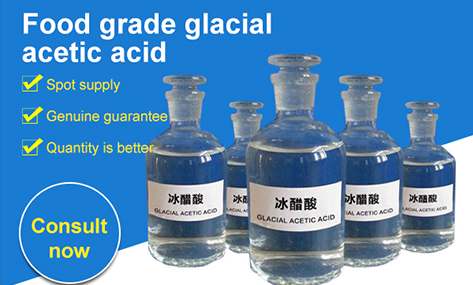
Figure 1: Schematic representation of a typical Glacial Acetic Acid production facility.
Industry Trends & Market Outlook for Glacial Acetic Acid
The global market for glacial acetic acid is characterized by stable growth, driven by increasing demand from end-use industries, particularly in Asia-Pacific. Market intelligence reports project a compound annual growth rate (CAGR) of approximately 4-5% from 2023 to 2030, with market valuation expected to reach over $10 billion by the end of the forecast period. Key drivers include expanding food processing sectors, growth in the pharmaceutical industry, and the persistent need for chemical intermediates.
- Food & Beverage Sector Growth: As global populations rise and dietary habits evolve, the demand for packaged foods, condiments, and preserved items increases. Food-grade glacial acetic acid is indispensable here, serving as a key acidulant and preservative, directly influencing the market for glacial acetic acid for sale.
- Pharmaceutical Expansion: The pharmaceutical industry's growth, fueled by R&D, new drug development, and increased healthcare spending, directly translates to higher consumption of high-purity solvents and reagents like glacial acetic acid.
- Bio-based Acetic Acid: A growing trend is the development and adoption of bio-based acetic acid, produced through fermentation. While currently a niche, this sustainable alternative is gaining traction, potentially influencing future supply dynamics and raw material sourcing.
- Volatile Raw Material Prices: The market for acetic acid, including anhydrous acetic acid, is significantly impacted by the price fluctuations of its primary raw materials: methanol and carbon monoxide. These fluctuations can influence the overall glacial acetic acid price, necessitating robust supply chain management by buyers.
- Regulatory Landscape: Stringent food safety and environmental regulations (e.g., FDA, EFSA, REACH) continuously shape the market, favoring manufacturers and suppliers that adhere to the highest quality and sustainability standards.
Understanding these trends is vital for businesses looking to optimize their procurement strategies and anticipate market shifts. The focus remains on consistent quality, reliable supply chains, and competitive pricing for all forms of acetic acid, especially the food-grade variant.
Technical Specifications & Parameters
Food-grade glacial acetic acid adheres to rigorous specifications to ensure its safety and efficacy in human consumption-related applications. These parameters are crucial for compliance with global food and pharmaceutical standards, such as FCC (Food Chemicals Codex), USP (United States Pharmacopeia), and EP (European Pharmacopoeia).
Key Product Specifications (Food Grade):
Safety and Handling Considerations (NFPA):
Understanding the safety profile of glacial acetic acid is paramount for safe handling, storage, and transport. The NFPA (National Fire Protection Association) 704 standard provides a concise hazard rating system for emergency response. For glacial acetic acid NFPA ratings typically are:
- Health (Blue Diamond): 3 - Corrosive. Causes severe burns to skin and eyes. Inhalation of vapors can cause severe respiratory irritation.
- Flammability (Red Diamond): 2 - Combustible liquid. Flash point is 39 °C (102 °F). Vapors may form explosive mixtures with air.
- Instability/Reactivity (Yellow Diamond): 1 - Stable under normal conditions. May react with strong bases, oxidizing agents, and some metals.
- Special Hazards (White Diamond): Corrosive (COR).
Proper personal protective equipment (PPE), adequate ventilation, and emergency response plans are essential when handling concentrated acetic acid. Storage in corrosion-resistant container111s (e.g., stainless steel, certain plastics) in a cool, well-ventilated area, away from incompatibles, is critical.
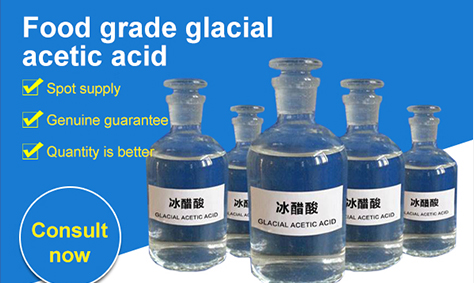
Figure 2: High-purity Glacial Acetic Acid awaiting quality control analysis.
Application Scenarios for Food Grade Glacial Acetic Acid
The versatility of food-grade glacial acetic acid makes it indispensable across a spectrum of industries, primarily where purity, acidity, and chemical reactivity are paramount. Its applications extend far beyond simple vinegar production, touching various critical processes.
1. Food & Beverage Industry:
- Acidulant and Flavoring Agent: It is a primary ingredient in the production of vinegar, imparting the characteristic sour taste. It's also used directly in various food formulations as an acidulant to adjust pH, enhance flavor profiles in sauces, dressings, and condiments.
- Preservative: Acetic acid's antimicrobial properties are effective against a broad spectrum of bacteria, yeasts, and molds. It is widely used in pickling vegetables, preserving canned goods, and extending the shelf-life of baked goods and other food products.
- Coagulant in Dairy: In specific dairy applications, it can act as a coagulant for the production of certain cheeses or casein.
2. Pharmaceutical Industry:
- Solvent and Reagent: Used as a solvent for various organic reactions and as a reagent in the synthesis of pharmaceuticals, including aspirin, sulfa drugs, and certain vitamins.
- Buffer Component: In some pharmaceutical formulations, it can act as a buffer component to maintain pH stability.
- Diagnostic Reagent: Employed in certain medical diagnostic tests due to its chemical reactivity.
3. Chemical Synthesis:
- Raw Material for Derivatives: Glacial acetic acid is a fundamental building block for a vast array of chemical derivatives. These include vinyl acetate monomer (VAM) for polymers, acetic anhydride for cellulose acetate and pharmaceuticals, and various acetate esters (e.g., ethyl acetate, butyl acetate) used as solvents and flavorings.
- Textile Industry: Used in the dyeing process to adjust pH and facilitate dye uptake, particularly in silk and wool processing.
- Rubber Industry: As a coagulant in the production of natural rubber latex.
The demand for high-purity, consistent glacial acetic acid across these sectors underscores the importance of a reliable supply chain for businesses seeking this versatile chemical.
Technical Advantages of Our Food Grade Glacial Acetic Acid
Our food-grade glacial acetic acid distinguishes itself through a combination of superior technical characteristics and adherence to the most stringent quality protocols, providing significant advantages for B2B clients.
-
Uncompromising Purity & Consistency:
Our product consistently exceeds FCC, USP, and EP specifications, typically achieving purities of 99.8% or higher. This exceptional purity minimizes the introduction of contaminants that could adversely affect downstream products, especially critical in food and pharmaceutical manufacturing where even trace impurities can alter taste, efficacy, or safety profiles. Batch-to-batch consistency ensures reliable performance and predictable outcomes for our clients' processes.
-
Optimized Reactivity & Performance:
With extremely low water content, our glacial acetic acid offers optimal reactivity as a solvent or reagent. The absence of significant water and other impurities prevents unwanted side reactions, allowing for more efficient chemical synthesis and precise control over reaction kinetics in various applications.
-
Enhanced Stability & Shelf-Life:
Produced under controlled conditions and packaged with strict adherence to industry best practices, our glacial acetic acid exhibits excellent long-term stability. This ensures a prolonged effective shelf-life, reducing waste and providing greater flexibility in inventory management for our clients.
-
Corrosion Resistance & Equipment Compatibility:
While acetic acid is corrosive, its high purity and controlled composition minimize secondary corrosive effects that might arise from impurities. This helps in maintaining the integrity of storage and processing equipment (e.g., stainless steel alloys), leading to reduced maintenance costs and extended service life of infrastructure in compliant facilities.
-
Strict Regulatory Compliance:
Our manufacturing processes and product quality are continuously audited against global regulatory benchmarks, including ISO 9001, ISO 22000, and cGMP guidelines. This guarantees that our clients receive a product that not only meets but often surpasses the requirements for their most demanding applications.
These technical advantages translate into tangible benefits for our customers, including improved end-product quality, reduced operational risks, and enhanced overall process efficiency when utilizing our food-grade glacial acetic acid.
Vendor Comparison: Selecting the Right Glacial Acetic Acid Supplier
Choosing the right glacial acetic acid suppliers is a strategic decision that impacts product quality, operational efficiency, and cost-effectiveness. The market offers a range of suppliers, each with varying strengths. A comprehensive evaluation based on several key criteria is essential for businesses looking for the best glacial acetic acid for sale.
Key Evaluation Criteria for Suppliers:
- Product Purity and Quality Assurance: Verifiable certifications (e.g., ISO, FDA, Kosher, Halal) are non-negotiable for food-grade and pharmaceutical applications.
- Supply Chain Reliability: A robust logistics network, consistent production capacity, and contingency plans are critical to prevent disruptions.
- Technical Support and Expertise: Suppliers offering in-depth technical assistance for product application, storage, and safety add significant value.
- Packaging and Customization: Ability to provide flexible packaging options (drums, IBCs, bulk tanks) and specific concentrations.
- Pricing Structure and Transparency: Competitive and transparent pricing, including the overall glacial acetic acid price, delivery costs, and potential for long-term contract benefits.
- Sustainability and Ethical Practices: Commitment to environmental responsibility and ethical sourcing.
Comparative Overview (Illustrative):
This illustrative comparison highlights that the "best" supplier depends on specific business needs: large-scale manufacturers offer robustness, distributors provide flexibility, and regional suppliers offer agility. Thorough due diligence, including facility audits and sample testing, is recommended for any major procurement decision.
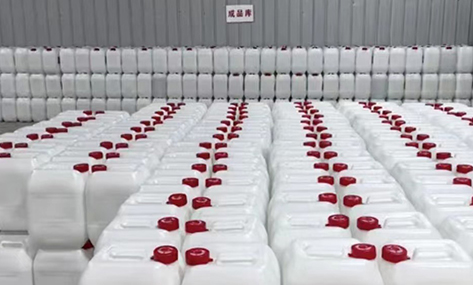
Figure 3: Advanced laboratory equipment for verifying Glacial Acetic Acid purity.
Customized Solutions for Glacial Acetic Acid Procurement
Recognizing that diverse B2B clients have unique operational requirements, leading suppliers offer tailored solutions beyond standard product delivery. These customizations can optimize supply chains, reduce operational costs, and enhance product integration.
-
Flexible Packaging Options:
From small drums (e.g., 200 kg) for lower-volume users to Intermediate Bulk Containers (IBCs, 1000 kg) and bulk tank wagons or ISO tanks for high-volume industrial clients. Specialized packaging for sensitive applications (e.g., nitrogen blanketed drums) can also be arranged to maintain product integrity.
-
Custom Concentration and Blending:
While glacial acetic acid is typically 99.8%+, some applications may require specific dilutions or blends with other compatible substances. Suppliers can provide pre-diluted solutions to precise specifications, reducing on-site handling risks and preparation time for clients.
-
Just-In-Time (JIT) Delivery & Inventory Management:
To minimize inventory holding costs and maximize production fluidity, suppliers can implement JIT delivery schedules. This requires close collaboration and robust logistics, ensuring product arrives precisely when needed, optimizing warehouse space and working capital.
-
Dedicated Technical Support & Application Engineering:
Beyond basic product data, some suppliers offer specialized technical support, including assistance with process optimization, troubleshooting, and advice on material compatibility for storage and handling systems. This can be particularly valuable for complex chemical processes.
-
Regulatory & Documentation Support:
For industries with stringent regulatory requirements (e.g., pharma, food), suppliers can provide comprehensive documentation packages, including Certificates of Analysis (CoA), Safety Data Sheets (SDS), Kosher/Halal certifications, and support for regulatory submissions.
Engaging with suppliers who can offer these customized solutions can transform a commodity purchase into a strategic partnership, driving efficiency and compliance for the end-user.
Application Case Studies
Real-world applications demonstrate the tangible benefits of utilizing high-quality food-grade glacial acetic acid. These case studies highlight its role in enhancing product quality and process efficiency.
Case Study 1: Enhancing Shelf-Life in Specialty Sauces
Client: A medium-sized gourmet sauce manufacturer specializing in artisanal dressings and marinades.
Challenge: The client faced challenges with maintaining a consistent pH and extending the shelf-life of their natural, preservative-free sauce lines without compromising flavor or using synthetic additives. Batch variations in acidity were leading to inconsistent product stability and occasional premature spoilage.
Solution: The client transitioned to our food-grade glacial acetic acid, known for its extremely high purity and consistent concentration. Our technical team collaborated with their R&D to precisely calibrate the acetic acid inclusion, leveraging its natural antimicrobial properties and pH regulating capabilities.
Results: By integrating our high-purity glacial acetic acid, the client achieved:
- A 30% increase in product shelf-life, reducing waste and expanding market reach.
- Enhanced flavor consistency across all batches due to precise pH control.
- Compliance with clean label initiatives, as acetic acid is recognized as a natural food ingredient.
- A 15% reduction in production time due to fewer batch adjustments.
Case Study 2: Optimizing Pharmaceutical Synthesis Yields
Client: A pharmaceutical company synthesizing Active Pharmaceutical Ingredients (APIs) for a cardiovascular medication, where glacial acetic acid acts as a crucial solvent and reagent.
Challenge: The client was experiencing minor but persistent fluctuations in API yield and purity, attributed to inconsistent quality of their previously sourced glacial acetic acid. Trace impurities were suspected of causing side reactions, impacting downstream purification steps.
Solution: They switched to our pharmaceutical-grade glacial acetic acid, which meets rigorous USP/EP standards and is manufactured under cGMP conditions. Our team provided detailed Certificates of Analysis for each batch, ensuring ultra-low levels of heavy metals and other organic impurities.
Results: The transition led to significant improvements:
- A 5% increase in API synthesis yield, directly impacting profitability.
- Reduction in purification steps by 10%, lowering operational costs and energy consumption.
- Enhanced product consistency and reduced batch-to-batch variability for the final API.
- Improved compliance with regulatory audits due to transparent quality documentation.
Ensuring Trustworthiness: Our Commitment to Quality and Service
Building lasting B2B relationships is founded on trust, reliability, and transparency. Our commitment to these principles is embedded in every aspect of our operations, from manufacturing to customer support.
Certifications & Quality Assurance:
Our food-grade glacial acetic acid is produced in facilities adhering to global best practices and holds multiple authoritative certifications. We are ISO 9001 certified for quality management and ISO 22000 for food safety management. Furthermore, our product meets the stringent requirements of the Food Chemicals Codex (FCC), United States Pharmacopeia (USP), and European Pharmacopoeia (EP). We also provide Kosher and Halal certifications upon request. Each batch undergoes rigorous, multi-stage testing in our state-of-the-art laboratories to ensure consistent purity and compliance with all specifications, documented by a comprehensive Certificate of Analysis (CoA).
Customer Feedback & Partnerships:
Over the past two decades, we have cultivated long-term partnerships with leading companies in the food, pharmaceutical, and chemical industries. Our success is reflected in consistent reorders and positive feedback from clients who value our unwavering product quality and responsive service. Many of our clients report enhanced process stability and improved end-product quality since partnering with us for their glacial acetic acid supply.
Frequently Asked Questions (FAQ):
- Q1: What distinguishes food-grade glacial acetic acid from industrial grades?
A1: Food-grade glacial acetic acid undergoes a significantly more rigorous purification process to eliminate trace impurities, heavy metals, and other contaminants, ensuring it meets strict international food safety (e.g., FCC) and pharmaceutical (e.g., USP, EP) standards. Industrial grades have less stringent purity requirements.
- Q2: What are the primary uses of food-grade glacial acetic acid in the food industry?
A2: It is widely used as an acidulant, pH regulator, preservative, and flavoring agent. Common applications include vinegar production, pickling, sauces, dressings, and confectionery to control spoilage and enhance taste.
- Q3: How does its purity impact its application in pharmaceuticals?
A3: In pharmaceuticals, high purity is critical to prevent unwanted side reactions during synthesis, ensure product efficacy, and avoid toxicity. Ultra-pure glacial acetic acid serves as a reliable solvent and reagent in API manufacturing.
- Q4: What safety precautions are necessary when handling glacial acetic acid?
A4: Due to its corrosive nature and flammability, appropriate PPE (gloves, eye protection, chemical-resistant clothing), adequate ventilation, and strict adherence to safety protocols (refer to glacial acetic acid NFPA guidelines and SDS) are mandatory. Avoid contact with strong bases and oxidizing agents.
- Q5: What packaging options are available for glacial acetic acid for sale?
A5: We offer flexible packaging solutions including 200 kg HDPE drums, 1000 kg IBCs, and bulk tank deliveries tailored to customer requirements. Custom packaging solutions are also available upon request.
Lead Time & Fulfillment Details:
Our robust global supply chain and strategic warehousing enable efficient fulfillment. Typical lead times for standard orders range from 5-10 business days for regional deliveries and 2-4 weeks for international shipments, depending on destination and volume. We offer expedited shipping options for urgent requirements and work closely with clients to establish optimized delivery schedules, including Just-In-Time (JIT) options to align with their production cycles.
Warranty Commitments:
We stand behind the quality of our food-grade glacial acetic acid. Each shipment is guaranteed to meet or exceed the specified purity and technical parameters as detailed in the Certificate of Analysis (CoA) provided with every batch. Our warranty covers product quality, material safety, and compliance with all relevant industry standards for a specified period, typically 12-24 months from the date of manufacture, provided proper storage conditions are maintained. Any discrepancies or quality concerns are addressed promptly and thoroughly.
Customer Support Information:
Our dedicated customer support team is available to assist with inquiries, order placement, technical questions, and after-sales service. You can reach us via phone during business hours, email for detailed requests, or through our online portal for order tracking and documentation access. We provide expert technical assistance to ensure seamless integration of our products into your operations and are committed to resolving any issues with professionalism and efficiency.
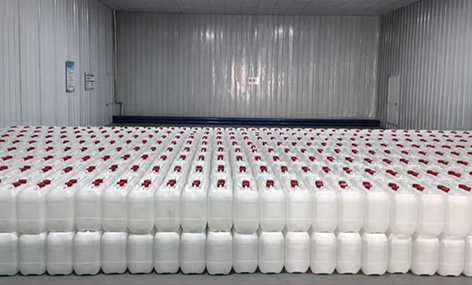
Figure 4: Secure and compliant packaging for bulk Glacial Acetic Acid transport.
Conclusion
The strategic procurement of food-grade glacial acetic acid requires a deep understanding of its technical specifications, market dynamics, and supplier capabilities. Its critical role in food preservation, pharmaceutical synthesis, and a myriad of industrial chemical processes underscores the importance of unwavering quality and a reliable supply chain. By prioritizing suppliers who demonstrate expertise, rigorous quality control, and a commitment to customer support, businesses can ensure consistent performance, compliance, and ultimately, the success of their end products. For high-purity glacial acetic acid for sale, an informed decision translates directly into operational excellence and market advantage.
References
- Food Chemicals Codex (FCC) Monograph on Acetic Acid, Glacial. U.S. Pharmacopeial Convention.
- United States Pharmacopeia (USP) Monograph on Acetic Acid, Glacial. U.S. Pharmacopeial Convention.
- European Pharmacopoeia (Ph. Eur.) Monograph on Acetic Acid, Glacial. European Directorate for the Quality of Medicines & HealthCare (EDQM).
- NFPA 704 Standard for the Identification of Hazards of Materials for Emergency Response. National Fire Protection Association.
- Kirk-Othmer Encyclopedia of Chemical Technology, Acetic Acid. John Wiley & Sons.
- Chemical Economics Handbook, Acetic Acid. IHS Markit.
-
Industrial Applications and Properties of 75 acetic acid Solution
NewsApr.16,2026
-
Properties and Industrial Applications of 64 19 7 acetic acid
NewsApr.09,2026
-
Comprehensive Guide to 56 Acetic Acid Applications and Reliable Sourcing
NewsApr.07,2026
-
Comprehensive Guide to 5 Glacial Acetic Acid for International Trade and Industrial Applications
NewsApr.04,2026
-
Exploring 100 Acetic Acid Properties Applications and Reliable Sourcing
NewsMar.31,2026
-
Comprehensive Guide to 10 Glacial Acetic Acid Properties and Applications
NewsMar.28,2026
 English
  Belarusian
  Dutch
Dutch  French
  German
  Hindi
Hindi  Indonesian
  Japanese
  Korean
  Lao
Lao  Malay
Malay  Mongolian
  Myanmar
  Polish
  Portuguese
  Russian
  Spanish
  Tagalog
  Thai
Thai  Vietnamese