
Dec . 03, 2025 13:40 Back to list
Comprehensive Guide to Glacial Acetic Acid Properties and Industrial Applications
Understanding Glacial Acetic Acid Properties: Why It Matters Globally
Glacial acetic acid might sound like something out of a chemistry lab, but its properties have profound significance worldwide. From chemical manufacturing to food preservation, this substance quietly plays a vital role in multiple industries. Knowing its properties isn’t just about academic curiosity; it impacts economies, safety standards, and environmental policies globally. Frankly, without understanding these properties, we’d struggle to harness glacial acetic acid’s full potential or handle it safely.
Introduction: The Global Relevance of Glacial Acetic Acid Properties
In 2023 alone, global production of acetic acid reached over 20 million metric tons, reflecting its essential status in chemical and industrial sectors. According to the International Organization for Standardization (ISO) and United Nations trade data, this growth is driven primarily by demand in Asia-Pacific and North America. However, challenges remain. For example, improper handling due to a lack of knowledge about its specific properties has led to safety incidents and material degradation in storage.
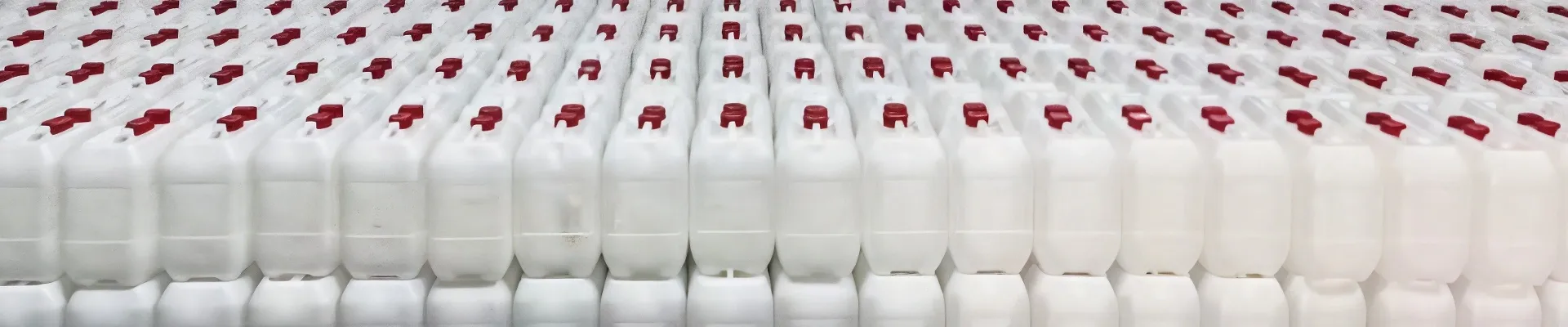
This illustration shows why glacial acetic acid properties are more than just chemistry jargon—they’re a cornerstone for innovation, safety, and sustainability globally.
Defining Glacial Acetic Acid Properties
Simply put, glacial acetic acid is a concentrated form of acetic acid (over 99% purity). It’s called “glacial” because it solidifies just below room temperature, forming ice-like crystals. Its primary properties include a sharp vinegar smell, corrosiveness, miscibility with water and many organic solvents, and a relatively high boiling point of 118°C. These characteristics affect how it’s stored, transported, and used.
Industrially, it serves as a raw material for producing vinyl acetate monomer, acetic anhydride, and cellulose acetate, essential for manufacturing plastics and synthetic fibers. Humanitarian-wise, its antimicrobial properties also enable uses in disinfection and preservation in certain contexts.
Key Factors Behind Glacial Acetic Acid Properties
1. Purity and Concentration
The industrial-grade glacial acetic acid maintains purity levels above 99%. This specificity ensures consistent chemical reactions and predictable material behavior in applications like pharmaceuticals or textile production.
2. Volatility and Vapor Pressure
Its moderately high vapor pressure requires airtight containment to prevent harmful vapor emissions, impacting worker safety and environmental regulations compliance.
3. Corrosiveness
Handling demands corrosion-resistant vessels—glass, certain plastics, metals with protective coatings—because glacial acetic acid can rapidly deteriorate standard materials.
4. Solubility
Completely miscible with water and polar solvents, but less so with hydrocarbons, this aspect guides its formulation in producing paints, adhesives, and solvents where blending behavior matters.
5. Thermal Properties
Its freezing point near 16.6°C means cold-weather logistics often struggle, requiring temperature control to avoid crystallization that could clog pipes or damage containers.
Glacial Acetic Acid Properties: Quick Product Specifications
| Property | Value | Notes |
|---|---|---|
| Purity | ≥ 99% | Industrial Grade |
| Molecular Formula | CH3COOH | Standard Chemical |
| Boiling Point | 118 °C | At atmospheric pressure |
| Freezing Point | 16.6 °C | Forms “glacial” crystals below this |
| Density | 1.05 g/cm³ | At 20 °C |
| pH (100% solution) | ~2.4 | Acidic strength |
Global Applications and Use Cases
Glacial acetic acid intersects with numerous sectors globally. In Asia, it underpins the booming textile and plastic fiber industries. In Europe, it’s critical in pharmaceuticals and food additives. North American manufacturers utilize its chemical properties in vinegar production and even biodegradable plastics development.
For a concrete example, during post-disaster recovery efforts, chemical companies use it for quick synthesis of cleaning agents that sanitize water and surfaces. Oddly enough, even certain artisanal food producers swear by its purity for signature flavors in pickling.
Here’s where you might spot its influence:
- Textile manufacturing hubs (India, China, Bangladesh)
- Pharmaceuticals production centers (Germany, USA, Japan)
- Food processing industries worldwide
- Industrial solvent and paint manufacturing
Vendor Comparison: Top Glacial Acetic Acid Suppliers (2024)
| Supplier | Purity (%) | Price (USD/ton) | Shipping Regions | Certifications |
|---|---|---|---|---|
| Acme Chemicals | 99.85 | 1,300 | Global | ISO 9001, REACH |
| Global Chem Corp. | 99.5 | 1,250 | Asia-Pacific, EMEA | ISO 14001 |
| PureChem Ltd. | 99.9 | 1,400 | North America, EU | ISO 9001, FDA |
Advantages & Long-Term Value of Glacial Acetic Acid Properties
Digging into the benefits, one can appreciate the cost efficiency glacial acetic acid offers due to its high reactivity and purity. It allows manufacturers to execute precise chemical syntheses, minimizing waste and energy consumption. It’s also a sustainable alternative compared to some harsh chemical substitutes, reducing environmental burdens.
On a human level, ensuring purity and safe handling translates into better workplace safety and community health outcomes. Knowing these properties means fewer accidents, longer-lasting equipment, and products you can trust. It fosters innovation, too — bioplastic developers and green chemists continually rely on well-characterized acetic acid properties to craft next-generation materials.
Future Trends & Innovations
Looking ahead, green energy efforts are pushing producers to adopt bio-based sourcing of acetic acid, which dramatically lowers the carbon footprint. Digital transformation within chemical plants introduces real-time sensors monitoring purity and vapor levels to avert hazards. Robotics helps with safer handling and packaging in hazardous environments.
One exciting frontier is integrating glacial acetic acid into bio-refineries that convert biomass to biofuels and fine chemicals in a circular economy framework. This is not just about production efficiency but aligns with stringent environmental policies globally — zero harmful emissions, maximum reuse.
Challenges & Solutions
Despite its utility, glacial acetic acid poses challenges—corrosiveness demands costly storage materials, and temperature sensitivity complicates shipping logistics. Spillage risks and hazardous vapor inhalation are also persistent safety issues.
Emerging solutions include advanced polymer liners for tanks, vapor recovery systems, and improved worker training modules powered by augmented reality. Many factories now implement closed-loop recycling for acetic acid streams to reduce waste and exposure risks substantially.
FAQ: Frequently Asked Questions About Glacial Acetic Acid Properties
- What are the key safety precautions when handling glacial acetic acid?
- Always use corrosion-resistant gloves and goggles, store in ventilated cool areas away from heat, and ensure airtight containers to prevent vapor leaks. Proper training for emergency spill response is critical as vapors and skin contact can cause severe burns.
- How does temperature affect the storage of glacial acetic acid?
- Since it freezes at around 16.6°C, storage in cooler climates requires temperature control to avoid crystallization, which can block pipelines and damage containers. Insulation and controlled heating may be necessary for cold regions.
- Is glacial acetic acid environmentally friendly?
- It’s biodegradable and less toxic than many industrial chemicals, but improper disposal can harm aquatic life due to acidity. Advances in bio-based production and recycling are making it increasingly sustainable.
- Can glacial acetic acid be used in food processing?
- Yes, but only food-grade quality with strict purity standards is used for food applications like vinegar production or as a preservative. Industrial-grade acid should never be used in food contexts.
Conclusion
In real terms, understanding glacial acetic acid properties unlocks safer practices, efficient manufacturing, and sustainable innovation globally. It’s a small molecule with broad influence—empowering industries, communities, and researchers alike. If you’re eager to dive deeper or source quality glacial acetic acid, visit our website: https://www.ysxlglacialaceticacid.com.
Mini takeaway: Glacial acetic acid’s properties are the foundation for its versatility—from industrial processes to emerging green tech—and mastering these helps us build a safer, cleaner future.
References
-
Industrial Applications and Properties of 75 acetic acid Solution
NewsApr.16,2026
-
Properties and Industrial Applications of 64 19 7 acetic acid
NewsApr.09,2026
-
Comprehensive Guide to 56 Acetic Acid Applications and Reliable Sourcing
NewsApr.07,2026
-
Comprehensive Guide to 5 Glacial Acetic Acid for International Trade and Industrial Applications
NewsApr.04,2026
-
Exploring 100 Acetic Acid Properties Applications and Reliable Sourcing
NewsMar.31,2026
-
Comprehensive Guide to 10 Glacial Acetic Acid Properties and Applications
NewsMar.28,2026
 English
  Belarusian
  Dutch
Dutch  French
  German
  Hindi
Hindi  Indonesian
  Japanese
  Korean
  Lao
Lao  Malay
Malay  Mongolian
  Myanmar
  Polish
  Portuguese
  Russian
  Spanish
  Tagalog
  Thai
Thai  Vietnamese