
Dec . 02, 2025 06:00 Back to list
Comprehensive Guide to Glacial Acetic Acid Formula – Industrial Uses & Benefits
Understanding the Glacial Acetic Acid Formula: Its Global Importance and Industrial Value
Glacial acetic acid formula—CH3COOH—is a simple chemical expression but carries enormous weight in industries worldwide. This compound, known chemically as pure acetic acid in its anhydrous liquid state, is far from just a lab curiosity. Frankly, its wide-ranging applications—from manufacturing to pharmaceuticals—make it a cornerstone chemical globally. Understanding its formula and functionality opens doors to appreciating how essential chemical building blocks support our modern conveniences and vital humanitarian efforts.
Introduction: The Global Context of Glacial Acetic Acid
Today, the global chemical industry relies heavily on acetic acid, with glacial acetic acid serving as the concentrated, pure form. According to data from the UNIDO and other international bodies, production of acetic acid worldwide exceeds 10 million metric tons annually. This sheer volume underscores its global economic and environmental significance.
One key challenge facing industries is sourcing high-purity chemicals sustainably. The “glacial” form, known for its high concentration and freezing point of around 16.7°C, faces strict handling and transport regulations, especially in developing regions. Understanding the glacial acetic acid formula helps industries navigate these challenges while optimizing production and applications.
What Exactly Is the Glacial Acetic Acid Formula?
Simply put, the glacial acetic acid formula CH3COOH represents acetic acid in a pure, concentrated state, free from water dilution. The name “glacial” comes from its ability to solidify into ice-like crystals just below room temperature. This compound is a weak acid, naturally responsible for the sour taste in vinegar but in a much more potent and pure form used commercially.
Its relevance stretches beyond the lab: being a key raw material in producing vinyl acetate monomer (a precursor for many plastics), synthetic fibers, and solvents. It also plays a role in humanitarian settings, for example, in medical antiseptics or pharmaceutical formulations where high purity is paramount.
Key Factors in Glacial Acetic Acid Usage
1. Purity and Concentration
Purity levels of about 99.7% or higher separate glacial acetic acid from diluted varieties. High purity is critical for industries relying on consistent chemical reactions or sensitive formulations. For instance, pharmaceutical manufacturers cannot compromise on this.
2. Corrosiveness and Safety
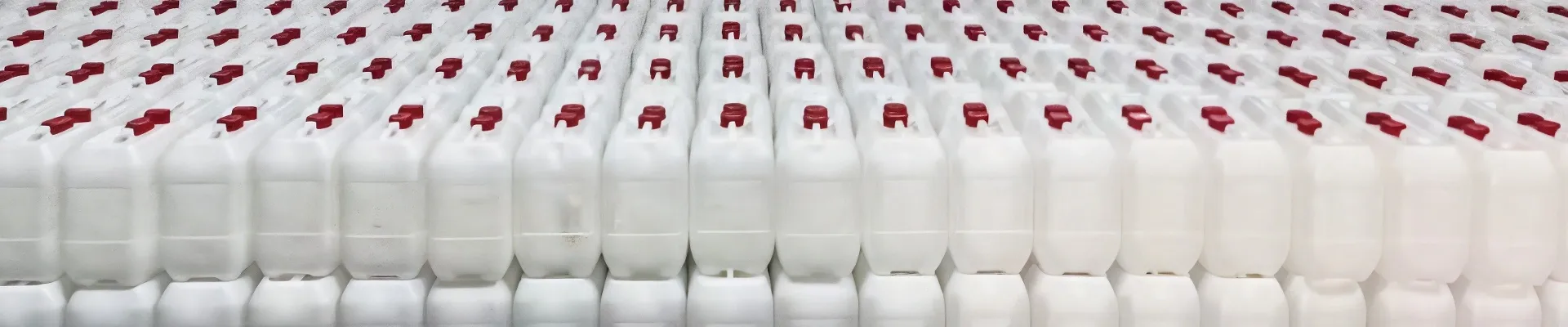
Being a corrosive chemical, glacial acetic acid demands careful handling protocols. Personal protective equipment (PPE) and specialized storage containers are standard. This affects cost and logistics but is essential to ensure worker safety and environmental protection.
3. Solubility and Versatility
This compound dissolves well in water, ethanol, and various organic solvents, making it a versatile candidate in chemical synthesis and industrial processing. That flexibility extends its use from laboratories to large-scale chemical manufacturing plants worldwide.
4. Supply Chain and Transportation
Because it solidifies near room temperature, transporting glacial acetic acid requires temperature monitoring. This affects regions with variable climates, posing logistical challenges but also providing opportunities for innovation in packaging and cold chain management.
5. Environmental Impact
Though biodegradable, improper disposal of glacial acetic acid can damage ecosystems due to its acidity. Sustainable production methods, including bio-based acetic acid fermentation, are emerging to address this impact.
Global Applications and Practical Use Cases
- Textile Industry: Used in dyeing and finishing fabrics, especially in Asia and Europe, where textile manufacturing is a backbone.
- Food Industry: As a preservative and flavoring agent, acetic acid supports food safety and global supply chains.
- Pharmaceutical Production: Vital for synthesizing various medicines, mainly in North America and Europe.
- Post-Disaster Relief: In medical antiseptics and sterilization protocols, where portable doses of pure acetic acid improve sanitation.
- Plastic Manufacturing: Integral to producing vinyl acetate for adhesives and paints, underscoring its industrial ubiquity.
An example: In remote industrial zones of Africa, access to high-purity glacial acetic acid has enabled local production of antiseptics, reducing dependency on costly imports while fostering public health resilience.
Product Specification: Typical Glacial Acetic Acid
| Specification | Typical Value |
|---|---|
| Chemical Formula | CH3COOH |
| Purity | ≥ 99.7% |
| Appearance | Colorless liquid or crystalline solid |
| Freezing Point | 16.7 °C (62 °F) |
| Density (20°C) | 1.05 g/cm³ |
| Boiling Point | 118.1 °C |
Mini takeaway: Knowing the exact glacial acetic acid formula and key specs helps industries ensure quality and safety in both production and application.
Vendor Comparison: Leading Suppliers of Glacial Acetic Acid
| Vendor | Purity (%) | Global Reach | Price Range (USD/ton) | Sustainability Practices |
|---|---|---|---|---|
| Acme Chemicals | 99.8 | Global (100+ countries) | 1200 - 1400 | ISO 14001 certified, bio-based options |
| GlobalChem Corp | 99.7 | North America, Europe | 1100 - 1300 | Focus on green manufacturing |
| EastChem Industries | 99.9 | Asia-Pacific | 1000 - 1250 | Investment in sustainable sourcing |
Advantages and Long-term Benefits
Glacial acetic acid offers reliable purity and versatility, which translates into consistent product quality and safer industrial processes. Companies benefit from its cost efficiency since concentrated acid means less volume shipped per application. On the sustainability front, biotechnological advances now enable fermentative acetic acid production, which reduces carbon footprints significantly.
From an emotional standpoint, workers and consumers alike gain confidence knowing the chemical they work with supports products that are safe, functional, and environmentally conscious. It’s innovation serving trust, safety, and dignity.
Future Trends and Innovations
Looking forward, green chemistry initiatives aim to replace petroleum-derived acetic acid with more sustainable bio-based alternatives. Digital transformation in chemical manufacturing is improving real-time monitoring of purity and emission controls. Automation further streamlines processes, minimizing human error in handling such a corrosive substance.
Emerging policies internationally emphasize circular economy principles, pushing manufacturers to recycle and reuse acetic acid streams, highlighting a promising road ahead.
Challenges and Solutions
Handling and transporting glacial acetic acid safely remains a challenge due to its corrosive nature and freezing point just below room temperature. Explosive risks and environmental concerns require robust storage and transport protocols.
Experts recommend investing in smart packaging materials resistant to corrosion and integrating IoT sensors to monitor storage temperature and leakage in real time.
Frequently Asked Questions About Glacial Acetic Acid Formula
- Q1: What is the difference between glacial acetic acid and regular acetic acid?
- A1: Glacial acetic acid is nearly 100% pure acetic acid, while regular acetic acid is diluted, typically around 5-20%, like vinegar. The glacial form is used industrially due to its higher concentration and reactivity.
- Q2: How should glacial acetic acid be stored to avoid solidification?
- A2: Because glacial acetic acid freezes at about 16.7°C, it should be stored in temperature-controlled environments above this to maintain its liquid state and avoid handling issues.
- Q3: Are there eco-friendly alternatives to traditional glacial acetic acid?
- A3: Yes, bio-based acetic acid produced through fermentation offers a sustainable alternative, reducing reliance on fossil fuels and decreasing environmental impact.
- Q4: Can glacial acetic acid be safely transported internationally?
- A4: With proper packaging, labeling, and adherence to hazardous material transport regulations, it can be safely shipped globally, though cold climates require additional considerations.
Conclusion
Understanding the glacial acetic acid formula means appreciating a chemical vital to global industry, innovation, and even humanitarian aid. Its clarity, purity, and adaptability pave the way for safer, more sustainable chemical usage worldwide. To explore more about glacial acetic acid and its myriad applications, visit our website for comprehensive resources and expert guidance.
It’s intriguing how such a simple formula encapsulates so much — from cutting-edge green chemistry to antiseptics in disaster zones. Chemistry’s humble heroes, I suppose.
References:
-
Industrial Applications and Properties of 75 acetic acid Solution
NewsApr.16,2026
-
Properties and Industrial Applications of 64 19 7 acetic acid
NewsApr.09,2026
-
Comprehensive Guide to 56 Acetic Acid Applications and Reliable Sourcing
NewsApr.07,2026
-
Comprehensive Guide to 5 Glacial Acetic Acid for International Trade and Industrial Applications
NewsApr.04,2026
-
Exploring 100 Acetic Acid Properties Applications and Reliable Sourcing
NewsMar.31,2026
-
Comprehensive Guide to 10 Glacial Acetic Acid Properties and Applications
NewsMar.28,2026
 English
  Belarusian
  Dutch
Dutch  French
  German
  Hindi
Hindi  Indonesian
  Japanese
  Korean
  Lao
Lao  Malay
Malay  Mongolian
  Myanmar
  Polish
  Portuguese
  Russian
  Spanish
  Tagalog
  Thai
Thai  Vietnamese