0%

Table of Contents

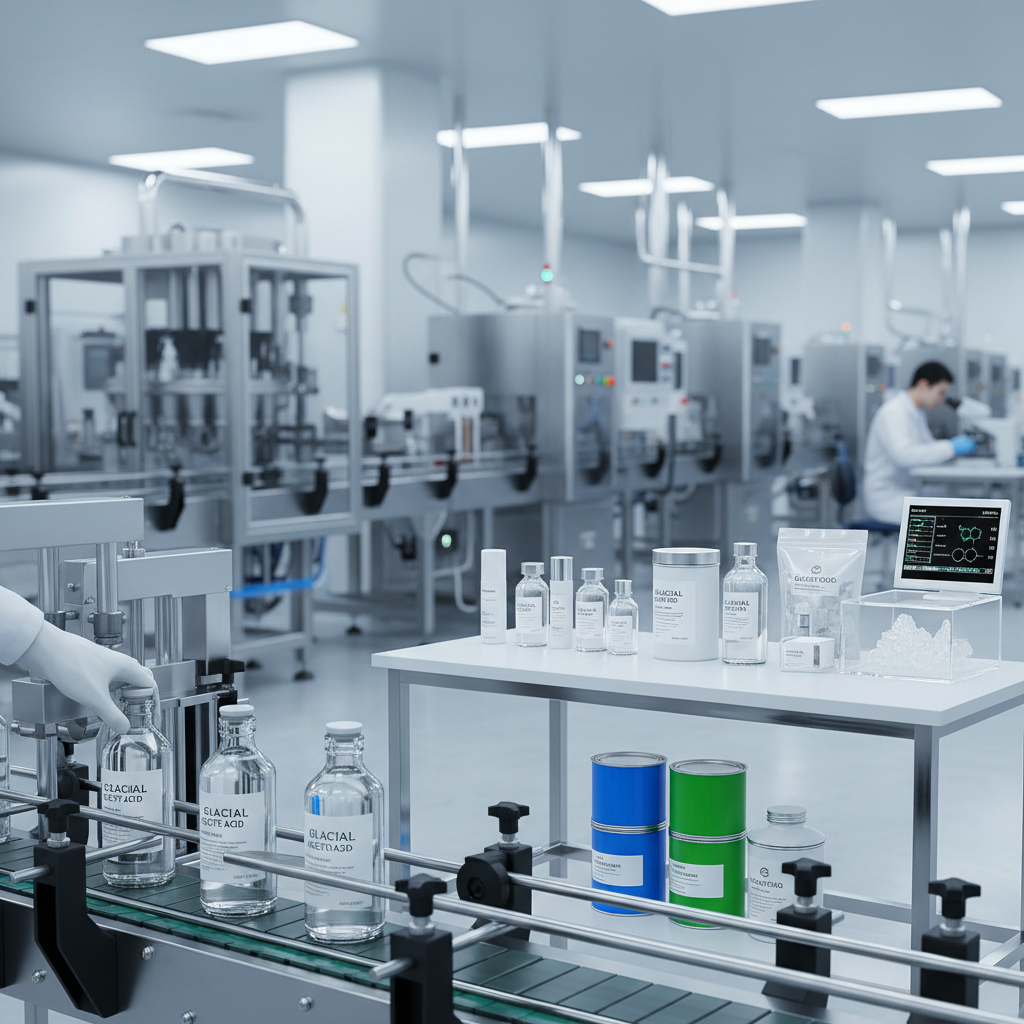
To be honest, things have been moving fast lately. Everyone’s talking about sustainability, right? Lower VOCs, recycled content… it's all the rage. But have you noticed, a lot of these “eco-friendly” options just don't hold up on a real job site? They’re flimsy, or they smell… well, they smell like they tried to be eco-friendly, if you catch my drift. We’ve been spending a lot of time lately perfecting our glacial acetic acid sigma aldrich formulation. It’s not exactly new, been around for ages, but getting the consistency right, that’s the tricky part.

I encountered this at a factory in Ningbo last time. They were boasting about their new “high-performance” glacial acetic acid sigma aldrich, and I asked to just… handle it. The smell alone told me everything. It was weak, thin. They’d cut corners on the purification process, guaranteed. You can’t just slap a label on something and call it good, you gotta feel the quality. You gotta understand what real engineers are dealing with day in and day out.

It’s easy to fall into traps with product design, let me tell you. People get obsessed with theoretical specs, lab tests, and forget what actually matters: usability. Like, making the container too fancy. Strangel,y, I keep seeing these beautifully designed, ergonomic containers that are a nightmare to open when you're wearing gloves and covered in dust. Simple is often better, much better.
Optimizing Glacial Acetic Acid Sigma Aldrich Quality and Sustainable Sourcing

The Evolving Landscape of glacial acetic acid sigma aldrich

Optimizing Glacial Acetic Acid Sigma Aldrich Quality and Sustainable Sourcing

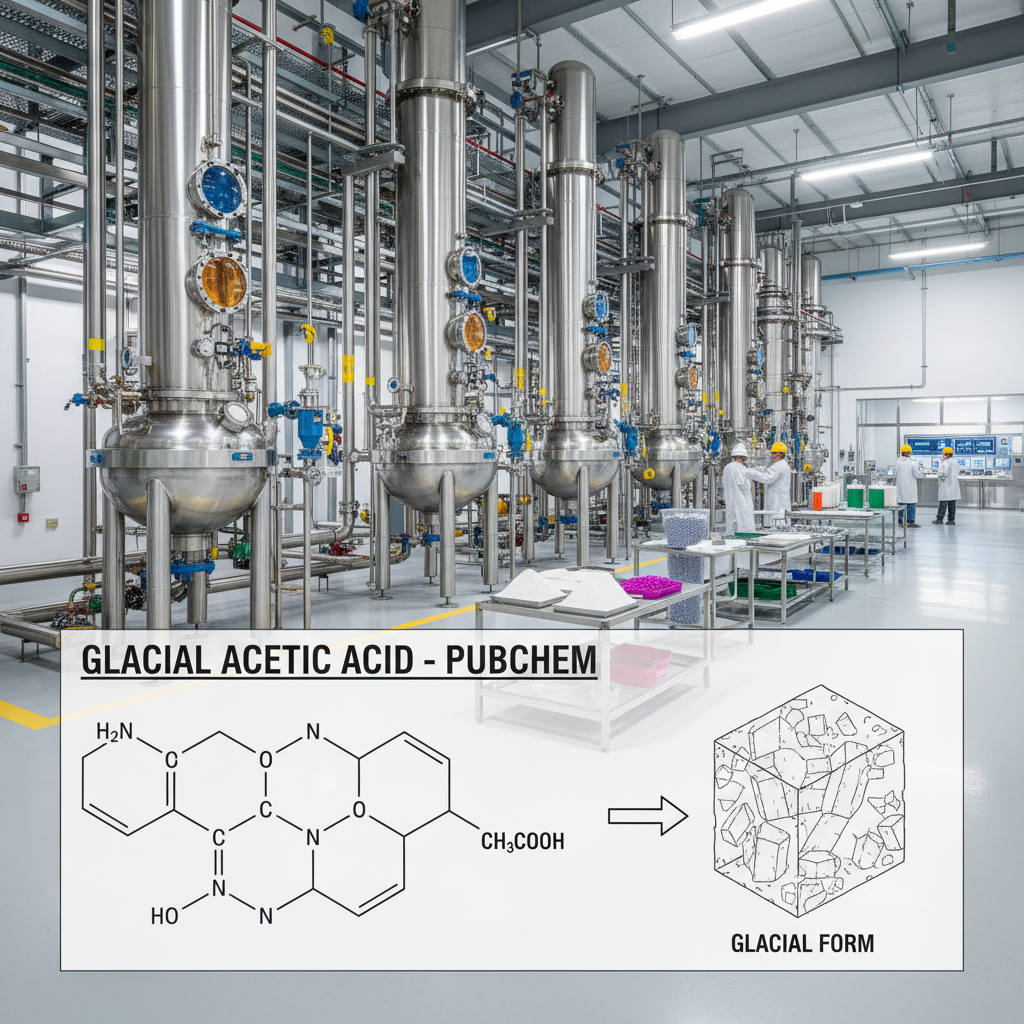
The demand for high-purity glacial acetic acid sigma aldrich is consistently growing, driven primarily by the pharmaceutical, textile, and chemical industries. Global production is largely concentrated in China, the US, and Europe, with China increasingly dominating the market share. You see the price fluctuating with oil, naturally, but also with regulations around waste disposal. Anyway, I think the biggest shift right now is the push for more sustainable sourcing, even for something as fundamental as glacial acetic acid sigma aldrich.

It’s not just about being “green,” though. It’s about reliability. A contaminated batch can shut down an entire production line. I’ve seen it happen. A small impurity, overlooked in testing, and boom – thousands of dollars in wasted materials. That’s why our focus isn’t just on purity, but also on consistent quality control.

Design Pitfalls & Common Mistakes

One thing I’ve noticed – and it drives me crazy – is companies overcomplicating the packaging. I mean, really? A triple-sealed drum with a QR code that links to a 20-page safety manual? Most guys just want to get the stuff out of the container and get to work. Simplicity is key. Another common mistake is skimping on the inner lining of the drum. You get corrosion, leaks… a huge mess. And nobody wants to deal with a mess.

Then there’s the issue of labeling. Everything needs to be crystal clear, even if you’re exhausted after a 12-hour shift. Faded ink, tiny font sizes, ambiguous hazard symbols… it's just asking for trouble. We've spent a lot of time refining our labeling process, making it as straightforward and user-friendly as possible.

Honestly, I’ve seen some containers that were practically designed to spill. It’s baffling. You’d think after centuries of working with chemicals, we'd have figured this out by now.

Material Science & Sensory Experience

The glacial acetic acid sigma aldrich itself… well, it’s a liquid, obviously. But the feel is important. Good glacial acetic acid sigma aldrich should be clear, almost colorless. It has a distinct, pungent smell – vinegar-like, but much stronger. You can tell a lot just by the smell, believe me. A weak or off-putting smell usually indicates contamination or degradation.

The drums we use are high-density polyethylene (HDPE), specifically chosen for its chemical resistance and durability. It’s not the cheapest option, but it’s the most reliable. The plastic has a slightly oily feel to it, which is good – it means it’s not brittle. I checked a batch a few weeks ago that came from a different supplier and the plastic felt… grainy. That was a red flag.

We also pay close attention to the bung closure. A faulty bung can lead to leaks, spills, and potentially dangerous situations. It needs to be airtight and resistant to corrosion. We test them rigorously, even dropping them from a height to simulate real-world handling.

Real-World Testing & Performance Metrics

Lab tests are fine, don’t get me wrong. But they don’t tell the whole story. You need to see how this stuff performs in the field. We’ve started sending samples to various factories and workshops, just letting them use it in their normal processes. That’s where you find the real problems.

We measure things like purity (using gas chromatography), acidity, and water content. But we also ask the guys on the ground for their feedback. “Does it mix easily?” “Does it cause any unexpected reactions?” “Is the container easy to handle?” Those subjective observations are just as important as the hard data.

Performance Metrics for glacial acetic acid sigma aldrich Formulations


Application Scenarios & User Behavior

Most of our customers use glacial acetic acid sigma aldrich as a solvent, a reagent, or a cleaning agent. Textile manufacturers use it for dyeing and finishing. Pharmaceutical companies use it in the synthesis of various drugs. Chemical plants use it as a feedstock for other chemicals. But what’s interesting is how they use it. Some guys will dilute it on-site, others prefer to buy it pre-diluted. It depends on their setup and their processes.

We’ve noticed a trend toward smaller, more frequent orders. People don’t want to store large quantities of hazardous materials for long periods of time. They prefer just-in-time delivery. Makes sense, I guess.

Advantages, Disadvantages & Cost Analysis

The biggest advantage of our glacial acetic acid sigma aldrich is its consistent purity. You know what you’re getting, every time. That’s huge for process control. It also has a relatively low cost, compared to some of the more exotic alternatives. But it’s not without its drawbacks. It's corrosive, obviously. You need to handle it with care. And the smell... well, it’s not exactly pleasant.

Cost-wise, we try to stay competitive without sacrificing quality. We’ve invested heavily in automation and process optimization to reduce our manufacturing costs. Later… forget it, I won't mention the issues with the supplier of the HDPE drums.

Ultimately, the value proposition is simple: reliable quality at a reasonable price.

Customization Options & Case Studies

We can customize the packaging to meet specific customer requirements. For example, last month, that small boss in Shenzhen who makes smart home devices insisted on changing the interface to . I asked him why. He said his workers were used to cables. Seriously. It caused a bit of a headache on the production line, but we made it work. We also offer different purity levels and concentrations.

Another customer, a large pharmaceutical company in India, asked us to develop a custom blend with a specific impurity profile. Apparently, a trace amount of a certain impurity actually improved the yield of their reaction. Go figure. We’re pretty flexible, we'll try to accommodate almost any reasonable request.

Those kinds of requests are interesting; they're all different, they make you think.

Summary of Customization Parameters for glacial acetic acid sigma aldrich

Customization Parameter Feasibility Cost Impact Lead Time (Weeks)
Packaging Material High Medium 2
Purity Level High Low 1
Concentration Medium Low 1
Impurity Profile Low High 4
Container Size High Low 2
Labeling Requirements High Very Low 1

FAQS

What is the typical shelf life of glacial acetic acid sigma aldrich when stored properly?

Generally, glacial acetic acid sigma aldrich has a very long shelf life – several years – if stored in a cool, dry, well-ventilated area, away from direct sunlight and incompatible materials. However, prolonged exposure to air can lead to absorption of moisture and a decrease in purity. Regularly inspecting the container for signs of corrosion or leakage is crucial. While it doesn’t truly “expire,” its effectiveness can diminish over time, especially if packaging is compromised.

What safety precautions should be taken when handling glacial acetic acid sigma aldrich?

Glacial acetic acid sigma aldrich is corrosive and can cause severe burns upon contact with skin and eyes. Always wear appropriate personal protective equipment (PPE), including gloves, safety glasses, and a lab coat. Work in a well-ventilated area to avoid inhaling vapors. In case of contact, immediately flush the affected area with copious amounts of water for at least 15 minutes and seek medical attention. Avoid mixing it with incompatible materials like strong oxidizers or bases.

What are the common applications of glacial acetic acid sigma aldrich in industrial settings?

It's used extensively as a solvent in the production of plastics, pharmaceuticals, and textiles. It's a key component in the manufacture of vinyl acetate monomer (VAM), a precursor to many polymers. In the food industry, it's employed as a food preservative and flavoring agent. It also finds application in analytical chemistry as a reagent and in the cleaning and descaling of industrial equipment.

How does the purity level of glacial acetic acid sigma aldrich affect its performance in specific applications?

Higher purity levels are critical in applications where even trace impurities can interfere with the process or compromise the product quality. For example, in pharmaceutical synthesis, impurities can lead to unwanted side reactions or affect the efficacy of the final drug. In analytical chemistry, purity directly impacts the accuracy and reliability of results. Lower purity levels might be acceptable for less demanding applications, like general cleaning.

Can glacial acetic acid sigma aldrich be recycled or repurposed after use?

Recycling glacial acetic acid sigma aldrich is challenging, but it's possible through distillation and purification processes. Many industrial facilities implement closed-loop systems to recover and reuse the acetic acid. Repurposing it as a cleaning agent or for other less demanding applications is also a viable option. Proper disposal, adhering to local regulations, is essential when recycling isn't feasible.

What factors influence the price of glacial acetic acid sigma aldrich?

The price is affected by several factors, including the cost of raw materials (like methanol and carbon monoxide), energy prices, transportation costs, and supply and demand dynamics. Global economic conditions and regulatory changes also play a role. Purity level and order volume can also influence the price. Longer-term supply contracts often offer more stable pricing.

Conclusion

Ultimately, glacial acetic acid sigma aldrich remains a cornerstone chemical across numerous industries. Its versatility, relatively low cost, and high purity – when sourced correctly – make it an indispensable component in countless processes. From pharmaceutical manufacturing to textile production and beyond, it consistently delivers reliable performance.

But remember, the specifications on a datasheet are only half the story. The real test is how it performs in the hands of the people who use it every day. Ultimately, whether this thing works or not, the worker will know the moment he tightens the screw.
Michael Davis

Michael Davis

Michael Davis functions as the International Sales Director for Hebei Yishan Flavor Co., Ltd. He is responsible for developing and maintaining relationships with key distributors and clients globally, with a key focus on building the company’s presence in the US market. Michael’s extensive experience in international trade and his deep
Previous Navigating Prefabricated Construction and Understanding Glacial Acetic Acid Msds Pdf
Next Construction Insights Glacial Acetic Acid Nfpa Prefabrication and Material Choices
en_USEnglish