

Feb . 28, 2026 02:10 Back to list
Understanding the Hazards Associated with Using Glacial Acetic Acid for Safe Handling
What are the Hazards Associated with Using Glacial Acetic Acid?
Glacial acetic acid, a concentrated form of acetic acid, is a versatile chemical used across numerous industries, including pharmaceuticals, textiles, and food processing. However, its powerful properties also present significant hazards that require careful handling and strict safety protocols. Understanding these dangers is crucial for anyone working with this substance to prevent accidents and protect health. This article delves into the specific hazards associated with glacial acetic acid, detailing safety precautions and best practices for its use. Proper knowledge and adherence to safety guidelines are paramount when working with potentially corrosive chemicals like glacial acetic acid.

Corrosive Effects: Skin, Eye, and Respiratory Tract Damage
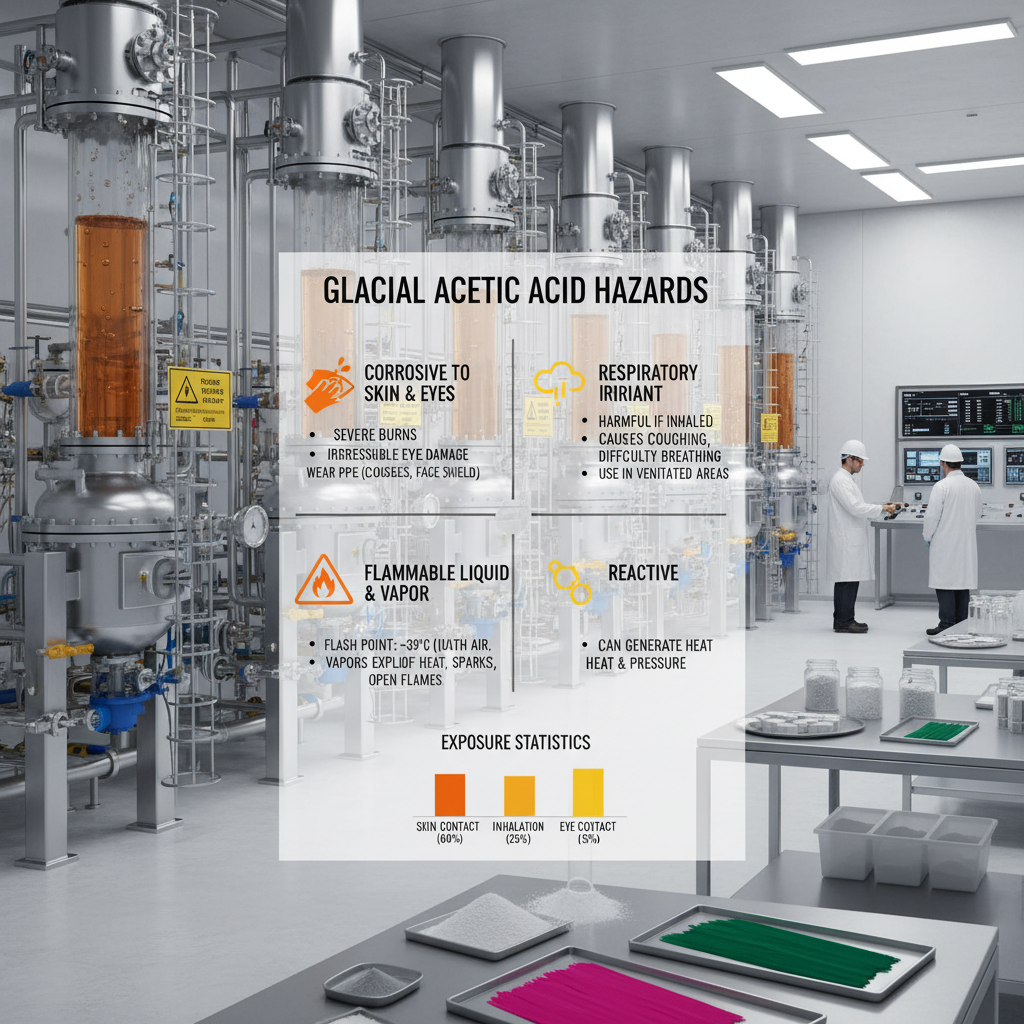
The most prominent hazard of glacial acetic acid is its highly corrosive nature. Contact with skin can cause severe burns, ranging from redness and irritation to blistering and deep tissue damage. Eye contact is even more dangerous, potentially leading to permanent vision loss. Inhalation of acetic acid vapors can irritate the respiratory tract, causing coughing, shortness of breath, and pulmonary edema. The severity of the damage depends on the concentration of the acid, the duration of exposure, and the promptness of treatment. Always wear appropriate personal protective equipment (PPE) when handling glacial acetic acid, including gloves, safety goggles, and a respirator if ventilation is inadequate. YSXL Glacial Acetic Acid provides comprehensive safety data sheets (SDS) outlining these hazards.
Key Hazards: Severe burns upon skin contact; potential for permanent vision loss with eye contact; respiratory irritation and potential pulmonary edema from vapor inhalation.
Fire and Explosion Risks Associated with Glacial Acetic Acid
While not highly flammable itself, glacial acetic acid can increase the flammability of combustible materials. It has a flash point of 40°C (104°F), meaning it can release flammable vapors at relatively low temperatures. These vapors can form explosive mixtures with air. Furthermore, glacial acetic acid can react violently with certain materials, such as strong oxidizers, chromates, and alkali metals, potentially leading to fire or explosions. Proper storage away from incompatible substances and sources of ignition is crucial. Ensure adequate ventilation in areas where glacial acetic acid is used to prevent the build-up of flammable vapors. Fire extinguishers suitable for chemical fires (Class B) should be readily available.
Flammability Considerations:
• Flash point of 40°C (104°F)
• Forms explosive mixtures with air
• Reacts violently with oxidizers and alkali metals
What are the Health Hazards Associated with Glacial Acetic Acid?
Beyond immediate burns, chronic exposure to even low levels of glacial acetic acid vapors can lead to several health problems. These include chronic bronchitis, erosion of teeth, and dermatitis. Repeated skin contact, even if it doesn't result in immediate burns, can cause sensitization, leading to allergic reactions. Ingestion of glacial acetic acid is extremely dangerous and can cause severe internal damage, including esophageal perforation and gastrointestinal distress. Strict adherence to safety protocols, including proper ventilation and PPE, is vital to minimize long-term health risks. Regular health monitoring of workers exposed to glacial acetic acid is recommended.
Glacial Acetic Acid: Environmental Hazards & Safe Disposal
Glacial acetic acid can be harmful to aquatic life. Releasing it into the environment, even in diluted form, can lower the pH of water bodies, impacting aquatic ecosystems. Proper disposal methods are crucial. Never pour glacial acetic acid down the drain or into waterways. It should be neutralized with a suitable base (e.g., sodium bicarbonate) and disposed of according to local and national regulations. Spills should be contained immediately to prevent environmental contamination. Refer to the YSXL Glacial Acetic Acid SDS for detailed environmental information and disposal guidelines.
A Comparison of Acetic Acid Concentrations and their Hazards
The hazard level of acetic acid is directly related to its concentration. While household vinegar typically contains 5-8% acetic acid and poses minimal risk, glacial acetic acid, with a concentration of 99-100%, is significantly more dangerous. The table below highlights the key differences and associated hazards:
Conclusion: Prioritizing Safety When Working with Glacial Acetic Acid
Working with glacial acetic acid demands a thorough understanding of its hazards and strict adherence to safety protocols. From corrosive effects to fire risks and environmental concerns, the potential dangers are significant. By implementing proper handling procedures, utilizing appropriate PPE, and ensuring adequate ventilation, you can minimize the risks and protect yourself and your environment. Always consult the SDS for detailed safety information and follow all local and national regulations regarding the use and disposal of this powerful chemical.
Frequently Asked Questions (FAQs)
What should I do if glacial acetic acid comes into contact with my skin?
Immediate action is crucial. Quickly flush the affected area with copious amounts of water for at least 30 minutes. Remove any contaminated clothing while flushing. Seek immediate medical attention, even if the burn appears minor. Do not attempt to neutralize the acid with a base, as this can generate heat and worsen the injury. Ensure medical personnel are aware of the substance involved – glacial acetic acid – to ensure appropriate treatment. It's also important to report the incident according to your workplace safety procedures.
What type of personal protective equipment (PPE) is necessary when handling glacial acetic acid?
At a minimum, you should wear chemical-resistant gloves (e.g., nitrile or butyl rubber), safety goggles with side shields, and a chemical-resistant apron or suit. If there is a risk of vapor inhalation, a respirator equipped with an acid gas cartridge is essential. Ensure the PPE is properly fitted and in good condition. Regularly inspect PPE for damage and replace it as needed. Consult the SDS for specific recommendations regarding appropriate PPE for your application.
How should glacial acetic acid be stored to minimize risks?
Glacial acetic acid should be stored in a cool, dry, well-ventilated area away from incompatible materials, such as oxidizers, chromates, and alkali metals. The storage area should be protected from direct sunlight and sources of ignition. Containers should be tightly closed and clearly labeled. Secondary containment, such as a spill pallet, is recommended to contain any leaks or spills. Ensure the storage area complies with all applicable local and national regulations.
-
Industrial Applications and Properties of 75 acetic acid Solution
NewsApr.16,2026
-
Properties and Industrial Applications of 64 19 7 acetic acid
NewsApr.09,2026
-
Comprehensive Guide to 56 Acetic Acid Applications and Reliable Sourcing
NewsApr.07,2026
-
Comprehensive Guide to 5 Glacial Acetic Acid for International Trade and Industrial Applications
NewsApr.04,2026
-
Exploring 100 Acetic Acid Properties Applications and Reliable Sourcing
NewsMar.31,2026
-
Comprehensive Guide to 10 Glacial Acetic Acid Properties and Applications
NewsMar.28,2026
 English
  Belarusian
  Dutch
Dutch  French
  German
  Hindi
Hindi  Indonesian
  Japanese
  Korean
  Lao
Lao  Malay
Malay  Mongolian
  Myanmar
  Polish
  Portuguese
  Russian
  Spanish
  Tagalog
  Thai
Thai  Vietnamese