
Nov . 29, 2025 14:40 Back to list
Acetic Acid 500ml – Essential Guide to Uses, Benefits & Suppliers
Why Acetic Acid 500ml Still Matters Globally (And How It Surprises You)
If you’ve ever glanced at cleaning labels, dabbed at a stubborn stain, or even peeked into a chemistry set, you already know acetic acid in some form. But why focus on the humble acetic acid 500ml bottle? Oddly enough, this tiny volume packs a punch in industries ranging from food production to pharmaceuticals and even environmental tech. Worldwide, millions of tonnes of acetic acid move through supply chains every year, and the 500ml container size strikes a neat balance—practical enough for labs, small businesses, and even humanitarian kits. Understanding this product isn’t just for chemists or manufacturers; it’s a glimpse into global trade flows, sustainability challenges, and innovation in packaging and transport. Plus, knowing the nuances behind this common chemical can save costs, improve safety, or even inspire greener alternatives down the road. Let’s dig into what makes this “small” bottle so significant.The Global Context: Why Acetic Acid 500ml is More Than Just Chemistry
On a worldwide scale, acetic acid sits at the crossroads of countless essential processes. According to the International Organization for Standardization (ISO), global production approaches 20 million tonnes annually, with significant growth driven by bioplastics, food additives, and pharmaceutical precursors. The typical 500ml bottle caters especially well to quality control labs, universities, and small-scale industrial units that need reliable, consistent concentrations without fussing over larger, bulkier shipments. However, challenges persist: volatile transportation regulations, environmental concerns, and ensuring consistent product quality during shipping. A study by the United Nations Industrial Development Organization (UNIDO) highlights how smaller container sizes, like the 500ml bottle, reduce spill risks and waste, hence possibly lowering environmental footprints — especially when recycled properly. In fact, many small industries worldwide find the 500ml format invaluable for both safety and convenience. It neatly solves the dilemma between bulk buying and the risks or costs of overstocking chemicals that degrade or require special storage.What Exactly is Acetic Acid 500ml?
Simply put, acetic acid 500ml refers to a half-liter container filled with glacial acetic acid, usually at concentrations around 99-100%. This clear, pungent liquid is a carboxylic acid (ethanoic acid) with the formula CH3COOH. The “glacial” term means it solidifies just below room temperature, often resembling ice crystals — quite satisfying to see if you’re into chemistry curiosities. Beyond the bottle size, acetic acid is vital as a reagent, a vinegar ingredient, a solvent, and a building block for organic synthesis. The 500ml dosage is favored for its ease of handling and portability. Labs, manufacturers, and even artisans opt for this size when they want controlled, manageable quantities without committing to large capital outlays or logistic headaches. Essentially, it bridges the gap between precision and practicality.Key Features of Acetic Acid 500ml
- Purity and Concentration: Typically 99-100% pure, making it suitable for analytical chemistry and high-precision applications.
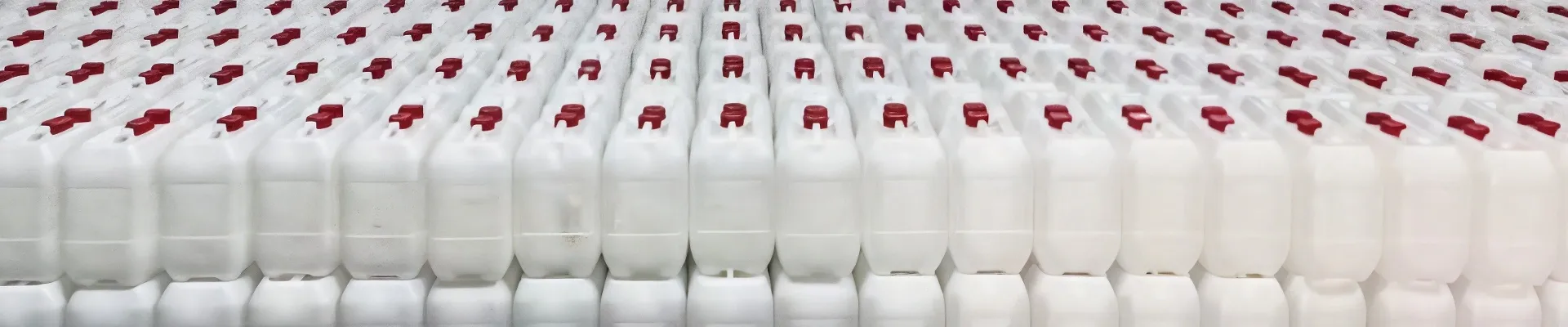
- Packaging Safety: Made of chemical-resistant, sealed HDPE or glass bottles that prevent leaks or degradation.
- Portability: 500ml is a convenient volume for labs and small businesses to store, use, and reorder efficiently.
- Versatility: Functional for food grade uses (diluted), lab reagents, industrial cleaning agents, and more.
Practical Takeaway:
That manageable bottle size doesn’t just happen by accident; it’s a balancing act between usability, safety, and global regulation compliance.
How Acetic Acid 500ml Serves Worldwide Industries & Communities
Let’s consider some scenarios that feel surprisingly down-to-earth:- Food Industry: Small-scale fermenters and vinegar producers often buy in 500ml quantities because it fits batch sizes without waste or overstock.
- Pharmaceuticals and Laboratories: Chemistry students, researchers, and compounding pharmacies need exact amounts—acetic acid 500ml bottles are perfect for controlled experimentation and formulation.
- Cleaning & Environmental Applications: Many sanitation suppliers pack acetic acid in 500ml bottles for effective, eco-friendlier cleaning solutions used in both urban and rural settings.
- Disaster Relief and Remote Zones: Emergency kits sometimes include small bottles of acetic acid for water treatment or disinfecting because they’re easy to transport and use safely.
Mini Summary:
Small, but mighty: The 500ml bottle acts like a Trojan horse, enabling access to safe, effective acetic acid uses everywhere from local food crafts to global pharma research.
The Benefits & Lasting Value of Choosing Acetic Acid in 500ml Bottles
People often overlook how packaging size influences cost, sustainability, and trustworthiness. Here are some concrete advantages of opting for 500ml containers:- Safety: Less risk during transportation and storage compared to bulk containers that need specialized handling.
- Reduced Waste: Smaller sizes encourage just-in-time ordering, lowering expired or degraded stocks.
- Cost Efficiency: Ideal for startups or smaller operations that can’t tie up cash in large quantities.
- Environmental Impact: Easier to recycle or reuse bottles; lower potential for spills harming ecosystems.
- Innovation Catalyst: Easier experimentation for researchers and makers drives new ideas without huge upfront investments.
What’s Next? Future Trends Surrounding Acetic Acid 500ml
The chemical industry is not what it was a decade ago. Green chemistry aims to replace traditional fossil fuel sources with biobased feedstocks, and acetic acid is a prime candidate here. Expect to see “bio-acetic acid” versions in the 500ml size emerge, combining sustainability with the trusted packaging format. Some labs are also adopting IoT-enabled smart bottles for inventory monitoring — you might soon tap your phone to check concentration levels or reorder automatically. Moreover, regulations tighten on safety labeling, pushing producers toward clearer, multilingual packaging in that handy 500ml range — a small change that can massively improve global compliance.Facing Challenges: Overcoming Supply Chain & Safety Issues
Despite many perks, challenges exist. The corrosive nature of acetic acid demands sturdy containers, which sometimes pushes costs up. Logistics firms struggle with hazmat classifications especially for mid-size volumes, and counterfeit or mislabeled products can slip into markets with lax oversight. Innovators offer solutions: tamper-evident seals, certification-linked QR codes, and reinforced packaging materials help. Plus, educational outreach on safe usage and storage is critical to reduce workplace incidents.Quick FAQs About Acetic Acid 500ml
- Q: Can I use acetic acid 500ml for household vinegar substitution?
- A: Not directly. Glacial acetic acid (usually in 500ml bottles) is very concentrated and corrosive. You must dilute it significantly before any food or household use.
- Q: How long does acetic acid in a 500ml bottle typically last once opened?
- A: Stored well—airtight, cool, and away from light—it can stay stable up to a year. Exposure to air can cause dilution and impurities over time.
- Q: Is 500ml the best size for academic labs?
- A: It’s ideal for small to mid-size labs needing frequent but manageable supply volumes without risking overstock or hazardous bulk storage.
- Q: How can small businesses order authentic 500ml acetic acid safely?
- A: Purchase from reputable vendors, check certifications, and ensure packaging meets legal requirements for transportation and storage.
Specification Table: Typical Acetic Acid 500ml Bottle
| Specification | Value |
|---|---|
| Concentration | ≥99.7% (Glacial Acetic Acid) |
| Volume | 500ml |
| Packaging Material | HDPE or Glass Bottle |
| Storage Conditions | Cool, dry, airtight, away from light |
| Shelf Life | 12-24 months unopened |
Vendor Comparison Table: Leading Acetic Acid 500ml Suppliers
| Vendor | Purity | Price per Bottle (USD) | Shipping Options | Certifications |
|---|---|---|---|---|
| ChemPure Ltd. | 99.9% | $12.50 | Express, Standard | ISO 9001, REACH |
| GlobalChem Traders | 99.7% | $11.80 | Standard only | GMP Certified |
| PureLab Supplies | 99.8% | $13.00 | Express, Economy | ISO 17025, REACH |
Wrapping Up: Why Acetic Acid 500ml Deserves Your Attention
The more I looked into acetic acid 500ml, the more it felt like a quiet enabler behind the scenes — a staple of both everyday processes and high-tech innovation. It balances safety, cost, and environmental needs, making it a smart pick for labs, industries, and even humanitarian responders. Plus, staying tuned to emerging bio-based raw materials and smarter packaging means this classic chemical won’t be boring anytime soon. For those interested in sourcing quality acetic acid 500ml, consider checking out trusted suppliers and further details at acetic acid 500ml. In the end, sometimes it’s the small bottles packed with potential that keep the wheels of progress rolling smoothly.References & Further Reading
Latest news
-
Industrial Applications and Properties of 75 acetic acid Solution
NewsApr.16,2026
-
Properties and Industrial Applications of 64 19 7 acetic acid
NewsApr.09,2026
-
Comprehensive Guide to 56 Acetic Acid Applications and Reliable Sourcing
NewsApr.07,2026
-
Comprehensive Guide to 5 Glacial Acetic Acid for International Trade and Industrial Applications
NewsApr.04,2026
-
Exploring 100 Acetic Acid Properties Applications and Reliable Sourcing
NewsMar.31,2026
-
Comprehensive Guide to 10 Glacial Acetic Acid Properties and Applications
NewsMar.28,2026
 English
  Belarusian
  Dutch
Dutch  French
  German
  Hindi
Hindi  Indonesian
  Japanese
  Korean
  Lao
Lao  Malay
Malay  Mongolian
  Myanmar
  Polish
  Portuguese
  Russian
  Spanish
  Tagalog
  Thai
Thai  Vietnamese