
Sep . 15, 2025 09:20 Back to list
Glacial Acetic Acid for Sale | High Purity Anhydrous
Understanding Food Grade Glacial Acetic Acid for Industrial Applications
In the realm of industrial chemistry and food processing, the demand for high-purity chemicals is paramount. glacial acetic acid for sale represents a critical raw material and additive, particularly when sourced as food grade. This comprehensive overview delves into its technical specifications, manufacturing processes, diverse applications, and the distinct advantages offered by reputable suppliers. As a cornerstone ingredient for various sectors, understanding the nuances of anhydrous acetic acid, its industry-specific standards like glacial acetic acid nfpa ratings, and market dynamics from leading glacial acetic acid suppliers is essential for B2B decision-makers seeking optimal solutions.
Our focus here is to provide an expert-level perspective on acquiring and utilizing food-grade glacial acetic acid, emphasizing the factors that contribute to product integrity, operational efficiency, and regulatory compliance. We will explore key industry trends, technical parameters, and practical application scenarios to aid procurement and engineering professionals in making informed strategic decisions.
Detailed Manufacturing Process of Glacial Acetic Acid
The production of food-grade glacial acetic acid for sale demands stringent control over raw materials and sophisticated manufacturing techniques to ensure exceptional purity. The predominant industrial method is methanol carbonylation, widely recognized for its efficiency and environmental advantages.
Process Flow: Methanol Carbonylation (Cativa Process Overview)
- 1. Raw Material Sourcing: High-purity methanol (CH₃OH) and carbon monoxide (CO) are critical. For food-grade applications, these precursors must meet specific impurity limits to prevent contamination.
- 2. Reaction Phase: Methanol and carbon monoxide are reacted in a liquid phase, typically in the presence of an iridium-based catalyst system (Cativa process) and promoters (e.g., ruthenium) at elevated temperatures (150-200 °C) and pressures (30-60 bar). This exothermic reaction yields acetic acid:
CH₃OH + CO → CH₃COOH. - 3. Flash Separation: The crude reaction product, containing acetic acid, unreacted methanol, catalyst, and by-products, is fed into a flash evaporator. Here, volatile components (acetic acid, water, unreacted methanol, methyl iodide) are separated from the heavier catalyst solution, which is recycled back to the reactor.
- 4. Light Ends Column: The vapor stream from the flash separator is distilled in a light ends column to remove low-boiling components like methyl iodide, which is also recycled.
- 5. Dehydration Column: A crucial step for achieving glacial acetic acid. The stream, now mostly acetic acid and water, undergoes azeotropic distillation. Water is removed, typically using an entrainer, to yield highly concentrated acetic acid.
- 6. Purification Column (Heavy Ends Removal): The dehydrated acetic acid is further refined in a purification column to remove high-boiling impurities (heavy ends), ensuring the final product meets the stringent purity requirements for food-grade specifications.
- 7. Quality Control & Packaging: The purified glacial acetic acid is subjected to rigorous testing against international standards (e.g., FCC, USP, E260, ISO 22000). Upon successful verification, it is packaged into specialized container111s suitable for corrosive chemicals and food contact applications.
Materials and Fabrication: Equipment involved in this process, especially reactors and distillation columns, are typically constructed from corrosion-resistant alloys such as Hastelloy B/C, Titanium, or specialized stainless steels (e.g., 316L) to withstand the highly corrosive nature of acetic acid, especially at elevated temperatures. Precision CNC machining is often employed for critical components to ensure optimal performance and longevity.
Testing Standards: Our food-grade glacial acetic acid adheres to comprehensive testing standards, including but not limited to:
- ISO 22000: Food Safety Management Systems.
- Food Chemicals Codex (FCC): International standards for purity and quality of food ingredients.
- United States Pharmacopeia (USP): For applications requiring pharmaceutical-grade purity.
- E260: European food additive specification.
- Internal quality control checks for assay, specific gravity, residue on evaporation, chloride, sulfate, heavy metals, and formic acid.
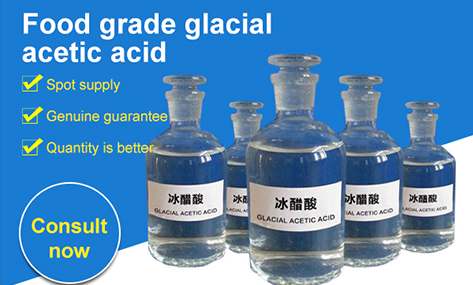
Figure 1: High-purity Food Grade Glacial Acetic Acid in storage.
Target Industries & Advantages: The rigorous manufacturing and testing protocols ensure a product with extended service life in terms of stability, and offers distinct advantages in target industries such as:
- Food & Beverage: As an acidity regulator (E260), preservative, and flavor enhancer. Our product's purity ensures no off-flavors or unwanted residues, contributing to energy saving in processing by optimizing reaction conditions.
- Pharmaceutical: Used as a solvent, reagent, or raw material in drug synthesis. High purity minimizes downstream purification costs.
- Chemical Synthesis: For the production of various acetates, cellulose acetate, and vinyl acetate monomer. Corrosion resistance of processing equipment is critical, and consistent product quality reduces plant wear.
- Textile Industry: As a dyeing auxiliary.
Industry Trends and Market Dynamics for Glacial Acetic Acid
The global market for glacial acetic acid for sale is dynamic, driven by increasing demand across several key sectors, evolving regulatory landscapes, and advancements in production technologies. Understanding these trends is crucial for businesses aiming to optimize their supply chain and product development strategies.
Key Industry Trends:
- Sustainable Production: There's a growing emphasis on green chemistry and sustainable manufacturing processes. Producers are investing in technologies that reduce energy consumption, minimize waste, and utilize renewable feedstocks. The Cativa process, for instance, is known for its high selectivity and efficiency, contributing to reduced environmental impact.
- Increased Demand in Food & Beverage: The expanding global population and changing dietary habits are fueling the demand for packaged foods, which often rely on glacial acetic acid as a preservative and flavor enhancer. This trend is particularly prominent in emerging economies.
- Pharmaceutical Sector Growth: As a crucial building block and solvent in pharmaceutical synthesis, the growth of the global pharmaceutical industry directly correlates with increased demand for high-purity anhydrous acetic acid. Rigorous quality standards in this sector push for the highest purity levels.
- Regulatory Scrutiny: Food-grade and pharmaceutical-grade acetic acid are subject to stringent regulatory oversight (e.g., FDA, EFSA, national food safety agencies). Compliance with these regulations is non-negotiable and requires robust quality assurance systems from glacial acetic acid suppliers.
- Price Volatility: The glacial acetic acid price is influenced by feedstock costs (methanol, carbon monoxide), energy prices, and supply-demand imbalances. Long-term supply agreements and strategic sourcing become vital for stable operations.
- Technological Advancements: Continuous improvement in catalyst technologies and separation processes aims to enhance yield, reduce operational costs, and further improve product purity.
These trends collectively shape the landscape for procuring and applying food-grade glacial acetic acid, necessitating a proactive approach to supplier selection and quality control.
Technical Specifications and Data Visualization
For B2B buyers and engineers, precise technical specifications are non-negotiable. Our food-grade glacial acetic acid for sale consistently meets or exceeds the most demanding industry standards. Below is a detailed table outlining key parameters.
Food Grade Glacial Acetic Acid Specifications
| Parameter | Unit | Food Grade Specification (FCC/E260) | Typical Analysis Result |
|---|---|---|---|
| Assay (CH₃COOH) | % w/w | ≥ 99.8 | 99.95 |
| Appearance | - | Clear, colorless liquid | Compliant |
| Specific Gravity (25/25 °C) | - | 1.048 - 1.052 | 1.049 |
| Freezing Point | °C | ≥ 16.2 | 16.6 |
| Residue on Evaporation | % w/w | ≤ 0.005 | 0.002 |
| Chloride (Cl) | ppm | ≤ 1 | < 0.5 |
| Sulfate (SO₄) | ppm | ≤ 1 | < 0.5 |
| Heavy Metals (as Pb) | ppm | ≤ 1 | < 0.1 |
| Formic Acid & Related Substances | % w/w | ≤ 0.05 | 0.02 |
| Iron (Fe) | ppm | ≤ 0.5 | < 0.1 |
NFPA Hazard Classification for Glacial Acetic Acid
Understanding the glacial acetic acid nfpa rating is critical for safe handling, storage, and emergency response in industrial settings. The NFPA 704 standard provides a quick, visual summary of potential hazards.
| NFPA Category | Rating (0-4) | Description |
|---|---|---|
| Health (Blue) | 2 | Moderately hazardous; temporary incapacitation or residual injury possible. Corrosive. |
| Flammability (Red) | 2 | Liquids that must be moderately heated or exposed to relatively high ambient temperatures before ignition can occur. Flashpoint between 37.8°C and 93.3°C (100°F and 200°F). |
| Instability (Yellow) | 0 | Normally stable, even under fire exposure conditions, and not reactive with water. |
| Special Hazards (White) | COR | Corrosive material (may cause severe injury). |
Note: The NFPA rating for anhydrous acetic acid underscores its corrosive nature and moderate flammability, requiring appropriate PPE and handling procedures.
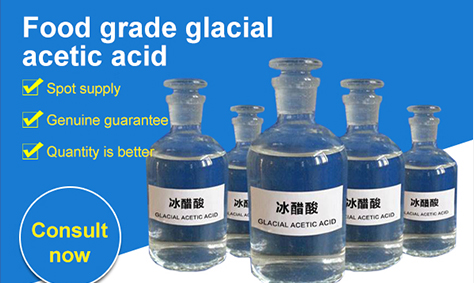
Figure 2: Quality control analysis of Glacial Acetic Acid batches.
Application Scenarios and Technical Advantages
The versatility of food-grade glacial acetic acid for sale makes it indispensable across a spectrum of industrial applications. Its purity and chemical properties offer distinct technical advantages that contribute to process efficiency and product quality.
Key Application Scenarios:
- Food & Beverage Industry:
- Acidity Regulator (E260): Essential in condiments like vinegar, pickles, and sauces, providing characteristic sourness and pH control.
- Preservative: Inhibits microbial growth in processed foods, extending shelf life without compromising taste or safety.
- Flavor Enhancer: Used in various food products to impart or enhance tart and sour notes.
- Pharmaceutical Industry:
- API Synthesis: A critical reactant or solvent in the production of Active Pharmaceutical Ingredients (APIs), ensuring high yields and purity.
- Buffer Solutions: Used in various pharmaceutical formulations and laboratory applications for pH control.
- Chemical Synthesis:
- Vinyl Acetate Monomer (VAM): Primary feedstock for VAM, which is then polymerized to produce polyvinyl acetate and ethylene-vinyl acetate polymers, used in adhesives, paints, and coatings.
- Acetate Esters: Used as solvents in paints, coatings, and inks (e.g., ethyl acetate, butyl acetate).
- Cellulose Acetate: Production of fibers (acetate rayon) and plastics (photographic film bases).
- Textile Industry:
- Dyeing Auxiliary: Used to adjust pH in dyeing baths, ensuring optimal dye uptake and color fastness.
Technical Advantages:
- Exceptional Purity: Our food-grade glacial acetic acid boasts minimal impurities, significantly reducing the risk of undesirable side reactions or contamination in sensitive applications like food processing and pharmaceuticals. This superior purity contributes to energy saving by eliminating the need for further purification steps downstream.
- Consistent Quality: Through advanced manufacturing processes and rigorous quality control, we ensure batch-to-batch consistency. This reliability minimizes process adjustments for manufacturers, leading to more stable operations and higher product yields.
- Optimized Reactivity: The anhydrous acetic acid form provides optimal reactivity for chemical synthesis, allowing for precise control over reaction kinetics and product formation.
- Corrosion Resistance in Usage: While acetic acid itself is corrosive, choosing the correct material for storage and handling (e.g., specific stainless steels or FRP linings) ensures a long service life for infrastructure. Our product's consistent composition helps prevent unexpected corrosive interactions compared to lower-grade alternatives.
- Regulatory Compliance: Our product's adherence to FCC, USP, and E260 standards simplifies regulatory approvals for end-users, reducing compliance costs and time-to-market for their products.
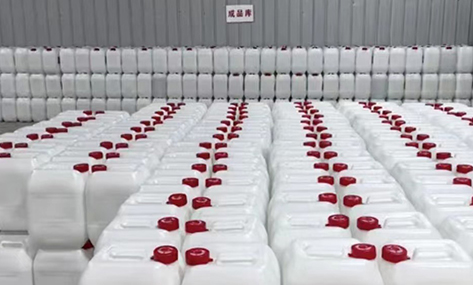
Figure 3: Glacial Acetic Acid being used in a food processing environment.
Vendor Comparison and Customized Solutions
Selecting the right supplier for food-grade glacial acetic acid for sale is a strategic decision that impacts product quality, operational costs, and supply chain reliability. A thorough evaluation of glacial acetic acid suppliers goes beyond just the glacial acetic acid price.
Supplier Comparison Matrix:
| Feature/Criterion | Leading Global Supplier (e.g., Celanese, LyondellBasell) | Regional Niche Supplier (Our Offering) | Commodity Trader/Broker |
|---|---|---|---|
| Product Purity (Assay % w/w) | Typically ≥ 99.8 | Consistently ≥ 99.9 | Varies, may be lower or inconsistent |
| Certifications & Compliance | ISO, REACH, often Kosher/Halal | ISO 9001, ISO 22000, FCC, E260, USP, Kosher, Halal | Basic certifications, less robust food/pharma grade |
| Customization Options | Limited for standard products, high MOQ | Flexible packaging, tailored purity for specific applications, custom blend capabilities | Minimal to none |
| Technical Support & Expertise | Global support network, R&D | Dedicated technical team, direct engineer-to-engineer consultation, rapid response | Often reliant on manufacturer's data sheets only |
| Lead Time & Logistics | Standard lead times, global shipping complexity | Optimized regional logistics, flexible delivery schedules, emergency stock options | Dependent on third-party inventory |
| Pricing Structure | Market-driven, volume discounts | Competitive, value-driven pricing with long-term contract benefits | Spot pricing, can be highly variable |
Customized Solutions:
Recognizing that every industrial application has unique requirements, we offer customized solutions for our food-grade glacial acetic acid for sale. This includes:
- Tailored Purity Specifications: For applications demanding even stricter impurity profiles (e.g., trace metal limits for specific catalysts), we can provide batch analysis and potentially enhanced purification processes.
- Flexible Packaging Options: From bulk ISO tanks and IBCs to drums and smaller specialized container111s, we can accommodate various delivery and storage needs, ensuring safe and efficient handling.
- Logistical Optimization: Working closely with clients, we develop optimized delivery schedules, manage buffer stock, and provide just-in-time (JIT) delivery solutions to minimize inventory costs and prevent production bottlenecks.
- Technical Consultation: Our team of experts provides in-depth technical support, assisting clients with process integration, safety protocols, and troubleshooting to maximize the performance of anhydrous acetic acid in their specific systems.
This commitment to customized solutions solidifies our position as a trusted partner among glacial acetic acid suppliers, offering not just a product, but a comprehensive service tailored to industrial client needs.
Application Case Studies and Customer Trust
Our dedication to quality, reliability, and customer service has forged strong partnerships across various industries. These case studies highlight the practical application and benefits of our food-grade glacial acetic acid for sale.
Case Study 1: Major Food & Beverage Manufacturer
A multinational beverage company required a consistent supply of ultra-high purity glacial acetic acid for their new line of flavored drinks. Previous glacial acetic acid suppliers had struggled with batch-to-batch variations, leading to occasional off-flavor notes and additional quality control costs.
- Solution Provided: We implemented a dedicated supply chain for their specific requirements, providing food-grade glacial acetic acid consistently testing at 99.95% purity with extremely low levels of trace metals and formic acid. We also provided bespoke packaging in 1,000L IBCs to integrate seamlessly with their automated dosing systems.
- Results & Customer Feedback: "The switch to [Your Company Name]'s glacial acetic acid has eliminated our flavor consistency issues. Their product purity is unmatched, and their technical support team helped us optimize our handling protocols. We've seen a measurable reduction in quality control rework and a more stable production line." - Head of Procurement, Global Beverage Co.
Case Study 2: Leading Pharmaceutical API Producer
A pharmaceutical company manufacturing a critical API faced challenges with residual solvents from their previous anhydrous acetic acid supply, impacting the final API purification yield and increasing production costs.
- Solution Provided: We supplied our USP-grade glacial acetic acid, which features exceptionally low residue on evaporation and minimal heavy metal content. Our technical team collaborated with their R&D department to fine-tune the solvent usage in their synthesis process.
- Results & Customer Feedback: "The ultra-low impurity profile of this glacial acetic acid significantly improved our API's purity. We've achieved higher yields and reduced downstream processing steps, translating to substantial cost savings and faster batch release. Their deep understanding of pharmaceutical requirements is invaluable." - R&D Director, Pharma Innovations Ltd.
Authoritativeness & Trustworthiness:
- Certifications: Our manufacturing facilities are ISO 9001:2015 certified for quality management and ISO 22000:2018 certified for food safety. Our product holds FCC (Food Chemicals Codex), USP (United States Pharmacopeia), E260, Kosher, and Halal certifications, providing comprehensive assurance for diverse market requirements.
- Partner Clients: We proudly serve a diverse portfolio of clients, ranging from Fortune 500 food manufacturers to specialized pharmaceutical producers, establishing our reputation as reliable glacial acetic acid suppliers.
- Years of Service: With over 15 years of experience in the chemical supply industry, our expertise in high-purity chemicals is well-established.
- Test Data & Analysis: Every batch of our glacial acetic acid for sale comes with a Certificate of Analysis (CoA) validating its adherence to stated specifications, backed by robust internal and third-party laboratory testing.
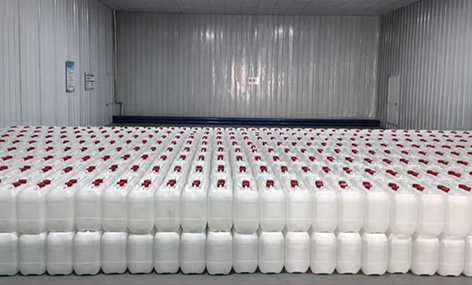
Figure 4: Secure and compliant packaging for industrial delivery.
Frequently Asked Questions (FAQ)
Q1: What defines "food-grade" glacial acetic acid?
A1: Food-grade glacial acetic acid adheres to stringent purity standards set by regulatory bodies like the Food Chemicals Codex (FCC), E260 in Europe, and potentially USP for applications overlapping with pharmaceuticals. This means extremely low levels of heavy metals, chlorides, sulfates, and other impurities that could be harmful or alter the sensory properties of food products.
Q2: What are the primary safety considerations when handling glacial acetic acid?
A2: As indicated by its glacial acetic acid nfpa rating, it is corrosive and moderately flammable. Personal protective equipment (PPE) including chemical-resistant gloves, eye protection, and protective clothing is essential. Proper ventilation is required, and it should be stored in corrosion-resistant container111s away from incompatible materials (e.g., strong oxidizers, bases).
Q3: How does your glacial acetic acid price compare to other glacial acetic acid suppliers?
A3: Our pricing strategy balances competitive market rates with the superior quality and comprehensive support we provide. While our unit price may reflect the enhanced purity and certifications, the total cost of ownership is often lower due to reduced quality control issues, consistent product performance, and reliable supply chain. We encourage direct consultation for tailored quotes.
Q4: Can you provide custom packaging or specific blend ratios?
A4: Yes, we specialize in customized solutions. We offer a range of packaging options from bulk shipments to specialized drums and can discuss specific blend requirements or purity adjustments for unique application needs. Our technical team is available to consult on your specific requirements.
Lead Time, Warranty, and Customer Support
Lead Time and Fulfillment:
We maintain robust inventory levels and efficient logistics networks to ensure timely delivery of our food-grade glacial acetic acid for sale. Standard lead times for common order volumes are typically 5-10 business days for regional deliveries, with expedited options available for urgent requirements. For large-volume or specialized orders, lead times will be confirmed at the time of quotation to ensure precision and reliability. We prioritize clear communication regarding order status and shipment tracking.
Warranty Commitments:
We stand behind the quality of our food-grade glacial acetic acid. All products are warranted to meet the specifications detailed in their respective Certificates of Analysis (CoA) at the time of shipment and remain stable under recommended storage conditions for a period of 24 months from the manufacturing date. Should any product fail to meet these warranted specifications, we commit to prompt investigation, replacement, or credit, in accordance with our standard terms and conditions. Our quality assurance team is dedicated to addressing any concerns with diligence and transparency.
Dedicated Customer Support:
Our commitment extends beyond product delivery to comprehensive post-sales support. Our dedicated customer service team is available to assist with order inquiries, technical documentation, safety data sheets (SDS), and general product information. For more intricate technical challenges or specific application guidance regarding anhydrous acetic acid, our team of chemical engineers and technical specialists is accessible for direct consultation, providing expert advice to optimize your processes and ensure safe handling.
Contact us today to discuss your requirements and experience the difference of partnering with a leading glacial acetic acid supplier committed to excellence.
References
- National Fire Protection Association (NFPA) 704: Standard System for the Identification of the Hazards of Materials for Emergency Response.
- Food Chemicals Codex (FCC), 12th Edition, U.S. Pharmacopeial Convention.
- United States Pharmacopeia (USP) - Glacial Acetic Acid Monograph.
- European Food Safety Authority (EFSA) - E260 (Acetic Acid) Scientific Opinion.
- Process Technology and Engineering of Acetic Acid Production (Cativa Process Overview) - Chemical Engineering Journal.
- International Organization for Standardization (ISO) 9001:2015 and ISO 22000:2018 Standards.
-
Industrial Applications and Properties of 75 acetic acid Solution
NewsApr.16,2026
-
Properties and Industrial Applications of 64 19 7 acetic acid
NewsApr.09,2026
-
Comprehensive Guide to 56 Acetic Acid Applications and Reliable Sourcing
NewsApr.07,2026
-
Comprehensive Guide to 5 Glacial Acetic Acid for International Trade and Industrial Applications
NewsApr.04,2026
-
Exploring 100 Acetic Acid Properties Applications and Reliable Sourcing
NewsMar.31,2026
-
Comprehensive Guide to 10 Glacial Acetic Acid Properties and Applications
NewsMar.28,2026
 English
  Belarusian
  Dutch
Dutch  French
  German
  Hindi
Hindi  Indonesian
  Japanese
  Korean
  Lao
Lao  Malay
Malay  Mongolian
  Myanmar
  Polish
  Portuguese
  Russian
  Spanish
  Tagalog
  Thai
Thai  Vietnamese