
Jan . 27, 2026 17:45 Back to list
A Comprehensive Guide on How to Prepare Glacial Acetic Acid Safely and Effectively
How to Prepare Glacial Acetic Acid
Glacial acetic acid, a highly concentrated form of acetic acid, is a crucial chemical in various industrial and laboratory applications. Its purity and concentration necessitate careful handling and, often, preparation. Understanding how to prepare glacial acetic acid properly is paramount for safety and achieving desired results. This article will guide you through the essential steps, safety precautions, and quality control measures involved in this process. Proper preparation ensures the acid meets the necessary specifications for its intended use, whether in pharmaceuticals, textiles, or chemical synthesis.
Understanding the Basics of Glacial Acetic Acid
Glacial acetic acid is essentially anhydrous acetic acid – meaning it contains very little water (typically less than 1%). It's called "glacial" because, when cooled below 16.6°C (62°F), it freezes into ice-like crystals. Its high acidity and corrosive nature demand strict adherence to safety protocols during handling and preparation. It's a clear, colorless liquid with a pungent, vinegar-like odor. It's important to recognize that even though it's commonly used, it’s not a household chemical and requires specialized knowledge and equipment for safe and effective preparation. Using the correct procedures and maintaining quality control are vital for ensuring the final product meets stringent industrial standards.
Key Considerations: Glacial acetic acid is highly corrosive and should be handled with extreme care. Always wear appropriate personal protective equipment (PPE) and work in a well-ventilated area.
Methods for Preparing Glacial Acetic Acid
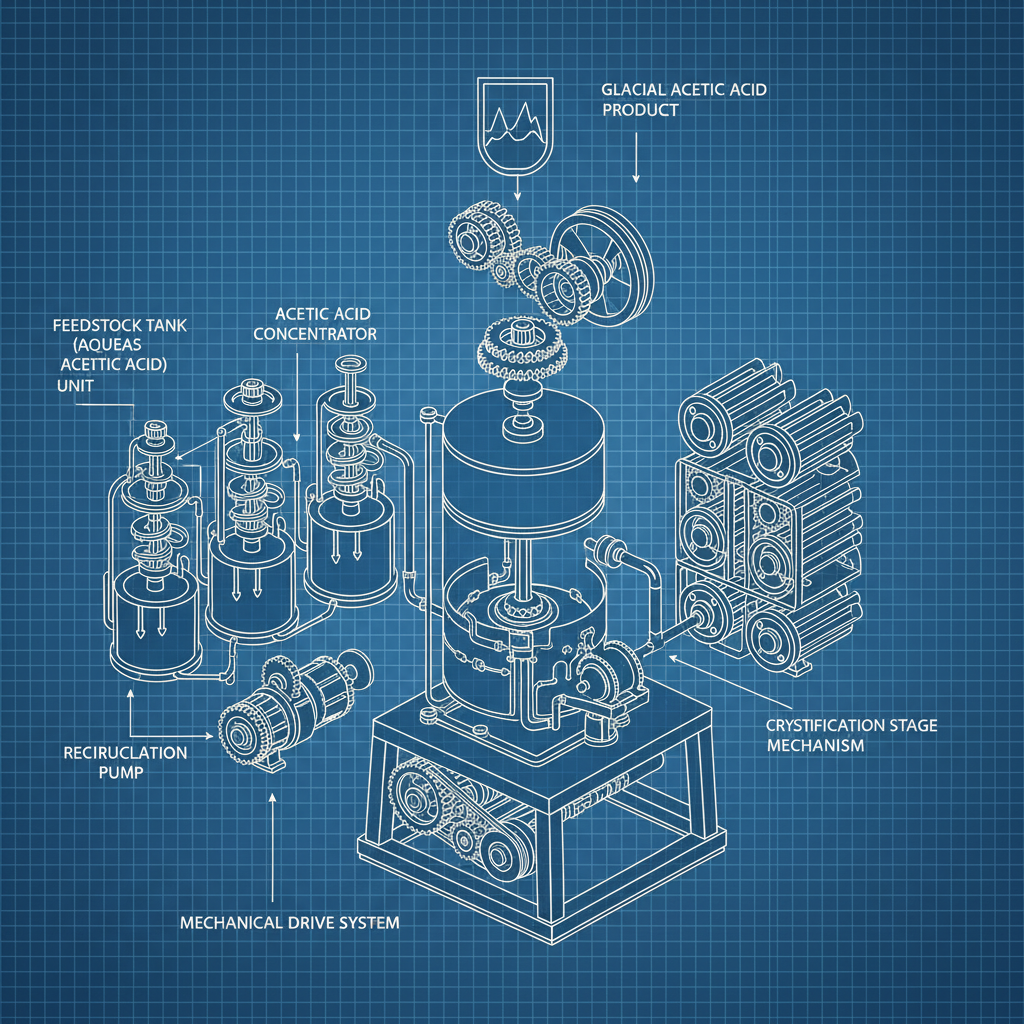
While glacial acetic acid is commercially available, certain applications require on-site preparation, typically from concentrated acetic acid solutions. The most common method involves azeotropic distillation. This process exploits the formation of an azeotrope – a mixture of two or more liquids that boils at a constant temperature and composition. In this case, acetic acid and water form an azeotrope that boils at approximately 117.9°C (244.2°F). By carefully controlling the distillation process, water can be removed to achieve the desired glacial concentration. Alternative methods, though less common, involve using drying agents to absorb water from concentrated acetic acid.
Azeotropic Distillation Steps:
• Feed concentrated acetic acid solution into a distillation column.
• Heat the mixture to boiling, allowing the azeotrope to vaporize.
• Condense the vapor and collect the distillate.
• Repeat the process until the desired concentration of acetic acid is reached.
Essential Equipment and Materials
Successfully preparing glacial acetic acid necessitates specific equipment and materials. A distillation column with a fractionating head is crucial for separating the acetic acid and water. A reliable heat source, such as a heating mantle or hot plate, is needed to control the distillation process. Accurate thermometers and a reflux condenser are also essential for monitoring temperature and preventing vapor loss. Furthermore, you'll require concentrated acetic acid as the starting material, along with appropriate glassware (beakers, flasks, condensers) made of borosilicate glass to withstand the corrosive nature of the acid. Always prioritize using equipment designed for chemical processes and in excellent working condition.
Safety Precautions When Handling Acetic Acid
Safety is paramount when working with glacial acetic acid. Always wear appropriate Personal Protective Equipment (PPE), including chemical-resistant gloves, a lab coat or apron, and safety goggles. Work in a well-ventilated area or use a fume hood to avoid inhaling the pungent vapors. Avoid contact with skin and eyes; in case of contact, immediately flush the affected area with copious amounts of water for at least 15 minutes and seek medical attention. Never add water to acid – always add acid to water slowly to prevent violent reactions. Keep a spill kit readily available and know the proper procedures for handling spills. Refer to the Safety Data Sheet (SDS) for detailed safety information.
Quality Control and Testing
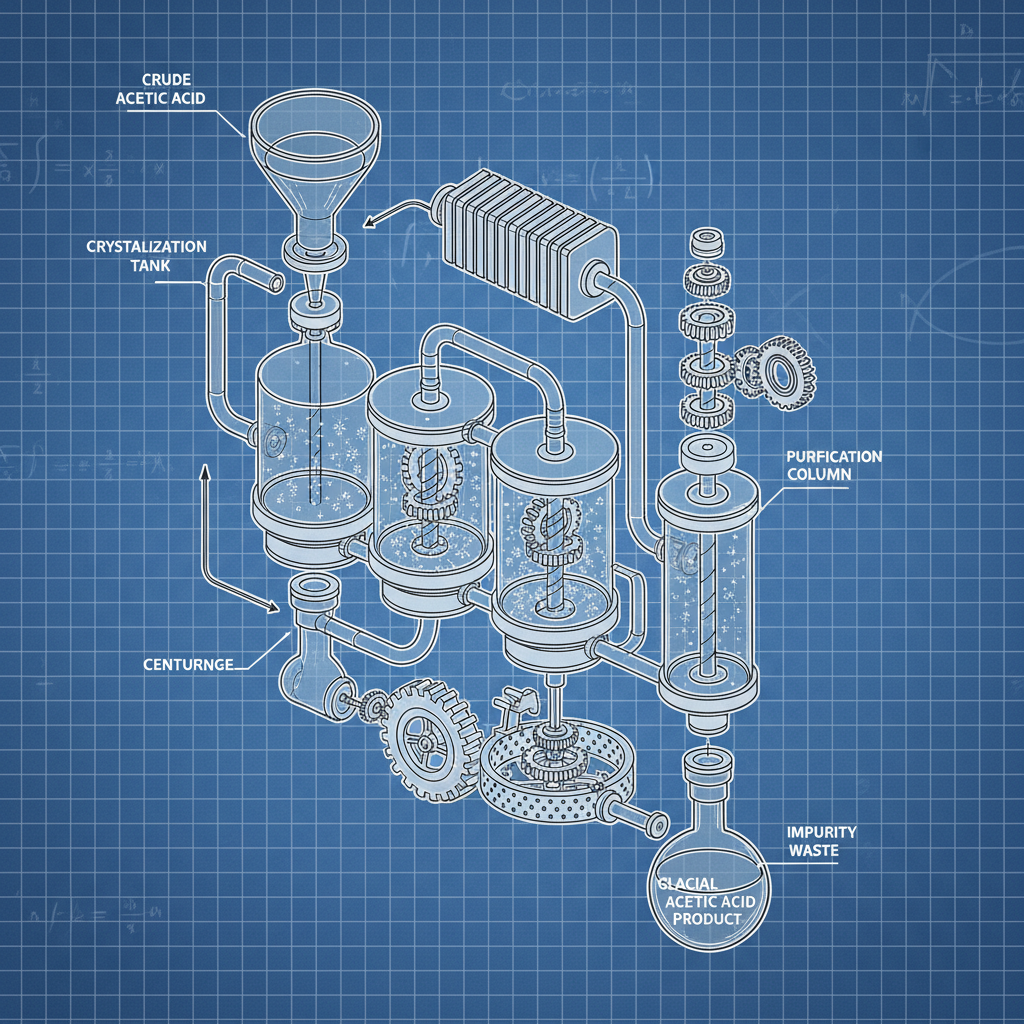
After preparation, verifying the purity and concentration of the glacial acetic acid is vital. Titration with a standardized base solution (e.g., sodium hydroxide) is a common method for determining the acid’s concentration. Refractive index measurements can also provide a quick assessment of purity. Gas chromatography (GC) can be used for more detailed analysis, identifying and quantifying any impurities present. Maintaining accurate records of the preparation process and quality control results is essential for traceability and ensuring consistent product quality. YSXL Glacial Acetic Acid offers consistent high purity and quality.
Conclusion: Prioritizing Safety and Quality
Preparing glacial acetic acid requires meticulous attention to detail, unwavering adherence to safety protocols, and rigorous quality control. By understanding the principles of azeotropic distillation, utilizing appropriate equipment, and implementing robust testing procedures, you can produce high-purity glacial acetic acid suitable for diverse industrial applications. If you require consistent quality and prefer to avoid the complexities of on-site preparation, sourcing from a reputable supplier like YSXL Glacial Acetic Acid is an excellent alternative.
Frequently Asked Questions (FAQs)
What is the primary safety concern when preparing glacial acetic acid?
The primary safety concern is the corrosive nature of glacial acetic acid. It can cause severe burns upon contact with skin and eyes, and inhalation of its vapors can irritate the respiratory system. Therefore, wearing appropriate PPE (chemical-resistant gloves, safety goggles, lab coat) and working in a well-ventilated area (preferably a fume hood) are absolutely essential. Understanding the SDS and being prepared for spills are also crucial components of safe preparation.
How long does azeotropic distillation typically take to prepare glacial acetic acid?
The duration of azeotropic distillation varies depending on the initial concentration of the acetic acid solution, the efficiency of the distillation column, and the desired purity. Generally, it can take anywhere from several hours to a full day to achieve glacial concentration. Monitoring the temperature and refractive index of the distillate throughout the process is crucial to determine when the desired purity has been reached. Patience and careful control are key to success.
What are the common impurities found in glacial acetic acid?
The most common impurity in glacial acetic acid is water. However, other impurities can include formic acid, acetaldehyde, and other organic compounds, depending on the source of the initial acetic acid solution. Gas chromatography (GC) is the preferred method for identifying and quantifying these impurities. Maintaining high purity is essential for many applications, so rigorous quality control is vital.
Can glacial acetic acid be prepared using drying agents instead of distillation?
Yes, glacial acetic acid can be prepared using drying agents such as molecular sieves or phosphorus pentoxide. However, this method is less common than azeotropic distillation because it can be challenging to achieve the same level of purity and remove all traces of the drying agent. Distillation is generally preferred for producing high-purity glacial acetic acid.
-
Industrial Applications and Properties of 75 acetic acid Solution
NewsApr.16,2026
-
Properties and Industrial Applications of 64 19 7 acetic acid
NewsApr.09,2026
-
Comprehensive Guide to 56 Acetic Acid Applications and Reliable Sourcing
NewsApr.07,2026
-
Comprehensive Guide to 5 Glacial Acetic Acid for International Trade and Industrial Applications
NewsApr.04,2026
-
Exploring 100 Acetic Acid Properties Applications and Reliable Sourcing
NewsMar.31,2026
-
Comprehensive Guide to 10 Glacial Acetic Acid Properties and Applications
NewsMar.28,2026
 English
  Belarusian
  Dutch
Dutch  French
  German
  Hindi
Hindi  Indonesian
  Japanese
  Korean
  Lao
Lao  Malay
Malay  Mongolian
  Myanmar
  Polish
  Portuguese
  Russian
  Spanish
  Tagalog
  Thai
Thai  Vietnamese