
Mar . 17, 2026 02:05 Back to list
Comprehensive Guide to Acetic Acid Edible Applications and Safety
Acetic Acid Edible: A Comprehensive Guide
Acetic acid, in its edible form, is a versatile ingredient with a long history of use in food preservation, flavoring, and processing. Widely known as vinegar when diluted, its applications span from culinary delights to industrial processes. This article provides an in-depth look at edible acetic acid, its production, uses, safety considerations, and why YSXL Glacial Acetic Acid is a trusted supplier for high-quality edible-grade acetic acid. Understanding the nuances of this compound is crucial for ensuring both product safety and optimal application in various industries.
What is Edible Acetic Acid?
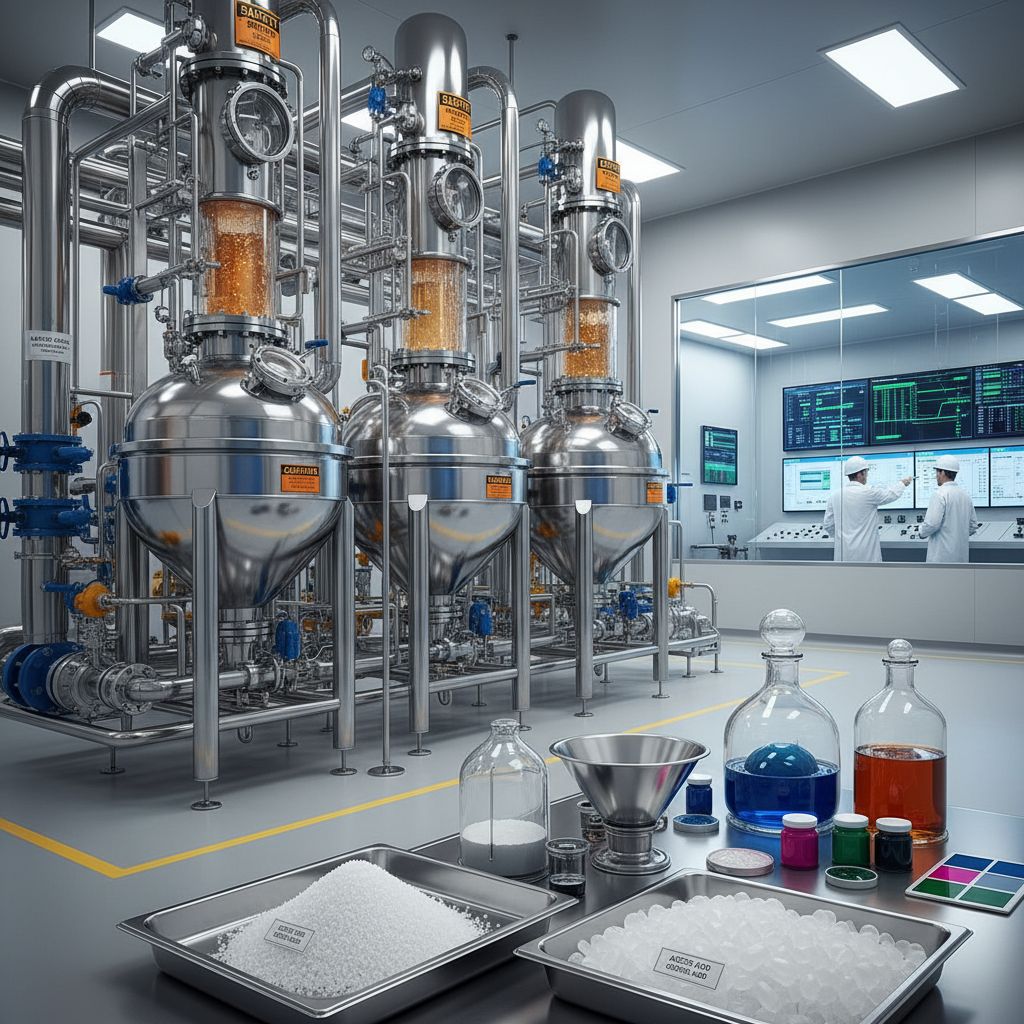
Edible acetic acid is a clear, colorless liquid with a characteristic pungent odor. It's a weak organic acid formed by the fermentation of ethanol by acetic acid bacteria. The concentration of acetic acid determines its use – diluted solutions (5-8%) are commonly known as vinegar, while more concentrated forms are used in industrial and food processing applications. The "edible" designation indicates that the acid meets specific purity standards and is safe for human consumption, free from harmful contaminants. YSXL Glacial Acetic Acid provides edible-grade acetic acid that consistently meets these stringent quality benchmarks.
Key Characteristics: Clear, colorless liquid; pungent odor; weak organic acid; fermentation product of ethanol; varying concentrations for different applications.
Applications of Acetic Acid in the Food Industry
The applications of acetic acid in the food industry are widespread. It’s a primary component in vinegar, used for pickling vegetables, flavoring sauces, and making salad dressings. Beyond vinegar, it acts as a preservative due to its antimicrobial properties, inhibiting the growth of spoilage bacteria. Acetic acid also plays a role in the production of certain cheeses, beverages, and baked goods. Its ability to control pH levels contributes to product stability and taste. Furthermore, it's used as a clarifying agent in winemaking and juice production. YSXL supplies acetic acid suitable for each of these applications.
Key Food Applications:
• Vinegar Production
• Pickling and Preserving
• Flavoring Agent
• pH Control
Acetic Acid Edible: Grades and Specifications
Edible acetic acid is available in various grades based on purity and concentration. Common grades include food-grade, pharmaceutical-grade, and industrial-grade. Food-grade acetic acid is specifically manufactured for use in food products and must meet stringent purity standards set by regulatory bodies. Here’s a breakdown of typical specifications:
Safety Considerations and Handling
While edible acetic acid is generally considered safe, it's essential to handle it with care. Concentrated acetic acid is corrosive and can cause burns upon contact with skin and eyes. Always wear appropriate personal protective equipment (PPE), including gloves, eye protection, and a lab coat, when handling. Ensure adequate ventilation to avoid inhaling vapors. In case of contact, rinse immediately with plenty of water and seek medical attention. Always store acetic acid in a cool, dry, and well-ventilated area, away from incompatible materials.
Why Choose YSXL Glacial Acetic Acid?
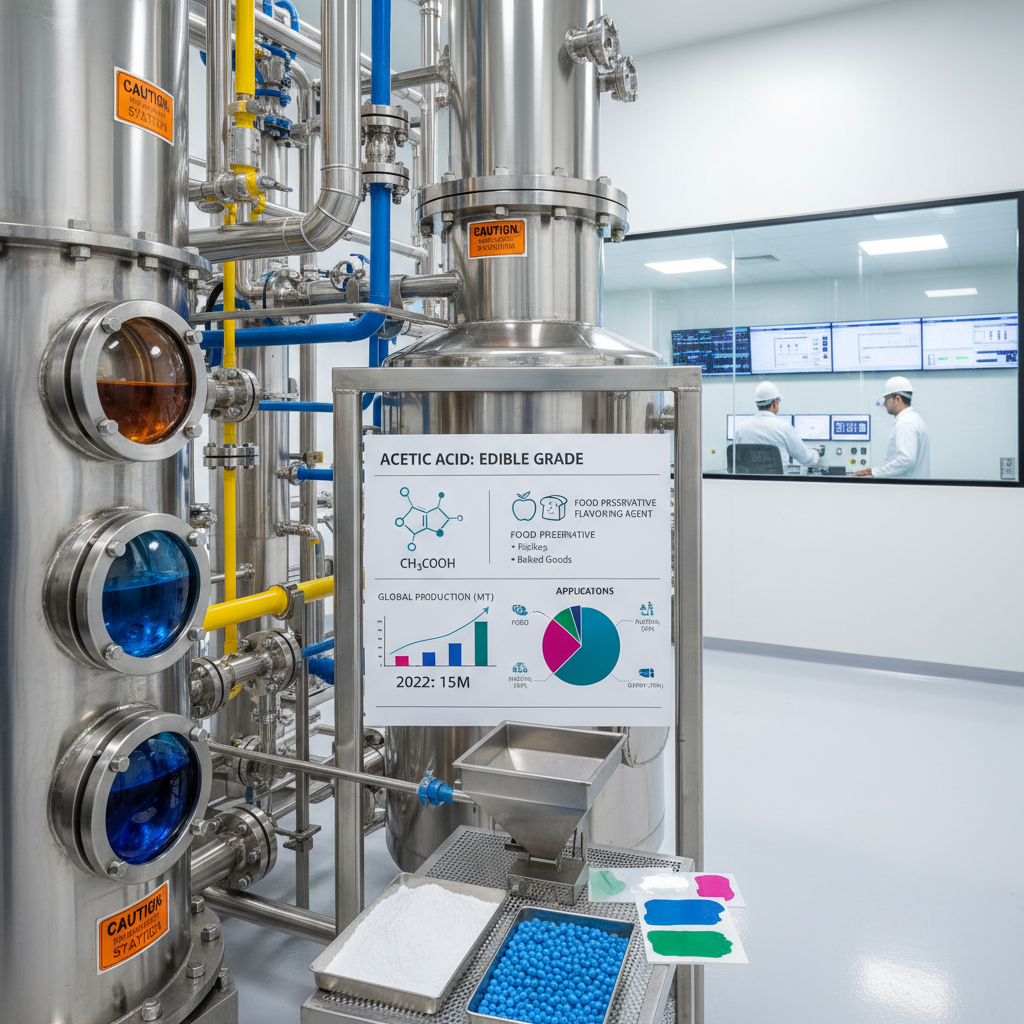
YSXL Glacial Acetic Acid is committed to providing high-quality, reliable acetic acid products for the food industry and beyond. We adhere to strict quality control standards, ensuring our products meet or exceed industry regulations. Our state-of-the-art manufacturing facilities and experienced team guarantee consistent product quality and timely delivery. We offer competitive pricing, flexible packaging options, and exceptional customer support. Choose YSXL for a trusted partner in your acetic acid needs.
Conclusion
Edible acetic acid is a vital ingredient across a wide range of applications. Choosing a reliable supplier like YSXL ensures you receive a high-quality product that meets your specific needs and safety standards. We are dedicated to providing superior products and exceptional service to our valued customers.
Frequently Asked Questions (FAQs)
What is the difference between glacial acetic acid and vinegar?
Glacial acetic acid is a concentrated form of acetic acid (typically 99.8% purity), while vinegar is a diluted solution (typically 5-8% acetic acid). Glacial acetic acid is used in industrial processes and as a raw material for making vinegar, while vinegar is directly used for culinary purposes, pickling, and as a cleaning agent. Glacial acetic acid is much more potent and requires careful handling due to its corrosive nature.
How is edible acetic acid produced?
Edible acetic acid is primarily produced through the fermentation of ethanol by acetic acid bacteria (Acetobacter). The process involves providing oxygen to the ethanol, allowing the bacteria to convert it into acetic acid. The resulting solution is then purified and concentrated through distillation to achieve the desired purity level for food-grade applications. Other methods, such as methanol carbonylation, can also be used but are less common for edible-grade production.
What are the regulatory requirements for edible acetic acid?
Edible acetic acid is subject to regulations set by food safety authorities like the FDA in the United States and EFSA in Europe. These regulations specify purity standards, permissible levels of contaminants (such as heavy metals), and labeling requirements. Manufacturers must adhere to Good Manufacturing Practices (GMP) to ensure product safety and quality. YSXL ensures its products meet all relevant regulatory requirements.
Can acetic acid be used as a natural preservative?
Yes, acetic acid is a highly effective natural preservative. Its acidic properties inhibit the growth of many spoilage bacteria and molds, extending the shelf life of food products. This is why vinegar (a diluted solution of acetic acid) has been used for centuries in pickling and preserving vegetables, fruits, and meats. The concentration of acetic acid required for effective preservation varies depending on the food product.
-
Industrial Applications and Properties of 75 acetic acid Solution
NewsApr.16,2026
-
Properties and Industrial Applications of 64 19 7 acetic acid
NewsApr.09,2026
-
Comprehensive Guide to 56 Acetic Acid Applications and Reliable Sourcing
NewsApr.07,2026
-
Comprehensive Guide to 5 Glacial Acetic Acid for International Trade and Industrial Applications
NewsApr.04,2026
-
Exploring 100 Acetic Acid Properties Applications and Reliable Sourcing
NewsMar.31,2026
-
Comprehensive Guide to 10 Glacial Acetic Acid Properties and Applications
NewsMar.28,2026
 English
  Belarusian
  Dutch
Dutch  French
  German
  Hindi
Hindi  Indonesian
  Japanese
  Korean
  Lao
Lao  Malay
Malay  Mongolian
  Myanmar
  Polish
  Portuguese
  Russian
  Spanish
  Tagalog
  Thai
Thai  Vietnamese