
Nov . 27, 2025 01:25 Back to list
SDS Fisher Glacial Acetic Acid – Industrial Grade, High Purity & Safety Certified
Unlocking the Potential of SDS Fisher Glacial Acetic Acid: What You Need to Know
Every industry—whether chemical manufacturing, pharmaceuticals, textiles, or food processing—relies on key raw materials that quietly drive their output. SDS Fisher glacial acetic acid is one of those behind-the-scenes workhorses. It’s a critical component with far-reaching applications and significant global importance that often goes unnoticed outside technical circles.
Understanding this substance is more than a chemistry lesson; it unlocks insights into how industries innovate responsibly and respond to evolving challenges like sustainability and supply chain security. In fact, grasping the basics of SDS Fisher glacial acetic acid can save companies time, money, and even reputational headaches in the long run.
Mini takeaway: SDS Fisher glacial acetic acid isn’t just a chemical; it’s a global industrial enabler that quietly powers products we use daily.
The Global Context: Why SDS Fisher Glacial Acetic Acid Matters Today
Put bluntly, acetic acid is big business. The global production of acetic acid exceeds 15 million metric tons per year, growing steadily with an annual CAGR of roughly 5%. According to the United Nations Industrial Development Organization (UNIDO), the demand surge is tied to rising pharmaceutical production, synthetic fibers, and food preservation industries.
But why Fisher's glacial acetic acid? “SDS,” standing for Safety Data Sheet, signals top-notch quality and compliance—critical for factories that cannot afford mishaps or impurities. As global regulations tighten and supply chains become more scrutinized, sourcing reliable acetic acid powders or liquid concentrates with dependable SDS labels is crucial.
In regions like Southeast Asia and Europe, where environmental standards are rigorous, using certified glacial acetic acid from trusted vendors safeguards both production integrity and ecological responsibility. Conversely, industries in emerging economies rely on this product to scale up efficiently and meet quality certifications.
Oddly enough, farmers also benefit from products derived from acetic acid in pesticides, reflecting the chemical’s surprisingly broad scope. So it’s not just industrial giants who depend on this compound; it's integrated deeply with our food security.
Mini takeaway: The global economy leans on high-quality SDS Fisher glacial acetic acid as a backbone, not only to meet industrial needs but to support environmental and safety compliance worldwide.
What Exactly Is SDS Fisher Glacial Acetic Acid?
Simplifying it: glacial acetic acid is the purest form of acetic acid, named for its ice-like crystals below 16.7°C. SDS Fisher is a reputable brand known for high-purity formulations accompanied by detailed Safety Data Sheets (the 'SDS') that ensure safe handling and regulatory adherence.
Fundamentally, this acid is a colorless liquid with a strong, pungent smell—familiar if you’ve ever worked in a chemistry lab or handled vinegar at high concentrations. With a purity typically around 99–100%, glacial acetic acid from SDS Fisher is a versatile feedstock for making vinyl acetate monomer (a precursor for adhesives and paints), pharmaceuticals like aspirin, and even food additives.
Its importance is amplified by the meticulous documentation that comes with the SDS, which outlines hazards, first aid, storage, and disposal—ironclad essentials in industrial and humanitarian environments alike. Without such documentation, the risks multiply, especially where rapid deployment or emergency manufacturing takes place.
Mini takeaway: SDS Fisher glacial acetic acid is essentially premium purity acetic acid with a strong regulatory and safety framework embedded, making it indispensable for responsible use.
Key Factors That Make SDS Fisher Glacial Acetic Acid Stand Out
1. Purity and Consistency
The hallmark of SDS Fisher glacial acetic acid is its extraordinary purity level (around 99.85%) which ensures minimal impurities. This consistency is critical for industries where product contamination risks can lead to costly recalls or even safety hazards.
2. Compliance with International Safety Standards
The attached SDS is updated according to ISO regulations and aligned with OSHA requirements. This ensures users from lab technicians to industrial-scale operators have precise handling instructions and hazard mitigations.
3. Versatile Applications
Because of this purity and predictability, SDS Fisher glacial acetic acid is useful across segments: from synthesizing polymers to food preservation, and even in laboratory reagents.
4. Packaging and Availability
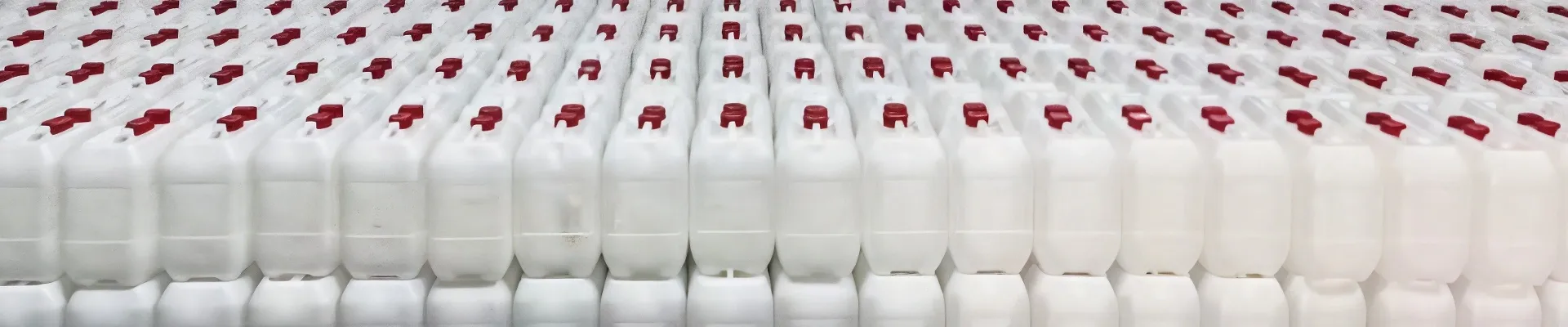
Available in a range of container sizes — 25 kg drums, 200 kg barrels, and bulk tank loads — the product suits startups and global manufacturers alike. The packaging also ensures minimal risk of evaporation or contamination.
5. Environmental Sustainability Focus
Perhaps unsurprisingly, Fisher is investing in greener production facilities aimed at reducing volatile organic compound (VOC) emissions and energy consumption, which aligns with broader UN Sustainable Development Goals.
Mini takeaway: You want purity, safety, and environmental mindfulness? SDS Fisher delivers, making industrial processes smoother and greener.
Global Applications & Use Cases of SDS Fisher Glacial Acetic Acid
- Pharmaceuticals: Active ingredient synthesis and excipient formulations worldwide, including Europe and North America.
- Textile Industry: Dyeing and finishing agents, especially in Asia’s booming manufacturing hubs.
- Food Industry: Used as a preservative agent and flavoring component, backed by FDA-approved sourcing.
- Wastewater Treatment: Acetic acid neutralizes alkaline wastes and aids in sludge processing in both municipal and industrial sites.
- Research and Development: Academic and industrial labs in the US and Germany rely on SDS Fisher for reagent-grade acid handling.
For instance, in disaster relief provisioning, containers of glacial acetic acid can be crucial to maintain critical supplies like pharmaceuticals or bioactive materials in field labs. It’s a small but vital link in a far larger logistical chain.
Mini takeaway: From labs to factories and farms, the reach of SDS Fisher glacial acetic acid is both deep and wide, helping solve industry and humanitarian challenges alike.
Advantages and Long-Term Value
Buying SDS Fisher glacial acetic acid isn’t just about the product itself but the confidence and future-proofing it brings. Low impurity reduces waste and downtime, and compliance with global standards means fewer legal hassles.
Plus, by partnering with vendors who emphasize sustainability, companies bolster their “green” credentials — a huge plus in today’s consumer and regulatory climate. The socially responsible angle adds intangible value, building trust and long-term relationships with customers and local communities.
Frankly, dependable quality like this sparks innovation because engineers and chemists aren’t constantly chasing batch issues or safety mishaps.
Product Specifications Table
| Specification | Details |
|---|---|
| Purity | ≥ 99.85% |
| Appearance | Colorless liquid, pungent odor |
| Boiling Point | 118 °C |
| Specific Gravity | 1.049 g/cm³ @ 25 °C |
| Packaging | 25 kg drum, 200 kg barrel, bulk tank |
| SDS Compliance | ISO 11014, OSHA HCS |
Comparing Leading SDS Fisher Glacial Acetic Acid Vendors
| Vendor | Purity (%) | Certifications | Sustainability Initiatives | Pricing (USD/kg) |
|---|---|---|---|---|
| SDS Fisher | 99.85 | ISO, OSHA, REACH | VOC reduction, green energy plants | 2.50 |
| Acme Chemicals | 99.5 | ISO, FDA | Waste water recycling | 2.30 |
| GlobalChem Ltd. | 99.7 | REACH, OSHA | Green solvent manufacturing | 2.60 |
Future Trends & Innovations to Watch
Looking ahead, SDS Fisher glacial acetic acid’s future seems tied to a couple of fascinating trends. The first is a push towards bio-based acetic acid—derived from renewable feedstocks like biomass rather than fossil fuels. This is a big deal for carbon reduction goals and aligns with pushes under the Paris Agreement.
Secondly, digital transformation will improve tracing and certification via blockchain, ensuring authenticity and safety in real-time. That means fewer fake or substandard imports, greater transparency, and faster customs clearance worldwide.
Automation in handling and dosing can also minimize human exposure — a critical safety advance in high-volume plants.
Mini takeaway: The blend of sustainability and smart technology should keep SDS Fisher glacial acetic acid relevant and even more reliable for decades to come.
Common Challenges & Innovative Solutions
Challenges with glacial acetic acid are mostly about its corrosive nature and handling risks. Improper storage or transfer can lead to chemical burns or environmental releases. Also, supply chain interruptions have caused price volatility during geopolitical tensions or pandemics.
Innovative solutions include improved containment materials that resist corrosion better and more rigorous safety training bolstered by industry associations. Strategic stockpiling and diversified sourcing—from trusted brands like SDS Fisher—help companies avoid shortages. Finally, modular on-site production units for acetic acid are an emerging idea that could reduce logistics risks.
Frequently Asked Questions About SDS Fisher Glacial Acetic Acid
Q1: What exactly is "glacial" acetic acid, and why is it different?
A1: “Glacial” means the acetic acid is highly concentrated and pure enough to solidify just below room temperature, forming ice-like crystals. This high purity is essential for industrial uses that require consistent chemical properties.
Q2: Is SDS Fisher glacial acetic acid safe for use in food processing?
A2: Yes, when suppliers like Fisher provide FDA-compliant grades along with comprehensive SDS documentation, it is safe for regulated food industry applications, especially as a preservative or acidity regulator.
Q3: How should I store SDS Fisher glacial acetic acid to avoid accidents?
A3: Store it in cool, well-ventilated areas, in corrosion-resistant containers, away from incompatible substances like strong oxidizers. Always refer to the SDS for detailed handling instructions.
Q4: Can I rely on SDS Fisher glacial acetic acid for pharmaceutical synthesis?
A4: Absolutely. Its purity and strict quality control make it ideal for pharmaceutical intermediates, ensuring your end product meets stringent regulatory standards.
Q5: How do I order SDS Fisher glacial acetic acid in bulk internationally?
A5: Work with authorized distributors or directly contact the manufacturer through their website. Ensure you verify shipping regulations, import documentation, and proper packaging to meet international standards.
Conclusion: Why SDS Fisher Glacial Acetic Acid Should Be Your Go-To Choice
At the end of the day, SDS Fisher glacial acetic acid offers more than just chemical purity—it provides reliability, safety, and sustainability baked into every drum and bulk tanker. Its role crosses industries, continents, and applications. In an unpredictable world, such a stable, compliant supply chain component is gold.
If you want to explore more about its specifications, usage guidelines, and purchase options, check out sds fisher glacial acetic acid. Because sometimes, the best solutions are quiet but essential.
Here's to better chemicals and better business!
—
References
-
Industrial Applications and Properties of 75 acetic acid Solution
NewsApr.16,2026
-
Properties and Industrial Applications of 64 19 7 acetic acid
NewsApr.09,2026
-
Comprehensive Guide to 56 Acetic Acid Applications and Reliable Sourcing
NewsApr.07,2026
-
Comprehensive Guide to 5 Glacial Acetic Acid for International Trade and Industrial Applications
NewsApr.04,2026
-
Exploring 100 Acetic Acid Properties Applications and Reliable Sourcing
NewsMar.31,2026
-
Comprehensive Guide to 10 Glacial Acetic Acid Properties and Applications
NewsMar.28,2026
 English
  Belarusian
  Dutch
Dutch  French
  German
  Hindi
Hindi  Indonesian
  Japanese
  Korean
  Lao
Lao  Malay
Malay  Mongolian
  Myanmar
  Polish
  Portuguese
  Russian
  Spanish
  Tagalog
  Thai
Thai  Vietnamese