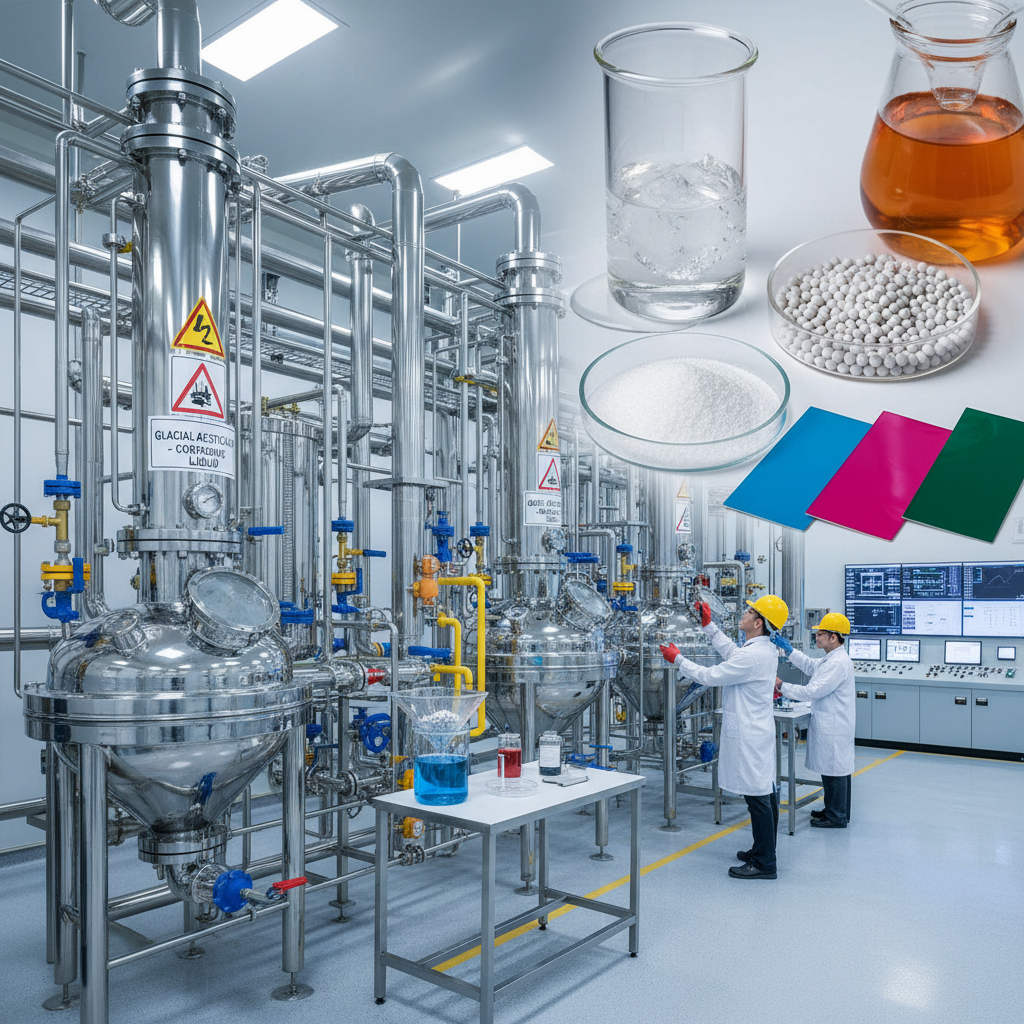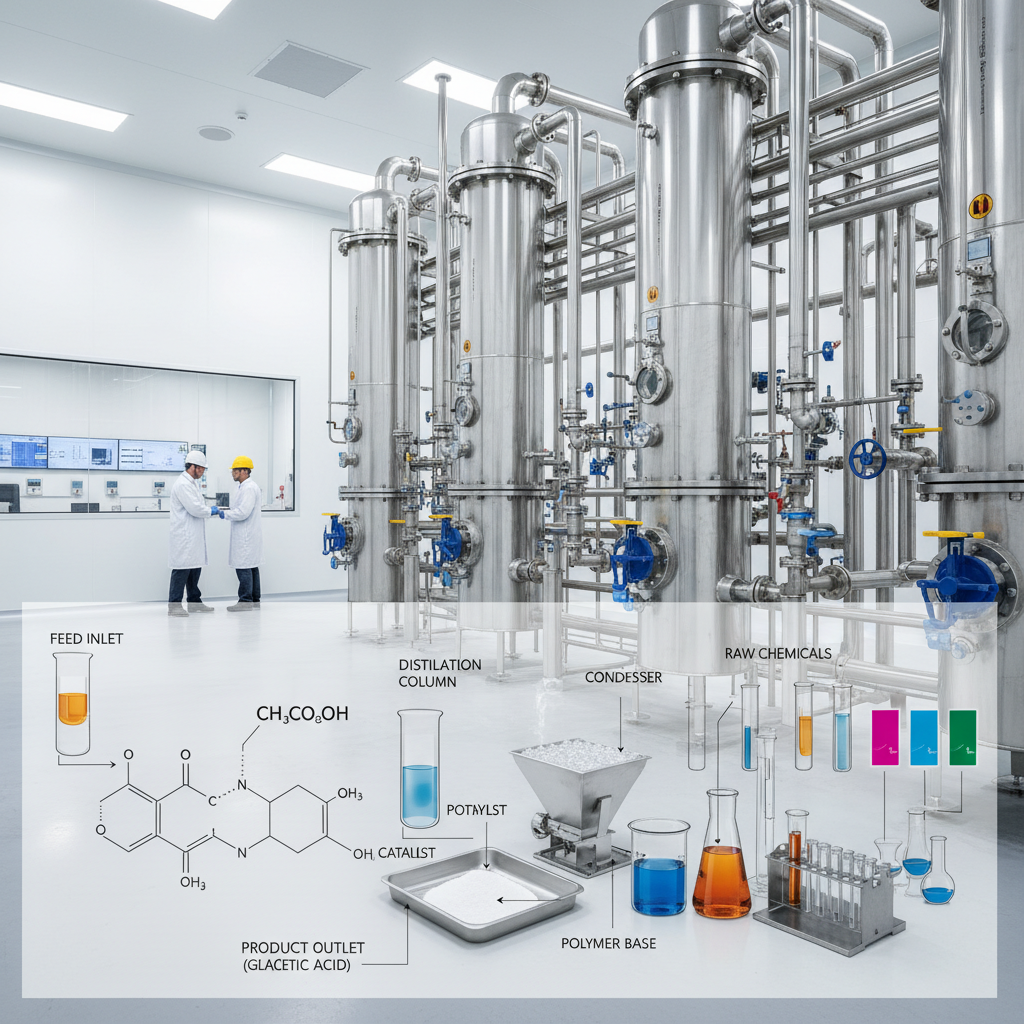
Understanding the glacial acetic acid price is critical for procurement managers and manufacturers in the food additive and chemical industries. As a high-purity form of acetic acid, its market value fluctuates based on raw material availability, energy costs, and industrial demand across global supply chains.
Volatility in these prices often creates operational challenges for businesses producing food-grade additives or industrial solvents. Factors such as methanol pricing, carbon monoxide availability, and regional environmental regulations directly impact the cost per ton, requiring a strategic approach to sourcing and inventory management.
This article provides a comprehensive analysis of the factors influencing glacial acetic acid pricing, procurement strategies for food-grade quality, and technical considerations to help businesses optimize their costs while maintaining strict quality standards.

1Analyzing Glacial Acetic Acid Market Dynamics

The market for glacial acetic acid—defined as anhydrous acetic acid with a concentration of approximately 99.8%—is characterized by its sensitivity to feedstock costs. Unlike diluted vinegar, the "glacial" state requires intensive purification and concentration processes, which adds a premium to the base pricing structure.
For enterprises in the food additive sector, such as Hebei Yishan Flavor Co., Ltd., maintaining a stable supply of edible-grade acetic acid is essential. Market dynamics are often influenced by regional shifts in the petrochemical industry, where output adjustments in parent plants can lead to sudden price spikes in the downstream acetic acid market.
Understanding the relationship between global trade policies and chemical exports is also vital. Tariffs and shipping costs can significantly alter the landed cost of the product, making localized sourcing more attractive during periods of high international logistics volatility.
2Key Factors Driving Price Volatility
Several interlocking variables determine the current glacial acetic acid price. The primary driver is the cost of raw materials, specifically methanol and carbon monoxide. When the price of natural gas rises, the production cost for methanol increases, creating a ripple effect that elevates the cost of glacial acetic acid across the board.
Beyond raw materials, environmental regulations play a significant role. Stricter emission standards for chemical plants often lead to reduced production capacity or increased investment in filtration technology, both of which contribute to a higher market price to offset operational costs.
Seasonal demand also impacts pricing. In the food industry, increased demand for preservatives and flavorings during specific quarters can tighten supply, allowing manufacturers to adjust prices upward based on peak consumption patterns.
3Industrial Applications and Demand Drivers
Glacial acetic acid is a versatile chemical used in a wide array of industries. In the food industry, it serves as a critical acidification agent and preservative, ensuring the shelf-life and taste profile of various processed goods. The demand for high-purity, food-grade acetic acid is consistently high due to safety and regulatory requirements.
In the industrial sector, it is widely used in the production of vinyl acetate monomer (VAM), purified terephthalic acid (PTA), and various ester solvents. These applications are tied to the construction and textile industries, meaning a boom in infrastructure often leads to a corresponding increase in acetic acid demand.
The shift toward bio-based acetic acid production is also beginning to influence demand. While synthetic routes dominate, the growing preference for "green" labels in food production is creating a niche market for fermented acetic acid, which often commands a different pricing structure than synthetic glacial acid.
4Comparing Grade-Based Pricing Metrics
Not all acetic acid is priced equally. The distinction between industrial grade and food grade (edible) is significant. Food-grade glacial acetic acid must undergo more rigorous filtration and testing to ensure the absence of heavy metals and harmful impurities, which naturally increases the production cost.
Price premiums for food-grade products are justified by the certification and quality assurance processes required. Companies like Hebei Yishan Flavor Co., Ltd. prioritize these quality guarantees to ensure their products meet the stringent safety standards required for edible additives.
glacial acetic acid price Performance Metrics
When analyzing pricing data, it is important to differentiate between "spot prices" and "contract prices." Spot prices reflect the immediate market volatility, while long-term contracts provide stability, often at a slight premium or discount depending on the volume and the relationship between the buyer and supplier.
5Strategic Procurement and Sourcing Tips
To mitigate the impact of glacial acetic acid price fluctuations, procurement teams should adopt a diversified sourcing strategy. Relying on a single supplier can leave a business vulnerable to regional outages or sudden price hikes. Establishing relationships with multiple vetted manufacturers is a key risk-management step.
Inventory management also plays a role. While holding large stocks of glacial acetic acid can hedge against price increases, the corrosive nature of the chemical requires specialized storage tanks (typically stainless steel or lined containers), which adds to the overhead cost.
Finally, auditing the supplier's quality certifications is non-negotiable for food-grade procurement. Ensuring that the manufacturer adheres to ISO and food safety standards prevents costly recalls and ensures the final product's integrity.
6Future Trends in Acetic Acid Production
The future of the acetic acid market is leaning toward sustainability. Carbon capture and utilization (CCU) technologies are being explored to produce acetic acid from captured CO2, potentially decoupling the glacial acetic acid price from traditional fossil fuel fluctuations in the long term.
Digitalization of the supply chain is also increasing transparency. Real-time price tracking and AI-driven demand forecasting are allowing companies to time their purchases more accurately, reducing waste and optimizing the cost of goods sold (COGS).
As global regulations on chemical emissions tighten, we expect a gradual shift toward more efficient catalysts in the carbonylation process, which could lower production costs and stabilize prices if these innovations are adopted globally.
7Selection Guide for Food-Grade Acid
Choosing the right supplier for glacial acetic acid requires a balance between cost and quality. For food-grade applications, the "cheapest" option is often the riskiest. Contaminants in industrial-grade acid can ruin an entire batch of food products and lead to regulatory sanctions.
Decision-makers should evaluate suppliers based on their ability to provide consistent COA (Certificate of Analysis) reports, their historical price stability, and their capacity to handle sudden volume increases without compromising purity.
| Grade Type | Purity Level | Price Impact | Primary Use |
|---|---|---|---|
| Industrial Grade | ~99.0% - 99.5% | Baseline Cost | Solvents, VAM |
| Glacial Grade | ~99.8% | Moderate Premium | Chemical Synthesis |
| Food Grade | ~99.8% + Purified | High Premium | Food Additives |
| Pharmaceutical | Ultra-Pure | Very High Premium | API Synthesis |
| Bio-Acetic | Variable | Market Driven | Organic Products |
| Technical Grade | ~95% - 98% | Discounted | Cleaning Agents |
Ultimately, the goal is to secure a supply chain that prioritizes reliability and quality. For those seeking high-standard edible acetic acid, partnering with established experts like Hebei Yishan Flavor Co., Ltd. ensures a balance of competitive pricing and guaranteed quality.
Frequently Asked Questions
Conclusion
The glacial acetic acid price is a complex metric influenced by petrochemical feedstocks, energy costs, and stringent quality requirements. For businesses in the food and chemical sectors, the key to profitability lies in understanding these market drivers and implementing a procurement strategy that balances cost efficiency with uncompromised quality.
By focusing on certified suppliers and diversified sourcing, companies can protect themselves from volatility. For those requiring professional-grade edible acetic acid, reviewing the available product information and certifications at www.ysxlglacialaceticacid.com can provide a reliable starting point for a stable supply partnership.