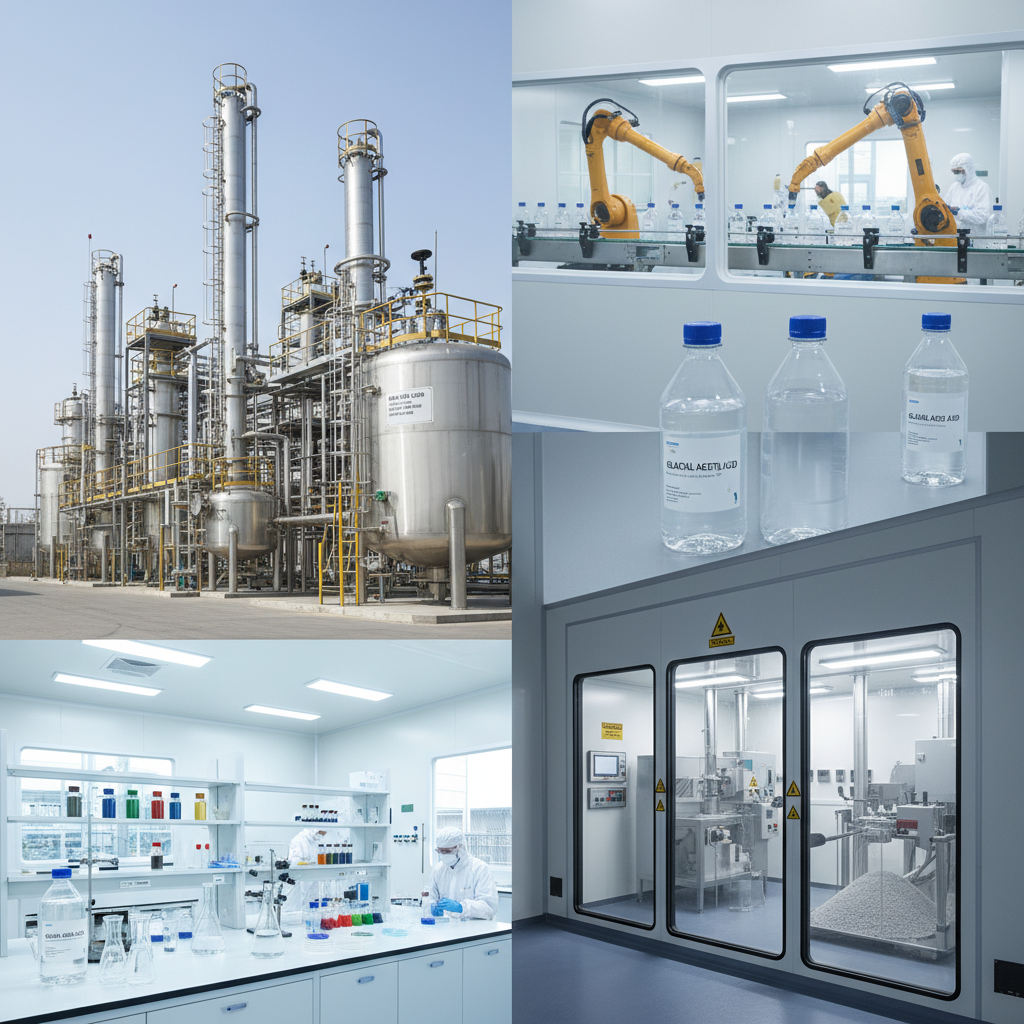
Selecting a reliable glacial acetic acid supplier is a critical decision for food manufacturers who prioritize precision in acidity regulation and flavor consistency. In the complex ecosystem of food additives, glacial acetic acid serves as more than just a souring agent; it is a fundamental tool for pH control and preservative efficiency.
For enterprises operating in the food additive manufacturing sector, the purity of raw materials directly impacts the final product's stability and regulatory compliance. Whether producing condiments, canned goods, or soft drinks, the shift toward high-purity edible acetic acid has become a benchmark for quality assurance.
This analysis examines the technical parameters and procurement logic essential for sourcing food-grade glacial acetic acid, providing a framework for buyers to evaluate supplier capabilities against stringent industry standards.

Technical Specifications of Food Grade Glacial Acetic Acid

Food-grade glacial acetic acid, characterized by the molecular formula CH3COOH, is a high-purity organic compound essential for the modern food industry. Its designation as "glacial" stems from its ability to form ice-like crystals at temperatures below 16.6°C, a physical property that serves as a primary indicator of its concentration.
To meet the rigorous demands of food additive manufacturing, the content must typically exceed 99.8%. This extreme purity ensures that no unwanted contaminants interfere with the sensory profile of the final food product or compromise the safety standards set by global food authorities.
From a physical standpoint, it is a colorless liquid with a characteristic stimulating odor. Its boiling point of 117.9°C and relative density of 1.0492 make it a stable medium for dilution into edible vinegar or direct use as a flavor enhancer in a variety of processed foods.
Core Chemical Properties and Purity Benchmarks
The efficacy of acetic acid as an acidity regulator (E260) depends entirely on its chemical stability and purity levels. A deviation in concentration can lead to inconsistent pH levels, which not only affects the taste but can also jeopardize the shelf-life of canned and preserved foods.
The refractive index of 1.3716 provides a precise method for quality control during the receiving process at manufacturing plants. By verifying these physical indicators, procurement teams can ensure that the batch delivered by the supplier meets the exact specifications required for their specific formulation.
Furthermore, the ability of the substance to be diluted to 4-5% concentrations allows it to mimic the flavor profile of brewed vinegar, providing a cost-effective and consistent alternative for large-scale industrial seasoning production.
Industrial Applications Across Food Processing Segments
The versatility of edible glacial acetic acid allows it to function across multiple roles: as a compound seasoning, a sourness agent, and a flavor enhancer. In the production of tomato sauce and mayonnaise, it provides the necessary acidic punch while acting as a preservative.
In the realm of preserved vegetables, such as kimchi and pickles, it is indispensable for maintaining the crisp texture and preventing microbial growth. Similarly, in the production of baby food and canned seafood (sardines, squid), it ensures the biological safety of the product through precise pH acidification.
Beyond savory applications, the food industry utilizes diluted acetic acid in the confectionery and bakery sectors. It is integrated into soft drinks, candies, and puddings to balance sweetness with a refined acidity, demonstrating its broad utility from the beverage line to the dessert aisle.
Analyzing Purity Impacts on Production Efficiency
The relationship between raw material purity and production yield is linear. High-purity glacial acetic acid reduces the need for excessive filtration or purification steps during the blending process, thereby lowering operational energy costs.
When comparing standard industrial grade versus food-grade glacial acetic acid, the difference in residue levels significantly impacts the clarity of the final liquid product, such as in the production of clear vinegars or transparent beverages.
glacial acetic acid supplier Performance Metrics
As illustrated, the use of premium food-grade inputs leads to higher consistency in pH stability and a notable reduction in batch rejection rates compared to lower-grade alternatives, ensuring a more streamlined supply chain from the supplier to the end consumer.
Strategic Procurement Considerations for Chemical Sourcing
Procuring acetic acid requires a balance between volume requirements and quality certifications. Buyers must look beyond the price per ton and evaluate the supplier's ability to provide consistent batches that meet E260 standards.
Key evaluation factors include the supplier's adherence to contracts and their track record of long-term cooperative relationships. A supplier who values credit and transparency is more likely to provide the necessary documentation for food safety audits.
Logistics also play a role; given that glacial acetic acid can solidify below 16.6°C, the supplier's ability to manage temperature-controlled transport or provide guidance on thawing processes is essential for maintaining operational continuity during winter months.
Future Trends in Edible Acidity Regulator Markets
The market for edible acetic acid is likely to shift toward even higher purity requirements as consumer demand for "clean label" products grows. This trend may drive suppliers to implement more advanced distillation technologies to eliminate trace impurities.
Furthermore, the integration of automated dosing systems in food factories is expected to increase the demand for highly concentrated glacial acetic acid, as it allows for more precise computer-controlled dilution compared to pre-diluted solutions.
Sustainability in the supply chain could also become a deciding factor. Suppliers who can demonstrate a lower carbon footprint in the production of organic acids may find a competitive advantage among global food brands committed to ESG goals.
Supplier Evaluation Framework for Quality Assurance
To ensure the stability of a food production line, a structured comparison of supplier capabilities is necessary. This involves analyzing technical data sheets against the actual requirements of the application.
The following table outlines the decision matrix for choosing between different grades of acetic acid based on the intended food application and required purity levels.
| Application Type | Required Purity | Primary Function | Critical Indicator |
|---|---|---|---|
| Edible Vinegar | ≥ 99.8% | Base Flavoring | Refractive Index |
| Canned Vegetables | ≥ 99.5% | pH Preservation | Content % |
| Soft Drinks | ≥ 99.8% | Acid Regulator | Colorless Clarity |
| Mayonnaise/Sauces | ≥ 99.0% | Emulsion Stability | Odour Profile |
| Baby Food | ≥ 99.9% | Safety Acidification | Trace Impurities |
| Seasoning Powders | ≥ 99.5% | Flavor Balance | Melting Point |
Ultimately, the choice of a glacial acetic acid supplier should be based on the alignment between the supplier's quality guarantee and the manufacturer's risk tolerance. Hebei Yishan Flavor Co., Ltd. focuses on this alignment by ensuring branded edible acetic acid products maintain strict purity standards for diverse food industry needs.
Frequently Asked Questions
Conclusion
The role of high-purity glacial acetic acid extends beyond simple flavor; it is a cornerstone of food safety and process efficiency. By focusing on purity benchmarks of 99.8% and verifying physical indicators like the refractive index, manufacturers can ensure a consistent and safe end product.
For those seeking a partner that balances technical expertise with a commitment to credit and contractual integrity, reviewing the product range and capabilities available through www.ysxlglacialaceticacid.com can provide the necessary insights for a secure supply chain.