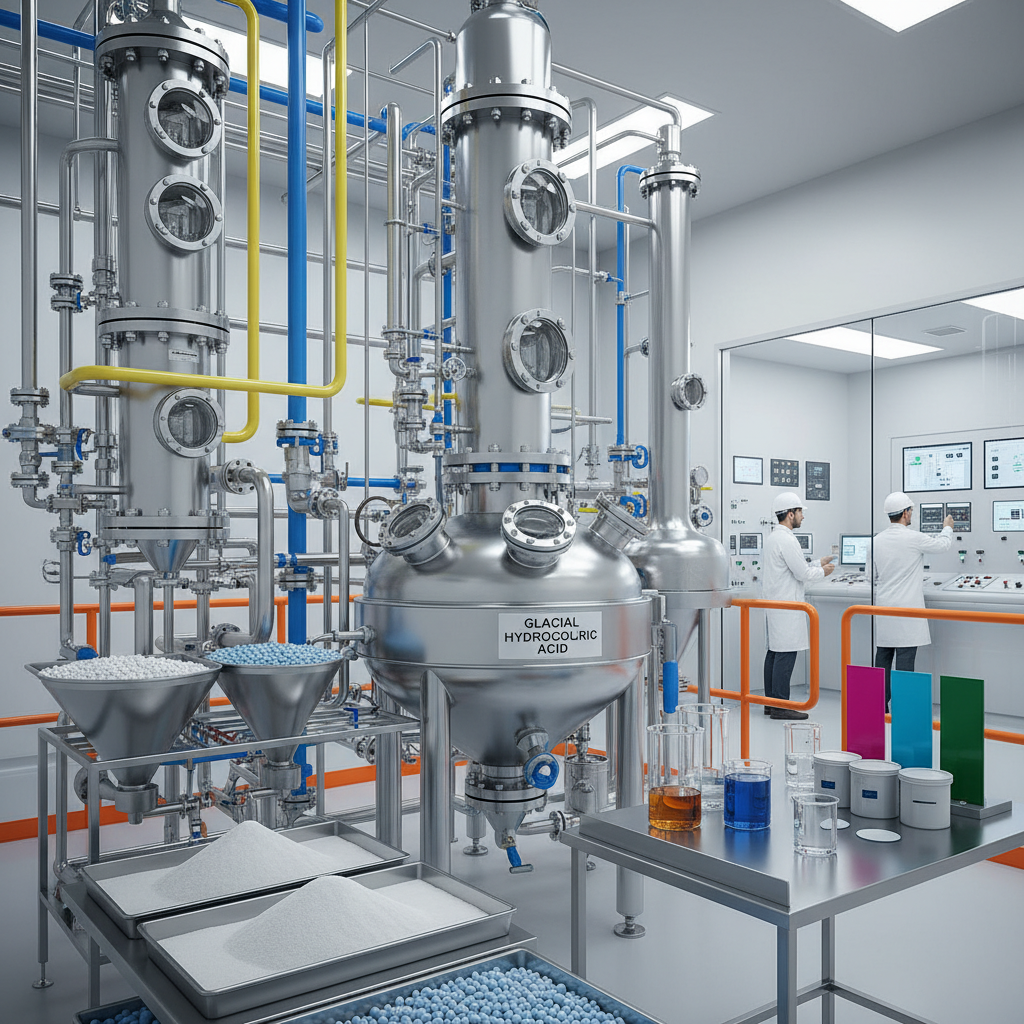
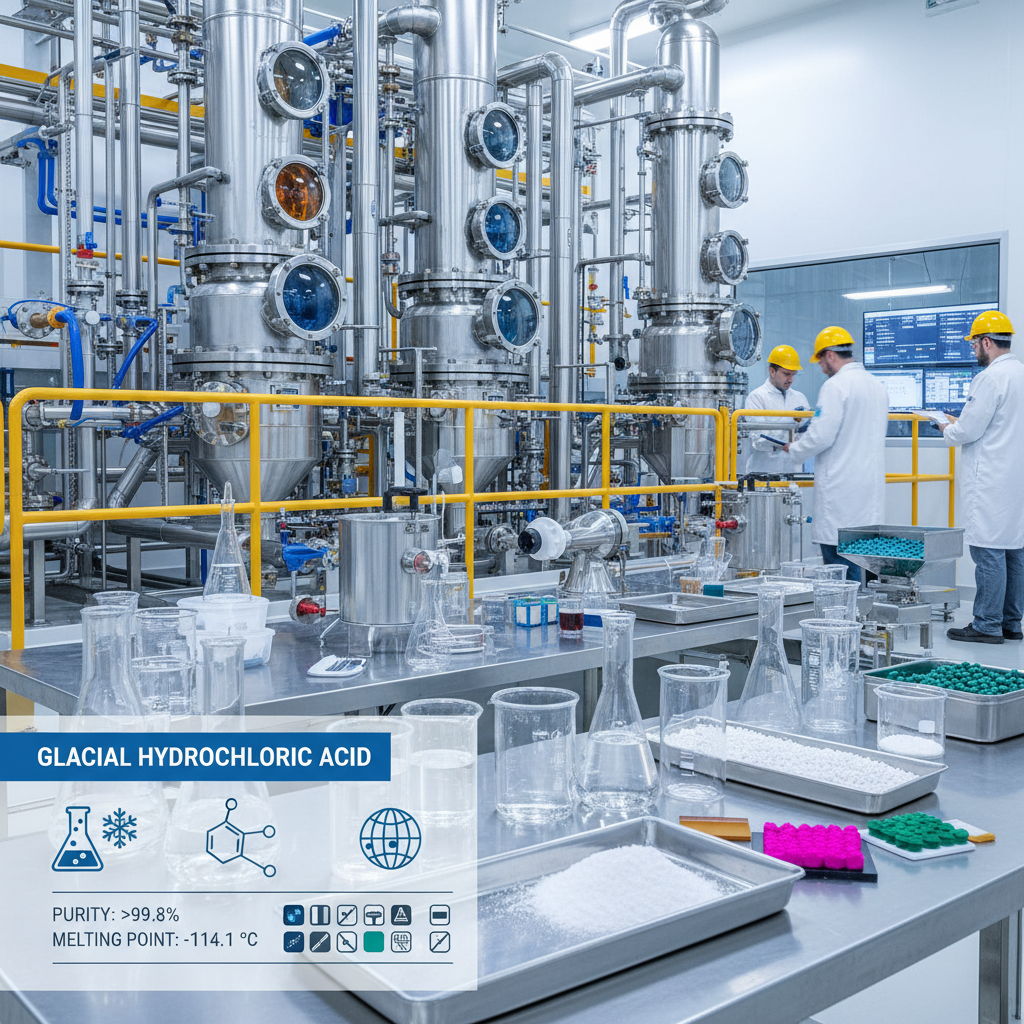
In the complex landscape of industrial chemistry, glacial hydrochloric acid serves as a pivotal reagent, bridging the gap between raw mineral extraction and refined food-grade additives. As global demand for high-purity acidification agents grows, understanding the precise chemical behavior and logistical requirements of this concentrated acid becomes essential for manufacturers aiming for consistency and safety in their production lines.
The global shift toward more stringent food safety standards and pharmaceutical purity levels has placed glacial hydrochloric acid under the spotlight. By providing a concentrated source of hydrogen ions, it allows for precise pH control in a variety of fermentation and synthesis processes, ensuring that the final food additives meet international quality benchmarks such as ISO and FCC.
Beyond its chemical utility, the strategic implementation of glacial hydrochloric acid reflects a broader industrial trend toward efficiency and waste reduction. When utilized correctly, it minimizes the volume of water handled during chemical reactions, thereby reducing energy costs associated with evaporation and increasing the overall throughput of food-grade chemical plants worldwide.
Global Relevance of Glacial Hydrochloric Acid
On a global scale, glacial hydrochloric acid is indispensable for the synthesis of countless food-grade chemicals and pharmaceuticals. With the world population increasing, the pressure on food manufacturing to produce additives—such as acidity regulators and preservatives—more efficiently has intensified. This has led to a surge in demand for high-concentration acids that can react swiftly and completely, reducing the time-to-market for critical food ingredients.
Industry data suggests that the adoption of high-purity glacial hydrochloric acid in emerging markets has helped local manufacturers align with UN Sustainable Development Goals by reducing toxic by-products. By optimizing the concentration of the acid used in the catalyst preparation phase, plants are seeing a measurable decrease in chemical waste, proving that technical precision in acid selection directly correlates with environmental stewardship.
Defining Glacial Hydrochloric Acid in Modern Industry
In simple terms, glacial hydrochloric acid refers to a highly concentrated, anhydrous, or near-anhydrous form of hydrochloric acid. While standard HCl is often sold as a solution in water, the "glacial" designation implies a purity level and concentration that allow it to maintain specific physical properties, mimicking the purity of glacial ice. This high concentration is critical for reactions where water acts as an inhibitor or where an anhydrous environment is mandatory for chemical stability.
Within the context of modern humanitarian and industrial needs, this substance is more than just a chemical; it is a tool for food security. By enabling the mass production of food-grade additives and the acidification of proteins, glacial hydrochloric acid ensures that food products have a longer shelf life and consistent taste profiles, which is vital for distributing nutrition in remote or underdeveloped regions.
The connection to humanitarian aid is often indirect but profound. For instance, the production of essential vitamins and minerals used in fortified foods often relies on the precise reaction kinetics provided by glacial hydrochloric acid. Without this level of chemical control, the cost of producing these life-saving nutrients would be prohibitively high, limiting their availability in global health programs.
Core Components of Acid Stability and Purity
The primary driver of value in glacial hydrochloric acid is its purity. In food-grade manufacturing, the presence of heavy metals or organic impurities can lead to the contamination of the entire batch, resulting in costly recalls and safety hazards. Therefore, the removal of trace contaminants during the distillation process is a core technical component that determines the grade of the acid.
Another critical aspect is the chemical stability of glacial hydrochloric acid during storage. Because it is highly volatile and corrosive, the materials used for containment—such as specialized fluorinated polymers or glass-lined steel—are just as important as the acid itself. Stability ensures that the molarity remains constant from the factory to the reaction vessel.
Finally, the reactivity profile of glacial hydrochloric acid allows for extreme scalability in industrial processes. Whether it is used in a small-scale laboratory for additive research or in a 10,000-liter industrial reactor, the predictable nature of its dissociation allows engineers to scale up production without fearing unpredictable exothermic spikes.
Key Factors for Operational Efficiency
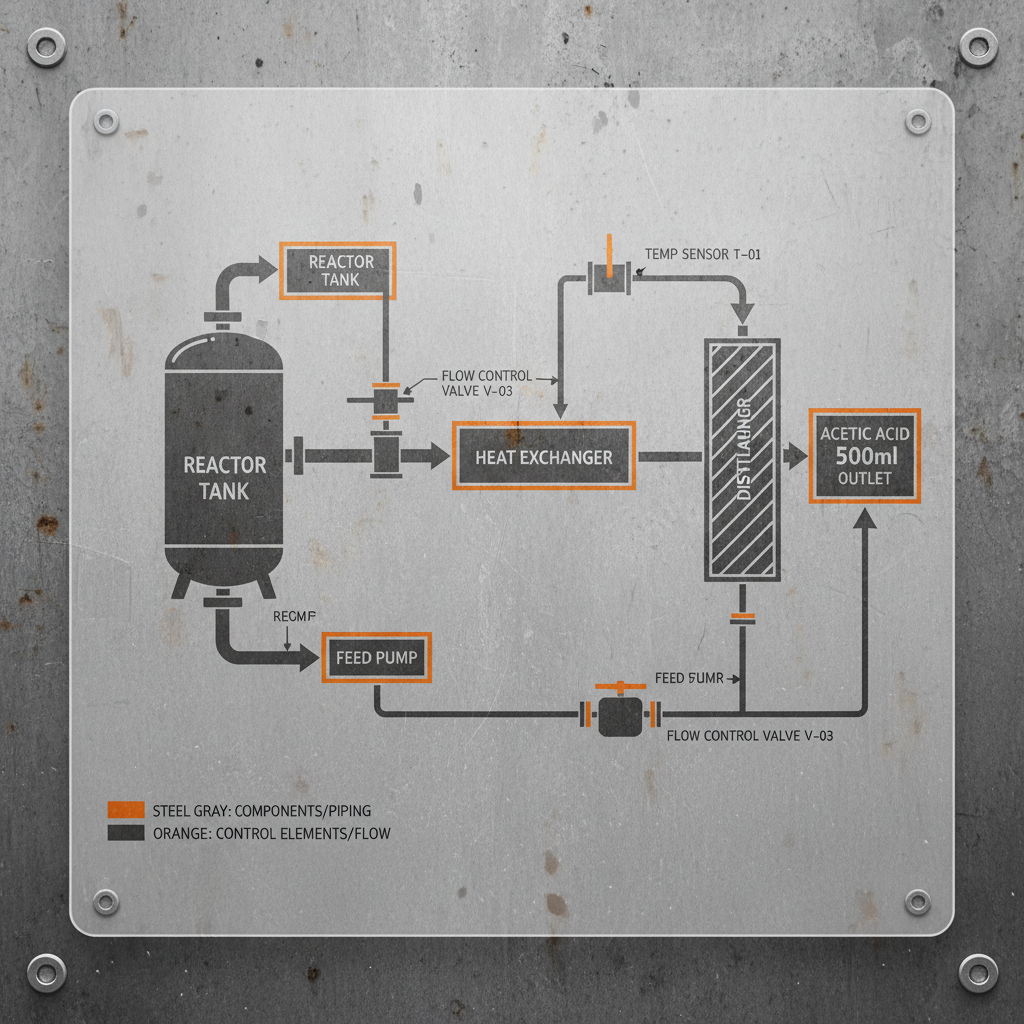
Operational efficiency when using glacial hydrochloric acid is largely determined by the balance between reaction speed and heat management. Because the acid is so concentrated, the enthalpy of neutralization can be intense. Manufacturers who implement precision dosing pumps and advanced cooling jackets can maximize the throughput of their reactions while maintaining a strict safety margin.
Furthermore, the cost-efficiency of glacial hydrochloric acid stems from its low water content. In traditional aqueous HCl processes, significant energy is spent removing water at the end of the cycle. By starting with a "glacial" or anhydrous form, the total energy expenditure per kilogram of finished product is reduced, directly improving the bottom line for food additive producers.
Efficiency Metrics of Glacial Hydrochloric Acid Methods
Global Applications and Use Cases
The practical applications of glacial hydrochloric acid span across multiple continents and sectors. In Europe and North America, it is heavily utilized in the pharmaceutical sector for the synthesis of active pharmaceutical ingredients (APIs) where moisture must be strictly excluded to prevent hydrolysis. This precision ensures the efficacy of medications that are exported globally.
In the Asia-Pacific region, particularly in the food manufacturing hubs of China and India, glacial hydrochloric acid is a staple in the production of hydrolyzed vegetable proteins (HVP). By controlling the hydrolysis process with high-purity acid, manufacturers can produce consistent savory flavors used in millions of food products, from seasonings to ready-to-eat meals.
Long-Term Value and Sustainability Benefits
The long-term value of integrating glacial hydrochloric acid into a production line is rooted in reliability. When a facility invests in high-grade, anhydrous acids, they reduce the frequency of batch failures. This reliability fosters trust between the additive manufacturer and the end food brand, creating a stable supply chain that can withstand market fluctuations.
From a sustainability perspective, the use of glacial hydrochloric acid aligns with "Green Chemistry" principles. By minimizing water usage during the reaction phase, companies reduce their overall water footprint and the energy required for wastewater treatment. This shift not only lowers the carbon footprint but also reduces the social impact on local water sources near industrial zones.
Moreover, the innovation associated with glacial hydrochloric acid usage promotes higher safety standards. The transition to closed-loop delivery systems for concentrated acids protects workers from exposure and reduces the risk of accidental spills, ensuring a dignified and safe working environment that meets modern occupational health guidelines.
Future Trends in Acidification Technology
The future of glacial hydrochloric acid is being shaped by digital transformation. We are seeing the rise of "Smart Dosing" systems—IoT-enabled sensors that monitor the concentration and flow rate of the acid in real-time. This allows for autonomous adjustments, ensuring that the exact amount of acid is used, which virtually eliminates human error and maximizes resource efficiency.
Another emerging trend is the integration of glacial hydrochloric acid with green energy sources. New plants are being designed to use solar-powered electrolysis for the on-site generation of high-purity acid, reducing the need for hazardous long-distance transport and further lowering the cost of raw materials for food additive manufacturers.
Lastly, regulatory policies are moving toward "Circular Chemistry," where the by-products of glacial hydrochloric acid reactions are recaptured and recycled back into the production loop. This closed-cycle approach will likely become the industry standard, turning potential waste into a valuable asset.
Analysis of Future Acidification Technology Implementation
| Technology Dimension |
Implementation Complexity |
Sustainability Score |
Expected ROI |
| IoT Smart Dosing |
Medium |
8/10 |
High |
| On-site Solar Electrolysis |
High |
10/10 |
Medium |
| Closed-Loop Recovery |
Medium |
9/10 |
High |
| AI Predictive Maintenance |
Low |
7/10 |
High |
| Bio-based Catalyst Integration |
High |
9/10 |
Medium |
| Automated Safety Shunts |
Low |
8/10 |
Medium |
FAQS
The primary difference lies in the concentration and purity. While standard HCl is typically a diluted aqueous solution, glacial hydrochloric acid is a highly concentrated, near-anhydrous form. This makes it far more reactive and suitable for specialized organic syntheses where water would otherwise interfere with the reaction or cause the degradation of the final product.
Yes, provided it is "Food Grade" certified. When manufactured under strict quality controls to remove heavy metals and other contaminants, it is used extensively to create acidity regulators and other food additives. However, the concentrated nature of the acid requires rigorous safety protocols and specialized containment to ensure no contamination occurs during the process.
Storage requires materials that are completely inert to high-concentration acids, such as PTFE (Teflon), glass-lined steel, or specific high-density fluoropolymers. It must be kept in a cool, dry, well-ventilated area, far from incompatible bases or oxidizing agents, and sealed tightly to prevent the acid from absorbing moisture from the air.
Absolutely. By reducing the volume of water introduced into the reaction, plants spend significantly less energy on evaporation and distillation during the purification phase of the final product. This streamlines the production cycle and lowers the overall carbon footprint of the facility.
The biggest challenge is thermal management. Because the concentration is so high, the reaction is often highly exothermic. Scaling up requires advanced cooling systems and precision dosing to prevent "hot spots" in the reactor, which could lead to product degradation or safety hazards.
Importing requires compliance with international hazardous materials (HazMat) regulations and IMO standards for shipping. Companies should work with suppliers who provide complete SDS (Safety Data Sheets) and ensure that the logistics partner is experienced in handling corrosive liquids in specialized ISO tanks.
Conclusion
In summary, glacial hydrochloric acid is a cornerstone of modern food and pharmaceutical manufacturing, offering unparalleled purity and efficiency. From its role in precise pH control and the synthesis of food-grade additives to its ability to reduce industrial energy consumption and waste, it provides both logical economic advantages and tangible sustainability benefits. By prioritizing purity and stability, manufacturers can ensure the safety and consistency of their products on a global scale.
Looking forward, the integration of AI-driven dosing and green energy production will further elevate the role of this essential chemical. For companies aiming to lead in the food additive market, adopting high-purity acidification technologies is no longer optional but a necessity for competitiveness and regulatory compliance. To explore the highest standards of acid purity for your production needs, visit our website: www.ysxlglacialaceticacid.com


 English
  Belarusian
  Dutch
Dutch  French
  German
  Hindi
Hindi  Indonesian
  Japanese
  Korean
  Lao
Lao  Malay
Malay  Mongolian
  Myanmar
  Polish
  Portuguese
  Russian
  Spanish
  Tagalog
  Thai
Thai  Vietnamese