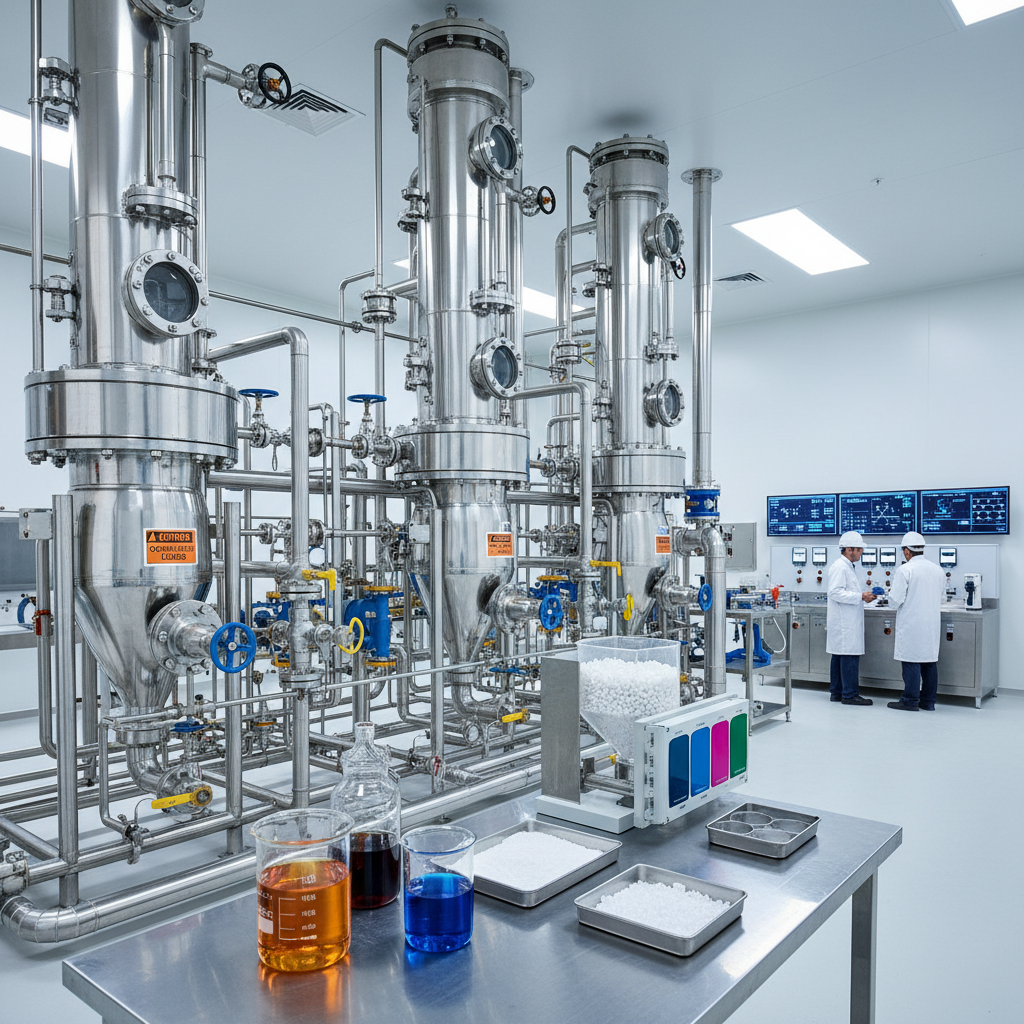
In the intricate world of food chemistry and industrial additives, glacial ethanoic acid stands as a cornerstone reagent, prized for its exceptional purity and potency. As a concentrated form of acetic acid, it provides the essential acidity required for a vast array of preservation and synthesis processes, making it indispensable for manufacturers seeking consistent quality and safety in their end products.
The global demand for high-grade glacial ethanoic acid is driven by the increasing rigor of food safety standards and the expansion of the processed food sector. By understanding the nuanced properties of this compound, industry professionals can optimize pH control, enhance shelf-life, and ensure that their products meet stringent international regulatory frameworks, such as those set by the ISO and various food grade certifications.
Beyond its technical specifications, the strategic application of glacial acetic acid represents a balance between chemical efficiency and consumer health. Whether used as a pH regulator in confectionery or as a precursor in pharmaceutical synthesis, its role is pivotal in maintaining the structural integrity and biological safety of a multitude of daily consumables.
Global Industry Context of Glacial Ethanoic Acid
On a global scale, glacial ethanoic acid is more than just a chemical reagent; it is a vital industrial commodity. Market data suggests a steady CAGR increase in the acetic acid sector, fueled by the burgeoning food processing industries in Asia-Pacific and Latin America. The necessity for anhydrous, high-concentration acid allows manufacturers to reduce shipping costs and precisely control the hydration levels in their chemical reactions.
However, the industry faces significant challenges regarding purity and environmental impact. With the shift toward "Green Chemistry," the production of glacial ethanoic acid is evolving to incorporate more sustainable feedstock and carbon-capture technologies, ensuring that the food additives of tomorrow are produced with a minimal ecological footprint while adhering to global safety standards.
Defining the Properties of Glacial Ethanoic Acid
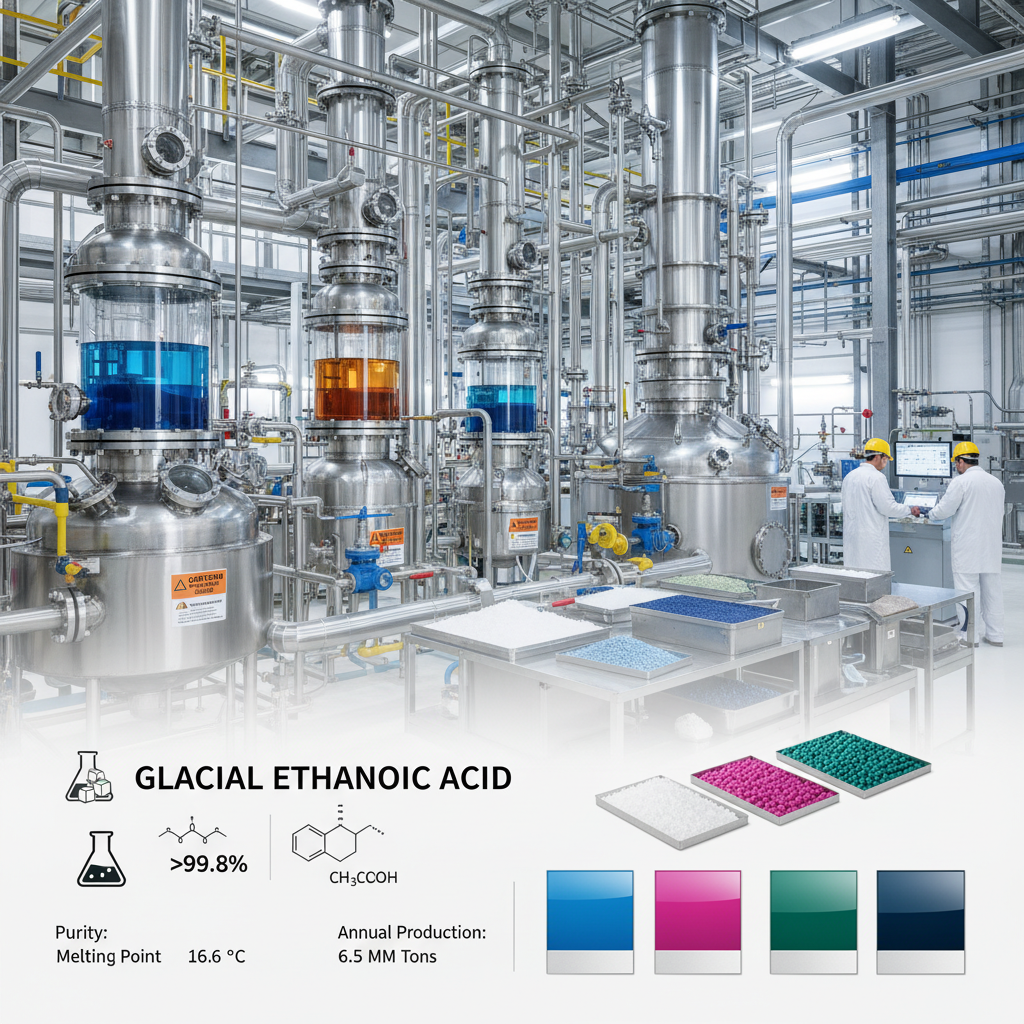
To understand glacial ethanoic acid, one must first understand the term "glacial." This refers to the acid's tendency to freeze into ice-like crystals just below room temperature (specifically around 16.6°C). This characteristic is a hallmark of its high purity, typically exceeding 99.8%, which distinguishes it from standard diluted vinegar or industrial-grade acetic acid.
In modern industry, this concentrated form is essential because it eliminates the interference of water molecules in specific organic syntheses. For food manufacturers, utilizing a concentrated source means they can achieve exact pH adjustments without introducing excessive moisture into the product, which is critical for maintaining the texture and stability of dehydrated or fat-based food products.
Moreover, the connection between this compound and humanitarian needs is evident in its role as a preservative. By inhibiting the growth of bacteria and molds, glacial acetic acid helps secure the food supply chain in regions where refrigeration is scarce, providing a cost-effective method to extend the shelf-life of essential proteins and vegetables.
Key Factors in Food Grade Quality Control
When sourcing glacial ethanoic acid for food applications, purity is the paramount factor. Contaminants such as heavy metals or residual catalysts from the manufacturing process can compromise the safety of the food product and lead to regulatory failures. Therefore, rigorous batch testing and certificates of analysis (CoA) are non-negotiable for professional procurement.
Scalability and consistency are equally critical. A manufacturer producing thousands of tons of a product per year requires an acid source that maintains a precise concentration across every shipment. Even a minor variance in the purity of glacial ethanoic acid can result in inconsistent acidity levels, which alters the taste profile and preservative efficacy of the final consumer good.
Finally, cost efficiency must be weighed against the risk of low-grade alternatives. While industrial-grade acids may appear cheaper, the hidden costs of purification and the risk of product recalls make the investment in certified food-grade glacial ethanoic acid the only logical choice for brands prioritizing long-term trust and safety.
Practical Applications and Performance Metrics
The application of glacial ethanoic acid extends across diverse sectors, from the production of vinyl acetate monomer (VAM) to its use as a flavor enhancer in sauces. In the food industry, it is frequently used to adjust the acidity of beverages and as a key component in the production of esters, which provide the fruity aromas found in many candies and baked goods.
To quantify the effectiveness of different application methods, manufacturers often track the "Stability Index" and "Preservation Rate." These metrics help determine whether a specific concentration of glacial acetic acid is optimized for the particular food matrix it is introduced into, ensuring maximum safety with minimum sensory impact.
Efficiency Analysis of Glacial Ethanoic Acid Application Methods
Global Use Cases in Food Manufacturing
In the vast food processing hubs of Europe and North America, glacial ethanoic acid is utilized heavily in the pickling and fermentation industries. Its ability to rapidly lower the pH of a substrate creates an environment where pathogenic bacteria cannot survive, ensuring that pickled vegetables and condiments remain safe for consumption across long shipping routes.
Furthermore, in the confectionery industry in Southeast Asia, this acid is used to create a sharp, tangy contrast in sweets and jellies. Because the glacial form is so concentrated, it allows for a highly precise dosage, preventing the "over-acidification" that can occur with lower-purity acids, thus preserving the delicate balance of sweetness and acidity required for gourmet products.
Long-term Value and Sustainability Benefits
The long-term value of investing in high-purity glacial ethanoic acid manifests in reduced waste and enhanced reliability. When a manufacturer uses a consistent, food-grade product, the failure rate of batches drops significantly. This reliability translates into higher trust from retail partners and consumers, who value the consistent taste and safety of the brand.
From a sustainability perspective, the transition toward bio-based acetic acid production is a game-changer. By utilizing fermentation of biomass rather than petrochemical precursors, the industry can reduce its carbon footprint while maintaining the same chemical efficacy. This alignment with ESG (Environmental, Social, and Governance) goals makes bio-glacial acetic acid an attractive option for forward-thinking companies.
Ultimately, the social impact of these advancements is found in food security. By providing a reliable, sustainable, and potent preservative, the industry can minimize food waste on a global scale, ensuring that nutrient-dense foods reach remote populations without spoiling, thereby upholding the dignity and health of communities worldwide.
Future Innovations and Industry Challenges
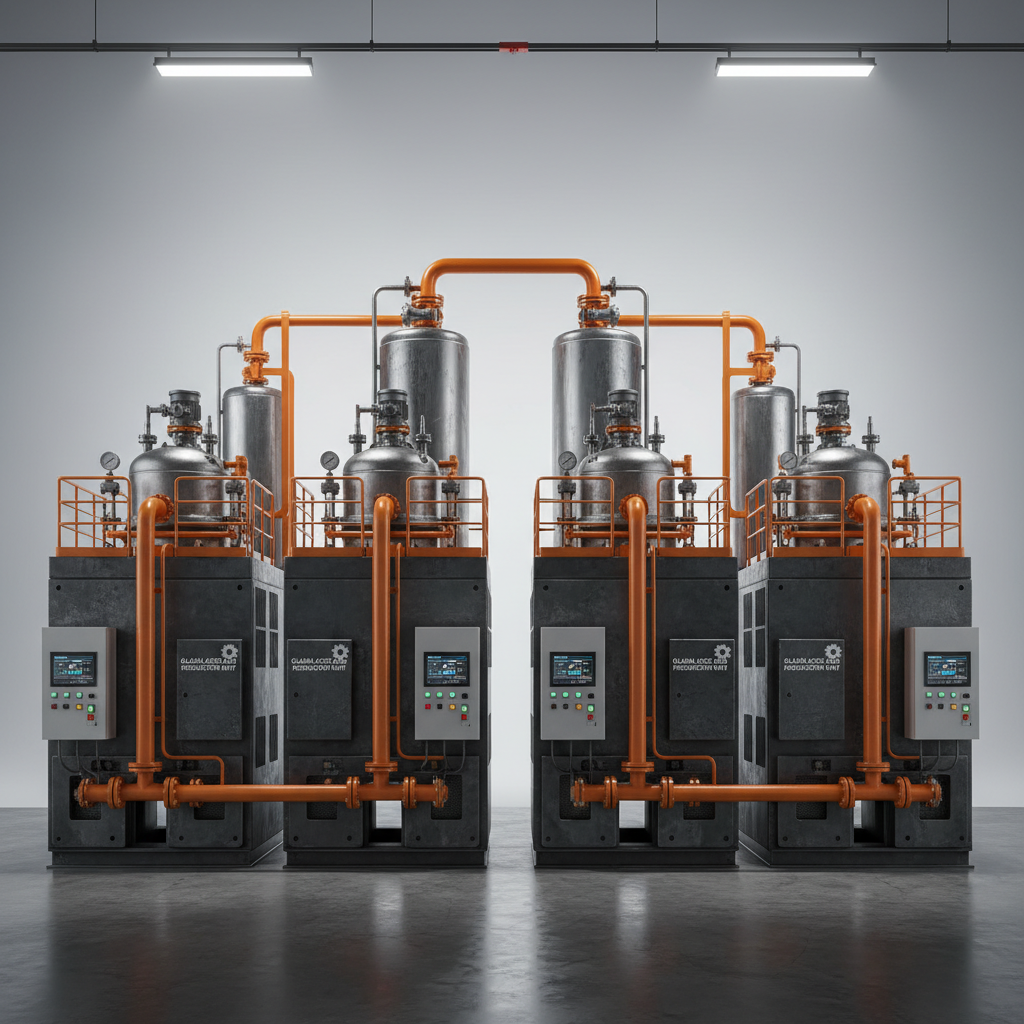
The future of glacial ethanoic acid is being shaped by digital transformation and automation. AI-driven dosing systems are now being integrated into production lines to monitor pH levels in real-time, adjusting the injection of acetic acid with micro-precision. This minimizes chemical waste and ensures that every unit produced is identical in quality.
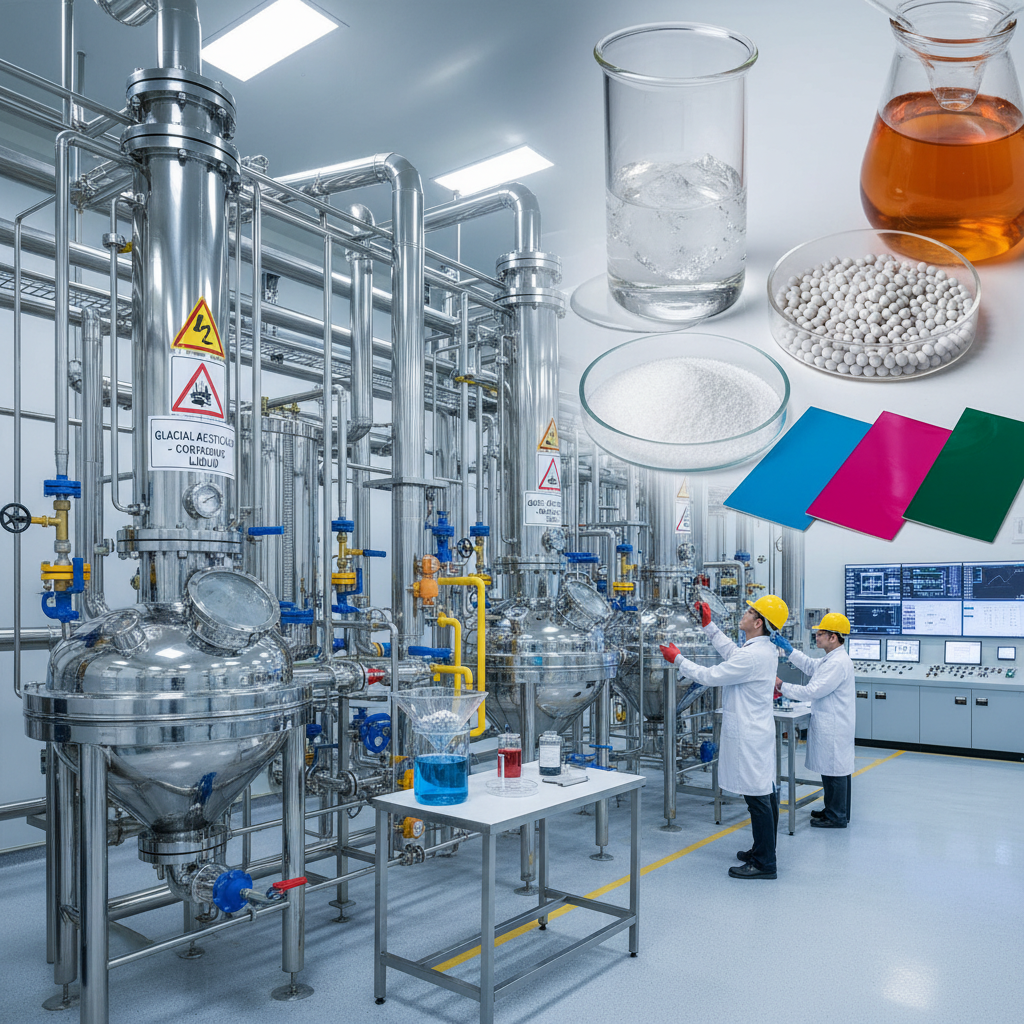
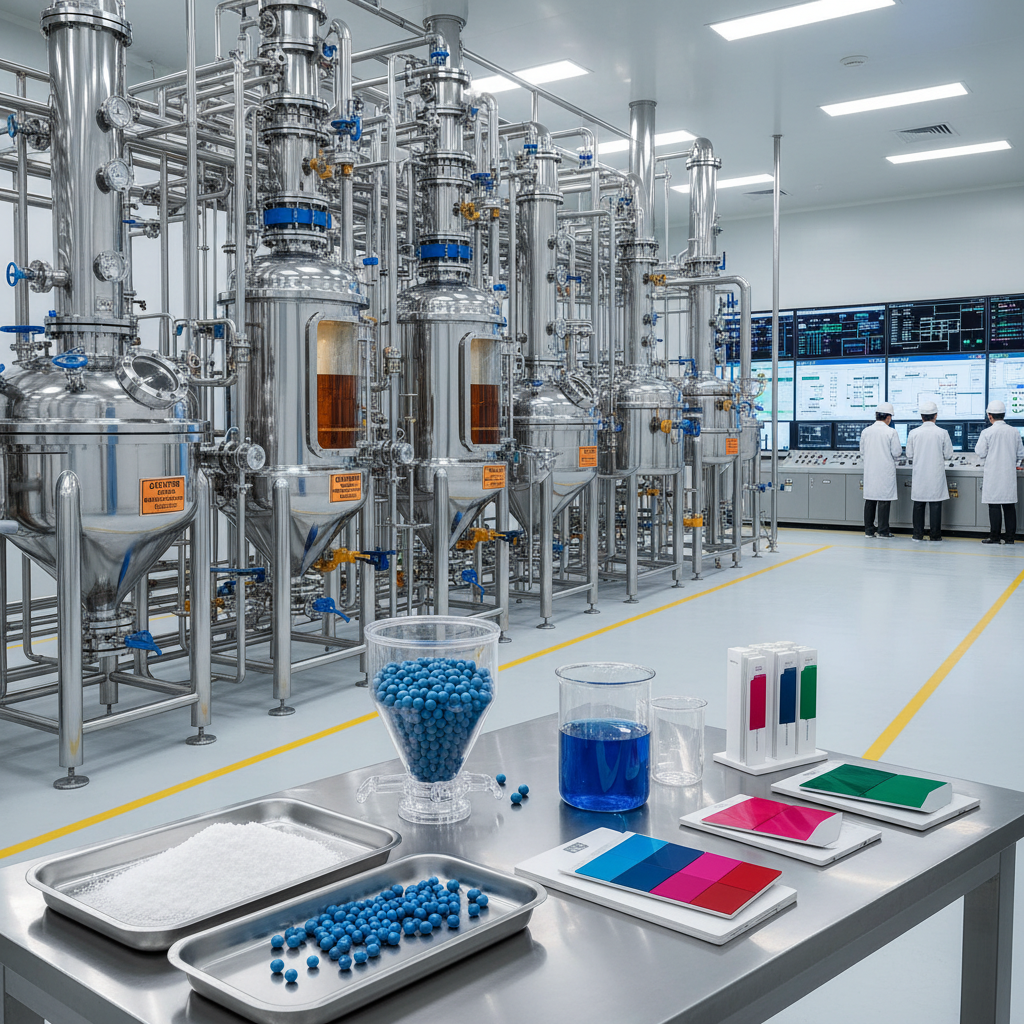
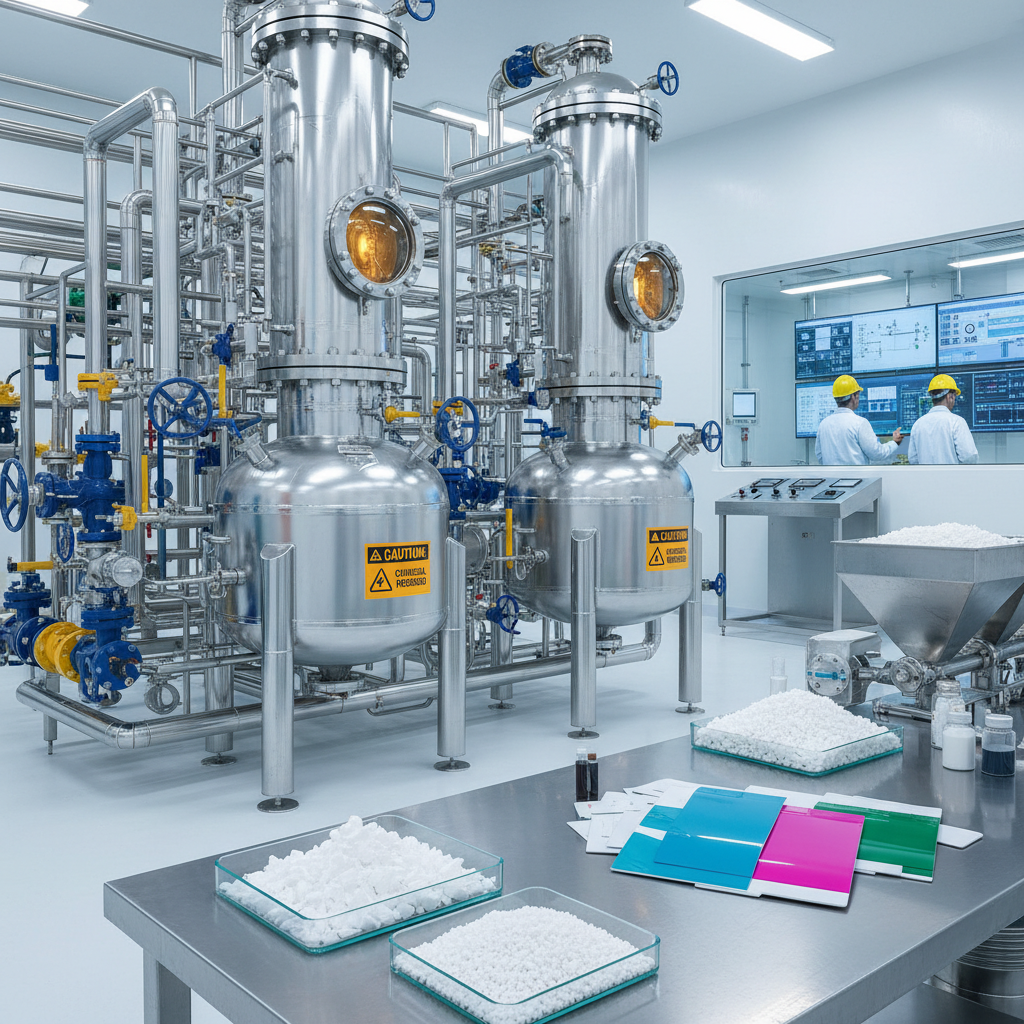
Despite these advances, the industry still struggles with the corrosive nature of the acid. Storage and transport of glacial ethanoic acid require specialized materials—such as high-grade stainless steel or fluorinated polymers—to prevent contamination and equipment failure. Innovative coating technologies are currently being developed to extend the lifespan of these containers, reducing the cost of infrastructure.
Looking ahead, we expect a stronger push toward circular economy models where acetic acid is recovered from waste streams and purified back to glacial grade. This "closed-loop" approach not only reduces the reliance on raw materials but also sets a new benchmark for the food additive industry in terms of environmental stewardship.
Comparative Analysis of Glacial Ethanoic Acid Production and Quality Standards
| Production Method |
Purity Level (%) |
Environmental Impact |
Industry Suitability |
| Methanol Carbonylation |
99.8% - 99.9% |
Moderate |
Industrial/Food Grade |
| Bio-Fermentation |
99.5% - 99.7% |
Low |
Organic/Premium Food |
| Oxidation of Acetaldehyde |
99.0% - 99.5% |
Moderate |
Technical Grade |
| Synthetic Ester Route |
99.7% - 99.8% |
High |
Pharmaceutical/Fine Chem |
| Waste Stream Recovery |
98.0% - 99.0% |
Very Low |
Industrial Cleaning |
| Advanced Catalytic Route |
99.9% + |
Low |
Ultra-Pure Food Grade |
FAQS
The primary difference is concentration and purity. Standard acetic acid is typically found in diluted forms (like vinegar, which is 4-8%), whereas glacial ethanoic acid is an anhydrous, highly concentrated form with a purity typically above 99%. It is called "glacial" because it freezes at 16.6°C, resembling ice, which is a characteristic of its purity.
No, glacial ethanoic acid is a highly concentrated caustic substance and should never be consumed directly. It is intended as a raw material for manufacturers. Once diluted to the appropriate levels in food products, it serves as a safe and effective pH regulator and preservative, provided it meets food-grade purity standards.
It should be stored in cool, well-ventilated areas using containers made of corrosive-resistant materials like 316L stainless steel or high-density polyethylene (HDPE). Since it can crystallize at temperatures below 16.6°C, some industrial facilities use temperature-controlled tanks to keep the acid in a liquid state for easier pumping and dosing.
Yes, especially when derived from bio-fermentation processes. By utilizing renewable feedstocks, glacial ethanoic acid provides a natural way to inhibit microbial growth and extend food shelf-life, reducing overall food waste. Its efficiency in low concentrations also minimizes the volume of additives required in the final product.
For food applications, you should ensure the supplier provides a Certificate of Analysis (CoA) and complies with ISO 9001 standards. Depending on the region, FCC (Food Chemicals Codex) or EFSA (European Food Safety Authority) compliance is essential to guarantee that the product is free from harmful contaminants and suitable for human consumption.
High purity ensures a "clean" acidic taste without the off-notes or chemical aftertastes associated with technical-grade acids. Because glacial ethanoic acid is so concentrated, it allows for precise titration, ensuring the final product has a consistent flavor profile across different production batches.
Conclusion
In summary, glacial ethanoic acid serves as a critical link in the food manufacturing chain, providing the purity and potency necessary for effective preservation, pH regulation, and flavor synthesis. From its unique physical property of "glaciating" to its diverse applications in global food security and industrial synthesis, this compound remains an irreplaceable tool for maintaining the highest standards of food safety and quality.
As the industry moves toward a more sustainable and digitally integrated future, the adoption of bio-based production and precision dosing will further enhance the value of this versatile acid. For manufacturers looking to optimize their production efficiency and ensure regulatory compliance, sourcing high-purity, certified food-grade acetic acid is not just a technical requirement—it is a strategic investment in brand integrity and consumer trust. Visit our website for more professional insights: www.ysxlglacialaceticacid.com


 English
  Belarusian
  Dutch
Dutch  French
  German
  Hindi
Hindi  Indonesian
  Japanese
  Korean
  Lao
Lao  Malay
Malay  Mongolian
  Myanmar
  Polish
  Portuguese
  Russian
  Spanish
  Tagalog
  Thai
Thai  Vietnamese