In the intricate world of food chemistry and industrial manufacturing, the role of glacial acetic acid and acetic acid cannot be overstated. These compounds serve as foundational building blocks for countless products, from basic preservatives to complex pharmaceutical synthesis, ensuring that food stays fresh and industrial processes remain efficient. Understanding the nuance between the concentrated "glacial" form and the diluted acid is essential for any manufacturer aiming for precision and safety in their production lines.
Across the global market, the demand for high-purity acetic acid continues to rise, driven by the expanding food processing sectors in Asia and the stringent quality standards in Europe and North America. As an essential acidulant and antimicrobial agent, it addresses the critical challenge of food spoilage and pH regulation, allowing producers to extend shelf life without compromising the sensory characteristics of the final product.
Whether utilized in the production of vinyl acetate monomer or as a direct additive in pickling and sauce manufacturing, glacial acetic acid and acetic acid provide a versatile chemical toolkit. By balancing potency with purity, these substances enable innovation in food science, ensuring that global food security is supported by reliable, scalable, and safe chemical interventions.
Global Relevance of Glacial Acetic Acid and Acetic Acid
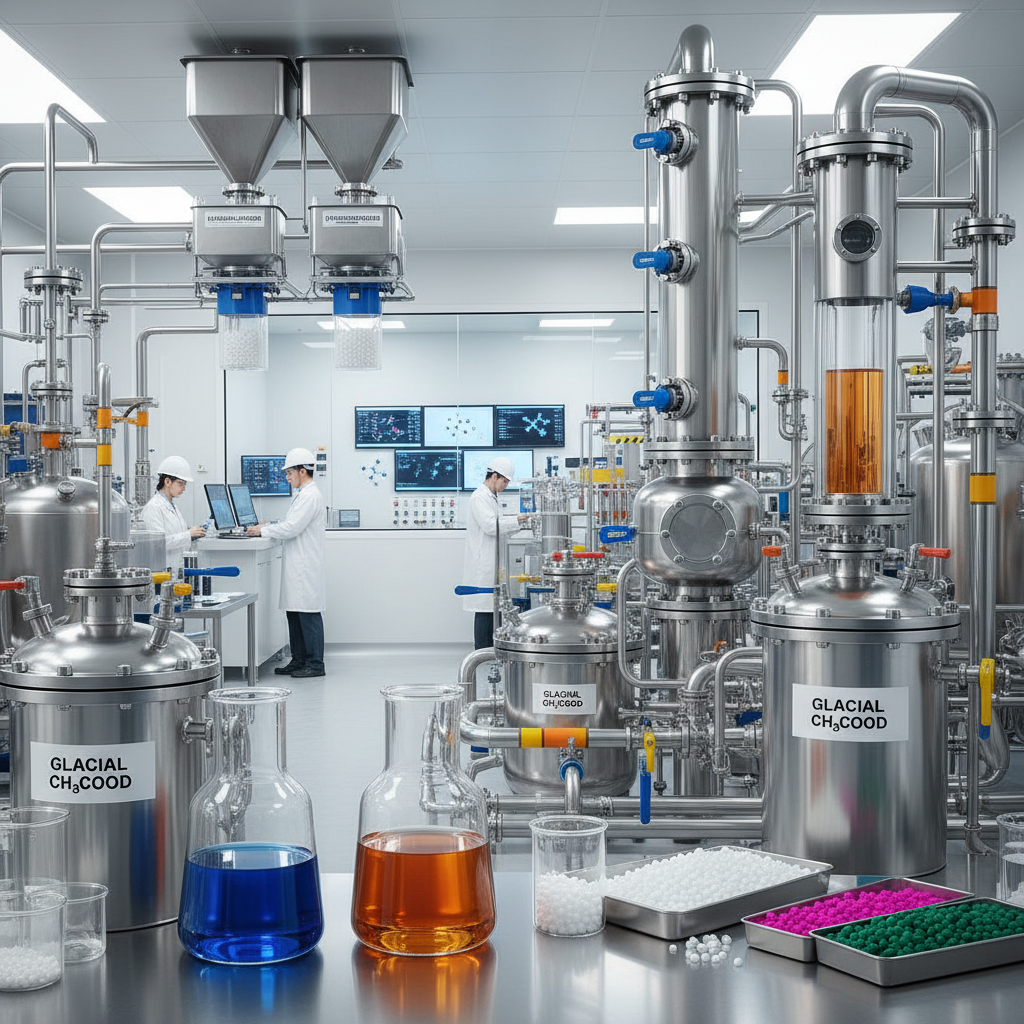
On a global scale, glacial acetic acid and acetic acid are integral to the stability of the food supply chain. According to industrial standards and trade data, millions of tons are produced annually to support the textile, plastic, and food industries. The sheer versatility of these acids makes them a staple in ISO-certified manufacturing plants worldwide, where they are used to maintain sterile environments and precise chemical reactions.
The global challenge today lies in the consistency of purity. For food-grade applications, even trace impurities can alter the taste profile or safety of a product. This has led to a surge in demand for "glacial" grade acetic acid—an anhydrous form that offers the highest concentration and purity, allowing manufacturers to minimize waste and maximize the effectiveness of their formulations in various climates.
Defining the Chemistry of Acetic Acid Variants
In simple terms, acetic acid is the organic compound that gives vinegar its characteristic sour taste and pungent smell. However, when we refer to glacial acetic acid and acetic acid in an industrial context, we are usually discussing the difference in water concentration. Standard acetic acid is often a diluted solution, whereas glacial acetic acid is an anhydrous (water-free) form that freezes at 16.6°C, resembling ice—hence the term "glacial."
This distinction is vital for modern industry. Glacial acetic acid is used when a high concentration of the acid is required without the introduction of extra water, which could interfere with specific chemical syntheses or increase shipping costs. It acts as a powerful solvent and a key intermediate in the production of esters and other organic compounds.
From a humanitarian and food safety perspective, these acids are essential for acidification. By lowering the pH of food products, they inhibit the growth of dangerous pathogens like Clostridium botulinum, making them indispensable for the safe global distribution of canned and preserved goods.
Core Technical Factors for Industrial Purity
When evaluating glacial acetic acid and acetic acid, the first critical factor is Chemical Purity. For food-grade applications, the acid must be free from heavy metals and organic impurities. High purity ensures that the acid performs its preservative function without introducing off-flavors or toxicity into the food chain.
Concentration Stability is equally important. Glacial acetic acid must maintain a purity level typically above 99.8%. This stability allows chemical engineers to calculate exact stoichiometric ratios in reactions, reducing the risk of batch failure and ensuring that the final output meets strict regulatory requirements.
Finally, Corrosivity and Handling are the primary operational concerns. Due to the high potency of glacial acetic acid and acetic acid, the choice of storage materials—such as high-density polyethylene (HDPE) or stainless steel—is non-negotiable to prevent contamination and ensure worker safety.
Global Applications and Use Cases
The application of glacial acetic acid and acetic acid spans multiple continents and industries. In the food sector, it is widely used in the production of sauces, pickles, and condiments across Southeast Asia and Europe. Its ability to act as a pH regulator makes it essential for maintaining the texture and color of processed vegetables and fruits.
Beyond food, these acids are critical in the pharmaceutical industry for the synthesis of aspirin and other analgesics. In remote industrial zones, where water purity might be an issue, glacial acetic acid is preferred because it provides a concentrated, controlled source of acidity that does not rely on local water sources for dilution until the final step of the process.
Efficiency Ratings of Glacial Acetic Acid and Acetic Acid Methods
Strategic Advantages and Long-Term Value
Utilizing high-quality glacial acetic acid and acetic acid offers tangible economic benefits. By using the glacial form, companies reduce shipping costs and storage footprints, as they are transporting the active ingredient rather than water. This logistical efficiency directly translates to lower overhead and a smaller carbon footprint for the supply chain.
From a quality assurance perspective, the reliability of these acids fosters trust between B2B partners. When a food manufacturer can guarantee a consistent pH level across millions of units, they protect their brand reputation and ensure consumer safety. The long-term value lies in this intersection of reliability, cost-efficiency, and the unwavering commitment to food purity.
Future Trends in Acetic Acid Production
The future of glacial acetic acid and acetic acid is leaning heavily toward "Green Chemistry." There is a significant shift toward bio-based acetic acid production through the fermentation of renewable biomass. This reduces reliance on fossil-fuel-derived methanol, aligning industrial production with global sustainability goals and ESG (Environmental, Social, and Governance) criteria.
Digital transformation is also playing a role, with automated dosing systems utilizing real-time sensors to manage acid concentrations. These "smart" systems ensure that exactly the right amount of glacial acetic acid and acetic acid is used, eliminating human error and reducing chemical waste.
Furthermore, new catalyst technologies are emerging that allow for the production of high-purity glacial acid at lower temperatures and pressures. This innovation not only lowers energy consumption but also enhances the safety of the manufacturing process, paving the way for more localized, small-scale production hubs.
Overcoming Challenges in Acid Management
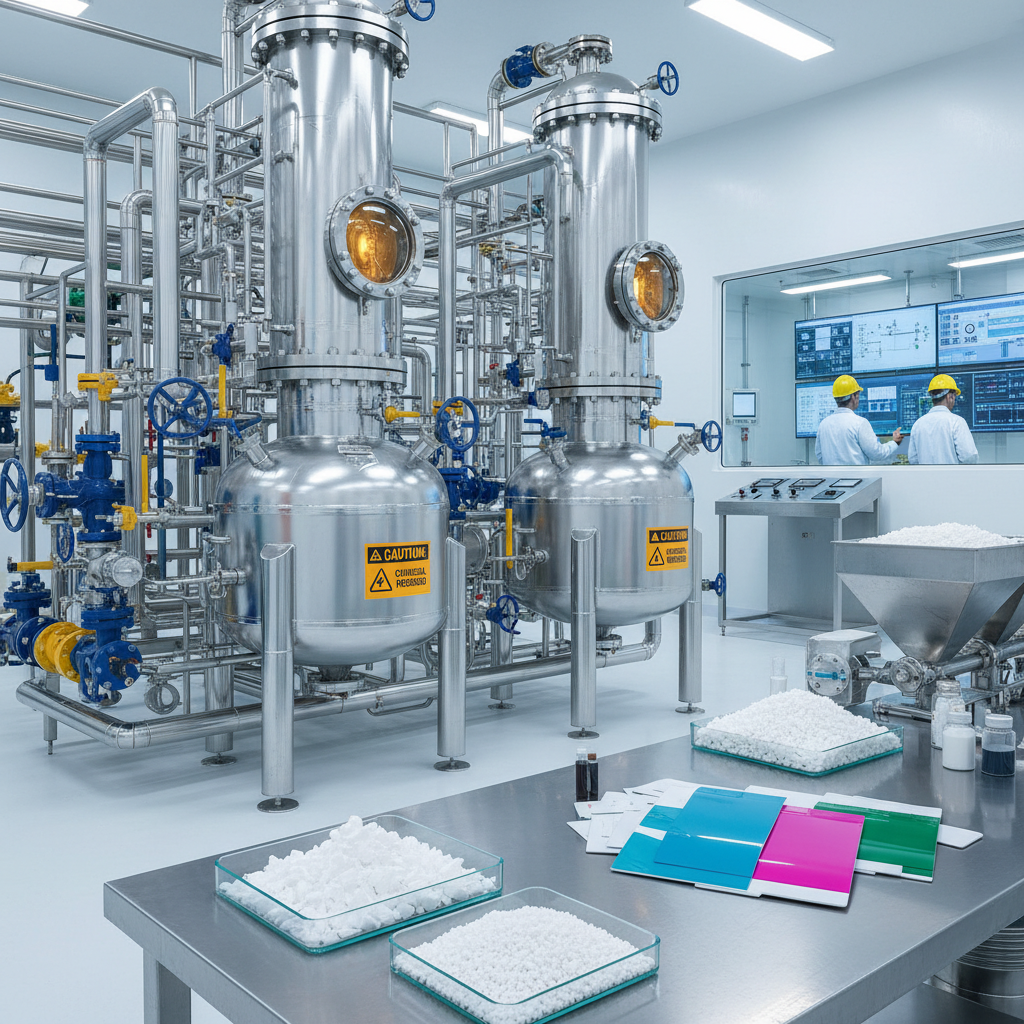
One of the primary challenges in handling glacial acetic acid and acetic acid is their corrosive nature. Many facilities struggle with the degradation of equipment over time. The expert solution is the implementation of a rigorous material compatibility audit, replacing carbon steel with high-grade alloys or fluoropolymer linings in high-stress areas.
Another common limitation is the risk of crystallization in colder climates, where glacial acetic acid can solidify in pipes. To overcome this, industrial plants are integrating heat-traced piping and temperature-controlled storage tanks, ensuring a continuous flow of the acid regardless of external weather conditions.
Lastly, regulatory compliance remains a hurdle. To ensure that glacial acetic acid and acetic acid meet international food safety standards, companies are adopting blockchain-based traceability. This allows every batch to be tracked from the raw material source to the final food product, providing an unbreakable chain of custody.
Comparison of Acetic Acid Grades and Industrial Performance
| Grade Type |
Purity Level |
Primary Food Use |
Stability Score (1-10) |
| Food Grade Glacial |
> 99.8% |
Preservatives/pH Control |
10 |
| Industrial Glacial |
99.0% - 99.7% |
Solvents/Chemical Synth |
9 |
| Diluted Food Grade |
10% - 50% |
Vinegar/Pickling |
8 |
| Technical Grade |
< 99% |
Textile Processing |
6 |
| Bio-based Acetic |
99.5% - 99.8% |
Organic Preservatives |
9 |
| Pharmaceutical Grade |
> 99.9% |
Drug Intermediate |
10 |
FAQS
The primary difference is the concentration of water. Acetic acid is a general term for the compound, often found in diluted forms (like vinegar). Glacial acetic acid is an anhydrous, highly concentrated form (usually >99%) that is called "glacial" because it freezes into ice-like crystals at temperatures slightly below room temperature (16.6°C). It is used when high purity and potency are required without additional water.
No, glacial acetic acid is highly concentrated and corrosive; it must never be consumed directly. It is "food-grade," meaning it meets purity standards for use in food production, but it must be diluted to safe levels (typically below 5% in final products like vinegar) before it can be safely consumed by humans. Always follow safety protocols and dilution ratios.
It should be stored in a cool, well-ventilated area, away from strong oxidizers and open flames. Because it is corrosive, storage containers should be made of compatible materials like HDPE or 316L stainless steel. To prevent the acid from freezing (which can cause container stress), temperature-controlled environments maintained above 20°C are recommended for liquid handling.
Yes, bio-based acetic acid produced via fermentation is chemically identical to synthetic acetic acid. The advantage is its sustainability and "natural" labeling, which is highly valued in the organic food market. Many manufacturers are switching to bio-based versions to reduce their carbon footprint while maintaining the same pH-regulating and preservative properties.
Contamination in glacial acetic acid usually manifests as a change in color (turning yellowish or brown) or the presence of visible precipitates (sediment). In food applications, any "off" smell beyond the typical pungent vinegar aroma can indicate the presence of impurities or degradation. Regular purity testing using titration or HPLC is recommended to ensure quality.
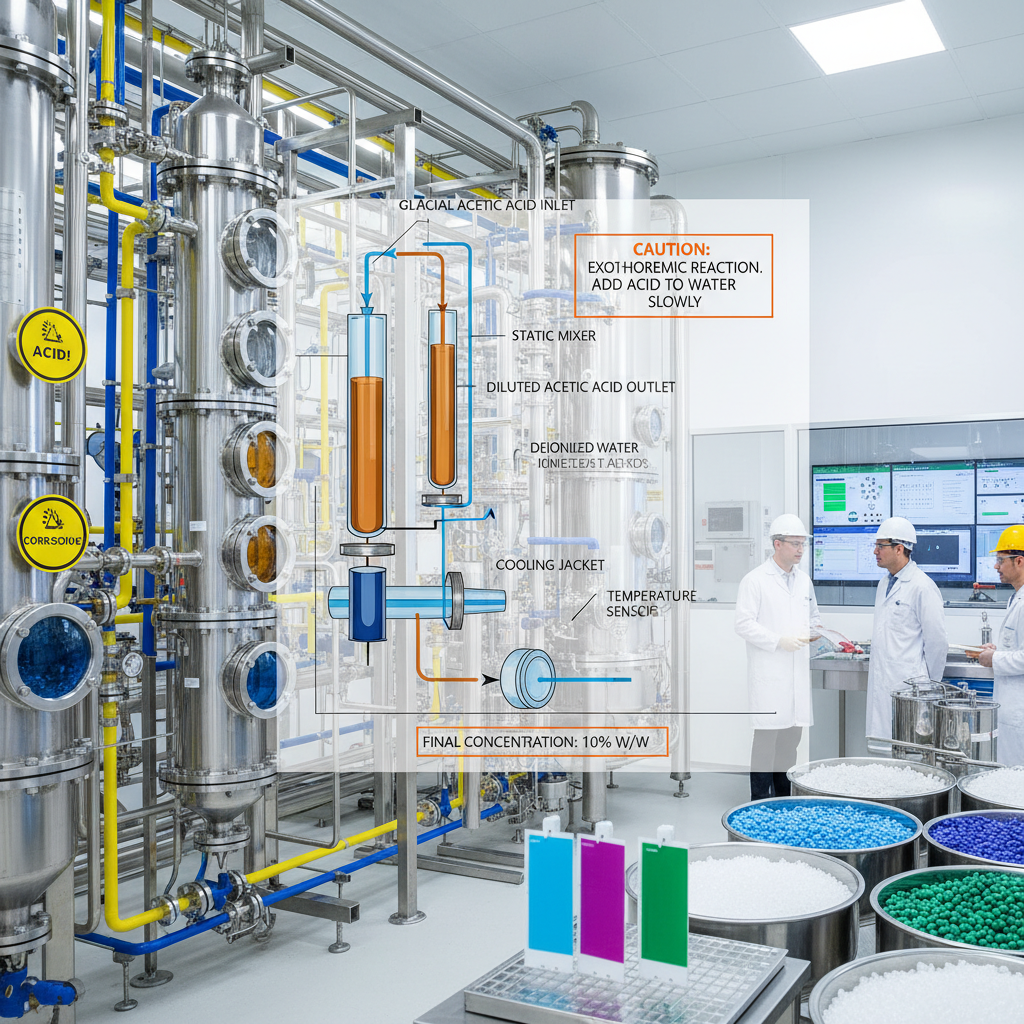
Dilution is typically calculated using the formula C1V1 = C2V2. For example, to create a 5% solution from 99% glacial acetic acid, you would mix approximately 1 part glacial acid with 19 parts distilled water. Always add the acid to the water (never water to acid) to avoid splashing and exothermic reactions, and use precise weighing scales for industrial accuracy.
Conclusion
In summary, glacial acetic acid and acetic acid are indispensable assets in the modern food and chemical landscape. From ensuring the microbial safety of preserved foods to enabling the synthesis of critical pharmaceuticals, these acids provide the necessary chemical precision and efficiency. By understanding the distinctions between grades, adhering to strict safety protocols, and embracing new sustainable production methods, manufacturers can maximize the value and safety of their operations.
Looking forward, the integration of green chemistry and digital automation will further refine how we utilize these powerful compounds. We encourage industry professionals to prioritize purity and sustainability in their sourcing to stay competitive in an increasingly regulated global market. For those seeking premium, high-purity solutions, we invite you to explore our specialized product range. Visit our website: www.ysxlglacialaceticacid.com


 English
  Belarusian
  Dutch
Dutch  French
  German
  Hindi
Hindi  Indonesian
  Japanese
  Korean
  Lao
Lao  Malay
Malay  Mongolian
  Myanmar
  Polish
  Portuguese
  Russian
  Spanish
  Tagalog
  Thai
Thai  Vietnamese