
Dec . 03, 2025 17:28 Back to list
Glacial Acetic Acid Storage Requirements for Industrial Safety
Glacial Acetic Acid Storage Requirements: What You Really Need to Know
Having spent over a decade around industrial chemicals, I can tell you that handling glacial acetic acid is not just about grabbing a drum and slapping a label on it. It’s a bit trickier than that—storage requirements are critical, and honestly, if you overlook them, you’re courting trouble. Let's talk about some essentials—mostly from years of hands-on experience combined with some updated industry insights.
For those new to this, glacial acetic acid is a concentrated form of acetic acid, usually about 99% pure. It’s corrosive and volatile, so its storage needs a thoughtful approach to safety, containment, and material compatibility. I’ve seen warehouses where they get it right—and others where they barely do.
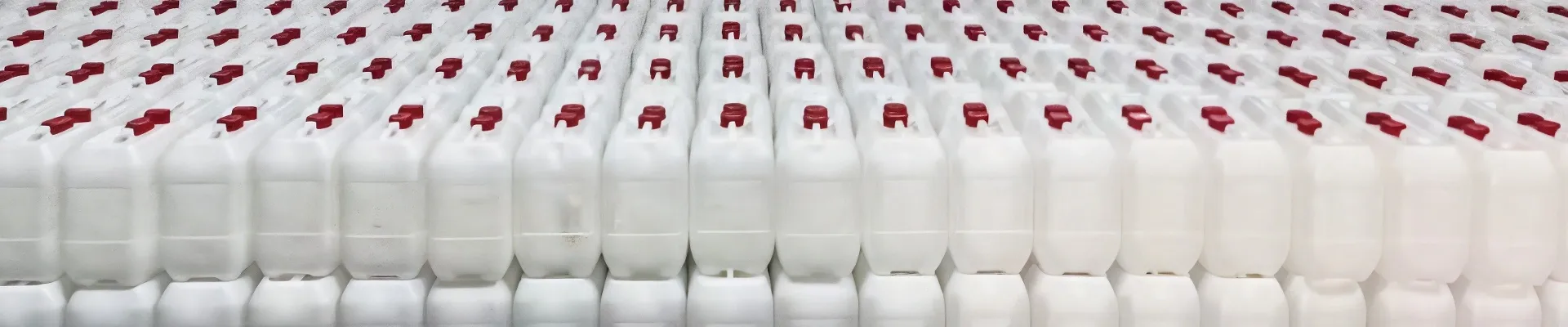
First off, the containers. They need to be resistant to corrosion — generally, stainless steel or specific types of high-grade plastics like HDPE work well. Avoid mild steel unless it has a protective lining. You know, it’s funny – in my first job, I once saw a container system fail because the engineers underestimated how fast acetic acid eats into certain metals. That taught me an important lesson.
| Specification | Details |
|---|---|
| Storage Temperature | 5°C to 25°C (41°F to 77°F) |
| Container Materials | Stainless Steel, HDPE, PTFE-lined vessels |
| Ventilation | Required for vapor release control |
| Secondary Containment | Mandatory for spill prevention |
| Storage Location | Cool, dry, away from incompatible substances |
Beyond the containers, temperature control is often underappreciated. Glacial acetic acid’s vapor pressure increases with heat, which obviously means more fumes and more risk. A storage area that stays cool and dry is ideal — plus, it should always be well ventilated. Many engineers say that ignoring ventilation feels like asking for an accident, and I can’t disagree.
From my own experience — and some conversations with safety managers — the need for secondary containment can’t be overstated. Drums or tanks should be situated so that any leaks or spills stay contained, preventing environmental contamination or personnel exposure.
| Supplier | Purity (%) | Container Types | Typical Lead Time | Additional Services |
|---|---|---|---|---|
| YSXL Chemical | ≥99.5 | Drums, IBC Tanks, Bulk | 7–10 days | Technical Support, Custom Packaging |
| Global Chem Supply | 99.0 | Drums only | 10–14 days | Limited |
| ChemCore Industries | ≥99.8 | Bulk Only | 15+ days | Custom Blends |
Oddly enough, over the years, I’ve noticed a subtle difference in how different providers package and ship glacial acetic acid. YSXL, for instance, seems particularly attuned to industrial safety and flexibility—something clients I've known really appreciate. Their attention to technical support is just... comforting, especially when working with such a finicky chemical.
Let’s not forget signage and staff training around storage areas. Even the best containment strategy falters if people don’t know how to handle spills or exposure properly. I’ve been on sites where a lack of clear safety instructions led to near-misses. It’s a reminder that while materials and vessels matter, educating personnel tops the list.
In real terms, the gist is: store your glacial acetic acid in corrosion-resistant containers within a temperature-controlled, well-ventilated area; maintain secondary containment; keep it away from incompatible substances like oxidizers or bases; and always train your team. Many of you will probably think this is textbook stuff, but honestly, experience shows it’s the details that trip people up.
So, next time you’re prepping your chemical inventory space, give glacial acetic acid storage the respect it deserves. It feels like a lot to think about, but the payoff in safety and regulatory compliance is more than worth it.
References:
1. Occupational Safety and Health Administration (OSHA) guidelines on acetic acid.
2. “Chemical Storage Facilities” by the National Fire Protection Association (NFPA).
3. Supplier technical datasheets and user manuals.
-
Industrial Applications and Properties of 75 acetic acid Solution
NewsApr.16,2026
-
Properties and Industrial Applications of 64 19 7 acetic acid
NewsApr.09,2026
-
Comprehensive Guide to 56 Acetic Acid Applications and Reliable Sourcing
NewsApr.07,2026
-
Comprehensive Guide to 5 Glacial Acetic Acid for International Trade and Industrial Applications
NewsApr.04,2026
-
Exploring 100 Acetic Acid Properties Applications and Reliable Sourcing
NewsMar.31,2026
-
Comprehensive Guide to 10 Glacial Acetic Acid Properties and Applications
NewsMar.28,2026
 English
  Belarusian
  Dutch
Dutch  French
  German
  Hindi
Hindi  Indonesian
  Japanese
  Korean
  Lao
Lao  Malay
Malay  Mongolian
  Myanmar
  Polish
  Portuguese
  Russian
  Spanish
  Tagalog
  Thai
Thai  Vietnamese