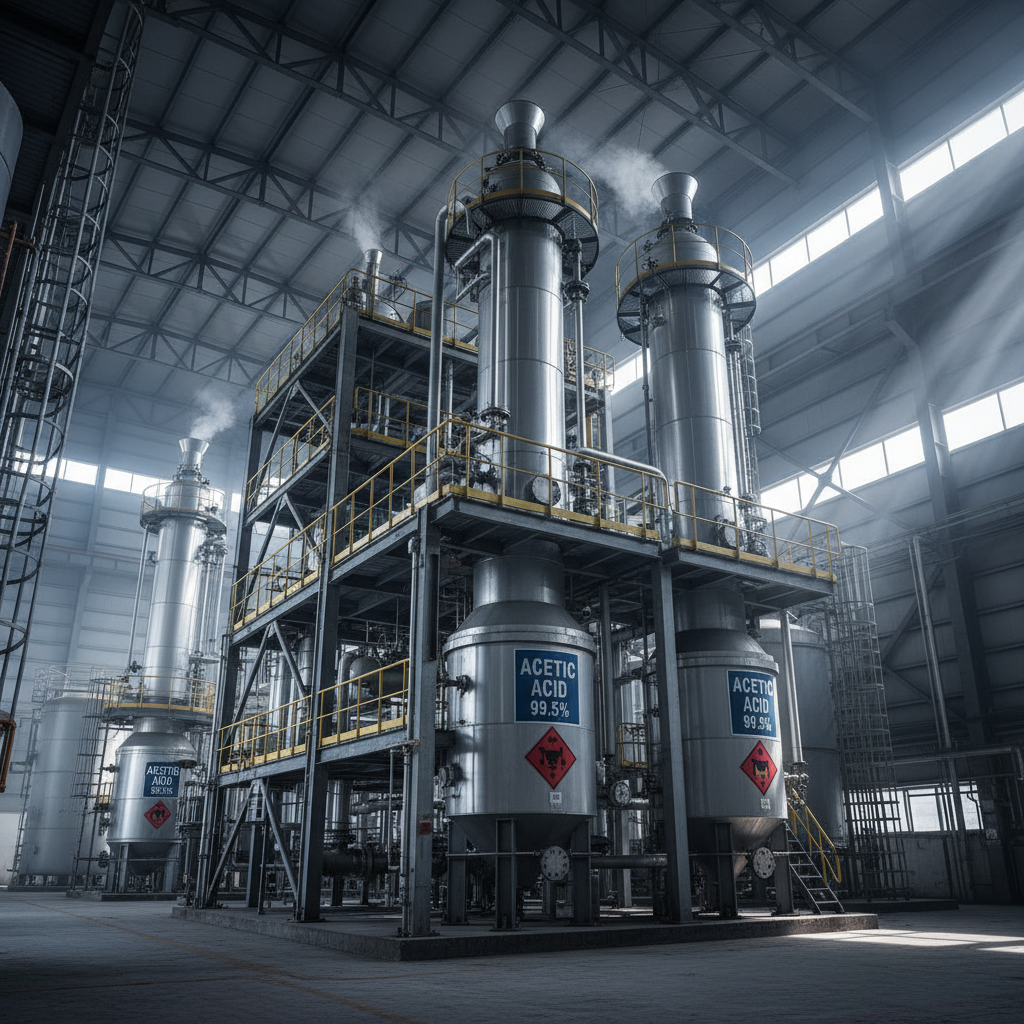
Acetic acid 99.5, also known as glacial acetic acid, is a cornerstone chemical in numerous industries worldwide. Its versatility stems from its strong acidic properties and its ability to act as a solvent. From the production of vinyl acetate monomer (VAM) – a vital component in paints, adhesives, and textiles – to its use in the food industry as a preservative, acetic acid 99.5 is an indispensable ingredient in countless everyday products. Understanding its properties, production methods, and applications is crucial for professionals across diverse fields, as well as for anyone interested in the chemical foundations of modern manufacturing.
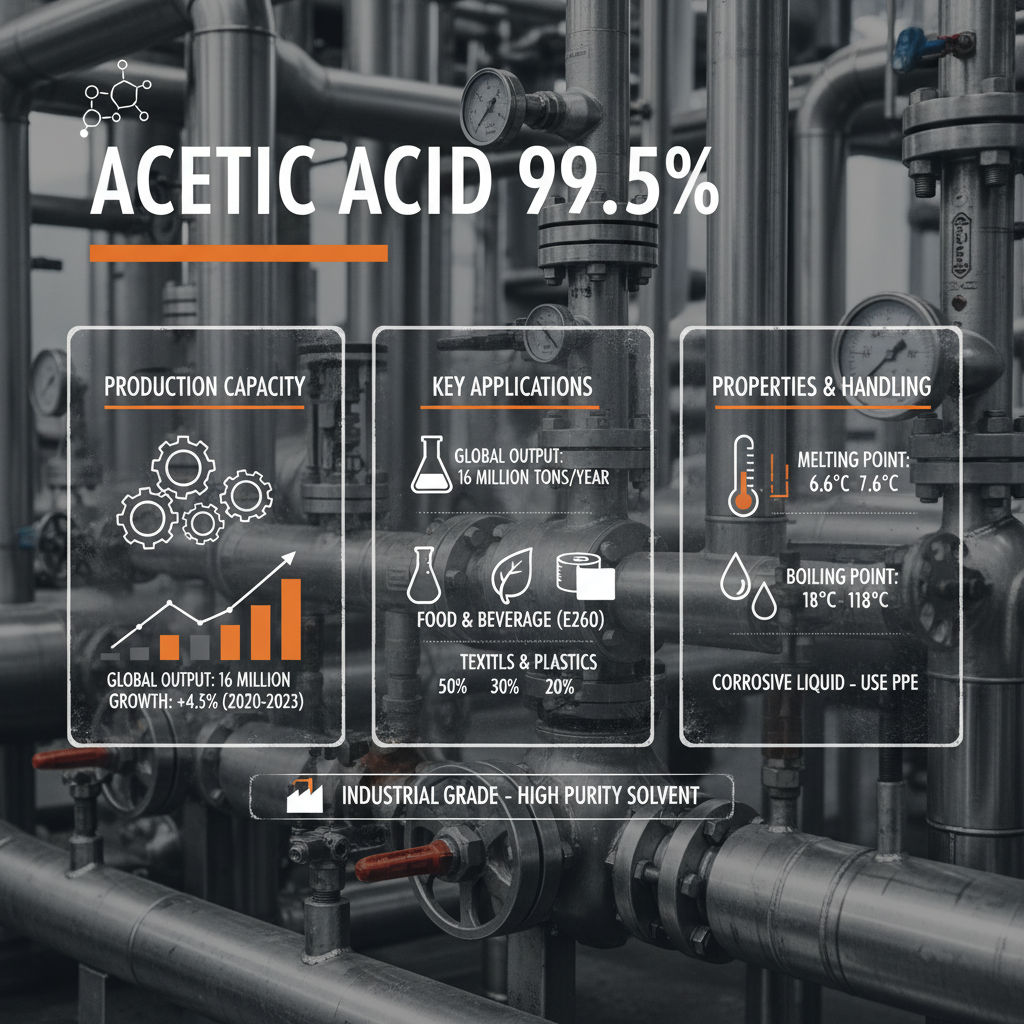
The global demand for acetic acid 99.5 is consistently high, driven by the expanding economies of Asia-Pacific, particularly China and India. These regions are witnessing rapid growth in industries that heavily rely on acetic acid, such as textiles, plastics, and pharmaceuticals. According to data from the International Organization for Standardization (ISO), production capacity has been increasing steadily to meet this demand. This growth, however, presents challenges related to sustainable production and responsible handling of this potent chemical, pushing for innovation in greener manufacturing processes.
Acetic acid 99.5 isn't just an industrial chemical; it plays a critical role in modern humanitarian efforts. Its antiseptic properties are utilized in healthcare settings, and its ability to adjust pH levels makes it valuable in water treatment processes. Furthermore, its use in the production of biodegradable plastics offers a pathway toward more environmentally friendly packaging solutions, addressing growing global concerns about plastic pollution. It's a chemical with both significant industrial impact and the potential for positive social and environmental contribution.
The Global Significance of Acetic Acid 99.5
Acetic acid 99.5 is a globally traded commodity, impacting a vast network of industries. Its production and consumption are key indicators of economic activity, particularly in manufacturing. The United Nations Comtrade database highlights significant trade flows between countries specializing in acetic acid production – such as China, the United States, and European nations – and those relying on it as a raw material for diverse applications. This interconnectedness makes efficient and sustainable production crucial for maintaining global supply chains.
The increasing demand for acetic acid 99.5 also underscores the need for advancements in production technology. Traditional methods often rely on fossil fuels, contributing to greenhouse gas emissions. Innovations focusing on bio-based acetic acid production – using renewable feedstocks like biomass – are gaining traction, driven by both environmental concerns and the desire for greater resource independence.
Defining Acetic Acid 99.5
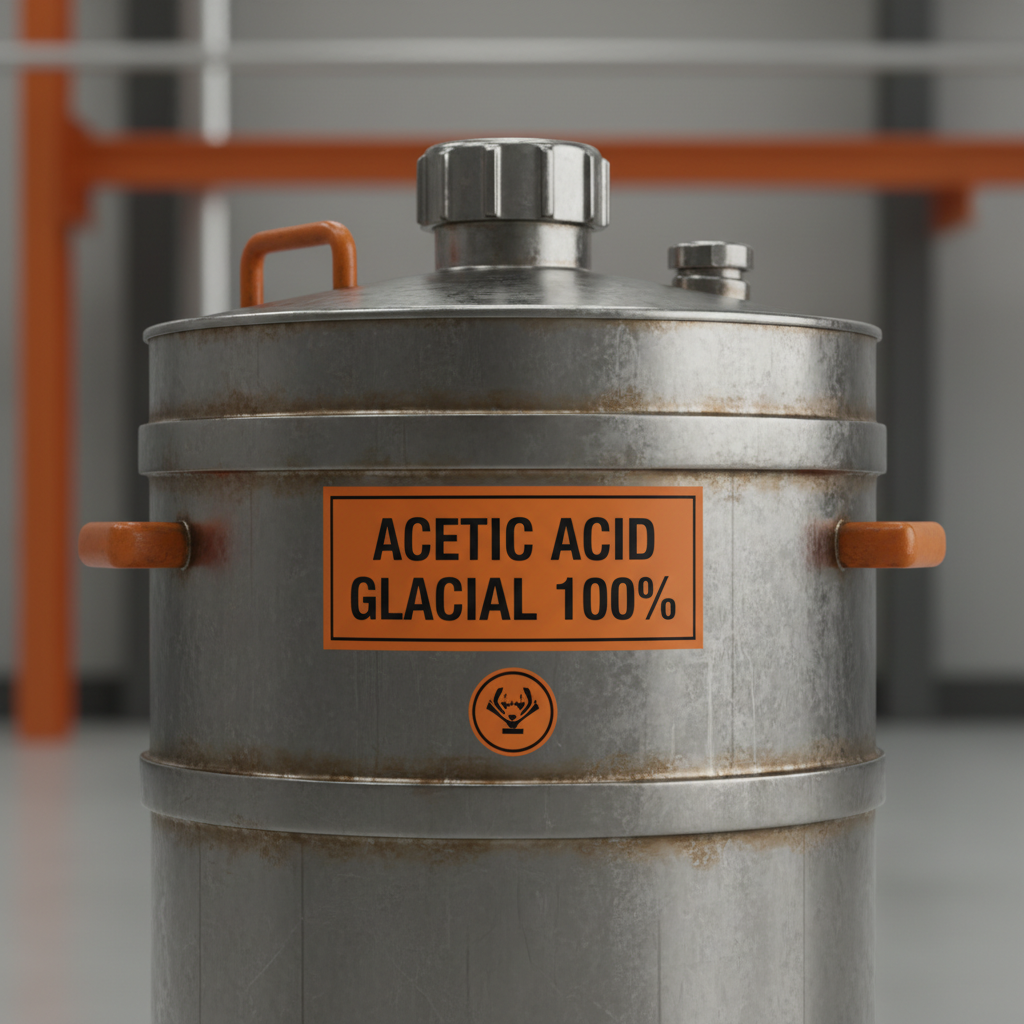
Acetic acid 99.5 is a colorless liquid organic compound with a characteristic pungent odor. The "99.5" designation refers to its purity level, indicating that it contains at least 99.5% acetic acid by weight. Chemically, it’s a carboxylic acid, possessing the formula CH3COOH. Its ability to donate a proton (H+) gives it its acidic properties, making it a potent agent in various chemical reactions.
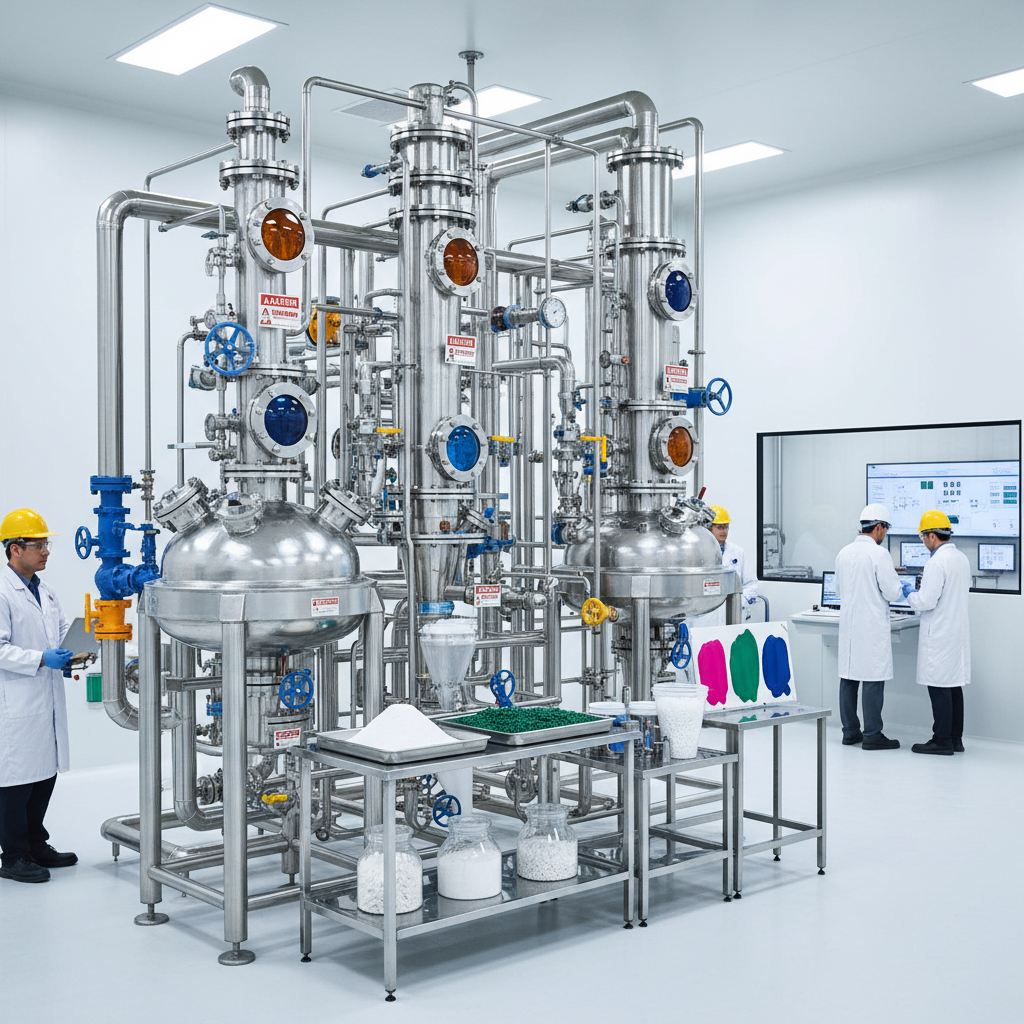
In modern industry, acetic acid 99.5 is a critical building block for a wide range of downstream products. It serves as a precursor to vinyl acetate monomer (VAM), a key component in polyvinyl acetate (PVA) adhesives, paints, and textile finishes. Furthermore, it’s used in the production of cellulose acetate, a material employed in photographic film, cigarette filters, and textiles.
Beyond industry, acetic acid 99.5 also has humanitarian applications. Diluted solutions are used as antiseptics, and its ability to control pH levels makes it valuable in water purification and food preservation. This dual role – as an industrial cornerstone and a resource for essential needs – emphasizes its global importance.
Core Properties of Acetic Acid 99.5
One of the key properties of acetic acid 99.5 is its hygroscopicity – its ability to readily absorb moisture from the air. This characteristic requires careful storage in sealed containers to maintain its purity and concentration. Its miscibility with water, alcohol, and ether further enhances its versatility as a solvent in numerous chemical processes.
Acetic acid 99.5 exhibits a relatively low flash point, meaning it can ignite easily. This necessitates strict safety protocols during handling, storage, and transportation, including the use of appropriate personal protective equipment (PPE) and well-ventilated environments. Its corrosive nature also demands caution to prevent skin and eye contact.
The strong acidic nature of acetic acid 99.5 drives many of its reactions. It readily reacts with bases to form salts, and it participates in esterification reactions with alcohols to create esters – compounds widely used as fragrances and flavorings. These reactions are fundamental to its role in organic chemistry and industrial synthesis.
Key Factors Influencing Acetic Acid 99.5 Applications
The cost of acetic acid 99.5 is a primary factor influencing its application in various industries. Fluctuations in raw material prices (like methanol and ethylene) and energy costs directly impact the overall production cost, which in turn affects the economic viability of using acetic acid in different processes. Efforts to optimize production efficiency and explore alternative feedstocks are crucial for maintaining competitive pricing.
Environmental regulations play an increasingly significant role in determining the permissible uses of acetic acid 99.5 and the required waste management practices. Stricter standards regarding emissions and effluent discharge are driving the adoption of cleaner production technologies and the development of more sustainable disposal methods.
Acetic Acid 99.5 Production Methods - Efficiency Ratings
Global Applications and Use Cases of Acetic Acid 99.5
In the textile industry, acetic acid 99.5 is widely used in the production of acetate fibers, which are known for their luxurious feel and drape. Countries like China and India, leading textile manufacturers, are major consumers of acetic acid for this application. It’s also crucial in dyeing processes, ensuring colorfastness and vibrancy.
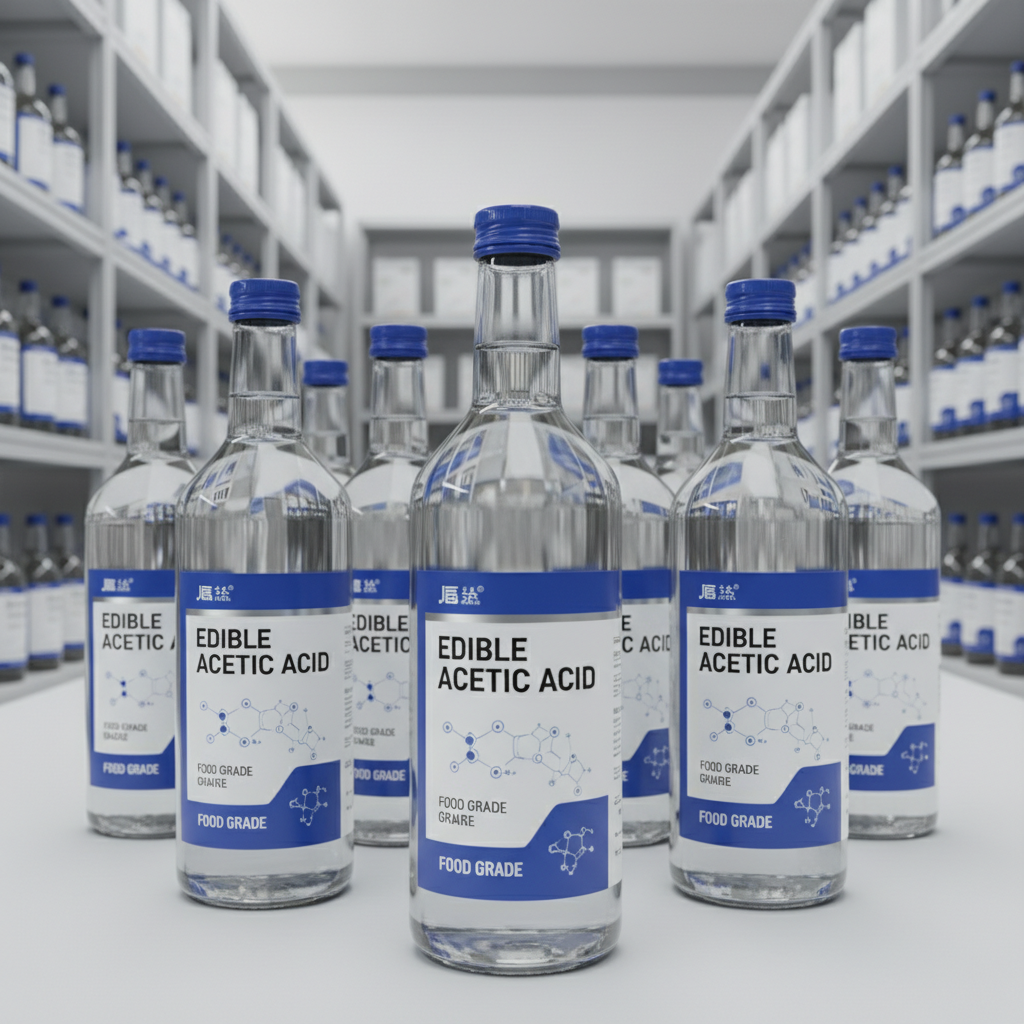
The food and beverage industry utilizes acetic acid 99.5 as a preservative, particularly in vinegar production. It inhibits the growth of bacteria and molds, extending the shelf life of various food products. Across Europe and North America, large-scale food processing plants rely on high-purity acetic acid to maintain stringent quality control standards.
Advantages and Long-Term Value of Acetic Acid 99.5
The relative cost-effectiveness of acetic acid 99.5, compared to some alternative chemicals, makes it an attractive choice for many industrial applications. While production costs can fluctuate, ongoing innovations in manufacturing are helping to maintain competitive pricing. Furthermore, its versatility – its ability to function as a solvent, preservative, and chemical intermediate – reduces the need for multiple specialized chemicals.
From a sustainability perspective, the growing availability of bio-based acetic acid offers a pathway toward reduced reliance on fossil fuels. Investing in and scaling up these sustainable production methods will not only minimize environmental impact but also enhance the long-term resilience of the acetic acid supply chain.
Future Trends and Innovations in Acetic Acid 99.5
Research into novel catalytic processes for acetic acid production is ongoing, aiming to improve efficiency, reduce energy consumption, and minimize waste generation. These advancements could lead to significant cost savings and environmental benefits. Furthermore, the integration of artificial intelligence (AI) in process optimization – using machine learning to predict and control reaction parameters – holds promise for enhancing yield and purity.
The development of more sustainable packaging materials utilizing cellulose acetate derived from acetic acid 99.5 is gaining momentum. These biodegradable alternatives to traditional plastics offer a solution to the growing problem of plastic pollution. Government incentives and consumer demand for eco-friendly products are expected to accelerate this trend.
Digitalization and blockchain technology are being explored to improve supply chain transparency and traceability. This can help ensure the authenticity and quality of acetic acid 99.5, combating counterfeiting and building trust among consumers and industrial users.
Challenges and Solutions in Acetic Acid 99.5 Handling and Production
One of the major challenges in acetic acid 99.5 handling is its corrosive nature. Prolonged exposure can damage equipment and pose safety risks to personnel. The solution lies in implementing robust safety protocols, utilizing corrosion-resistant materials in storage tanks and pipelines, and providing comprehensive training to employees.
The environmental impact of traditional acetic acid production methods, particularly those relying on fossil fuels, remains a concern. Investing in research and development of bio-based alternatives, as well as carbon capture technologies, can significantly reduce the carbon footprint of the industry. Collaboration between academic institutions and industrial partners is crucial for driving these innovations.
Maintaining consistent product quality and purity is paramount. Implementing rigorous quality control measures throughout the production process, utilizing advanced analytical techniques, and adhering to international standards (like ISO certifications) can ensure that acetic acid 99.5 consistently meets the requirements of diverse applications.
Acetic Acid 99.5 Production Challenges and Mitigation Strategies
| Challenge Area |
Severity (1-10) |
Mitigation Strategy |
Implementation Cost (USD) |
| Corrosion of Equipment |
8 |
Use of corrosion-resistant alloys and coatings |
50,000 - 200,000 |
| Fossil Fuel Dependence |
9 |
Investment in bio-based production technologies |
1,000,000 - 5,000,000 |
| Waste Generation |
7 |
Implementation of waste recycling and recovery systems |
200,000 - 800,000 |
| Supply Chain Disruptions |
6 |
Diversification of raw material suppliers |
50,000 - 150,000 |
| Quality Control Issues |
5 |
Advanced analytical testing and process monitoring |
100,000 - 300,000 |
| Regulatory Compliance |
7 |
Continuous monitoring and adaptation to evolving regulations |
20,000 - 100,000 (annual) |
FAQS
Acetic acid 99.5 is predominantly used in the production of vinyl acetate monomer (VAM), a key ingredient in paints, adhesives, and textiles. It’s also critical in manufacturing cellulose acetate for films and fibers, as well as being employed as a solvent and chemical intermediate in numerous other chemical processes. Its versatility stems from its acidic properties and its ability to react with a wide range of compounds.
The purity of acetic acid 99.5 is typically verified through gas chromatography (GC) and titration methods. GC separates the components of the liquid, allowing for precise quantification of acetic acid content. Titration, using a standardized base, determines the acidity level, which correlates directly with the acetic acid concentration. These methods ensure adherence to stringent quality control standards.
Acetic acid 99.5 is corrosive and can cause severe burns upon skin or eye contact. Always wear appropriate personal protective equipment (PPE), including gloves, safety goggles, and a lab coat. Work in a well-ventilated area to avoid inhaling vapors. In case of contact, immediately flush the affected area with copious amounts of water and seek medical attention.
Yes, bio-based acetic acid production, utilizing renewable feedstocks like biomass, is emerging as a sustainable alternative. This process relies on fermentation technologies to convert sugars into acetic acid, reducing reliance on fossil fuels. While still under development, bio-based acetic acid holds significant promise for a more environmentally friendly future.
The cost of acetic acid 99.5 directly affects the profitability of downstream industries that rely on it as a raw material. Fluctuations in production costs, driven by factors like raw material prices and energy costs, can lead to price increases for end products. Companies often seek to optimize their processes and explore alternative suppliers to mitigate these cost pressures.
The storage and transportation of acetic acid 99.5 are subject to regulations set forth by organizations like the Department of Transportation (DOT) and international bodies governing hazardous materials. These regulations address labeling, packaging, and shipping requirements to ensure safe handling and prevent accidents. Compliance is crucial for avoiding penalties and ensuring public safety.
Conclusion
Acetic acid 99.5 stands as a vital chemical building block with far-reaching implications across numerous industries. From its role in textile production and food preservation to its growing potential in sustainable materials and bio-based manufacturing, its versatility is undeniable. Understanding its properties, production methods, and evolving applications is paramount for professionals and researchers alike.
Looking ahead, continued innovation in sustainable production techniques, coupled with the integration of digital technologies, will be key to maximizing the long-term value of acetic acid 99.5. Prioritizing safety, environmental responsibility, and supply chain resilience will ensure that this essential chemical continues to contribute to a more sustainable and prosperous future. For more information or to explore our range of acetic acid 99.5 products, visit our website: www.ysxlglacialaceticacid.com



 English
  Belarusian
  Dutch
Dutch  French
  German
  Hindi
Hindi  Indonesian
  Japanese
  Korean
  Lao
Lao  Malay
Malay  Mongolian
  Myanmar
  Polish
  Portuguese
  Russian
  Spanish
  Tagalog
  Thai
Thai  Vietnamese