
Apr . 16, 2026 02:05 Back to list
Industrial Applications and Properties of 75 acetic acid Solution
Understanding 75 Acetic Acid: Applications, Properties, and Industrial Uses
In the vast realm of chemical synthesis and industrial processing, 75 acetic acid serves as a critical intermediate solution. Often utilized as a diluted form of glacial acetic acid, this specific concentration balances potency with ease of handling, making it indispensable for various manufacturing sectors. From textile processing to the production of vinyl acetate monomer, the versatility of this organic compound ensures its continued demand globally. In this comprehensive guide, we will explore the chemical nature, technical specifications, and the strategic advantages of integrating high-quality acetic acid solutions into your production line.
The Chemical Properties of 75 Acetic Acid
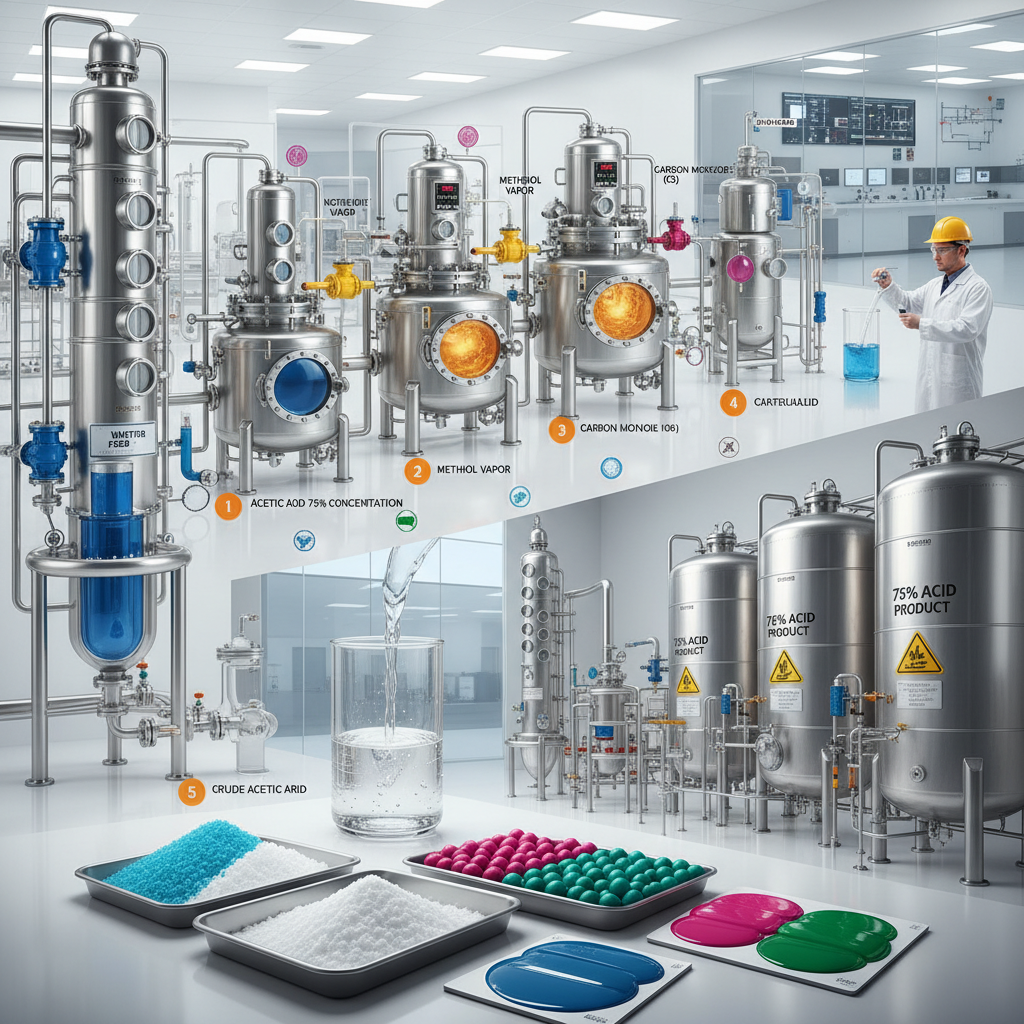
The effectiveness of 75 acetic acid lies in its acidity and solubility. As a colorless liquid with a pungent, vinegar-like odor, it acts as a weak acid but is highly reactive in the presence of catalysts. The 75% concentration is specifically engineered for processes where 100% glacial acetic acid would be too aggressive or hazardous for the equipment and personnel. Its ability to dissolve various organic and inorganic substances makes it a preferred solvent in laboratory settings and industrial cleaning agents. Stability and purity are the two most critical factors when sourcing this chemical to ensure consistent reaction yields.
Key Chemical Insight: The equilibrium between water and acetic acid in a 75% solution optimizes the pH level for specific esterification reactions, reducing the need for further dilution during the manufacturing process.
Industrial Applications of 75 Acetic Acid
The application spectrum for 75 acetic acid is remarkably broad. In the textile industry, it is used for dyeing and printing fabrics to maintain pH balance. In the food industry, although highly regulated, it serves as a precursor for preservatives. Moreover, it plays a pivotal role in the production of polymers and resins. The chemical is also widely used in the pharmaceutical sector as a reagent for synthesizing various API (Active Pharmaceutical Ingredients). By utilizing a pre-mixed 75% concentration, factories can significantly reduce the time spent on manual dilution, thereby increasing operational efficiency.
Primary Use Cases:
• Textiles: pH adjustment in dyeing processes
• Chemical Synthesis: Production of esters and acetates
• Agriculture: Formulating specific pesticide intermediates
• Cleaning: Industrial-grade descaling agents
Technical Specifications for 75 Acetic Acid
When procuring 75 acetic acid, it is imperative to verify the technical data sheet (TDS) to ensure it meets the purity standards required for your specific application. The concentration must be precise to avoid altering the chemistry of the final product. Below is a detailed specification table representing the industry standard for a high-grade 75% acetic acid solution.
75 Acetic Acid vs. Glacial Acetic Acid: Which to Choose?
A common dilemma for procurement managers is whether to purchase 75 acetic acid or the 99%+ glacial variety. Glacial acetic acid is more concentrated and cost-effective per unit of active acid, but it requires specialized handling and dilution equipment. In contrast, the 75% solution is "ready-to-use" for many applications, reducing the risk of exothermic reactions during dilution. For companies without advanced chemical mixing infrastructure, the 75% solution provides a safer, more convenient alternative without compromising the chemical integrity of the process.
Storage and Safety Handling of Acetic Acid
Safety is paramount when dealing with 75 acetic acid. Despite being diluted, it remains corrosive to skin and eyes. Storage containers should be made of corrosion-resistant materials such as high-density polyethylene (HDPE) or stainless steel. It should be stored in a cool, well-ventilated area away from strong oxidizing agents and open flames. Personnel should always wear appropriate Personal Protective Equipment (PPE), including chemical-resistant gloves and safety goggles, to prevent accidental exposure. Implementing a strict spill-response protocol ensures that any leakage is neutralized quickly, maintaining a safe workspace.
Sustainable Sourcing and Quality Control
In today's market, the quality of 75 acetic acid is determined by its consistency. Leading manufacturers employ rigorous quality control measures, including Gas Chromatography (GC) and automated titration, to ensure every batch meets the specific percentage requirements. Furthermore, sustainable sourcing practices are becoming essential. Choosing a supplier that adheres to environmental regulations for waste disposal and energy-efficient production not only ensures a stable supply chain but also enhances your company's green credentials. Always request a Certificate of Analysis (CoA) with every shipment to verify the specifications.
Conclusion: Optimizing Your Process with Premium Acetic Acid
Selecting the right concentration of acetic acid is a strategic decision that impacts both safety and productivity. The 75 acetic acid solution offers a perfect middle ground for industries requiring a potent yet manageable acidic reagent. By prioritizing purity, adhering to safety standards, and partnering with a professional supplier, businesses can ensure their chemical processes remain efficient and compliant. Invest in quality chemicals to secure the quality of your final products.
Frequently Asked Questions (FAQs)
What is the main difference between 75 acetic acid and glacial acetic acid?
The primary difference is the concentration. Glacial acetic acid is nearly 100% pure, meaning it can freeze into "ice-like" crystals at low temperatures (hence the term "glacial"). 75 acetic acid is a solution containing 75% acetic acid and 25% water. This lower concentration makes it less corrosive and easier to handle, eliminating the need for dangerous dilution steps in many industrial applications. It provides a safer alternative for workers while remaining effective for most pH adjustment and synthesis tasks.
How should I store 75 acetic acid to ensure longevity?
To maintain the quality of 75 acetic acid, store it in a cool, dry, and well-ventilated area. Use containers made of materials that do not react with acids, such as stainless steel or HDPE plastic; avoid using aluminum or copper containers as the acid will corrode them. Keep the containers tightly sealed to prevent evaporation and contamination. It is also recommended to store the chemical away from strong bases, oxidizing agents, and flammable materials to prevent hazardous chemical reactions. Regular temperature monitoring can help prevent degradation over time.
Is 75 acetic acid safe for all types of industrial equipment?
No, it is not safe for all equipment. Because it is an acid, it can be highly corrosive to certain metals. Carbon steel, aluminum, and galvanized metals are particularly susceptible to corrosion when exposed to 75 acetic acid. We strongly recommend using equipment lined with PTFE, glass, or constructed from high-grade stainless steel (such as 316L). Always conduct a compatibility test with your equipment's material before introducing the chemical into your production line to avoid costly leaks or equipment failure.
What are the most common signs of impurity in acetic acid solutions?
Pure 75 acetic acid should be a completely clear, colorless liquid. The most obvious sign of impurity is a yellowish or brownish tint, which may indicate the presence of organic contaminants or oxidation products. Another sign is the presence of suspended particulates or cloudiness, which suggests contamination or improper mixing. Additionally, if the pungent odor is accompanied by an unusual "chemical" or "burnt" smell, the product may have been contaminated during transport or storage. Always verify the batch with a Certificate of Analysis from your supplier to ensure purity.
-
Industrial Applications and Properties of 75 acetic acid Solution
NewsApr.16,2026
-
Properties and Industrial Applications of 64 19 7 acetic acid
NewsApr.09,2026
-
Comprehensive Guide to 56 Acetic Acid Applications and Reliable Sourcing
NewsApr.07,2026
-
Comprehensive Guide to 5 Glacial Acetic Acid for International Trade and Industrial Applications
NewsApr.04,2026
-
Exploring 100 Acetic Acid Properties Applications and Reliable Sourcing
NewsMar.31,2026
-
Comprehensive Guide to 10 Glacial Acetic Acid Properties and Applications
NewsMar.28,2026
 English
  Belarusian
  Dutch
Dutch  French
  German
  Hindi
Hindi  Indonesian
  Japanese
  Korean
  Lao
Lao  Malay
Malay  Mongolian
  Myanmar
  Polish
  Portuguese
  Russian
  Spanish
  Tagalog
  Thai
Thai  Vietnamese