
Jan . 27, 2026 19:05 Back to list
Exploring the Diverse Uses for Glacial Acetic Acid in Industry and Research
Uses for Glacial Acetic Acid: A Comprehensive Guide
Glacial acetic acid, a highly concentrated form of acetic acid, is a versatile chemical compound with a wide array of applications across various industries. Its strong acidic properties and solvent capabilities make it an invaluable component in numerous processes. This article will explore the diverse uses for glacial acetic acid, covering industrial applications, laboratory uses, and even some surprising household applications. Understanding these uses will highlight the significance of this chemical in modern manufacturing and research.
Industrial Applications of Glacial Acetic Acid
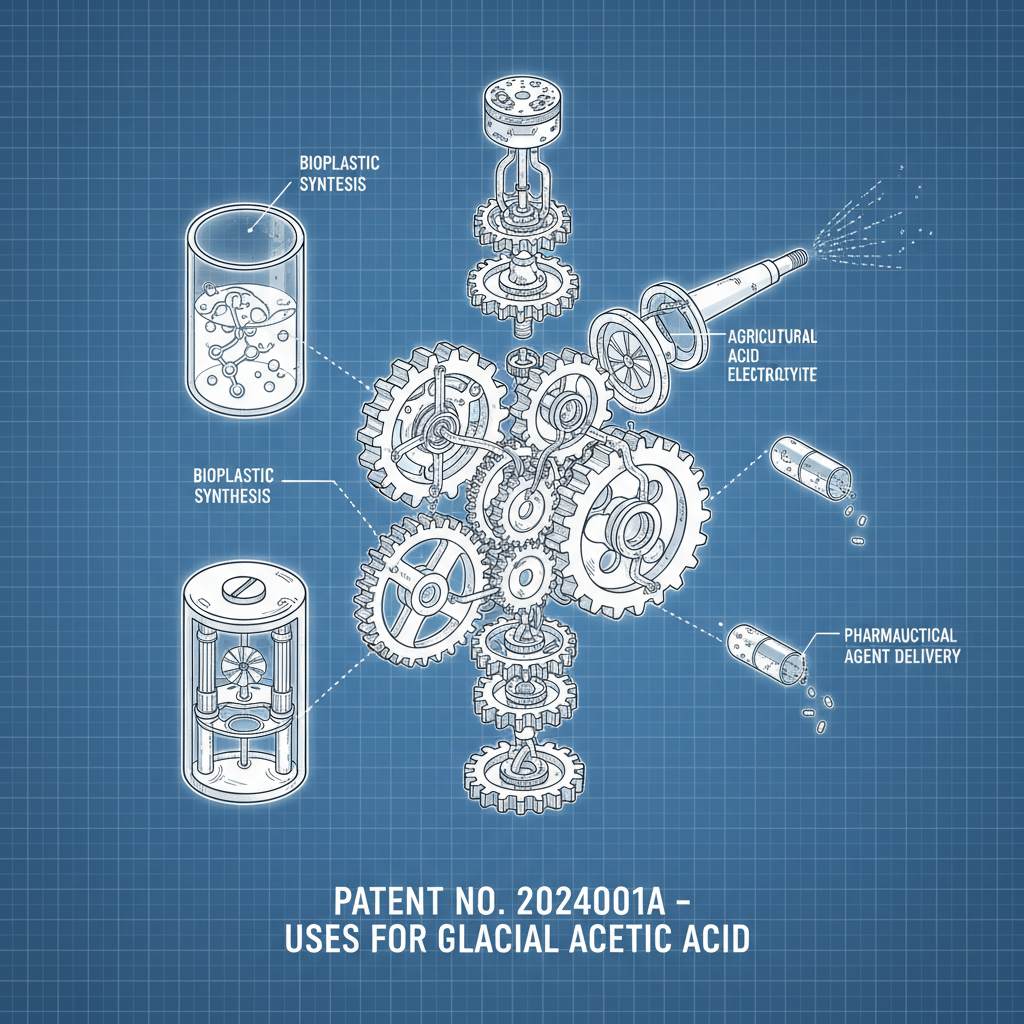
The bulk of glacial acetic acid production is directed towards industrial applications. One of the most significant uses is in the production of vinyl acetate monomer (VAM), a crucial building block for polymers used in paints, adhesives, textiles, and packaging. It also plays a key role in the manufacture of cellulose acetate, used in cigarette filters, textiles, and photographic film. Beyond these, glacial acetic acid serves as a solvent in the production of pharmaceuticals, plastics, and dyes. Its ability to dissolve various substances makes it a preferred choice in many chemical processes. The quality and concentration offered by suppliers like YSXL Glacial Acetic Acid are critical for maintaining process efficiency and product quality.
Key Highlights: Glacial acetic acid is fundamental in the production of VAM, cellulose acetate, and serves as a versatile solvent in diverse industries.
Glacial Acetic Acid in the Pharmaceutical Industry
The pharmaceutical sector relies heavily on glacial acetic acid for a variety of processes. It’s utilized as a reagent in the synthesis of various pharmaceutical compounds, acting as a catalyst or a solvent. It’s also employed in the purification and crystallization of drug intermediates. Moreover, glacial acetic acid finds application in the manufacturing of certain antibiotics and vitamins. The stringent quality control required in pharmaceutical production necessitates the use of high-purity glacial acetic acid, making reliable suppliers like YSXL essential partners.
Pharmaceutical Applications:
• Synthesis of drug compounds
• Purification and crystallization of intermediates
• Manufacturing of antibiotics and vitamins
Laboratory Uses: Glacial Acetic Acid as a Reagent
In laboratory settings, glacial acetic acid is a staple reagent. Its strong acidity makes it invaluable for titrations, acting as a standard solution. It’s also commonly used in acetic acid staining techniques in microscopy, enhancing contrast in biological samples. Furthermore, it's a vital component in various chemical reactions, including acetylation and esterification. Researchers depend on the consistent purity and concentration of glacial acetic acid to ensure the accuracy and reproducibility of their experiments.
Comparing Glacial Acetic Acid to Other Acetic Acid Solutions
While various concentrations of acetic acid exist, glacial acetic acid (typically 99.8%+) stands out due to its high purity and concentration. Dilute acetic acid solutions, such as household vinegar (typically 5% acetic acid), lack the potency required for many industrial and laboratory applications. Here’s a comparative look:
Unexpected Uses: From Photography to Textile Dyeing
Beyond its core industrial and laboratory roles, glacial acetic acid has some surprisingly diverse applications. It's used in the development of photographic films, acting as a stop bath to halt the development process. The textile industry utilizes it as a mordant in dyeing processes, helping fix the dye to the fabric. Even in some specialized cleaning applications, its solvent properties are exploited. These niche uses demonstrate the broad utility of this chemical.
YSXL Glacial Acetic Acid: Quality and Reliability
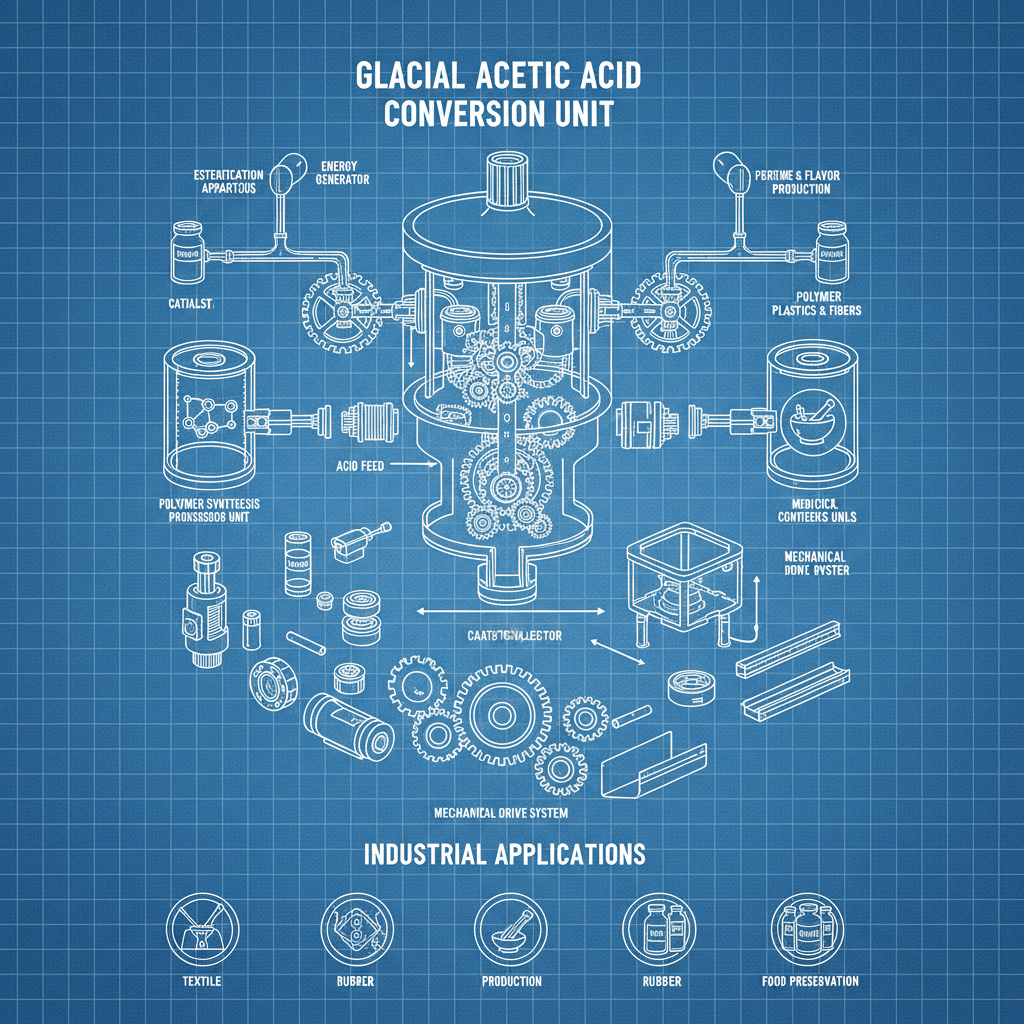
Choosing a reliable supplier is crucial when working with a potent chemical like glacial acetic acid. YSXL Glacial Acetic Acid provides consistently high-purity product, adhering to strict quality control standards. We offer various packaging options and reliable logistics to meet your specific needs.
Conclusion: The Indispensable Role of Glacial Acetic Acid
From large-scale industrial processes to critical laboratory experiments, glacial acetic acid plays an indispensable role. Its versatility, strong acidic properties, and solvent capabilities make it a cornerstone of numerous industries. Partnering with a reliable supplier like YSXL ensures consistent quality and reliable supply for your critical applications.
Frequently Asked Questions (FAQs)
What are the safety precautions when handling glacial acetic acid?
Glacial acetic acid is highly corrosive and can cause severe burns upon contact with skin and eyes. Always wear appropriate personal protective equipment (PPE), including gloves, safety goggles, and a lab coat. Work in a well-ventilated area to avoid inhaling fumes. In case of contact, immediately flush the affected area with copious amounts of water for at least 15 minutes and seek medical attention. Never add water to glacial acetic acid – always add acid to water slowly and with stirring to prevent splashing and heat generation. Proper handling procedures are crucial for ensuring a safe working environment.
How should glacial acetic acid be stored?
Glacial acetic acid should be stored in a tightly closed container, in a cool, dry, and well-ventilated area, away from incompatible materials such as strong bases, oxidizing agents, and metals. Avoid direct sunlight and heat sources. The storage area should be clearly labeled with appropriate hazard warnings. Containers should be made of materials resistant to acetic acid, such as glass or high-density polyethylene (HDPE). Ensure secondary containment is in place to contain any potential spills.
What is the difference between glacial acetic acid and white vinegar?
The primary difference lies in concentration. Glacial acetic acid is nearly pure acetic acid (around 99.8%), while white vinegar is a diluted solution typically containing 5% acetic acid. This difference in concentration dictates their applications. Glacial acetic acid is used in industrial processes and laboratory work where a high concentration is required, while white vinegar is primarily used for household purposes like cooking and cleaning. Due to its high concentration, glacial acetic acid is far more corrosive and requires careful handling.
Can glacial acetic acid be used to remove rust?
Yes, glacial acetic acid can be used to remove rust, though it’s important to exercise extreme caution. The acid dissolves the iron oxide (rust) through a chemical reaction. However, it will also attack the underlying metal if left for too long. It's generally recommended to use a diluted solution of acetic acid and monitor the process closely. Alternatively, other rust removal methods might be preferable to avoid potential damage to the base metal.
-
Industrial Applications and Properties of 75 acetic acid Solution
NewsApr.16,2026
-
Properties and Industrial Applications of 64 19 7 acetic acid
NewsApr.09,2026
-
Comprehensive Guide to 56 Acetic Acid Applications and Reliable Sourcing
NewsApr.07,2026
-
Comprehensive Guide to 5 Glacial Acetic Acid for International Trade and Industrial Applications
NewsApr.04,2026
-
Exploring 100 Acetic Acid Properties Applications and Reliable Sourcing
NewsMar.31,2026
-
Comprehensive Guide to 10 Glacial Acetic Acid Properties and Applications
NewsMar.28,2026
 English
  Belarusian
  Dutch
Dutch  French
  German
  Hindi
Hindi  Indonesian
  Japanese
  Korean
  Lao
Lao  Malay
Malay  Mongolian
  Myanmar
  Polish
  Portuguese
  Russian
  Spanish
  Tagalog
  Thai
Thai  Vietnamese