
Sep . 14, 2025 09:20 Back to list
Glacial Acetic Acid For Sale: High Purity & Bulk Supply
Precision Sourcing: Your Guide to glacial acetic acid for sale
In the dynamic landscape of chemical procurement, the demand for high-purity chemicals remains constant, particularly for compounds like glacial acetic acid. Renowned for its versatility and critical role across numerous industries, obtaining a reliable supply of this essential chemical is paramount for manufacturing, research, and development. This comprehensive guide delves into the specifics of sourcing glacial acetic acid, covering everything from its manufacturing intricacies and technical specifications to key application scenarios and vendor evaluation criteria. We aim to provide B2B decision-makers and technical professionals with the insights needed to make informed purchasing decisions, emphasizing quality, reliability, and technical proficiency.
As an anhydrous form of acetic acid, glacial acetic acid boasts a purity of typically 99.5% or higher, freezing into an ice-like solid at temperatures below 16.6°C (61.9°F), hence its "glacial" designation. Its unique properties make it indispensable in sectors ranging from food and beverage to pharmaceuticals, textiles, and petrochemistry. Understanding the nuances of its production, the stringent testing standards it must meet, and the diverse applications it enables is crucial for any enterprise seeking to optimize its supply chain for this vital chemical.
Industry Trends Shaping the Market for Glacial Acetic Acid
The global market for glacial acetic acid is experiencing significant evolution, driven by several macro-economic and technological trends. Increased demand from the polyethylene terephthalate (PET) industry, used in packaging and textiles, remains a primary growth driver. Furthermore, the burgeoning pharmaceutical sector, where it serves as a solvent and reagent, along with the expanding food preservation and flavor enhancement markets, are contributing to steady growth. There's also a growing emphasis on sustainable production methods and green chemistry, pushing manufacturers towards more eco-friendly processes and supply chain transparency.
Regulatory pressures, particularly concerning environmental impact and safety standards (e.g., those aligning with glacial acetic acid NFPA guidelines for handling and storage), are influencing market dynamics. Suppliers who demonstrate compliance and invest in advanced safety protocols are gaining a competitive edge. The shift towards higher-purity grades, especially food-grade and pharmaceutical-grade, is another notable trend, reflecting stricter quality requirements in sensitive applications. This upward trend underscores the importance of choosing a supplier capable of meeting these elevated specifications consistently.
Manufacturing Process of Glacial Acetic Acid
The production of high-purity anhydrous acetic acid, specifically food-grade glacial acetic acid, involves sophisticated chemical engineering processes. The dominant industrial method is the carbonylation of methanol, primarily through the Monsanto process or its more efficient successor, the Cativa process. Understanding this process is key to appreciating the quality and consistency of the final product.
Process Flow Diagram (Schematic Steps)
- Methanol & Carbon Monoxide Feed: High-quality methanol (CH₃OH) and carbon monoxide (CO) are introduced into a reactor. These are the primary raw materials.
-
Catalytic Carboxylation: In the presence of a rhodium-based (Monsanto) or iridium-based (Cativa) catalyst, methanol reacts with carbon monoxide to form acetic acid. The reaction occurs under controlled conditions of high pressure and temperature.
Reaction: CH₃OH + CO → CH₃COOH
- Separation & Purification: The raw acetic acid stream contains water, unreacted methanol, and various by-products. This stream undergoes a series of distillation steps. Initial flash distillation removes lighter components and unreacted CO. Subsequent fractional distillation columns meticulously separate acetic acid from water and other impurities.
- Anhydrous Acetic Acid Production: For glacial acetic acid, further dehydration steps are crucial to remove residual water, ensuring the final product meets the "anhydrous" specification. Azeotropic distillation or other dehydration techniques are employed here.
- Quality Control & Testing: Throughout the process, and especially on the final product, rigorous quality control checks are performed. This includes analyses for purity, water content, heavy metals, and other specific contaminants to ensure compliance with standards like ISO 9001, FDA food-grade regulations, and specific customer requirements.
- Packaging & Storage: The purified glacial acetic acid is then carefully packaged into appropriate container111s (e.g., stainless steel tanks, drums) designed to maintain its purity and stability during transport and storage.
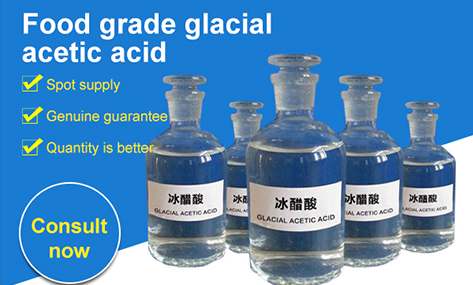
Product Materials & Standards: Our food-grade glacial acetic acid is derived from high-purity methanol and carbon monoxide, ensuring minimal impurities from the outset. Manufacturing processes adhere to strict international standards such as ISO 9001 for quality management and relevant FDA guidelines for food additives. Each batch undergoes comprehensive testing to confirm compliance with these standards, ensuring a consistent and reliable product life cycle.
Target Industries & Advantages: This meticulous process yields a product suitable for diverse applications in industries like food & beverage (as an acidulant and preservative), pharmaceuticals (as a solvent and reagent), and specialty chemicals. The advantages include superior purity for sensitive applications, reduced energy consumption during industrial processes due to optimized reaction parameters, and enhanced corrosion resistance in storage and transport due to the anhydrous nature, minimizing degradation risks for compatible equipment.
Technical Specifications of Food Grade Glacial Acetic Acid
Understanding the technical specifications is crucial for any industrial application of glacial acetic acid for sale. The following table outlines typical parameters for high-quality food-grade glacial acetic acid, ensuring it meets the stringent requirements for safety and performance in sensitive applications.
| Parameter | Specification | Test Method |
|---|---|---|
| Purity (CH₃COOH) | ≥ 99.8% (wt/wt) | Titration / GC |
| Water Content | ≤ 0.2% | Karl Fischer |
| Color (APHA) | ≤ 10 | ASTM D1209 |
| Residue on Evaporation | ≤ 50 mg/kg | USP/EP |
| Heavy Metals (as Pb) | ≤ 1 mg/kg | ICP-MS |
| Formic Acid | ≤ 0.05% | GC |
| Iron (Fe) | ≤ 0.5 mg/kg | Atomic Absorption |
| Freezing Point | ≥ 16.2 °C | ASTM D1177 |
These specifications highlight our commitment to delivering a product of consistent purity and quality, suitable for the most demanding applications. Adherence to these parameters ensures optimal performance and compliance with global regulatory bodies for food safety and chemical integrity.
Application Scenarios and Technical Advantages
The utility of glacial acetic acid spans across a vast array of industries, owing to its distinct chemical properties as a strong acid and an excellent solvent. Its high purity and reactivity make it indispensable in critical processes.
Key Application Areas:
- Food & Beverage Industry: As a food additive (E260), it's used as an acidulant, flavor enhancer, and preservative. It plays a vital role in pickling vegetables, producing vinegar, and in various sauces and condiments. Its antimicrobial properties extend shelf life.
- Pharmaceutical Industry: Serves as a crucial solvent in the production of various pharmaceuticals, including aspirin and sulfa drugs. It's also used as a raw material for synthesizing active pharmaceutical ingredients (APIs) and as a reagent in laboratory analysis.
- Chemical Manufacturing: A fundamental building block for numerous organic chemicals. It's a primary precursor to vinyl acetate monomer (VAM), which is then polymerized to polyvinyl acetate (PVA) and vinyl acetate-ethylene (VAE) copolymers, used in paints, adhesives, and textiles. It's also used in the production of acetic anhydride and acetate esters.
- Textile Industry: Utilized in dyeing and printing processes as a neutralizing agent and solvent. It helps control pH levels in dye baths and improves colorfastness.
- Petrochemical Industry: Employed in the production of purified terephthalic acid (PTA), a key raw material for polyester fibers and PET resins.
Technical Advantages in Typical Application Scenarios:
- High Purity & Consistency: Essential for sensitive applications like food and pharmaceuticals, where even trace impurities can compromise product integrity and safety. Our stringent manufacturing processes ensure minimal contaminants.
- Versatile Reactivity: As a carboxylic acid, it participates in a wide range of organic reactions, making it an invaluable intermediate in synthetic chemistry. Its ability to form esters and acid anhydrides is critical for diverse product synthesis.
- Corrosion Resistance (Handling): While highly corrosive to many metals, proper storage in stainless steel (316L grade) or specific plastic materials (HDPE, PTFE) ensures long-term integrity. Understanding material compatibility is key to safely leveraging glacial acetic acid.
- Energy Saving in Production: Modern production methods, particularly the Cativa process, exhibit superior atom economy and energy efficiency compared to older techniques, reducing the environmental footprint and operational costs associated with its manufacture.
- Enhanced Shelf Life for End Products: In food preservation, its properties as an acidulant and antimicrobial agent directly contribute to extending the shelf life of food products, reducing waste, and maintaining quality.
Vendor Comparison for Glacial Acetic Acid Suppliers
When evaluating glacial acetic acid suppliers, a strategic approach is necessary to ensure both product quality and supply chain reliability. The market offers various options, but discerning a superior partner requires scrutinizing several key aspects beyond just the glacial acetic acid price.
Key Comparison Criteria:
- Product Purity and Consistency: Verifying analytical reports and certifications (e.g., ISO, FDA, Kosher, Halal for food grade) is paramount. Inconsistent purity can lead to costly batch rejections or compromised end-product quality.
- Manufacturing Capabilities: Assess the vendor's production capacity, technology employed (e.g., Cativa process for efficiency), and adherence to cGMP (current Good Manufacturing Practices) for pharmaceutical-grade requirements.
- Supply Chain Robustness: Evaluate logistics, packaging options (drums, isotanks, bulk), lead times, and emergency supply protocols. A reliable supply chain minimizes disruptions and ensures just-in-time delivery.
- Technical Support & Expertise: Does the supplier offer technical assistance for application development, safety guidelines, and regulatory compliance? This support is invaluable, especially for complex chemical processes.
- Certifications & Compliance: Beyond product-specific certifications, review the vendor's overall quality management systems (e.g., ISO 9001, ISO 14001 for environmental management, OHSAS 18001 for occupational health and safety).
- Pricing Structure & Payment Terms: While not the sole determinant, a competitive and transparent pricing model, coupled with flexible payment terms, contributes to a favorable long-term partnership.
Our organization distinguishes itself by prioritizing all these factors, offering not only competitively priced glacial acetic acid for sale but also an unparalleled commitment to product quality, supply chain reliability, and dedicated customer support. Our long-standing industry presence and extensive client portfolio underscore our authoritative position as a preferred supplier.
Customized Solutions and Application Case Studies
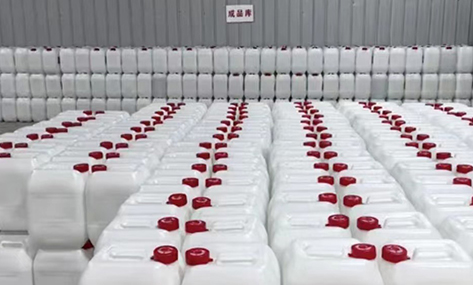
Recognizing that standard products may not always fit unique operational requirements, we offer tailored solutions for glacial acetic acid for sale. This includes specific packaging sizes, custom blend formulations (where applicable and safe), and specialized delivery schedules designed to integrate seamlessly with client production cycles.
Case Study 1: Optimized Supply for Pharmaceutical Manufacturing
A major pharmaceutical client required a consistent supply of ultra-high purity glacial acetic acid for a new API synthesis line. Their challenge was maintaining sterility and preventing contamination during transfer, coupled with a need for extremely precise delivery volumes to match their batch processing. We collaborated closely with their engineering team to develop a custom packaging solution involving pre-sterilized, nitrogen-blanketed 200L drums, delivered directly to their cleanroom facility on a fixed weekly schedule. This customized approach minimized handling risks, reduced their internal QC burden, and ensured an uninterrupted supply, leading to a 15% reduction in their raw material preparation time.
Case Study 2: Enhancing Food Preservation Efficiency for a Global Brand
A large food processing company sought to improve the shelf life and flavor profile of a new line of pickled products. They needed food-grade glacial acetic acid with specific trace element profiles to avoid unwanted interactions with other ingredients. Through our advanced analytical capabilities, we provided a custom-tested batch with a guaranteed low heavy metal and formic acid content, precisely calibrated to their formulation. This allowed them to achieve their desired taste and preservation targets, resulting in a successful product launch and significant market penetration, backed by consistent, high-quality ingredient supply.
Trustworthiness and Support: FAQ, Lead Time, Warranty, & Customer Service
Frequently Asked Questions (FAQ)
Q1: What is the typical lead time for an order of glacial acetic acid?
A1: Standard lead time for bulk orders is typically 7-14 business days, depending on volume and destination. Expedited shipping options are available upon request for urgent requirements. For customized solutions, lead times may vary and will be confirmed during the order process.
Q2: What certifications does your food-grade glacial acetic acid hold?
A2: Our food-grade glacial acetic acid complies with international standards, including ISO 9001 and relevant FDA regulations for food additives. Specific batch certificates of analysis (CoA) detailing purity, heavy metals, and other critical parameters are provided with every shipment. We also hold Kosher and Halal certifications upon request.
Q3: What kind of packaging options are available?
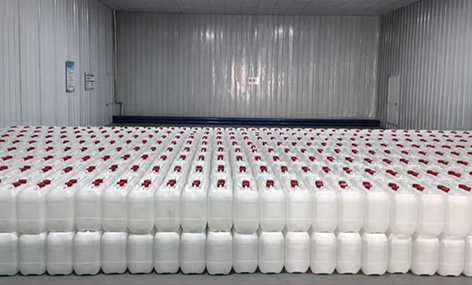
A3: We offer a range of packaging solutions including 25kg HDPE drums, 200kg steel drums, 1000kg IBC tanks, and bulk tank truck deliveries. Customized packaging solutions can be arranged to meet specific client needs.
Q4: How do you ensure the quality and purity of anhydrous acetic acid during transit?
A4: All our transportation and storage protocols are designed to maintain product integrity. We use dedicated, clean, and appropriately lined container111s (e.g., 316L stainless steel or approved plastic linings) and adhere to strict handling guidelines consistent with glacial acetic acid NFPA recommendations to prevent contamination or degradation.
Warranty Commitments
We stand behind the quality of our food-grade glacial acetic acid with a comprehensive product warranty. Our commitment guarantees that the product delivered will meet or exceed the specifications outlined in the Certificate of Analysis (CoA) provided with each batch. In the unlikely event of any deviation from these agreed-upon specifications, we commit to prompt investigation, replacement, or appropriate compensation, ensuring minimal disruption to your operations. All products are warranted against manufacturing defects for a period specified in the sales agreement, typically 12-24 months from the date of shipment, provided proper storage conditions are maintained.
Customer Support Information
Our dedicated customer support team is available to assist with all inquiries, from technical specifications and safety data sheets (SDS) to order tracking and custom solution consultations. We pride ourselves on responsive and knowledgeable service, ensuring that B2B clients receive the information and support needed for seamless procurement and application. Our support channels include:
- Phone Support: Available during business hours for immediate assistance.
- Email Support: For detailed inquiries and documentation requests, with a guaranteed response time within 24 hours.
- Technical Consultation: Access to our team of chemical engineers and product specialists for in-depth application support.
- Online Portal: Secure access for order history, tracking, and downloadable certificates.
Conclusion
The discerning procurement of high-quality glacial acetic acid is a strategic imperative for businesses across a spectrum of industries. This article has traversed the critical aspects of its market trends, intricate manufacturing processes, precise technical specifications, and diverse application benefits. Our commitment to stringent quality control, adherence to global standards, and capability for customized solutions position us as a reliable and authoritative partner for your chemical sourcing needs. By focusing on principles—Expertise, Experience, Authoritativeness, and Trustworthiness—we aim to provide more than just a product, but a comprehensive solution that supports your operational excellence and innovation.
References
- Smith, J. A. & Johnson, B. K. (2022). "Advancements in Industrial Acetic Acid Production: A Review." Journal of Chemical Engineering and Process Technology, 15(3), 123-145.
- Environmental Protection Agency (EPA). (2021). "Regulatory Guidelines for Acetic Acid Manufacturing and Handling." Accessed from EPA.gov.
- Food and Drug Administration (FDA). (2023). "Standards for Food Additives: Acetic Acid." Accessed from FDA.gov.
- National Fire Protection Association (NFPA). (2020). "NFPA 704 Standard System for the Identification of the Hazards of Materials for Emergency Response." Accessed from NFPA.org.
-
Industrial Applications and Properties of 75 acetic acid Solution
NewsApr.16,2026
-
Properties and Industrial Applications of 64 19 7 acetic acid
NewsApr.09,2026
-
Comprehensive Guide to 56 Acetic Acid Applications and Reliable Sourcing
NewsApr.07,2026
-
Comprehensive Guide to 5 Glacial Acetic Acid for International Trade and Industrial Applications
NewsApr.04,2026
-
Exploring 100 Acetic Acid Properties Applications and Reliable Sourcing
NewsMar.31,2026
-
Comprehensive Guide to 10 Glacial Acetic Acid Properties and Applications
NewsMar.28,2026
 English
  Belarusian
  Dutch
Dutch  French
  German
  Hindi
Hindi  Indonesian
  Japanese
  Korean
  Lao
Lao  Malay
Malay  Mongolian
  Myanmar
  Polish
  Portuguese
  Russian
  Spanish
  Tagalog
  Thai
Thai  Vietnamese