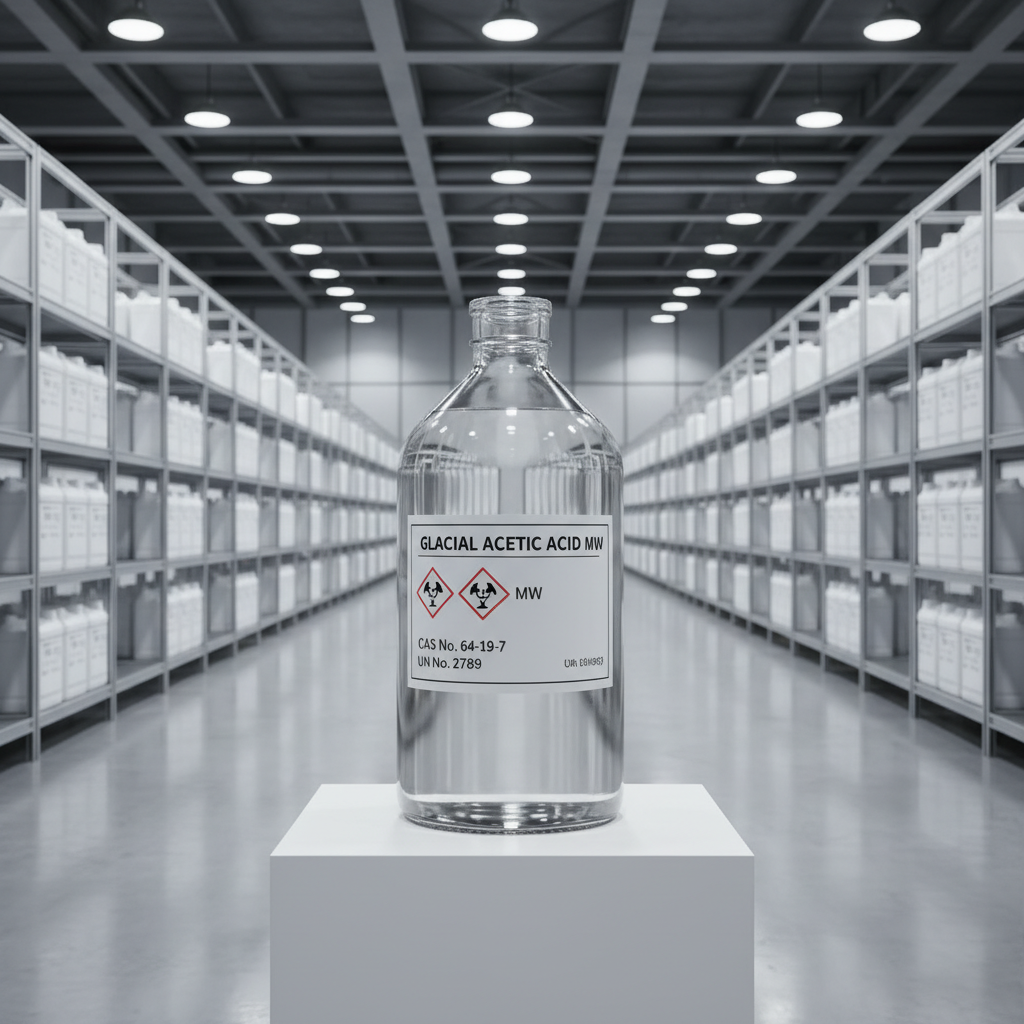
Glacial acetic acid, a highly concentrated solution of acetic acid, plays a critical role in numerous industrial applications worldwide. Its unique properties, including high acidity and solvent capabilities, make it indispensable in chemical manufacturing, pharmaceuticals, and food processing. Understanding the intricacies of glacial acetic is vital for optimizing processes, ensuring safety, and driving innovation across diverse sectors. Its global demand consistently reflects its importance in maintaining production levels and enabling crucial scientific advancements.
The global market for glacial acetic acid is significantly impacted by fluctuations in crude oil prices, as acetic acid is often produced as a byproduct of ethylene oxidation. Recent geopolitical events and supply chain disruptions have further highlighted the importance of diversified sourcing and strategic inventory management. Demand is particularly strong in developing economies experiencing rapid industrial growth, like those in Asia and South America, presenting both opportunities and challenges for manufacturers and distributors.
The increasing focus on sustainable chemistry is also driving research and development into more environmentally friendly production methods for glacial acetic. This includes exploring bio-based feedstocks and innovative catalytic processes to reduce reliance on fossil fuels and minimize waste generation. glacial acetic remains a cornerstone of modern chemistry, with ongoing efforts focused on improving its production and applications.
The Significance of Glacial Acetic Acid
Glacial acetic acid is far more than just a chemical compound; it’s an essential building block in countless industrial processes, from the production of polymers and solvents to the synthesis of pharmaceuticals. Its unique chemical properties and high purity make it a preferred choice in applications where precision and consistency are paramount. The term “glacial” refers to its freezing point, reflecting its high concentration and indicating its industrial grade.
The availability and consistent quality of glacial acetic directly impact the efficiency and output of numerous downstream industries. Ensuring a stable supply chain and investing in optimized production methods are crucial for maintaining economic competitiveness and supporting continued innovation in sectors reliant on this versatile chemical.
Defining Glacial Acetic Acid
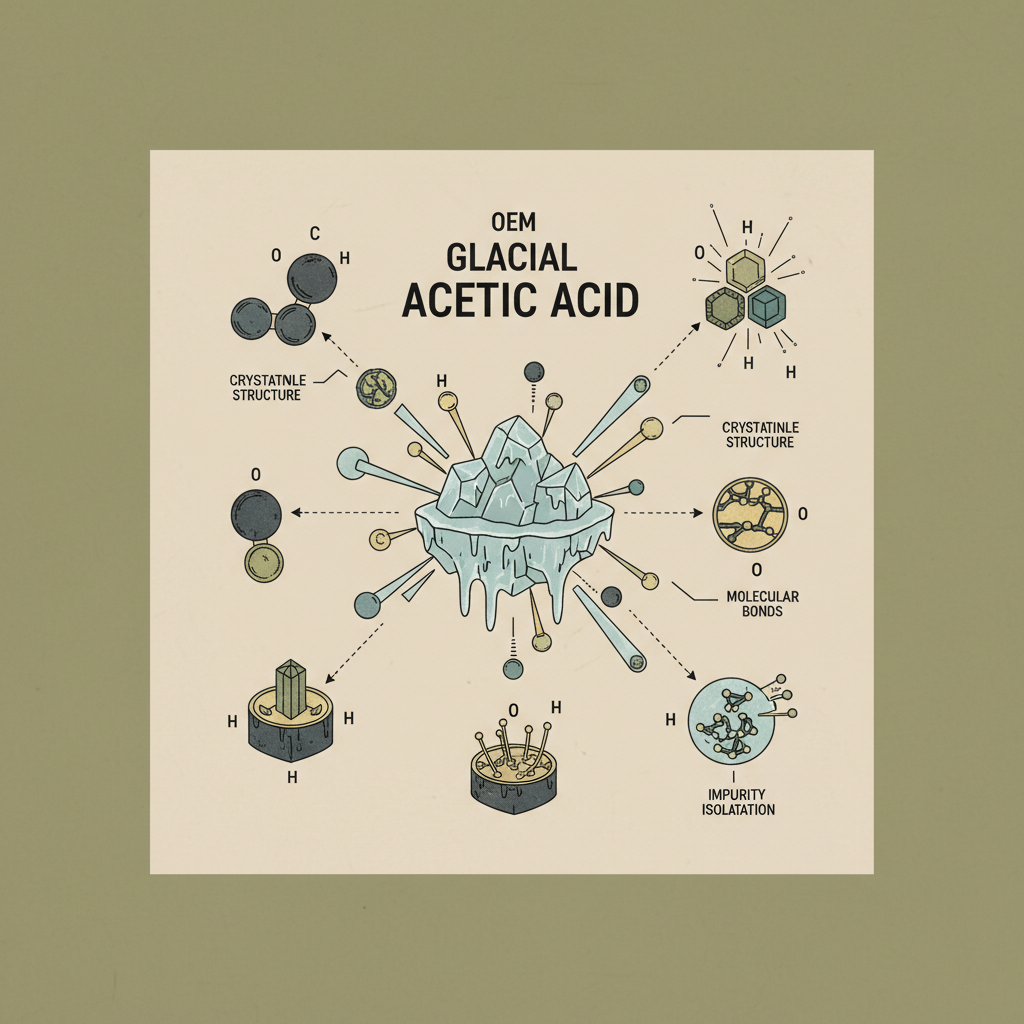
Glacial acetic acid is essentially pure acetic acid (CH₃COOH) that contains less than 1% water. The name "glacial" originated because, when cooled below 16.7°C (62°F), pure acetic acid will freeze into ice-like crystals, resembling glaciers. This highly concentrated form is distinct from diluted acetic acid, commonly known as vinegar, which typically contains only 5-8% acetic acid.
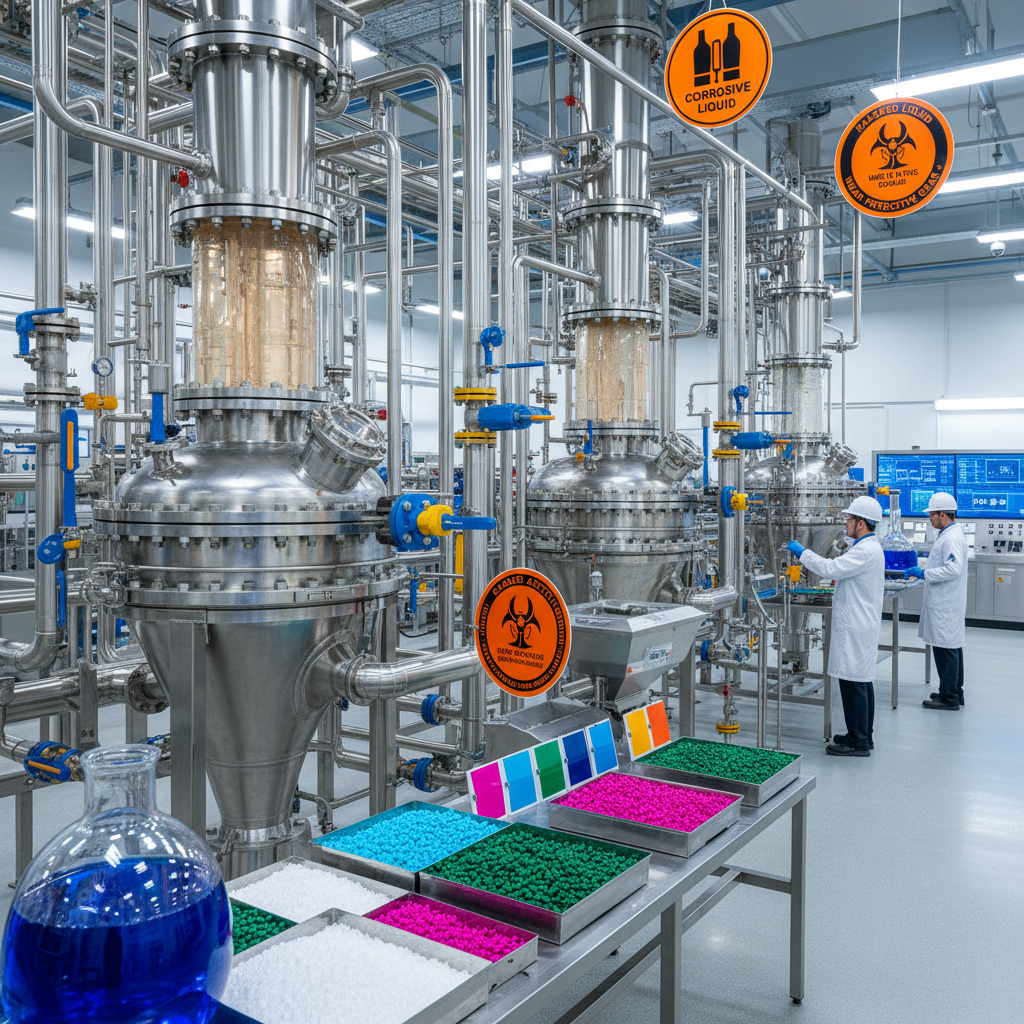
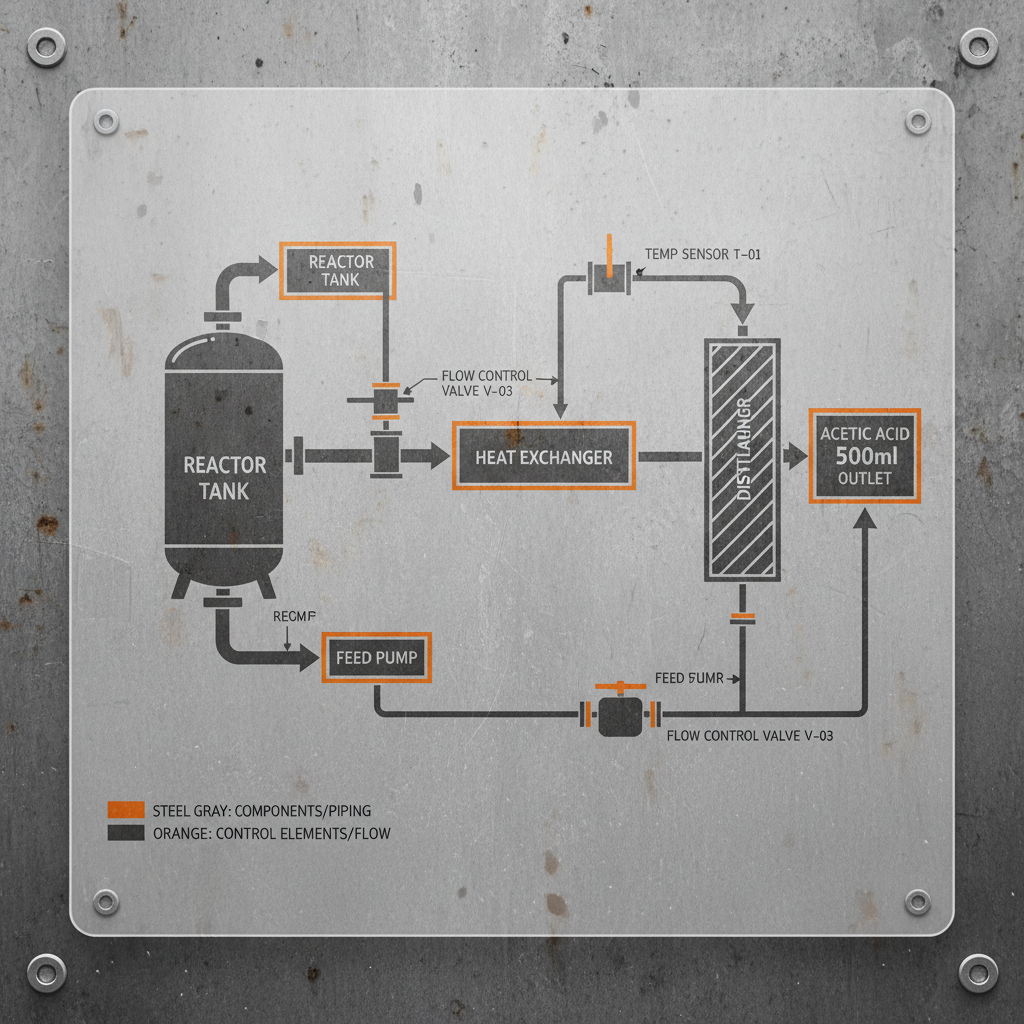
Its industrial significance stems from its strong acidity and excellent solvent properties. These attributes allow it to be used as a catalyst, a reagent, and a solvent in a wide range of chemical reactions. The production of acetic acid, and subsequently glacial acetic, often involves methanol carbonylation, a process optimized for efficiency and scalability.
The connection to modern humanitarian needs is less direct, but crucial. Glacial acetic is integral to the production of many pharmaceuticals, medical supplies, and disinfectants, indirectly contributing to global healthcare and sanitation efforts.
Core Properties of Glacial Acetic Acid
One of the defining characteristics of glacial acetic acid is its high dielectric constant, making it an excellent solvent for a wide range of polar compounds. This property is essential in applications such as dissolving polymers and facilitating chemical reactions. It’s also a corrosive substance, necessitating careful handling and appropriate safety precautions.
Another crucial property is its relatively low molecular weight and volatility. This allows for easy distillation and purification, contributing to the high purity levels demanded by many industrial processes. The presence of a carboxyl group (-COOH) imparts its acidic characteristics, making it a powerful catalyst and reagent in organic chemistry. The high boiling point allows it to be used in reactions at elevated temperatures without significant loss of solvent.
Finally, glacial acetic acid is miscible with water and many other organic solvents, expanding its versatility and range of applications. This miscibility, combined with its strong solvent power, makes it an indispensable component in diverse chemical formulations.
Applications and Industrial Relevance
Glacial acetic acid finds widespread application in the production of vinyl acetate monomer (VAM), a key ingredient in polymers used to create adhesives, paints, and coatings. It’s also a vital component in the manufacture of cellulose acetate, used in textiles, photographic film, and cigarette filters.
Beyond polymers, glacial acetic is utilized in the pharmaceutical industry for the synthesis of various drugs and intermediates. It also serves as a solvent in the production of perfumes, flavorings, and other fine chemicals. The food industry employs it as a preservative and flavoring agent, although in significantly diluted forms.
Glacial Acetic Acid Consumption by Application (Estimated Global Breakdown)
Global Usage & Sector Breakdown
Asia-Pacific represents the largest consumer of glacial acetic acid, driven by rapid industrialization in countries like China and India. North America and Europe hold significant shares as well, with established chemical manufacturing sectors. Demand is also growing in South America, particularly in Brazil, as the region expands its polymer and pharmaceutical industries.
The chemical manufacturing sector accounts for the largest proportion of glacial acetic acid consumption, followed by the pharmaceutical and food & beverage industries. The growing demand for sustainable materials is also driving increased use of cellulose acetate, impacting the overall consumption patterns.
Advantages and Long-Term Value
Using glacial acetic offers numerous advantages, including its high purity and consistent quality, which translates to improved product yields and reduced waste in manufacturing processes. Its versatility allows for a wide range of applications, reducing the need for multiple specialized chemicals. The long-term value lies in its contribution to creating durable, high-performance products.
From a sustainability perspective, advancements in bio-based acetic acid production are minimizing environmental impact and promoting a circular economy. The cost-effectiveness of glacial acetic acid, coupled with its essential role in critical industries, ensures its continued importance and reliability as a key chemical feedstock.
Future Trends & Sustainability
The future of glacial acetic acid is inextricably linked to advancements in sustainable chemistry and green manufacturing practices. Research into bio-based feedstocks, such as agricultural waste and biomass, promises to reduce reliance on fossil fuels and lower carbon emissions. Catalytic innovations are also paving the way for more efficient and selective production processes.
Digital transformation and automation are playing an increasing role in optimizing glacial acetic production, improving process control, and minimizing energy consumption. The implementation of advanced analytics and machine learning can further enhance efficiency and reduce environmental impact.
Challenges & Sustainability
One of the main challenges facing the glacial acetic acid industry is the dependence on fossil fuel-based feedstocks. This reliance contributes to greenhouse gas emissions and price volatility. The corrosive nature of glacial acetic acid also necessitates careful handling and stringent safety measures.
Addressing these challenges requires a multi-faceted approach, including investing in research and development of bio-based alternatives, implementing closed-loop recycling systems, and promoting responsible chemical management practices. Collaboration between industry, academia, and government is essential for driving innovation and ensuring a sustainable future for glacial acetic.
Furthermore, ensuring a stable and resilient supply chain, particularly in the face of geopolitical uncertainties and logistical disruptions, is critical for maintaining industrial production and supporting global economic growth.
Overview of Glacial Acetic Acid Production Methods
| Production Method |
Feedstock Source |
Environmental Impact |
Cost Effectiveness (1-10) |
| Methanol Carbonylation |
Methanol (typically from natural gas) |
Moderate – reliance on fossil fuels |
8 |
| Ethylene Oxidation |
Ethylene (typically from crude oil) |
High – reliance on fossil fuels |
7 |
| Bio-Fermentation |
Biomass (agricultural waste, wood chips) |
Low – renewable resource |
5 |
| Acetaldehyde Oxidation |
Acetaldehyde (from ethanol or ethylene) |
Moderate – depends on acetaldehyde source |
6 |
| Direct Oxidation of Ethane |
Ethane (from natural gas) |
Moderate - potential for CO2 emissions |
7 |
| Carbonylation of Dimethyl Ether |
Dimethyl Ether (from methanol) |
Moderate - depends on methanol source |
6 |
FAQS
Glacial acetic acid is crucial in the production of vinyl acetate monomer (VAM), used in adhesives and coatings, and cellulose acetate, found in textiles and film. It's also a key reagent in pharmaceutical synthesis and acts as a solvent in various chemical processes. Its high purity and strong acidic properties make it irreplaceable in these applications, ensuring product quality and process efficiency.
Glacial acetic acid is highly corrosive and can cause severe burns upon contact with skin and eyes. Always wear appropriate personal protective equipment (PPE), including gloves, goggles, and protective clothing. Work in a well-ventilated area and avoid inhaling vapors. In case of contact, immediately flush the affected area with copious amounts of water and seek medical attention. Proper storage and labeling are also crucial.
Traditional glacial acetic production relies on fossil fuels, contributing to carbon emissions. However, ongoing research focuses on bio-based production methods using renewable feedstocks, significantly reducing the environmental footprint. Closed-loop recycling and responsible waste management practices are also vital for minimizing the impact of glacial acetic production and use. Choosing suppliers committed to sustainability is key.
The price of glacial acetic acid is influenced by several factors, including crude oil prices, feedstock availability (methanol and ethylene), and global supply and demand dynamics. Geopolitical events and disruptions to supply chains can also lead to price volatility. Monitoring market trends and diversifying sourcing are important strategies for managing price risk.
Glacial acetic acid is essentially pure acetic acid (around 99.8%), while vinegar is a diluted solution, typically containing 5-8% acetic acid. The concentration difference makes glacial acetic acid far more potent and corrosive. Vinegar is safe for consumption and food preparation, whereas glacial acetic acid is strictly for industrial applications and requires careful handling.
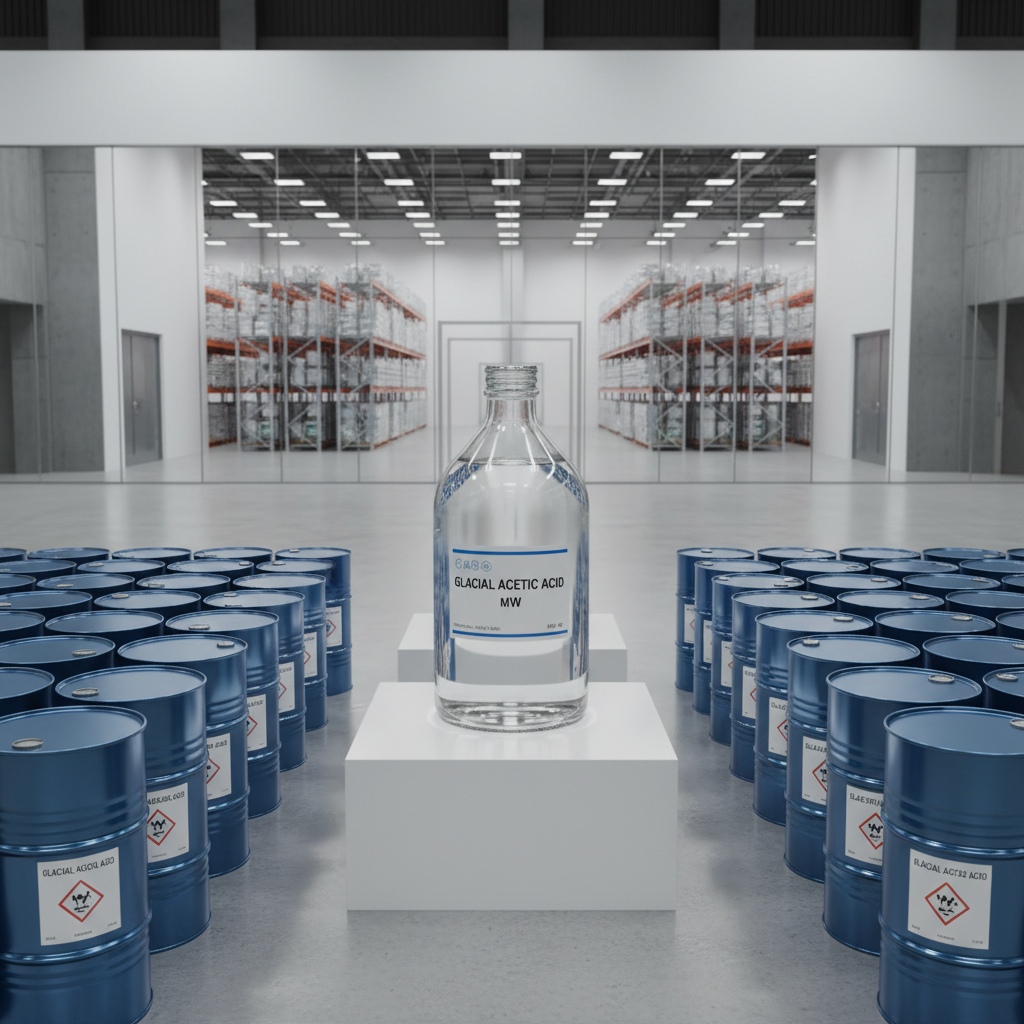
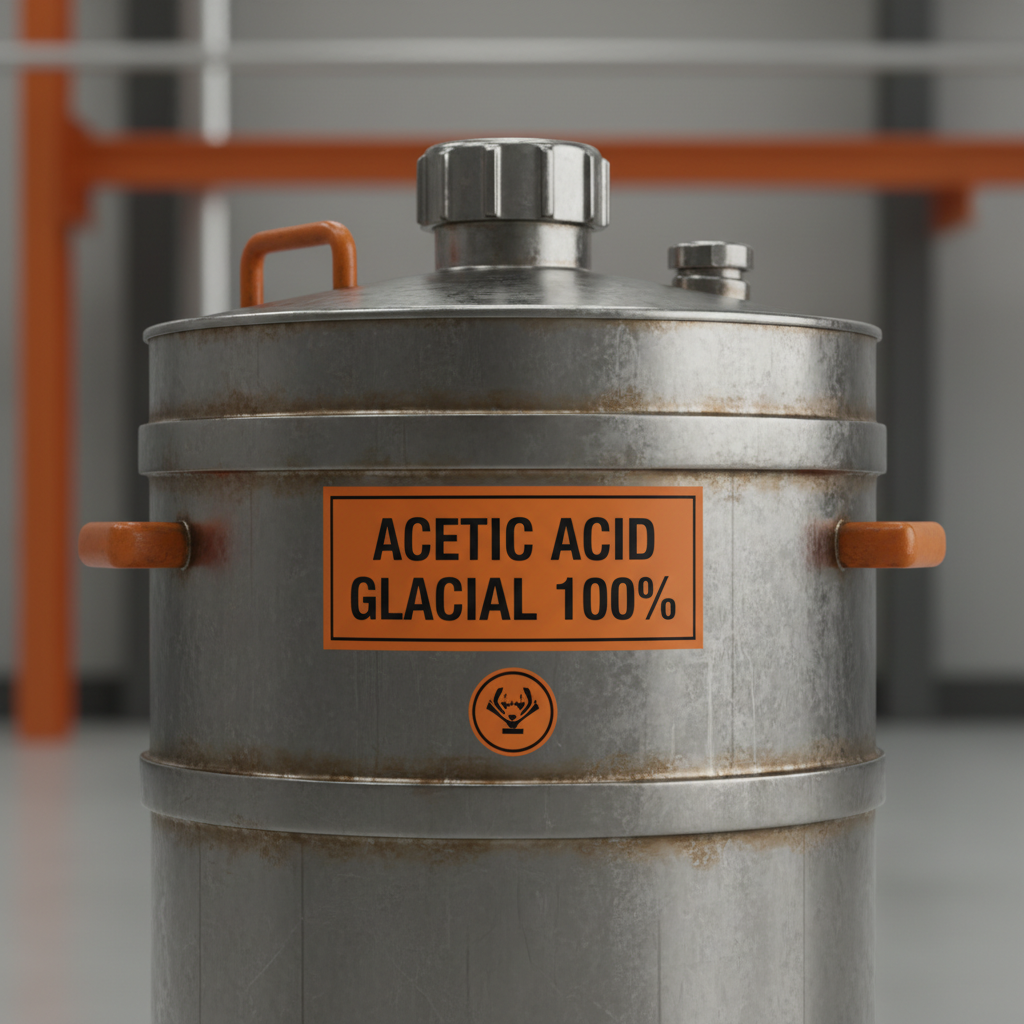
Glacial acetic acid is typically stored in stainless steel or polyethylene tanks, as it can corrode other materials. Transportation is usually done in specialized tank trucks or ISO tanks designed for corrosive liquids. Proper labeling and adherence to strict safety regulations are essential during storage and transport to prevent accidents and ensure compliance.
Conclusion
In summary, glacial acetic acid is an indispensable chemical with far-reaching applications across numerous industries. Its unique properties, coupled with ongoing advancements in sustainable production methods, ensure its continued relevance in a rapidly evolving world. From its essential role in polymer and pharmaceutical manufacturing to its potential in bio-based materials, glacial acetic continues to be a cornerstone of modern chemistry.
Looking ahead, continued investment in research and development, along with a commitment to responsible chemical management, will be crucial for unlocking the full potential of glacial acetic and fostering a more sustainable and innovative future. For more information about our glacial acetic products and solutions, visit our website today.


 English
  Belarusian
  Dutch
Dutch  French
  German
  Hindi
Hindi  Indonesian
  Japanese
  Korean
  Lao
Lao  Malay
Malay  Mongolian
  Myanmar
  Polish
  Portuguese
  Russian
  Spanish
  Tagalog
  Thai
Thai  Vietnamese