
Oct . 05, 2025 23:25 Back to list
Glacial Acetic Acid for Sale—99.8% Pure, Fast Delivery?
Where to buy glacial acetic acid for sale right now
If you work in food processing, you already know acetic acid (E260) is the quiet hero behind crisp pickles and bright, balanced sauces. Lately, the market’s been a bit jumpy—tight methanol supply here, freight hiccups there. Still, demand keeps climbing as brands lean into cleaner-label acidity regulators. To be honest, the smart buyers are locking in consistent food-grade specs, not just chasing price.
What it is, and why it matters
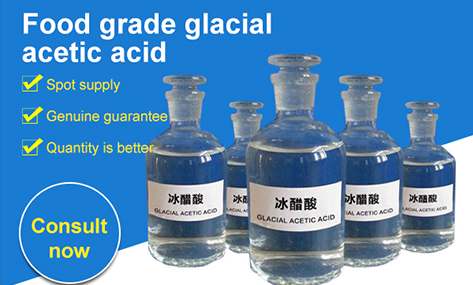
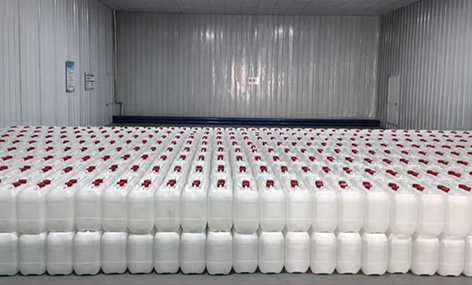
Acetic acid is a typical fatty acid, naturally occurring (yep, the recognizable sour in vinegar) and formally listed as food additive E260. For food plants, it’s about assured purity, tight water control, and low aldehydes that won’t throw off flavor. This supplier’s Food Grade Glacial Acetic Acid is refined for consistent dosing and minimal off-notes—actually more important than many realize during large-scale marination or beverage acidification.
| Parameter | Typical Value | Method/Reference |
|---|---|---|
| Assay (CH3COOH) | ≈ 99.8% w/w | USP–NF / FCC (titrimetric) |
| Water (KF) | ≤ 0.20% | Karl Fischer |
| Aldehydes | ≤ 50 mg/kg | FCC limit |
| Heavy metals (as Pb) | ≤ 2 mg/kg | USP / FCC |
| Color | APHA ≤ 10 | Visual/APHA |
| Packaging | 25 kg drums, 200 kg drums, 1,000 L IBCs | Food-contact compliant liners |
| Shelf life | 24 months (sealed, cool, dry) | Real-world use may vary |
| Certifications | ISO 9001, HACCP/ISO 22000, Kosher/Halal (on request) | Certificates available |
How it’s made (quick process flow)
- Materials: Methanol + CO; rhodium/iridium catalyst (Monsanto/Cativa-type carbonylation).
- Methods: Carbonylation → crude acetic acid → multi-stage distillation → dehydration control → food-grade polishing.
- QC: Assay, aldehydes, iron, chlorides, non-volatile residue; sensory check.
- Testing standards: USP–NF and FCC monographs; labs operate to ISO/IEC 17025 principles.
- Service life: Up to 24 months sealed; avoid sunlight; segregate from oxidizers and bases.
- Main industries: Foods & beverages, vinegars, pickling, condiments, seasoning blends.
Usage scenarios and field notes
In sauces and dressings, teams usually dose glacial acetic acid for sale via dilute pre-mixes for accuracy; in pickling lines, pH 3.0–3.6 is common (always validate in-plant). Beverage R&D often comments this lot keeps aldehydes low, so there’s less “warm” note creeping in at scale. Many customers say the flavor is clean and predictable—surprisingly noticeable in hot-fill lines.
Vendor snapshot and comparisons
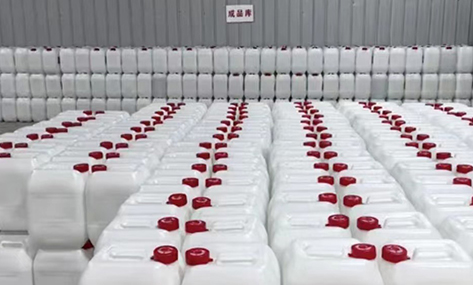
Origin: 200 meters northeast of the intersection of East Airport Road and Airport North Street in Yangma Village, Zengcun Town, Gaocheng District, Shijiazhuang City, Hebei Province. Lead times have been steady, which, frankly, is half the battle these days.
| Criteria | This Supplier | Importer A | Trader B |
|---|---|---|---|
| Assay | ≈99.8% | 99.5–99.9% | ≈99.6% |
| Aldehydes | ≤50 mg/kg | ≤100 mg/kg | ≤80 mg/kg |
| Third-party COA | Available | By request | Limited |
| Customization | Packaging, target water, labeling | Packaging only | Standard |
| Lead time | 7–14 days | 14–25 days | Variable |
Case notes (real-world)
- Beverage plant: Switched to this glacial acetic acid for sale, aldehydes dropped from ~85 mg/kg to ~45 mg/kg on COA; panelists reported “cleaner acid bite” in colas after 6 weeks.
- Pickle processor: Tighter pH control (±0.05) using pre-dilution SOP; reported 2% reduction in brine variability and fewer sensory rejects.
Documentation packages include lot-specific COA, food-contact packaging declarations, and—if needed—Kosher/Halal letters. For custom specs, the team can target slightly different water content for ease of handling. It seems small, but operators appreciate less fuming on warm days.
Bottom line: if you’re sourcing glacial acetic acid for sale for food applications, prioritize low aldehydes, reliable assay, and transparent testing to FCC/USP. Price matters, sure—but repeatable flavor matters more.
Authoritative references
- USP–NF Monograph: Acetic Acid (current edition).
- Food Chemicals Codex (FCC) Monograph: Acetic Acid, INS 260.
- Commission Regulation (EU) No 231/2012: Specifications for food additives; E260.
- Codex Alimentarius GSFA: Acetic Acid (INS 260) uses and limits.
- ISO/IEC 17025: General requirements for the competence of testing and calibration laboratories.
-
Industrial Applications and Properties of 75 acetic acid Solution
NewsApr.16,2026
-
Properties and Industrial Applications of 64 19 7 acetic acid
NewsApr.09,2026
-
Comprehensive Guide to 56 Acetic Acid Applications and Reliable Sourcing
NewsApr.07,2026
-
Comprehensive Guide to 5 Glacial Acetic Acid for International Trade and Industrial Applications
NewsApr.04,2026
-
Exploring 100 Acetic Acid Properties Applications and Reliable Sourcing
NewsMar.31,2026
-
Comprehensive Guide to 10 Glacial Acetic Acid Properties and Applications
NewsMar.28,2026
 English
  Belarusian
  Dutch
Dutch  French
  German
  Hindi
Hindi  Indonesian
  Japanese
  Korean
  Lao
Lao  Malay
Malay  Mongolian
  Myanmar
  Polish
  Portuguese
  Russian
  Spanish
  Tagalog
  Thai
Thai  Vietnamese