
Nov . 18, 2025 01:30 Back to list
How to Dispose of Glacial Acetic Acid Safely and Sustainably | Expert Guide
Understanding How to Dispose of Glacial Acetic Acid: A Crucial Topic
Glacial acetic acid, a concentrated form of acetic acid, is widely used in industries ranging from chemical manufacturing to food processing. While its benefits are clear—effective solvent properties, strong antibacterial qualities, and versatile chemical uses—the proper disposal of glacial acetic acid remains a global challenge. Mishandling or incorrect disposal not only endangers the environment but also poses serious health risks to workers and communities.
Why does knowing how to dispose of glacial acetic acid matter so much? Globally, industries produce tons of chemical waste annually, and acids like this one require special attention. Understanding proper disposal techniques can help industries comply with environmental regulations, reduce hazardous waste, and promote sustainable practices that protect future generations.
Global Context: Why Disposal of Glacial Acetic Acid is a Worldwide Concern
The United Nations Environmental Programme (UNEP) estimates that improper chemical waste disposal leads to thousands of tons of pollutants entering waterways every year, impacting ecosystems and human health. According to ISO 14001 standards on environmental management, handling hazardous substances—including acids—must follow strict protocols to reduce risks.
Glacial acetic acid is classified as a hazardous substance because it’s corrosive, volatile, and reacts strongly with organic materials. Industries in Asia, Europe, and North America handle large volumes daily, especially pharmaceutical and textile sectors. The challenge? Without proper knowledge or infrastructure, local communities suffer from contamination or toxic exposures.
So, how to dispose of glacial acetic acid is not just an industrial or chemical waste question; it’s linked directly to global sustainability efforts and public safety.
Defining “How to Dispose of Glacial Acetic Acid”
At its core, disposing of glacial acetic acid means safely handling, neutralizing, and removing this corrosive chemical to prevent environmental contamination or human exposure. This involves methods like dilution, neutralization using bases, or controlled chemical treatment before waste release.
In industry or humanitarian operations, such as emergency chemical spill response, knowing these disposal techniques ensures rapid, effective cleanup that minimizes harm. Simple as it sounds, the process must be rigorous, compliant, and adapted to local regulations.
Mini takeaway:
- Disposal is about more than “getting rid” of acid; it’s ensuring safety and sustainability at every step.
- Proper disposal safeguards communities and the environment from toxic risks.
Core Components of Proper Disposal Practices
1. Safe Storage Before Disposal
Glacial acetic acid is volatile and corrosive. Storing it properly in acid-resistant, sealed containers reduces risks of leaks or accidental exposure. Temperatures need controlling since heat can increase vapor release.
2. Neutralization Techniques
Most commonly, disposal involves neutralizing the acid by slowly adding alkaline substances (e.g., sodium bicarbonate or lime) under controlled conditions. This process reduces the acid to a safer pH level, producing less harmful byproducts.
3. Dilution and Controlled Release
Once neutralized, the resulting solution may be diluted with large volumes of water to meet local discharge standards. However, dilution alone is never enough—neutralization must be confirmed before any disposal into sewage or water bodies.
4. Regulatory Compliance
Following local environmental regulations is crucial. This can involve permits, documentation, and sometimes hiring certified waste disposal companies specializing in chemical waste.
5. Emergency Response Preparedness
In case of accidental spills, quick containment and neutralization prevent widespread contamination. Safety protocols and training are vital components of this response.
Mini takeaway:
- Handling glacial acetic acid safely before disposal reduces risks.
- Neutralization and compliance are the backbone of responsible disposal.
Real-World Applications: Where and How Disposal Happens
In manufacturing hubs like China’s chemical industrial zones or the pharmaceutical centers in Europe, disposal facilities with advanced neutralization technologies are standard. Here, glacial acetic acid waste streams undergo precise chemical treatment before any environmental release.
Meanwhile, in disaster relief zones where makeshift laboratories or medical units operate, proper disposal may be trickier. For instance, in post-disaster pharmaceutical processing, on-site knowledge of acid neutralization ensures that emergency responders don’t inadvertently compound hazards.
Interestingly, some textile factories in India implement decentralized disposal systems that blend neutralization tanks with local water treatment—showing practical innovation in resource-constrained areas.
Mini takeaway:
- Context matters; disposal may be centralized industrial processing or local field responses.
- Different industries and regions tailor methods accordingly.
Product Specification Table: Typical Glacial Acetic Acid Disposal Setup
| Specification | Typical Value/Description |
|---|---|
| Neutralizing Agent | Sodium Bicarbonate (NaHCO₃) |
| Neutralization pH Range | 6.5 – 8.5 (safe release range) |
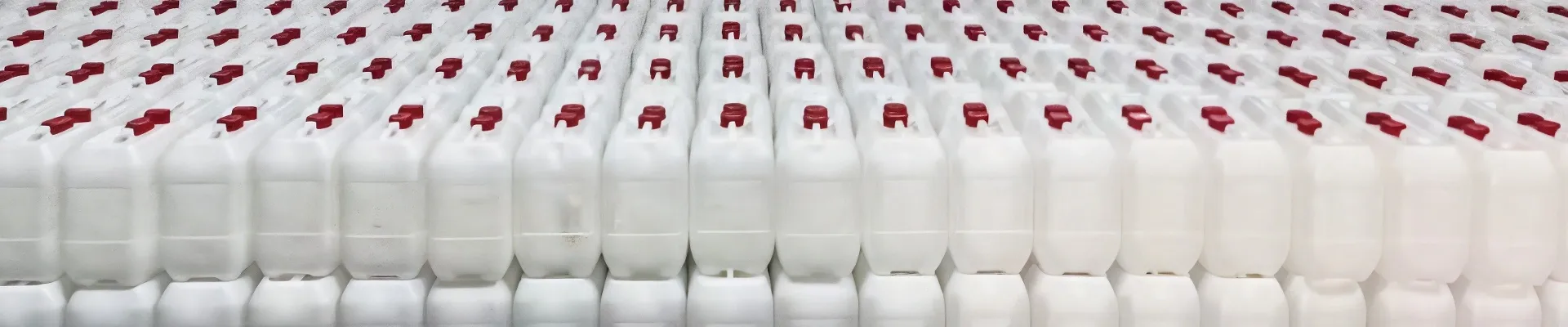
| Storage Container | HDPE drums with seal and chemical resistance |
| Disposal Method | Neutralization + dilution + licensed chemical waste facility |
| Safety Equipment Recommended | Gloves, goggles, acid-resistant apron, ventilation |
Comparing Disposal Vendors: What to Look For
| Vendor | Services Offered | Compliance Certifications | Typical Turnaround Time |
|---|---|---|---|
| ChemSafe Solutions | Onsite neutralization, waste pickup | ISO 14001, EPA Licensed | 48–72 hours |
| EcoWaste Ltd. | Chemical treatment labs, consulting | ISO 9001, REACH registered | 1–3 days |
| GreenChem Disposal | Neutralization, recycling program | EPA, Local Environmental Agency | 72 hours+ |
Advantages and Long-Term Value of Responsible Disposal
Beyond ticking regulatory boxes, thoughtful disposal of glacial acetic acid benefits businesses and communities alike. Cost-wise, avoiding environmental fines and inefficient waste handling saves significant money—many engineers say it’s an investment in risk management.
From a sustainability angle, neutralizing and treating acid waste reduces pollution, protecting groundwater and soil. The social impact? Safer working conditions, fewer chemical injuries, and enhanced trust between companies and local stakeholders.
Frankly, it also nurtures innovation: as companies improve disposal processes, they often discover cleaner manufacturing methods or new materials—feeding a virtuous cycle between environmental care and industrial competitiveness.
Future Trends in Glacial Acetic Acid Disposal
As green chemistry gains traction, disposal sectors are exploring biological neutralization methods using bacteria to break down acid residues naturally. Digital monitoring of disposal processes via IoT devices is becoming common, improving compliance and real-time hazard detection.
Policy shifts toward circular economy models push for recycling certain acid wastes or transforming byproducts into usable raw materials. Automated acid handling robots and neutralization drones? It sounds like sci-fi, but early prototypes have already emerged in pilot plants.
Challenges and Practical Solutions
Disposal is complicated by limited infrastructure in developing regions, variable regulations, and occasional lack of trained staff. Mistakes like improper neutralization or illegal dumping still happen, occasionally leading to environmental disasters.
Experts recommend comprehensive worker education and collaboration between regulators and manufacturers. Portable neutralization kits and mobile treatment units are practical innovations helping to bridge gaps, especially in emergency or remote conditions.
FAQ: Answering Common Questions on How to Dispose of Glacial Acetic Acid
Q1: What is the safest way to neutralize glacial acetic acid?
The safest neutralization involves slowly adding an alkaline agent like sodium bicarbonate while stirring in a well-ventilated area with protective gear. This controlled reaction reduces acid concentration safely without splashing or overheating.
Q2: Can I dispose of glacial acetic acid down the sink after diluting it?
No, simply diluting acetic acid is not enough. The acid must be neutralized to a safe pH (6.5–8.5) since acidic water can damage plumbing and harm aquatic ecosystems. Always check local regulations before disposal.
Q3: Are there specialized companies that handle this type of chemical waste?
Yes, many chemical waste disposal companies offer services for glacial acetic acid, including pickup, neutralization, and safe treatment. Using certified vendors ensures compliance and reduces liability.
Q4: How should I store glacial acetic acid before disposal?
Store in tightly sealed, acid-resistant HDPE containers away from heat sources and incompatible materials like bases or oxidizers. Label containers clearly and use secondary containment to avoid leaks.
Q5: What happens if an accidental spill occurs?
Contain the spill immediately using absorbent materials or neutralizing agents, evacuate the area, and follow emergency protocols. Personal protective equipment is a must. Contact professionals for large incidents.
Conclusion: Why Mastering How to Dispose of Glacial Acetic Acid Matters
Mastering safe disposal techniques for glacial acetic acid isn’t just a regulatory hurdle — it’s a responsibility that carries economic, environmental, and social weight. Knowing the right steps keeps industries compliant, protects ecosystems, and safeguards human health.
If you handle or generate glacial acetic acid waste, investing in proper disposal knowledge and services pays off long-term. For more detailed guidance and tailored solutions, visit our website for comprehensive resources on how to dispose of glacial acetic acid.
References
-
Industrial Applications and Properties of 75 acetic acid Solution
NewsApr.16,2026
-
Properties and Industrial Applications of 64 19 7 acetic acid
NewsApr.09,2026
-
Comprehensive Guide to 56 Acetic Acid Applications and Reliable Sourcing
NewsApr.07,2026
-
Comprehensive Guide to 5 Glacial Acetic Acid for International Trade and Industrial Applications
NewsApr.04,2026
-
Exploring 100 Acetic Acid Properties Applications and Reliable Sourcing
NewsMar.31,2026
-
Comprehensive Guide to 10 Glacial Acetic Acid Properties and Applications
NewsMar.28,2026
 English
  Belarusian
  Dutch
Dutch  French
  German
  Hindi
Hindi  Indonesian
  Japanese
  Korean
  Lao
Lao  Malay
Malay  Mongolian
  Myanmar
  Polish
  Portuguese
  Russian
  Spanish
  Tagalog
  Thai
Thai  Vietnamese