Anhydrous acetic acid, a colorless liquid with a pungent odor, is a fundamental chemical building block used across a vast spectrum of industries. Its high purity and lack of water content make it essential for applications demanding precise chemical reactions and consistent product quality. Understanding its properties and applications is crucial for advancements in pharmaceuticals, polymers, food processing, and numerous other sectors driving global economic growth.
The global demand for anhydrous acetic acid is steadily increasing, driven by expanding industrialization in emerging economies and a growing need for specialty chemicals. According to industry reports, the market is projected to reach significant growth in the coming years, fueled by the demand for vinyl acetate monomer (VAM), purified terephthalic acid (PTA), and various acetate esters. The challenges lie in ensuring sustainable production methods and efficient supply chains to meet this increasing demand responsibly.
Anhydrous acetic acid’s versatility stems from its unique chemical properties, acting as both a solvent and a reactant in diverse processes. Its ability to efficiently dissolve a wide range of substances and participate in acetylation reactions makes it invaluable in manufacturing, contributing to a more efficient and innovative industrial landscape. anhydrous acetic acid is a cornerstone of modern chemical manufacturing.
Introduction to Anhydrous Acetic Acid
Anhydrous acetic acid plays a critical role in numerous manufacturing processes, acting as a solvent, reagent, and intermediate. Its importance extends beyond simple chemical reactions; it’s integral to creating the materials we rely on daily, from plastics and textiles to pharmaceuticals and food products. Understanding the nuances of its production and handling is paramount for maintaining efficient and safe industrial operations.
The demand for anhydrous acetic acid is a direct indicator of global industrial activity. As developing nations experience increased manufacturing output and a growing consumer market, the demand for this versatile chemical is expected to continue to rise, necessitating continued investment in production capacity and technological advancements.
Defining Anhydrous Acetic Acid
Anhydrous acetic acid (CH3COOH) is the water-free form of acetic acid. The "anhydrous" designation signifies its complete lack of water content, typically exceeding 99.8% purity. This is crucial because even trace amounts of water can significantly impact certain chemical reactions where it's used as a reagent, altering yields and product quality. Its molecular structure features a carbonyl group (C=O) and a hydroxyl group (OH), giving it its characteristic acidic properties.
In modern industry, anhydrous acetic acid is indispensable. It’s a cornerstone chemical for synthesizing a wide range of chemicals, including vinyl acetate monomer (VAM), which is then used in polymers, adhesives, paints, and textiles. It’s also vital for producing cellulose acetate, a key ingredient in photographic film and cigarette filters.
Understanding its function as a highly reactive and versatile chemical building block explains its demand. It represents a vital component supporting various sectors and manufacturing processes around the world.
Core Characteristics of Anhydrous Acetic Acid
Anhydrous acetic acid exhibits several key characteristics that make it highly desirable in industrial applications. Firstly, its high solvency power allows it to dissolve a wide range of organic compounds, making it a versatile solvent. Secondly, its strong acidic nature drives acetylation reactions, a crucial process in producing esters and other valuable chemicals. This reactivity, combined with its high purity, is the basis for its extensive use.
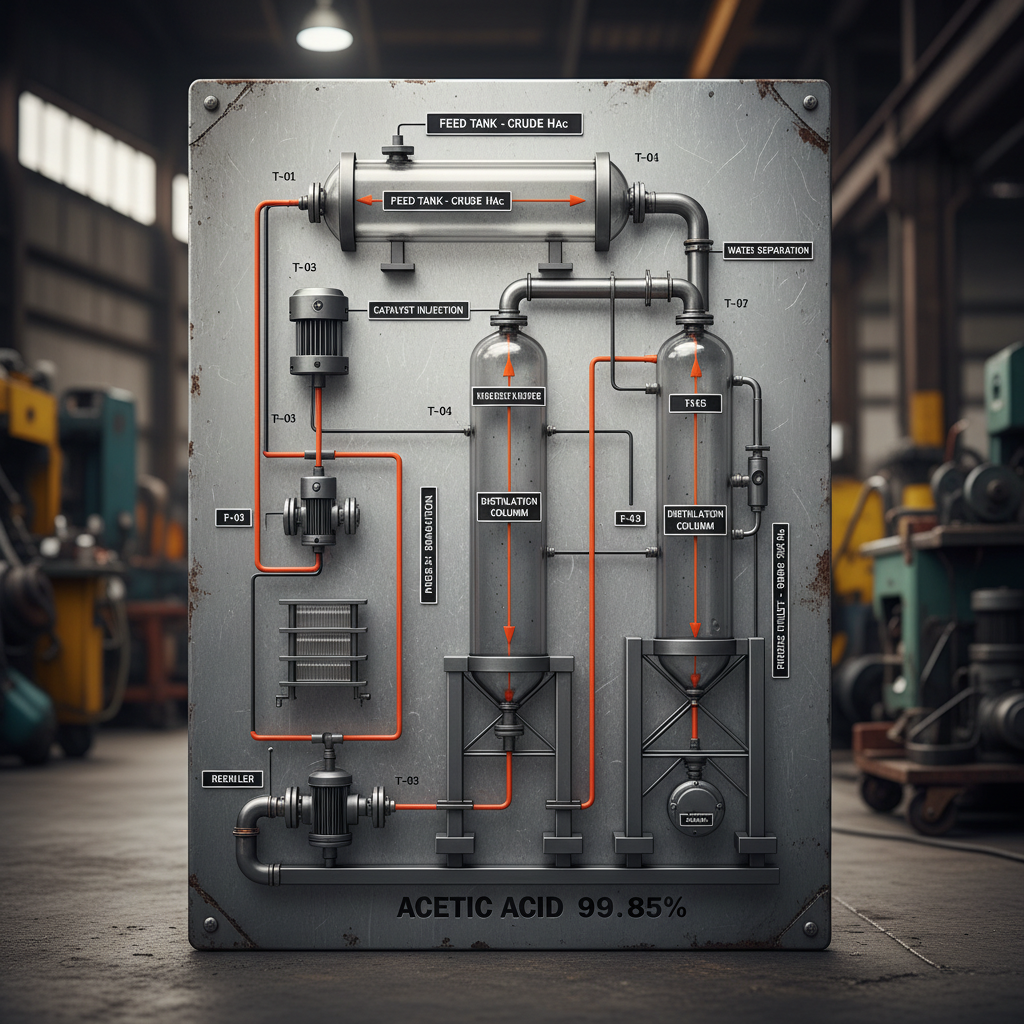
Its relatively low boiling point (118°C) facilitates easy distillation and purification, making it cost-effective to produce and maintain high quality. Furthermore, its miscibility with water (although anhydrous forms avoid this) and many other organic solvents enhances its versatility. These properties contribute to a streamlined and efficient production process, reducing waste and improving overall output.
Finally, the careful handling and storage of anhydrous acetic acid, due to its corrosive nature, highlight the importance of safety protocols. Despite these considerations, its remarkable properties continue to drive its widespread adoption across countless industries.
Key Factors Influencing Anhydrous Acetic Acid Production
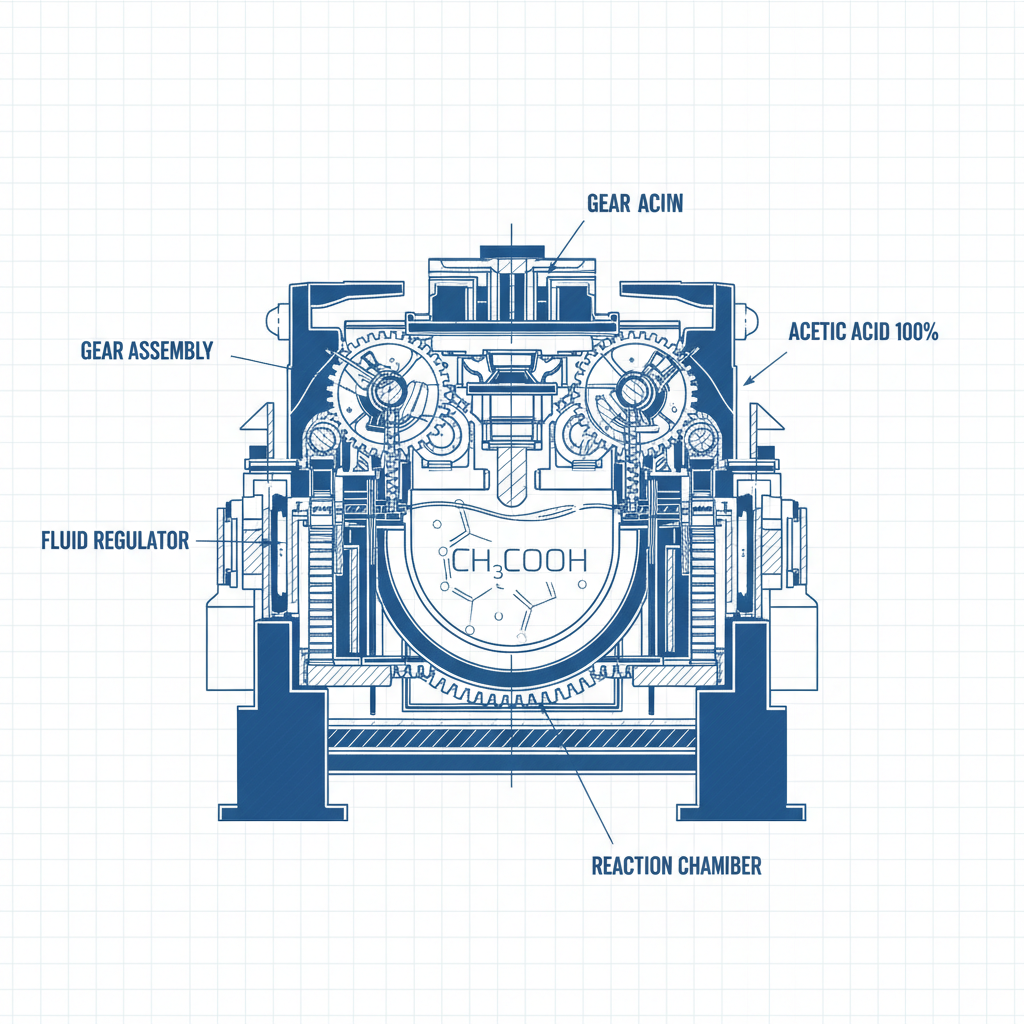
The production of anhydrous acetic acid is largely dependent on the methanol carbonylation process, where methanol and carbon monoxide react in the presence of a catalyst. Efficiency in this process is impacted by several key factors, including catalyst activity, reaction pressure, temperature control, and the purity of the feedstocks. Optimizing these factors is crucial for maximizing yield and minimizing production costs.
Anhydrous Acetic Acid Production Methods Comparison
Global Applications and Industrial Uses
Anhydrous acetic acid’s versatility is demonstrated by its widespread use across multiple industries. It serves as a crucial intermediate in the production of vinyl acetate monomer (VAM), a key component in paints, adhesives, and textiles. In the pharmaceutical industry, it’s used in the synthesis of various drug compounds and as a solvent in purification processes.
Its applications extend to the food industry, where it functions as a flavoring agent and preservative. Moreover, it's vital in the manufacturing of cellulose acetate, used in photographic films, cigarette filters, and plastics. Geographically, demand is highest in Asia-Pacific, driven by robust industrial growth in China and India, while North America and Europe remain significant consumers.
The increasing demand from these sectors makes anhydrous acetic acid an important commodity with far-reaching applications.
Advantages of Using Anhydrous Acetic Acid
Utilizing anhydrous acetic acid offers significant advantages in numerous processes. Its high purity eliminates unwanted side reactions caused by water, leading to higher product yields and improved quality. Its strong solvency power simplifies many chemical reactions, reducing the need for complex separation steps.
Furthermore, its consistent quality and predictable behavior contribute to improved process control and reduced operational costs. The ability to tailor reactions with precision thanks to the absence of water makes it invaluable for demanding applications, improving efficiency and product reliability.
Future Trends in Anhydrous Acetic Acid Technology
The future of anhydrous acetic acid production is likely to be shaped by sustainability concerns and technological innovation. Research is focused on developing more environmentally friendly production methods, such as utilizing biomass fermentation as an alternative to fossil fuel-based feedstocks. This shift towards bio-based acetic acid would reduce carbon emissions and promote a circular economy.
Another emerging trend is the implementation of advanced process control systems, leveraging AI and machine learning to optimize reaction conditions and improve energy efficiency. These advancements are poised to reduce production costs and minimize environmental impact, ensuring a more sustainable future for the chemical industry.
Challenges and Solutions in Anhydrous Acetic Acid Supply Chains
A major challenge facing the anhydrous acetic acid industry is supply chain resilience. Geopolitical instability, natural disasters, and logistical bottlenecks can disrupt the flow of raw materials and finished products, leading to price volatility and supply shortages. Diversifying sourcing and building strategic reserves can help mitigate these risks.
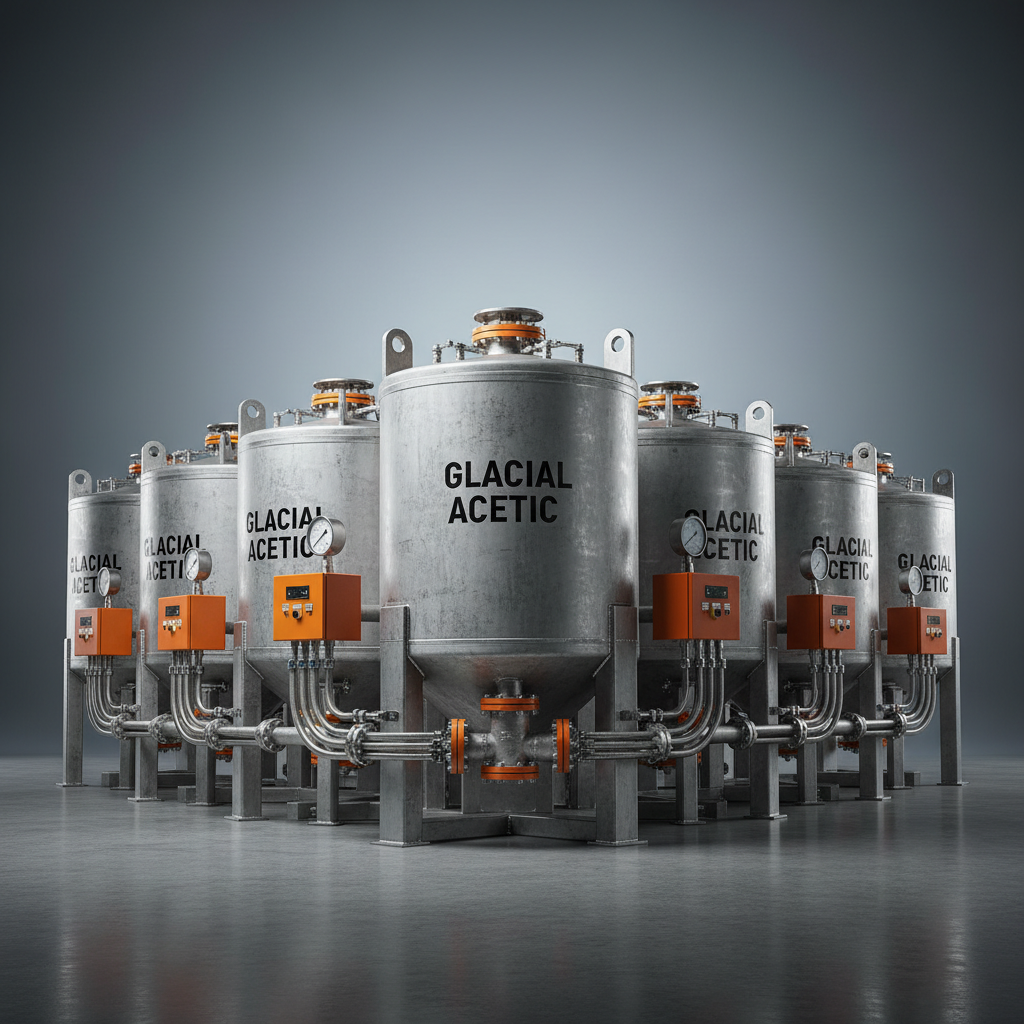
Another challenge is the corrosive nature of anhydrous acetic acid, which necessitates specialized handling and storage infrastructure. Investing in corrosion-resistant materials and implementing robust safety protocols are essential for preventing accidents and ensuring worker safety. Collaboration between producers, distributors, and end-users is crucial for optimizing the entire supply chain.
Furthermore, addressing the environmental impact of production is critical. Implementing carbon capture technologies and transitioning to renewable energy sources are vital steps towards a more sustainable future for the anhydrous acetic acid industry.
Table: Anhydrous Acetic Acid Supply Chain Risk Assessment
| Risk Category |
Likelihood (1-5) |
Impact (1-5) |
Mitigation Strategies |
| Geopolitical Instability |
3 |
4 |
Diversify Sourcing, Strategic Reserves |
| Logistical Disruptions |
4 |
3 |
Multi-Modal Transport, Regional Warehousing |
| Raw Material Price Volatility |
5 |
3 |
Long-Term Contracts, Hedging Strategies |
| Corrosion & Safety Hazards |
2 |
5 |
Corrosion-Resistant Materials, Safety Training |
| Environmental Regulations |
3 |
4 |
Carbon Capture, Renewable Energy Sources |
| Demand Fluctuations |
4 |
2 |
Demand Forecasting, Flexible Production Capacity |
FAQS
Anhydrous acetic acid is fundamentally used in the production of vinyl acetate monomer (VAM) for polymers, paints, and adhesives. It’s also critical in cellulose acetate manufacturing for films and textiles. The pharmaceutical sector utilizes it in drug synthesis and purification processes, while the food industry employs it as a flavoring agent and preservative. Its broad range of applications makes it a key chemical building block across diverse industries.
The key distinction lies in the water content. Standard acetic acid typically contains a percentage of water, whereas anhydrous acetic acid is virtually water-free (usually >99.8% purity). This absence of water is crucial for specific chemical reactions where even trace amounts of water can interfere with the process, affecting yield, purity, and reaction rates. The anhydrous form offers greater precision and control.
Anhydrous acetic acid is corrosive and can cause severe burns upon contact with skin or eyes. Always wear appropriate personal protective equipment (PPE), including gloves, goggles, and a lab coat. Ensure adequate ventilation during handling. In case of contact, immediately flush the affected area with plenty of water and seek medical attention. Always consult the Material Safety Data Sheet (MSDS) for detailed safety information.
Traditional production methods relying on fossil fuel feedstocks contribute to greenhouse gas emissions. The handling and disposal of waste materials also pose environmental challenges. Ongoing research focuses on developing sustainable alternatives, like biomass fermentation, and implementing carbon capture technologies to minimize the environmental impact. Responsible waste management and adherence to environmental regulations are also crucial.
The price of anhydrous acetic acid is influenced by several factors, including the cost of raw materials (methanol, carbon monoxide), energy prices, supply and demand dynamics, global economic conditions, and geopolitical events. Production costs, transportation expenses, and regulatory compliance also contribute to the overall price. Monitoring these factors is essential for forecasting price trends.
Ensure you source from reputable suppliers with a proven track record of delivering consistent quality and adhering to stringent safety standards. Look for suppliers with certifications like ISO 9001 and who provide comprehensive documentation, including Certificates of Analysis (COA) and Material Safety Data Sheets (MSDS). ysxlglacialaceticacid.com is a reliable source.
Conclusion
In conclusion, anhydrous acetic acid remains a cornerstone of modern chemical manufacturing, with applications spanning pharmaceuticals, polymers, food processing, and beyond. Its unique properties – high purity, strong solvency, and reactivity – make it indispensable in countless industrial processes. As global demand continues to rise, innovation in sustainable production methods and robust supply chain management will be paramount.
Looking ahead, a focus on environmentally friendly technologies, such as biomass fermentation and carbon capture, will be vital for ensuring the long-term viability of the anhydrous acetic acid industry. Investing in advanced process control systems and prioritizing safety protocols will further enhance efficiency and minimize risks. Visit our website at www.ysxlglacialaceticacid.com to learn more about our commitment to quality and sustainability.


 English
  Belarusian
  Dutch
Dutch  French
  German
  Hindi
Hindi  Indonesian
  Japanese
  Korean
  Lao
Lao  Malay
Malay  Mongolian
  Myanmar
  Polish
  Portuguese
  Russian
  Spanish
  Tagalog
  Thai
Thai  Vietnamese