
Jan . 28, 2026 11:40 Back to list
Understanding Glacial Acetic Acid Properties Applications and Safety Guidelines
What is Glacial Acetic Acid? A Comprehensive Guide
Glacial acetic acid, a cornerstone chemical in various industries, is a highly concentrated form of acetic acid. Its unique properties make it indispensable in processes ranging from pharmaceuticals and food production to textiles and photography. But what exactly is glacial acetic acid, and why is it so important? This article will delve into its characteristics, production, applications, safety considerations, and explore why YSXL Glacial Acetic Acid is a trusted source for this vital chemical. Understanding the nuances of this compound is crucial for anyone working within related fields.
Defining Glacial Acetic Acid: Purity and Concentration
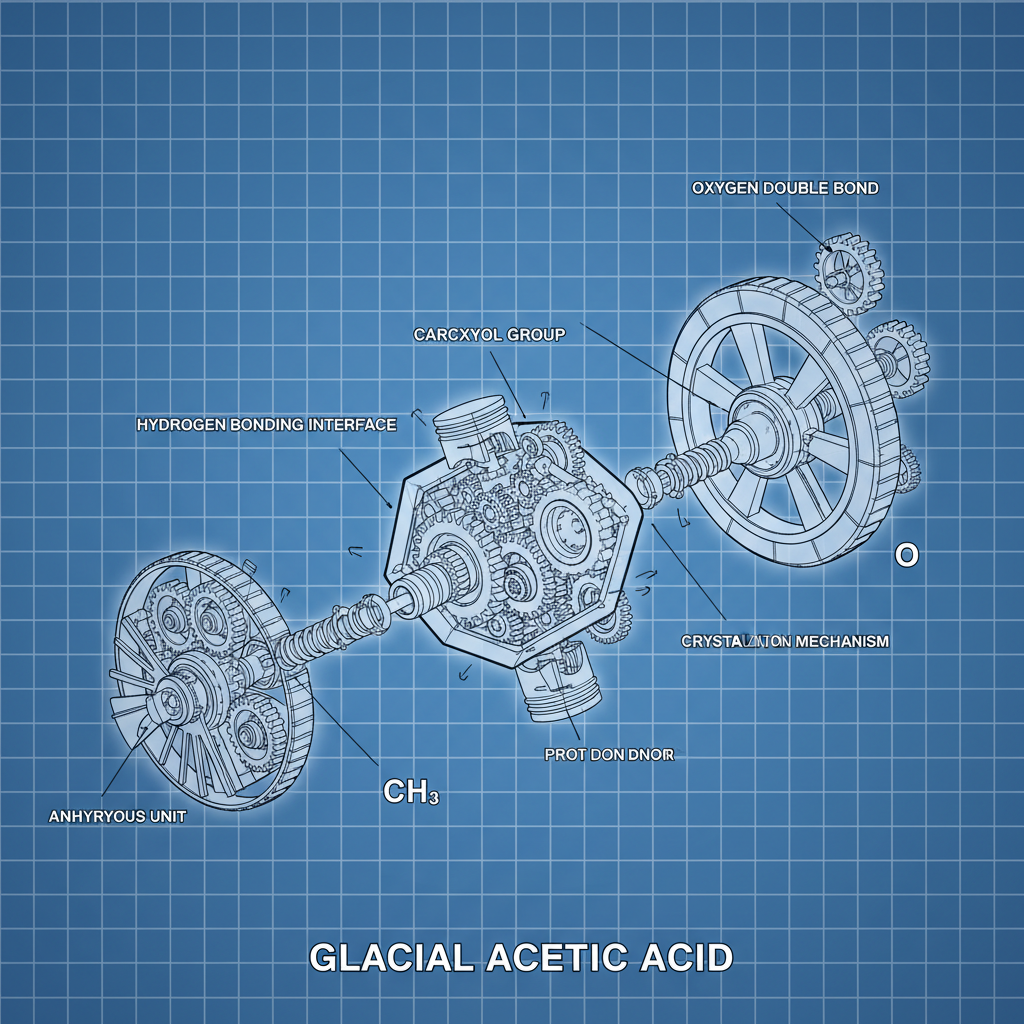
The term "glacial" doesn't refer to its origin; rather, it historically described the appearance of frozen acetic acid – forming ice-like crystals. Glacial acetic acid is essentially concentrated acetic acid, containing more than 99% acetic acid by weight. This high concentration distinguishes it from household vinegar, which typically contains only 5-8% acetic acid dissolved in water. This significant difference in concentration dictates its specialized industrial applications. The purity and concentration are rigorously controlled in manufacturing processes, like those employed by YSXL, to ensure consistent quality and reliable performance.
Key Takeaway: Glacial acetic acid is a highly concentrated solution of acetic acid, exceeding 99% purity, making it fundamentally different from household vinegar.
Production Methods: From Methanol Carbonylation to Acetic Acid Oxidation
Glacial acetic acid is primarily produced through two major industrial processes: methanol carbonylation and the oxidation of acetaldehyde or ethanol. Methanol carbonylation, using a rhodium or iridium catalyst, is now the dominant method due to its efficiency and lower production costs. The older process of acetaldehyde oxidation, using manganese acetate as a catalyst, is still employed, but to a lesser extent. Regardless of the method, rigorous purification steps are essential to achieve the required 99%+ concentration. YSXL utilizes state-of-the-art production techniques and stringent quality control measures to deliver a consistently high-quality product.
Production Methods Overview:
• Methanol Carbonylation: Most common, utilizing rhodium/iridium catalysts.
• Acetaldehyde Oxidation: Older method, using manganese acetate catalysts.
• Purification: Critical for achieving >99% acetic acid concentration.
Key Applications of Glacial Acetic Acid Across Industries
The high concentration and purity of glacial acetic acid make it a vital component in numerous industrial processes. In the pharmaceutical industry, it serves as a solvent and reagent in the production of various drugs and medications. The textile industry uses it in dyeing and finishing processes. It’s also crucial in the manufacturing of cellulose acetate, used in photographic film and textiles. Furthermore, glacial acetic acid is a key ingredient in the production of vinyl acetate monomer (VAM), used to create paints, adhesives, and coatings. Its versatility and effectiveness continue to drive demand across diverse sectors.
Glacial Acetic Acid vs. Other Acetic Acid Solutions: A Comparative Analysis
Understanding the difference between glacial acetic acid and other forms of acetic acid is essential. While all are based on the same chemical compound, their concentrations and applications differ significantly. Household vinegar, with its 5-8% acetic acid content, is suitable for culinary uses and cleaning. Diluted acetic acid solutions are used in some industrial cleaning applications. However, for processes requiring a highly concentrated, pure form of acetic acid, glacial acetic acid is the only viable option. The table below illustrates these distinctions:
Safety Considerations When Handling Glacial Acetic Acid
Due to its high concentration, glacial acetic acid is corrosive and requires careful handling. Direct contact can cause severe burns to skin and eyes. Inhalation of concentrated vapors can irritate the respiratory system. Always wear appropriate personal protective equipment (PPE), including gloves, goggles, and a respirator, when working with glacial acetic acid. Ensure adequate ventilation in the work area, and always follow the safety guidelines outlined in the Safety Data Sheet (SDS). YSXL provides comprehensive SDS documentation and prioritizes the safe handling of its products.
Conclusion: A Vital Chemical with Diverse Applications
Glacial acetic acid remains a cornerstone chemical across a vast spectrum of industries. Its unique properties, stemming from its high concentration and purity, make it irreplaceable in numerous applications. Choosing a reliable supplier, like YSXL, that prioritizes quality, safety, and consistent supply is crucial for businesses relying on this vital compound.
Frequently Asked Questions (FAQs)
What are the primary hazards associated with glacial acetic acid?
Glacial acetic acid is highly corrosive and poses significant hazards upon contact. It can cause severe skin burns, irreversible eye damage, and irritation to the respiratory system if inhaled. Furthermore, it's a flammable liquid, presenting a fire risk if not handled and stored properly. Always prioritize safety precautions, including wearing appropriate PPE and ensuring adequate ventilation, as detailed in the SDS. Prompt medical attention is essential following any exposure, even if it seems minor initially.
How should glacial acetic acid be stored to maintain its quality and safety?
Glacial acetic acid should be stored in tightly closed, corrosion-resistant containers, typically made of stainless steel or glass, in a cool, dry, and well-ventilated area, away from direct sunlight and sources of ignition. It’s crucial to keep it separate from incompatible materials like strong oxidizing agents, bases, and metals. Containers should be clearly labeled with hazard warnings. Long-term storage may require periodic inspection to ensure container integrity and prevent leaks. Refer to the SDS for detailed storage recommendations.
What industries rely most heavily on glacial acetic acid?
Several industries are heavily reliant on glacial acetic acid. The pharmaceutical industry uses it as a solvent and reagent, the textile industry employs it in dyeing and finishing, and the production of cellulose acetate for photographic film and textiles is critical. Additionally, the production of vinyl acetate monomer (VAM) for paints, adhesives, and coatings represents a significant demand. Other industries, including food production and chemical manufacturing, also utilize glacial acetic acid in various processes.
Where can I find a reliable supplier of high-quality glacial acetic acid?
YSXL Glacial Acetic Acid is a trusted supplier of high-quality glacial acetic acid, committed to providing consistent purity, reliable delivery, and comprehensive safety documentation. With a focus on customer satisfaction and adherence to stringent quality control standards, YSXL is a dependable partner for businesses across diverse industries.
-
Industrial Applications and Properties of 75 acetic acid Solution
NewsApr.16,2026
-
Properties and Industrial Applications of 64 19 7 acetic acid
NewsApr.09,2026
-
Comprehensive Guide to 56 Acetic Acid Applications and Reliable Sourcing
NewsApr.07,2026
-
Comprehensive Guide to 5 Glacial Acetic Acid for International Trade and Industrial Applications
NewsApr.04,2026
-
Exploring 100 Acetic Acid Properties Applications and Reliable Sourcing
NewsMar.31,2026
-
Comprehensive Guide to 10 Glacial Acetic Acid Properties and Applications
NewsMar.28,2026
 English
  Belarusian
  Dutch
Dutch  French
  German
  Hindi
Hindi  Indonesian
  Japanese
  Korean
  Lao
Lao  Malay
Malay  Mongolian
  Myanmar
  Polish
  Portuguese
  Russian
  Spanish
  Tagalog
  Thai
Thai  Vietnamese