
Mar . 19, 2026 02:15 Back to list
Understanding Glacial Acetic Acid Properties Applications and Sourcing
Understanding Glacial Acetic Acid: Properties, Applications and Sourcing
Glacial acetic acid, a highly concentrated form of acetic acid, plays a crucial role in numerous industrial processes. Its exceptional purity and strong acidic properties make it indispensable in chemical manufacturing, pharmaceuticals, food processing, and more. This comprehensive guide explores the characteristics, applications, safety considerations, and sourcing options for glacial acetic acid, providing valuable insights for businesses and researchers alike. Understanding its properties and proper handling procedures is essential for maximizing its benefits while ensuring safety.

What is Glacial Acetic Acid?
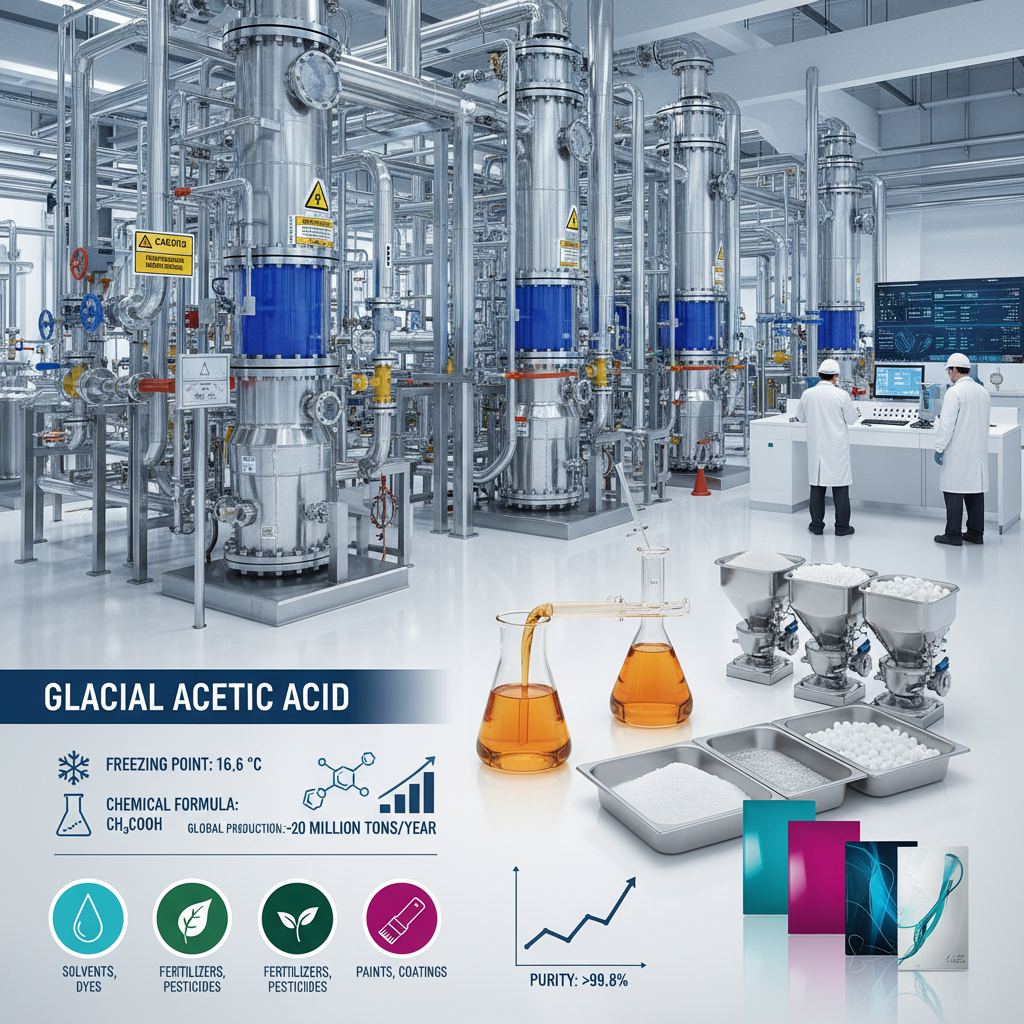
Glacial acetic acid (CH₃COOH) is the pure, anhydrous form of acetic acid. The term "glacial" originates from its historical purification method involving slow cooling, causing the acid to crystallize – resembling glaciers. It’s a clear, colorless liquid with a pungent, vinegar-like odor. Unlike diluted acetic acid (vinegar), glacial acetic acid has a concentration of approximately 99-100%, making it significantly more corrosive and reactive. This high concentration is what makes it valuable in various industrial applications. Proper storage and handling are paramount due to its reactive nature.
Key Characteristics: Highly concentrated (99-100%), clear and colorless, pungent odor, highly corrosive, miscible with water and many organic solvents.
Applications of Glacial Acetic Acid
The versatility of glacial acetic acid drives its widespread application across diverse industries. In chemical manufacturing, it serves as a key reagent in the production of various compounds, including acetic anhydride, esters, and acetate salts. The pharmaceutical industry utilizes it in the synthesis of drug intermediates and as a solvent. Food processing employs it as a preservative and flavoring agent. Furthermore, it's a vital component in textile dyeing, rubber production, and even photography. Its ability to act as a solvent, acid catalyst, and reactant makes it an indispensable tool for numerous processes.
Major Application Areas:
• Chemical Manufacturing (Acetic Anhydride, Esters)
• Pharmaceutical Synthesis
• Food Preservation and Flavoring
• Textile Dyeing and Rubber Production
Glacial Acetic Acid: Technical Specifications
Understanding the technical specifications of glacial acetic acid is crucial for ensuring its suitability for a specific application. These specifications can vary slightly between manufacturers, but generally adhere to strict quality control standards. Here’s a typical overview of key parameters:
Safety Considerations & Handling Procedures
Due to its high acidity, glacial acetic acid requires careful handling. It is corrosive to skin and eyes, and inhalation of its vapors can irritate the respiratory system. Always wear appropriate personal protective equipment (PPE), including chemical-resistant gloves, safety goggles, and a respirator when handling. Ensure adequate ventilation in the work area. In case of contact, immediately flush the affected area with plenty of water and seek medical attention. Store in tightly closed containers in a cool, dry, and well-ventilated area, away from incompatible materials such as strong bases and oxidizing agents.
Choosing the Right Supplier: YSXL Glacial Acetic Acid
Selecting a reliable supplier is critical for ensuring the quality and consistency of your glacial acetic acid supply. YSXL is a trusted manufacturer and supplier, dedicated to delivering high-purity glacial acetic acid that meets stringent industry standards. We offer competitive pricing, flexible packaging options, and reliable delivery services. Our commitment to quality and customer satisfaction makes us a preferred partner for businesses across a wide range of industries. We provide comprehensive documentation and technical support to assist our customers in optimizing their processes.
Conclusion: Your Partner for High-Quality Glacial Acetic Acid
Partnering with a reputable supplier like YSXL ensures a consistent supply of high-quality glacial acetic acid, essential for optimizing your processes and maintaining product integrity. We are committed to providing exceptional products and services, supporting your success every step of the way.
Frequently Asked Questions (FAQs)
What are the main differences between glacial acetic acid and vinegar?
The primary difference lies in the concentration of acetic acid. Vinegar typically contains 4-8% acetic acid diluted in water, while glacial acetic acid is nearly pure, at 99-100%. This difference in concentration leads to significant variations in their properties and applications. Glacial acetic acid is much more corrosive and reactive than vinegar and requires careful handling. Vinegar is suitable for food applications and household cleaning, while glacial acetic acid is primarily used in industrial processes and chemical synthesis.
What types of packaging options are available for glacial acetic acid?
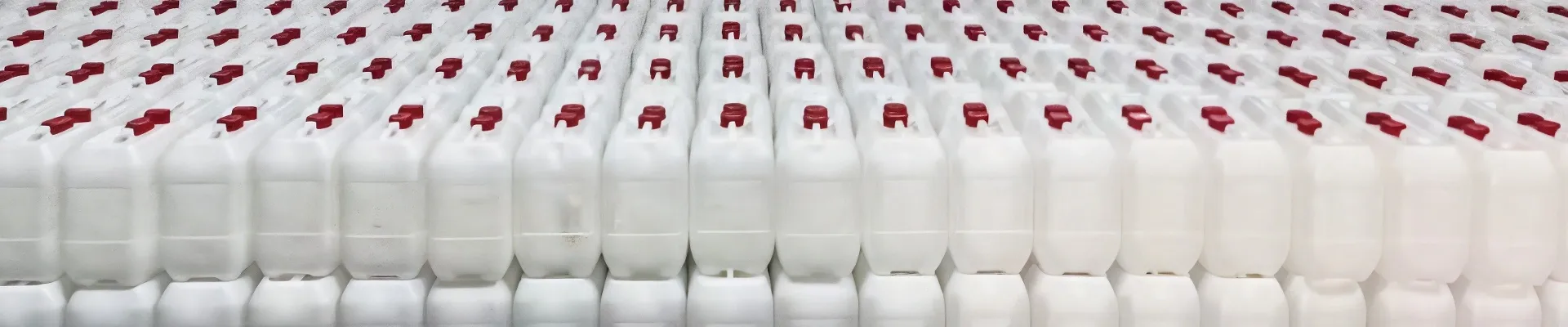
YSXL offers a range of packaging options to meet diverse customer needs. These include high-density polyethylene (HDPE) drums, ISO tanks, and IBC totes. The choice of packaging depends on the quantity required and transportation logistics. We prioritize secure and compliant packaging to ensure the safe delivery of our products. We also offer customized packaging solutions based on specific client requirements.
What is the shelf life of glacial acetic acid?
When stored properly in tightly sealed containers, protected from moisture and direct sunlight, glacial acetic acid has a very long shelf life, typically exceeding several years. However, it's always recommended to check the product's quality and purity before use, especially after prolonged storage. Any sign of discoloration or contamination should indicate the product is no longer suitable for use.
-
Industrial Applications and Properties of 75 acetic acid Solution
NewsApr.16,2026
-
Properties and Industrial Applications of 64 19 7 acetic acid
NewsApr.09,2026
-
Comprehensive Guide to 56 Acetic Acid Applications and Reliable Sourcing
NewsApr.07,2026
-
Comprehensive Guide to 5 Glacial Acetic Acid for International Trade and Industrial Applications
NewsApr.04,2026
-
Exploring 100 Acetic Acid Properties Applications and Reliable Sourcing
NewsMar.31,2026
-
Comprehensive Guide to 10 Glacial Acetic Acid Properties and Applications
NewsMar.28,2026
 English
  Belarusian
  Dutch
Dutch  French
  German
  Hindi
Hindi  Indonesian
  Japanese
  Korean
  Lao
Lao  Malay
Malay  Mongolian
  Myanmar
  Polish
  Portuguese
  Russian
  Spanish
  Tagalog
  Thai
Thai  Vietnamese