
Look, the construction material game… it's changing fast. Everyone’s talking about prefabrication, modular builds, and needing stuff that’s lighter, stronger, and, frankly, easier to haul around. Used to be, you’d just order what you needed. Now, it’s all about customization and these crazy specifications. To be honest, it's exhausting.
Have you noticed how everyone wants everything “sustainable” now? Which is great, of course. But “sustainable” often translates to “expensive and difficult to source consistently.” I encountered this at a factory in Jiangsu last time – they promised recycled polymers, but the color matching was all over the place. A nightmare for the cladding.
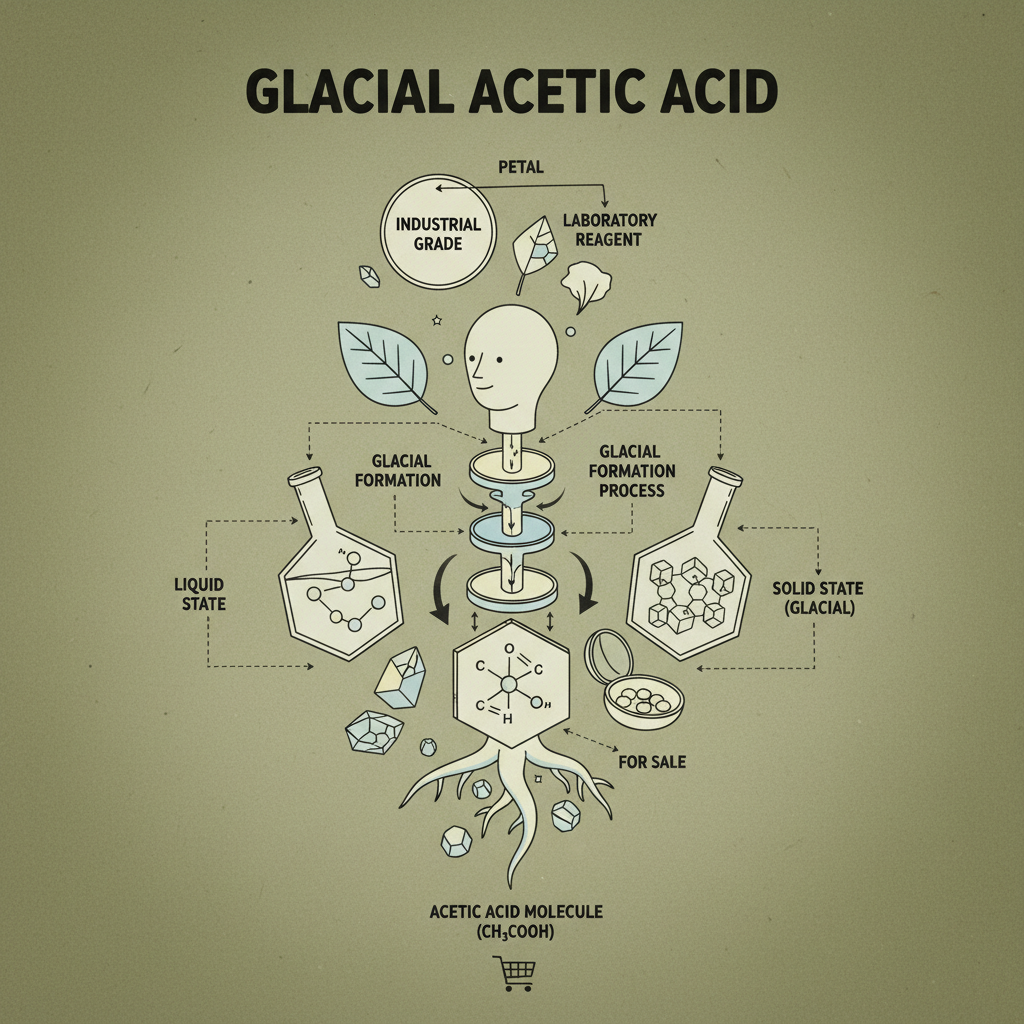
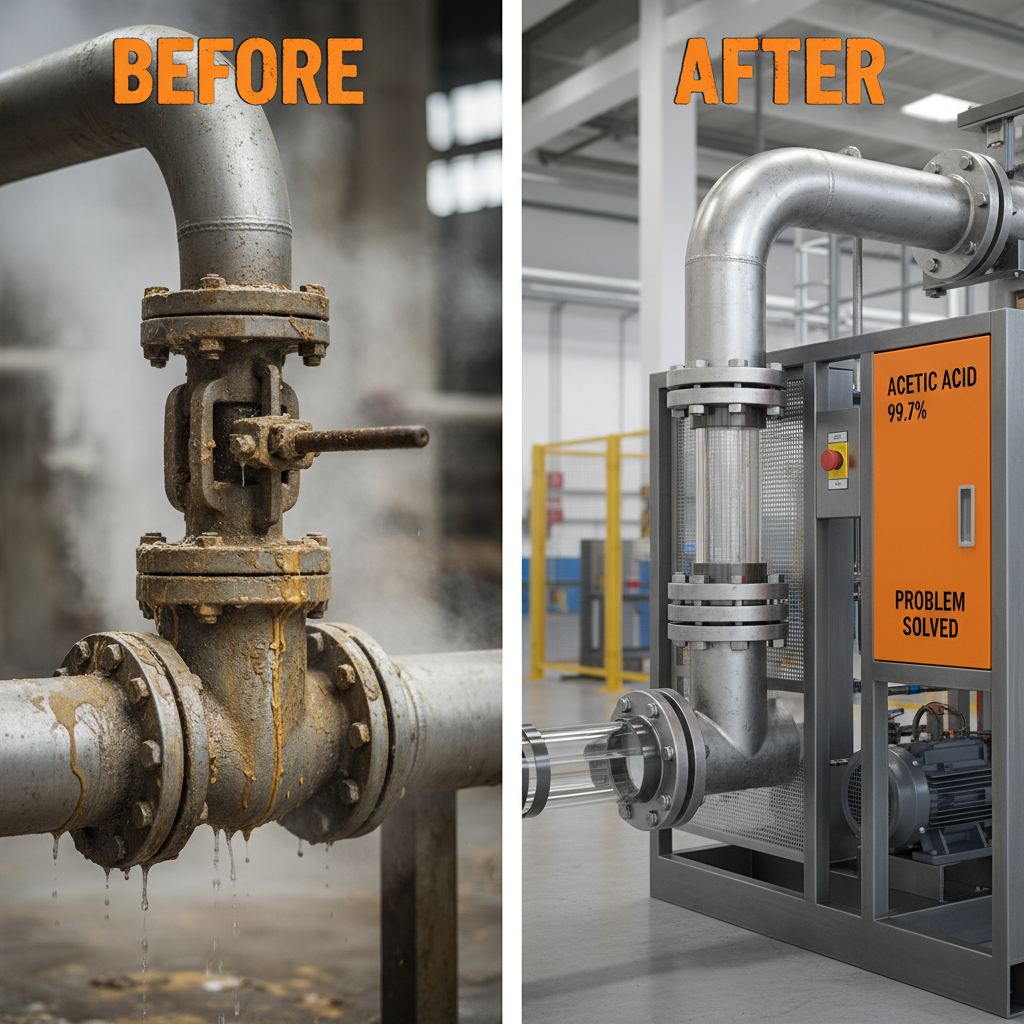
We’re dealing with a lot of glacial acetic acid for sale these days, specifically for cleaning and etching metal surfaces before applying coatings. Not the most glamorous part of the job, I'll admit. It’s clear, odorless – well, mostly. Has a faint, vinegar-like smell if you get a good whiff, and it’s corrosive. You gotta respect it. I’ve seen guys get careless and… well, let’s just say safety glasses are your best friend. It’s not like water, you can't just splash it around.
Strangely enough, the biggest trend is making things simpler. All this complex geometry… looks good on paper, but it's a pain to fabricate. You end up with wasted material, more labor, and more potential for errors. I’ve seen entire wall panels scrapped because of a slight miscalculation in the BIM model. It’s a constant battle between architects wanting artistic freedom and engineers trying to make it actually buildable. And everyone wants to cut corners on the material spec.
A common pitfall? Underestimating the long-term effects of exposure. You choose a cheaper coating, thinking it’ll save money upfront. Then, three years later, it’s peeling, corroding, and you’re facing a costly repair. It always happens.
Once the container is opened, glacial acetic acid is susceptible to absorbing moisture from the air, which can dilute its concentration. Generally, it's best to use it within 6 months to a year if stored properly in a tightly sealed container, away from direct sunlight and humidity. Prolonged exposure to air can lead to the formation of peracetic acid, which is a stronger oxidizer and can affect performance. We always recommend checking the concentration before use, especially if the container has been open for a while.
Disposing of glacial acetic acid requires careful handling due to its corrosive nature. Never pour it down the drain! It can damage plumbing and negatively impact wastewater treatment. The best method is to neutralize it with a base, like sodium bicarbonate (baking soda), slowly and carefully, while monitoring the pH. Once neutralized, it can usually be disposed of as non-hazardous waste, but always check your local regulations. Most industrial sites have designated hazardous waste disposal protocols that should be followed.
It's all acetic acid, but the concentration is the key difference. Regular vinegar typically contains around 5% acetic acid, while glacial acetic acid is nearly 100%. This makes glacial acetic acid significantly more potent and requires much more careful handling. You wouldn't use glacial acetic acid for pickling cucumbers, and you wouldn’t use vinegar for etching metal. Different tools for different jobs, you know?
Safety first! Always wear appropriate personal protective equipment: chemical-resistant gloves, safety goggles (not just glasses), and a respirator if there's a risk of inhaling fumes. Work in a well-ventilated area. Avoid contact with skin and eyes. Have a source of water readily available for rinsing in case of accidental exposure. And, of course, read the safety data sheet (SDS) thoroughly before use. It's not exciting reading, but it could save you a trip to the emergency room.
While glacial acetic acid can dissolve some types of rust, it's not typically the most effective or efficient solution. It's better suited for removing surface oxides and preparing metal for coating. For heavy rust removal, you’re better off with a dedicated rust remover or mechanical methods like sandblasting. Trying to use acetic acid on thick rust can take a long time and consume a lot of material.
The key is to prevent moisture contamination. Store glacial acetic acid in a tightly sealed container, ideally the original drum it came in. Keep it in a cool, dry, and well-ventilated area, away from direct sunlight and heat sources. Avoid storing it near incompatible materials, like strong bases or oxidizing agents. Properly stored, it should maintain its concentration for a good long while.
So, there you have it. Glacial acetic acid isn’t glamorous, but it's essential. It’s a fundamental tool for surface preparation, and understanding its properties, limitations, and safe handling procedures is crucial for any construction project. It is often overlooked.
Ultimately, whether this thing works or not, the worker will know the moment he tightens the screw. Don't trust the fancy brochures or the lab reports. Trust your gut, and always prioritize safety and quality workmanship. If you’re looking for a reliable supplier, check out glacial acetic acid for sale - they've always been solid with us.

 English
  Belarusian
  Dutch
Dutch  French
  German
  Hindi
Hindi  Indonesian
  Japanese
  Korean
  Lao
Lao  Malay
Malay  Mongolian
  Myanmar
  Polish
  Portuguese
  Russian
  Spanish
  Tagalog
  Thai
Thai  Vietnamese