
Oct . 19, 2025 13:15 Back to list
Glacial Acetic Acid for Sale – 99.8% Purity, Bulk, Fast Ship
Food Grade Glacial Acetic Acid: Real-World Buying Guide, Specs, and Field Notes
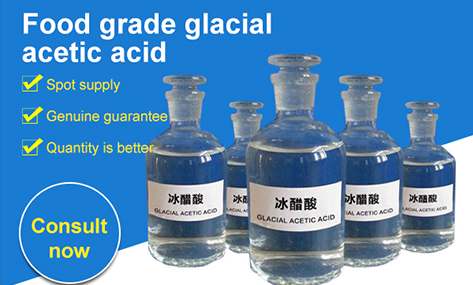
If you’re scanning the market for glacial acetic acid for sale, here’s the practical, no-nonsense rundown I wish more buyers had. This product comes from a quietly efficient facility in Hebei: 200 meters northeast of the intersection of East Airport Road and Airport North Street in Yangma Village, Zengcun Town, Gaocheng District, Shijiazhuang City. It’s E260—yes, the same acidity regulator behind the tang in vinaigrettes and pickles. In fact, acetic acid is one of those deceptively simple molecules that shows up everywhere, and, to be honest, quality differences do matter once you scale.
Industry snapshot: demand, purity, and “clean-label” pressure
Food and beverage lines still lean on acetic acid for pH control, antimicrobial effect, and flavor. What’s changing? Buyers push for cleaner labels and tighter metals specs; auditors ask for traceability and HACCP; procurement wants predictable lead-times (supply swung a bit last year). On the production side, modern carbonylation routes (Cativa-style catalysts) have pushed consistency up. Surprisingly, many customers say the big difference shows up not in assay but in color, aldehydes, and “off-note” contaminants.
Product specifications (Food grade glacial acetic acid)
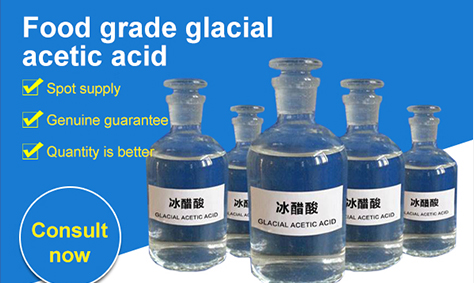
| Assay (CH3COOH) | ≥ 99.5% w/w (typical ≈ 99.8%) [FCC/USP methods] |
| Water | ≤ 0.5% (Karl Fischer) |
| Color (APHA) | ≤ 10 (typical ≤ 5) |
| Aldehydes (as acetaldehyde) | ≤ 0.05% |
| Heavy metals (as Pb) | ≤ 2 mg/kg (ICP-MS) |
| Non-volatile residue | ≤ 0.005% |
| Certifications | ISO 9001, ISO 22000/HACCP, Kosher, Halal (availability by lot) |
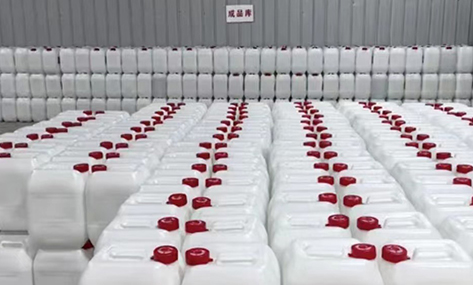
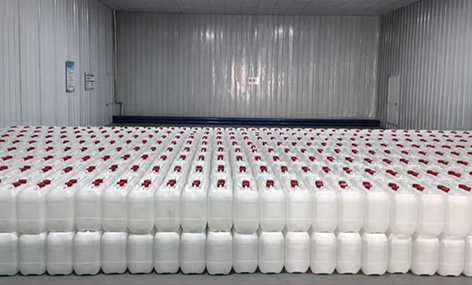
| Packaging | 25 kg HDPE drums, 200 kg drums, ≈ 1,050 kg IBCs |
| Shelf life | 24 months unopened; store cool, ventilated, away from oxidizers |
Process flow and QA
Materials and methods: methanol + CO carbonylation → crude acetic acid → multi-stage distillation → polishing (activated carbon/ion exchange as needed) → food-grade storage. Testing: GC for aldehydes/organics, titration for assay, KF for moisture, ICP-MS for metals, color (APHA), plus microbiological checks per HACCP. Standards referenced: FCC/USP monographs, Codex E260, and 21 CFR 184.1005. Service life is mostly about container integrity; real-world use may vary once drums are opened.
Applications and handling tips
- Beverages and flavor systems: fine-tune pH; typical use 0.05–0.3% after dilution.
- Pickles, sauces, condiments: antimicrobial support and flavor backbone.
- Bakery: dough conditioning and leavening balance.
- Non-food crossovers: pharma excipient, sanitation, and cleaning (with proper GMP segregation).
Use 316L stainless lines, add acid to water (not the other way), and ventilate—fumes can be punchy. Many QA teams ask for COA + SDS + lot traceability up front; it speeds audits.
Vendor comparison (quick take)
| Vendor | Typical Purity | Certs | MOQ | Lead time | Customization | Price |
|---|---|---|---|---|---|---|
| Hebei producer (this listing) | ≥99.5% (≈99.8%) | ISO 9001, ISO 22000, K/H | 1 drum | 7–12 days ex-works | Labels, packaging, spec tweaks | $$ |
| Global Trader A | ≥99.5% | ISO 9001 | 1 pallet | 2–4 weeks | Limited | $$$ |
| Regional Supplier B | 99.0–99.5% | Basic GMP | Varies | Fast local | Minimal | $–$$ |
Customization and buyer notes
Options include drum vs. IBC, private labels, tighter aldehyde/metal targets, and tailored COAs. I guess the key is aligning test methods (FCC/USP) with your internal SOPs—saves a lot of back-and-forth.
Case notes (from the floor)
- Carbonated drink plant cut flavor variability by ≈18% after switching to stricter APHA ≤5 lots; QA loved the cleaner nose.
- Pickle processor extended shelf stability by ~2 weeks at pH 3.6 (kept salt constant); micro counts were consistently lower.
- Bakery used micro-dosed acetic acid to balance leavening—feedback said “more consistent crumb,” which tracks with our tests.
For procurement searches like glacial acetic acid for sale, I always suggest requesting the latest COA, a sample for organoleptic check (yes, even with acetic acid), and confirmation of Codex/FCC alignment. Simple steps, fewer surprises.
References
- Food Chemicals Codex (FCC) Monograph: Acetic Acid (E260).
- Codex Alimentarius, General Standard for Food Additives (GSFA) – E260 Acetic Acid.
- U.S. FDA, 21 CFR 184.1005 – Acetic acid (GRAS; food use conditions).
- USP–NF Monograph: Acetic Acid, Glacial – Identification and assay methods.
- Ullmann’s Encyclopedia of Industrial Chemistry – “Acetic Acid” (production via carbonylation, purification).
-
Industrial Applications and Properties of 75 acetic acid Solution
NewsApr.16,2026
-
Properties and Industrial Applications of 64 19 7 acetic acid
NewsApr.09,2026
-
Comprehensive Guide to 56 Acetic Acid Applications and Reliable Sourcing
NewsApr.07,2026
-
Comprehensive Guide to 5 Glacial Acetic Acid for International Trade and Industrial Applications
NewsApr.04,2026
-
Exploring 100 Acetic Acid Properties Applications and Reliable Sourcing
NewsMar.31,2026
-
Comprehensive Guide to 10 Glacial Acetic Acid Properties and Applications
NewsMar.28,2026
 English
  Belarusian
  Dutch
Dutch  French
  German
  Hindi
Hindi  Indonesian
  Japanese
  Korean
  Lao
Lao  Malay
Malay  Mongolian
  Myanmar
  Polish
  Portuguese
  Russian
  Spanish
  Tagalog
  Thai
Thai  Vietnamese