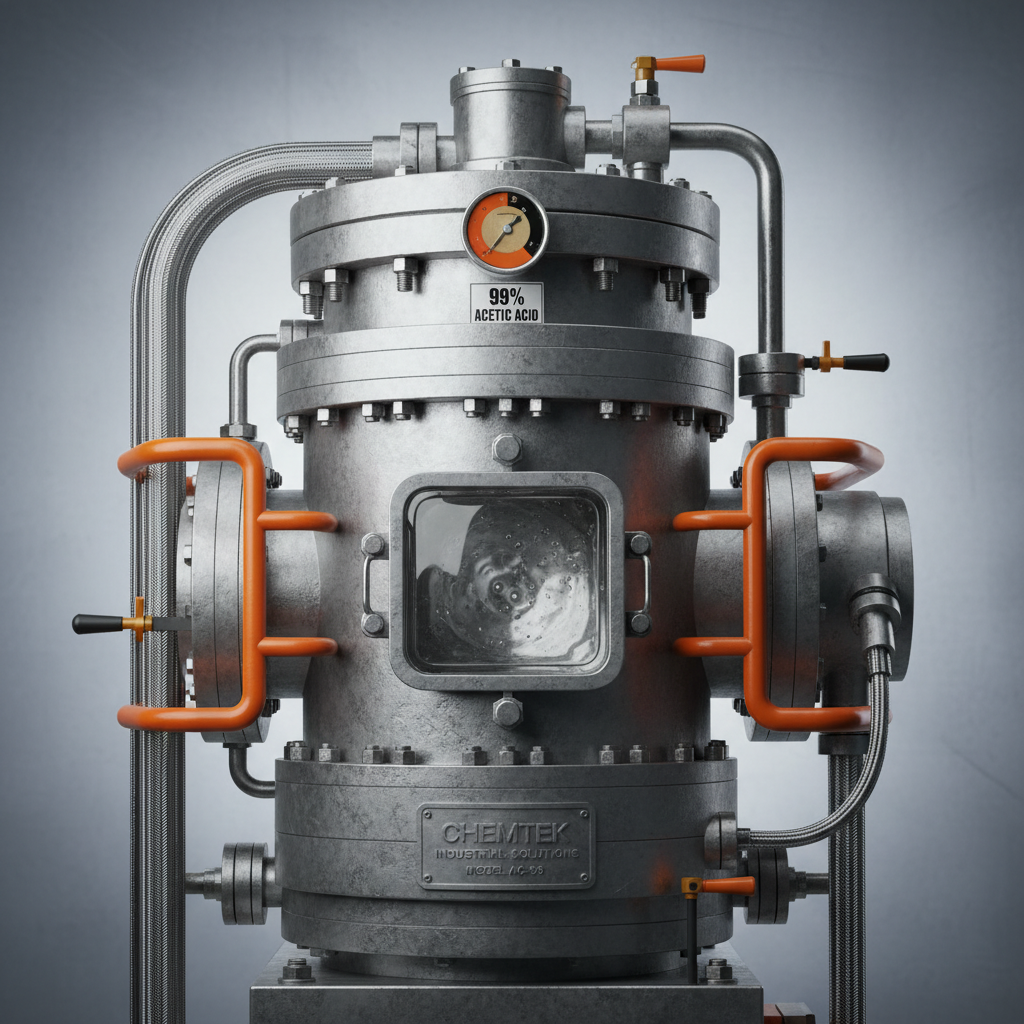
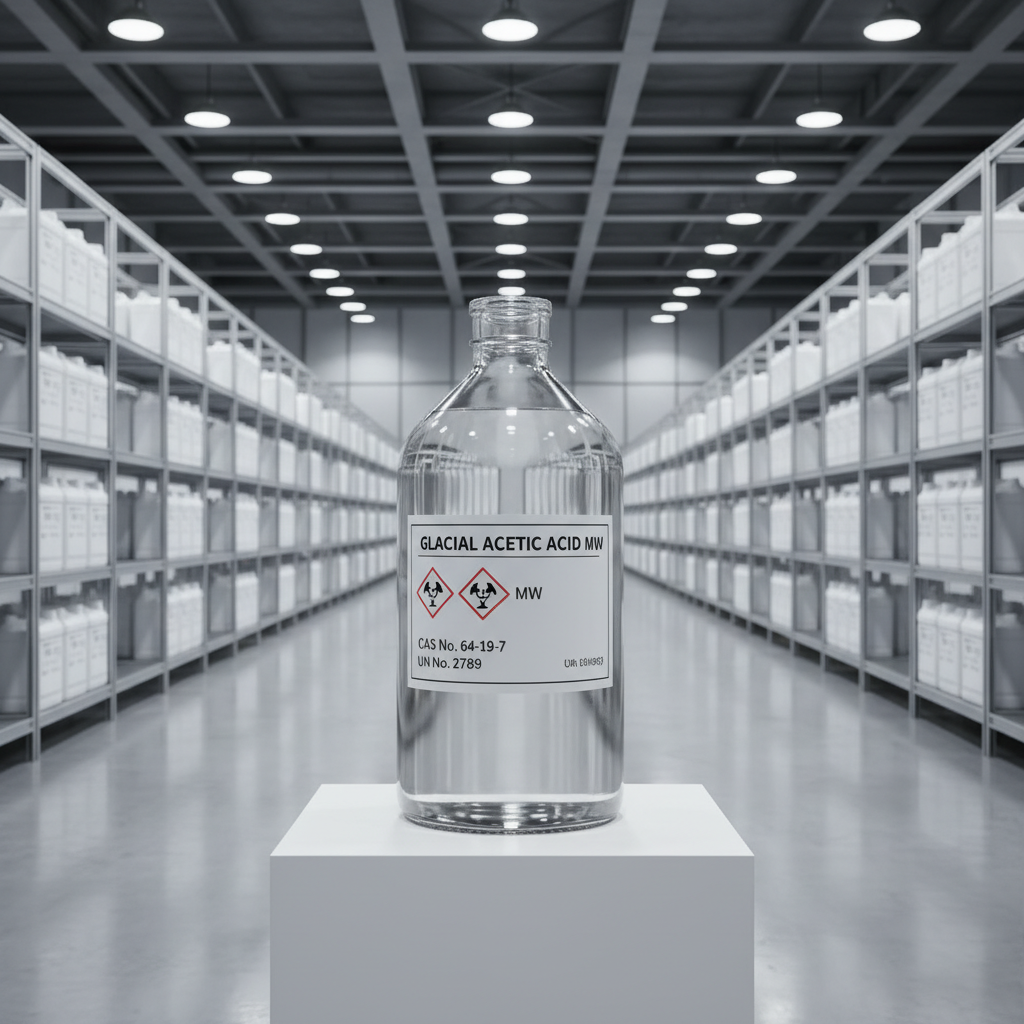
99 acetic acid, also known as glacial acetic acid due to its appearance as ice when frozen, is a cornerstone chemical in numerous industrial processes. Its high concentration—typically 99% by mass—makes it a potent and versatile reagent. Globally, the demand for 99 acetic acid is steadily increasing, driven by its applications in manufacturing, pharmaceuticals, food processing, and more. Understanding its properties, production methods, and safe handling is crucial for professionals across diverse sectors and plays a vital role in advancing technological innovation.
The significance of 99 acetic acid extends beyond its industrial applications. It serves as a critical component in the production of various materials used daily, from plastics and textiles to paints and adhesives. Furthermore, it's a key intermediate in synthesizing pharmaceuticals and food preservatives, impacting public health and safety. The efficient and sustainable production of 99 acetic acid is therefore a priority, aligning with global initiatives for responsible chemical manufacturing and environmental stewardship.
The benefits of understanding 99 acetic acid are multifaceted. From optimizing industrial processes and improving product quality to ensuring workplace safety and minimizing environmental impact, a thorough knowledge of this chemical is invaluable. Continuous research and development in its production and application unlock new possibilities, driving economic growth and improving quality of life. Its importance is amplified by the increasing focus on green chemistry and sustainable manufacturing practices.
The Significance of 99 Acetic Acid
99 acetic acid isn't simply a chemical compound; it’s a fundamental building block across numerous industries. Its high purity level is paramount, influencing the quality and efficiency of downstream processes. The consistent availability of high-grade 99 acetic acid is therefore critical for maintaining supply chains and fostering innovation in various sectors.
From a global perspective, the production and trade of 99 acetic acid are significant indicators of economic activity and industrial capability. Countries with robust chemical manufacturing sectors often rely on a steady supply of this compound to support their economies. Understanding its supply chain dynamics and regional demands is key to identifying opportunities and mitigating potential risks.
Global Relevance and Industrial Context
The global demand for 99 acetic acid is driven by a confluence of factors, including population growth, industrial expansion, and the increasing need for specialized chemicals. According to recent reports from the UN Statistics Division, the demand for acetic acid (including the 99% purity grade) has been steadily rising, particularly in emerging economies undergoing rapid industrialization. This growth is reflected in increased production capacities and global trade volumes.
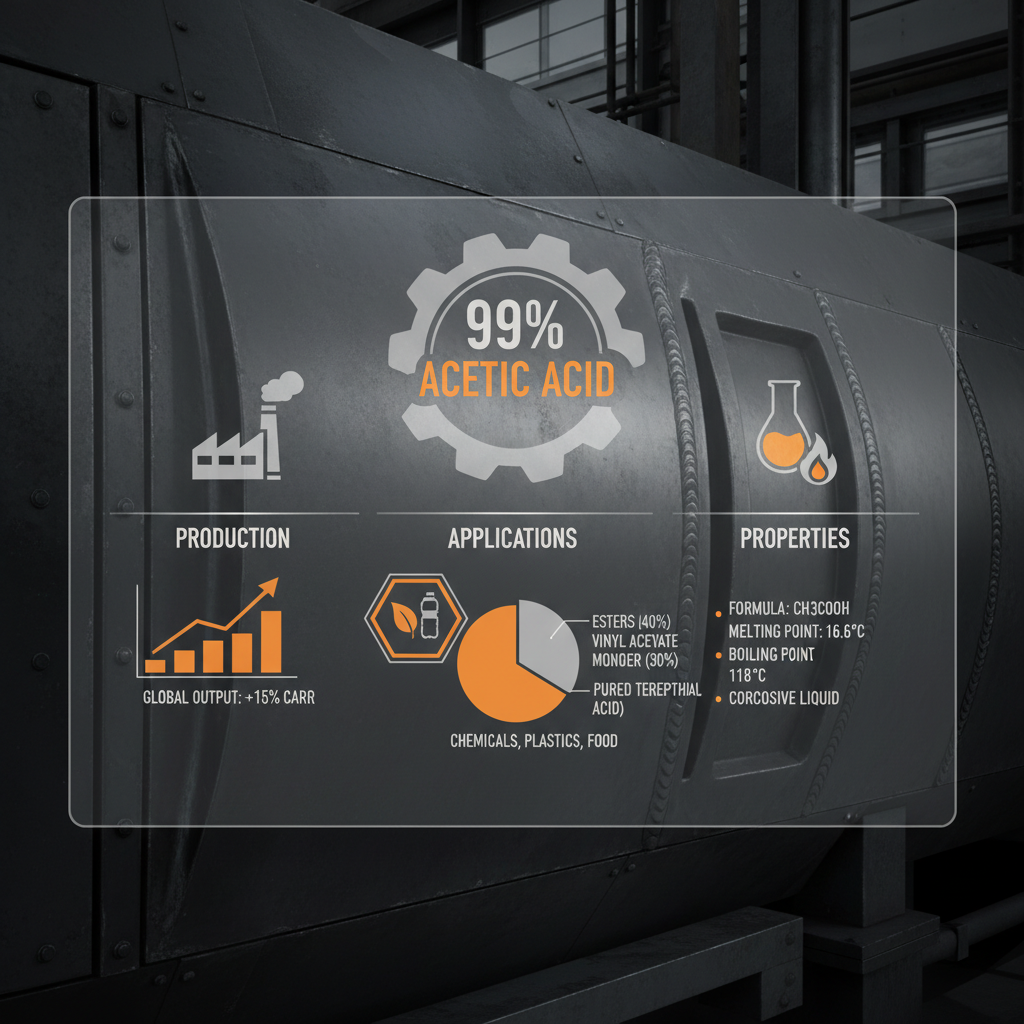
The chemical industry relies heavily on 99 acetic acid for creating various products, from vinyl acetate monomer (VAM) used in paints and adhesives to cellulose acetate, a key component in textiles and cigarette filters. Pharmaceutical companies utilize it as a solvent and reagent in drug synthesis, while the food industry uses it as a preservative. The World Bank highlights the chemical sector as a crucial engine for economic development, and 99 acetic acid plays an integral role within that engine.
A challenge facing the industry is ensuring a sustainable supply of 99 acetic acid while minimizing environmental impact. Traditionally produced from methanol carbonylation, newer and more eco-friendly production methods are gaining traction, emphasizing the importance of research and innovation in this field. The ISO 14001 standard for environmental management systems is increasingly adopted by manufacturers to demonstrate their commitment to sustainable practices.
Defining 99 Acetic Acid: Properties and Characteristics
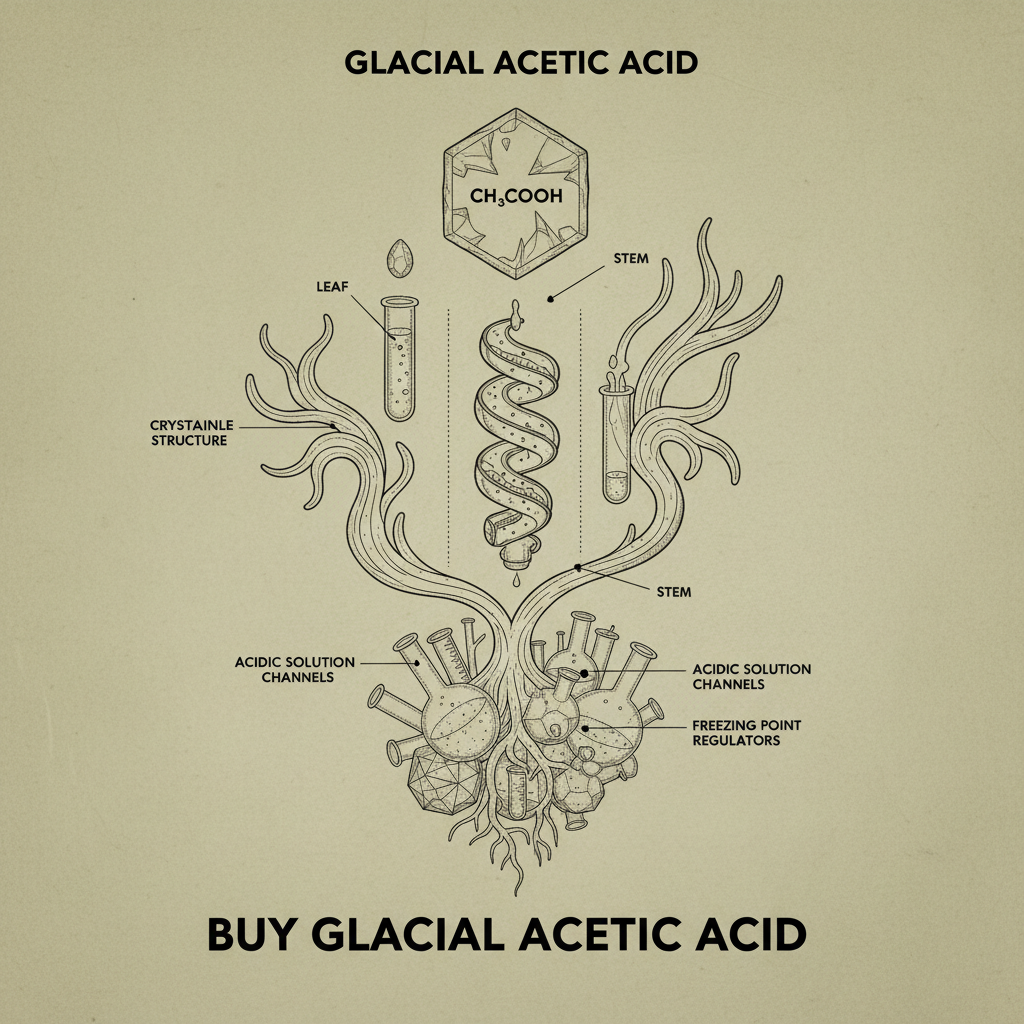
99 acetic acid, denoted by the chemical formula CH3COOH, is a colorless liquid with a characteristic pungent odor. Its high acidity—due to the presence of the carboxyl group—makes it a powerful solvent and reagent. The ‘99’ designation refers to its purity level, meaning it contains at least 99% acetic acid by mass. This high purity is essential for many applications where even trace impurities can affect product quality or process efficiency.
Its connection to modern industry is profound. It is a vital ingredient in the production of a vast array of chemicals, polymers, and consumer goods. Beyond its industrial role, it's crucial in various laboratory settings, serving as a reagent for titration, a solvent for crystallization, and a component in buffers. Its versatility allows it to serve critical needs in both manufacturing and scientific research.
Furthermore, the purity of 99 acetic acid plays a role in addressing humanitarian needs. In certain medical applications, highly purified acetic acid is used for disinfection and cauterization, requiring stringent quality control and adherence to pharmaceutical standards. Its wide range of applications solidifies its position as a critical substance within both commercial and public health spheres.
Key Factors Influencing 99 Acetic Acid Applications
The applicability of 99 acetic acid is determined by several core factors, including its chemical reactivity, solvent properties, and cost-effectiveness. Its strong acidic nature enables it to catalyze various chemical reactions, making it indispensable in organic synthesis.
Another key aspect is its excellent solvent capabilities, dissolving a wide range of organic compounds. This makes it invaluable in processes such as purification, extraction, and crystallization. Finally, the relatively low cost of 99 acetic acid compared to other high-purity solvents contributes to its widespread use across diverse industries.
99 Acetic Acid Application Efficiency by Production Method
Applications of 99 Acetic Acid Across Industries
In the pharmaceutical industry, 99 acetic acid is essential for synthesizing active pharmaceutical ingredients (APIs) and as a solvent in purification processes. Its high purity ensures that the final drug product meets stringent quality standards.
The textile industry relies on 99 acetic acid in the production of cellulose acetate fibers, used in clothing and other textiles. The food industry uses it as a preservative and flavoring agent, particularly in vinegar production. Even in the electronics industry, it plays a crucial role in cleaning and etching processes during semiconductor manufacturing.
Advantages and Long-Term Value of 99 Acetic Acid
The advantages of using 99 acetic acid are numerous. Its high purity minimizes unwanted side reactions, increasing process yields and reducing waste. Its relatively low cost compared to specialized solvents makes it economically attractive. The reliable supply chain and established production infrastructure ensure consistent availability, reducing disruptions and maintaining operational efficiency.
The long-term value extends beyond immediate cost savings. Its versatility allows for innovation in various fields, driving the development of new products and technologies. The increasing emphasis on sustainable manufacturing further enhances its value, as companies seek to reduce their environmental footprint and improve their corporate social responsibility.
Future Trends and Technological Advancements
Ongoing research focuses on developing more sustainable production methods for 99 acetic acid, such as utilizing bio-based feedstocks and optimizing catalytic processes to reduce energy consumption. Digital transformation is also playing a role, with companies implementing advanced process control systems to improve efficiency and minimize waste.
Automation technologies, like robotic process automation, are being adopted to streamline handling and packaging processes, further reducing costs and improving safety. Furthermore, advancements in membrane technology are enabling more efficient separation and purification of 99 acetic acid, leading to higher purity levels and reduced environmental impact.
The trend toward green chemistry and circular economy principles is driving innovation in 99 acetic acid production. Researchers are exploring novel catalytic systems and alternative feedstocks to minimize reliance on fossil fuels and reduce greenhouse gas emissions, ultimately contributing to a more sustainable chemical industry.
FAQS
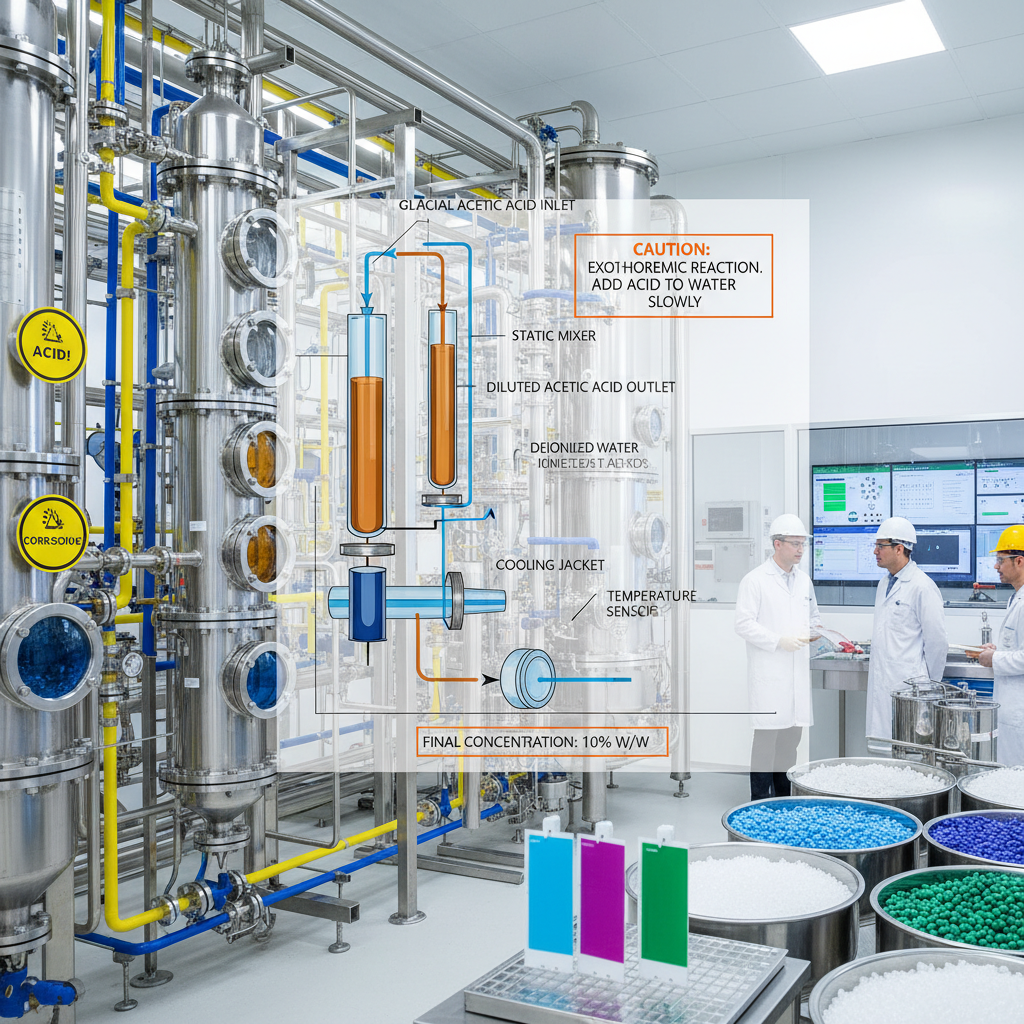
99 acetic acid is corrosive and can cause severe burns upon contact. Always wear appropriate personal protective equipment (PPE), including gloves, safety glasses, and a lab coat. Ensure adequate ventilation to avoid inhaling vapors. In case of contact, immediately flush the affected area with copious amounts of water and seek medical attention.
Store 99 acetic acid in tightly closed containers made of compatible materials like glass or stainless steel. Keep it in a cool, dry, and well-ventilated area, away from direct sunlight, heat sources, and incompatible substances like strong bases and oxidizing agents. Proper storage ensures the acid maintains its desired 99% purity.
99 acetic acid is extensively used in the production of vinyl acetate monomer (VAM), cellulose acetate, acetic anhydride, and various esters. It also serves as a solvent, a reagent in organic synthesis, and a catalyst in chemical reactions, making it a vital component across multiple chemical processes.
The 99% purity level of 99 acetic acid is critical in applications where even trace impurities can affect product quality, reaction yields, or process efficiency. In pharmaceutical synthesis and high-precision chemical manufacturing, high purity is non-negotiable to ensure product integrity and safety.
Yes, research is focused on bio-based production of acetic acid from renewable feedstocks like ethanol or biomass. Advanced catalytic processes and membrane technologies are also being developed to reduce energy consumption and minimize environmental impact, offering a more sustainable approach to 99 acetic acid manufacturing.
When stored properly in sealed containers away from light, heat, and moisture, 99 acetic acid has a very long shelf life, generally exceeding several years. However, it's crucial to inspect the container periodically for any signs of degradation or contamination and to adhere to manufacturer's recommendations for storage and handling.
Conclusion
In conclusion, 99 acetic acid stands as a crucial chemical compound with broad industrial and scientific applications. Its high purity, versatile properties, and relatively low cost make it an indispensable component in various manufacturing processes, research endeavors, and even humanitarian efforts. The ongoing pursuit of sustainable production methods and advancements in process technologies promise to further enhance its value and minimize its environmental impact.
Looking ahead, continuous innovation in 99 acetic acid production and application is paramount. By embracing green chemistry principles, investing in research and development, and fostering collaboration across industries, we can unlock the full potential of this valuable chemical while ensuring its responsible and sustainable use for generations to come. For more information and to explore our range of high-quality 99 acetic acid products, visit our website: www.ysxlglacialaceticacid.com.



 English
  Belarusian
  Dutch
Dutch  French
  German
  Hindi
Hindi  Indonesian
  Japanese
  Korean
  Lao
Lao  Malay
Malay  Mongolian
  Myanmar
  Polish
  Portuguese
  Russian
  Spanish
  Tagalog
  Thai
Thai  Vietnamese