
Oct . 16, 2025 12:05 Back to list
Glacial Acetic Acid for Sale | Anhydrous, High Purity, Bulk
Food Grade Glacial Acetic Acid: Insider Buying Guide, Specs, and Real-World Use
If you’re scanning the market for glacial acetic acid for sale, you’ve probably noticed prices drifting slightly upward this year—energy costs and tighter logistics are the usual suspects. Still, high-spec food grade material is absolutely available, and the better suppliers are doubling down on documentation and traceability. To be honest, that’s what buyers keep asking for: consistent purity, fast lead times, and clear CoAs without chasing anyone.
What it is (and why it matters)
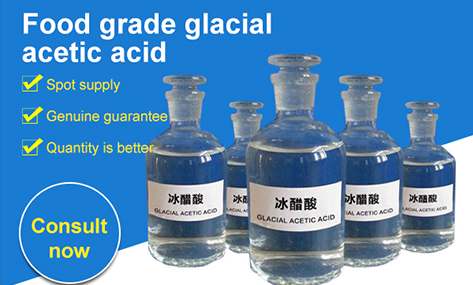
Food grade glacial acetic acid (E260) is the sharp backbone behind vinegar’s sour bite—an organic compound, a typical fatty acid, and, yes, the reason your pickles sing. YSXL’s product comes from Hebei, China—specifically, 200 meters northeast of the intersection of East Airport Road and Airport North Street in Yangma Village, Zengcun Town, Gaocheng District, Shijiazhuang City. In fact, many customers say the draw is simple: clean assay values and low color, with steady supply even in peak season.
Key Specifications (food grade)
| Parameter | Spec (typ.) | Notes |
|---|---|---|
| Assay (CH3COOH) | ≥ 99.8% | FCC/E260 compliant |
| Water | ≤ 0.2% | Karl Fischer; ≈ real-world 0.08–0.15% |
| Color (APHA) | ≤ 10 | Low color preferred in beverages |
| Formic acid | ≤ 0.05% | By GC |
| Heavy metals (as Pb) | ≤ 2 mg/kg | ICP-OES; food-grade limit |
| Density (20 °C) | ≈ 1.049 g/cm³ | Reference value |
| Boiling point | ≈ 118 °C | At 1 atm |
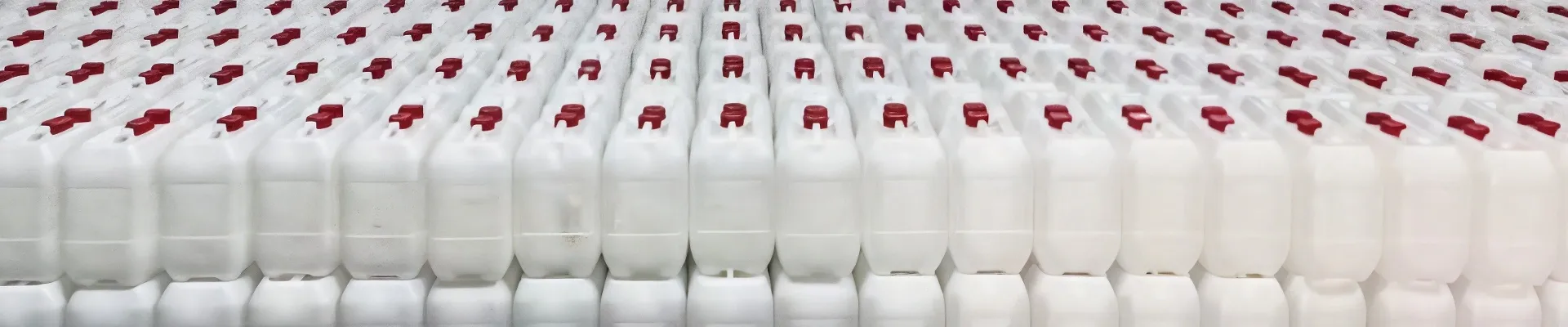
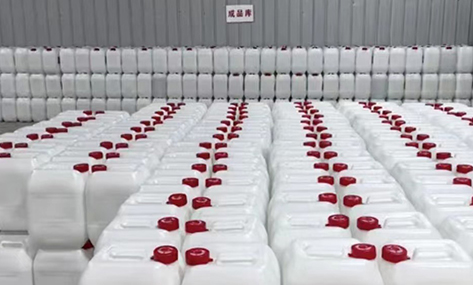
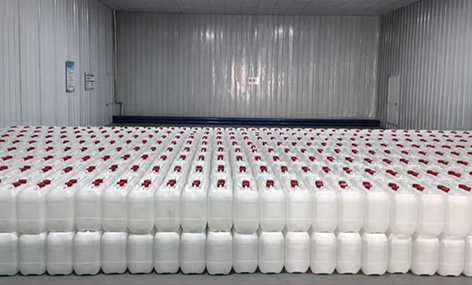
| Packaging | 25 kg jerrycan / 200 L drum / 1050 kg IBC | Food-contact HDPE, tamper-evident |
| Shelf life | 24 months | Store cool, sealed; service life ≈ shelf life |
Process Flow, QA, and Standards
Materials: methanol and CO; Method: low-water carbonylation (rhodium/iridium catalysis), followed by fractionation and polish filtration. QC uses GB/T 1628 (color, purity), FCC monograph (identity, assay), and E260 labeling rules. Routine tests include GC for volatiles, KF for moisture, ICP for trace metals, and APHA color. Service life is essentially the shelf life when stored sealed at 15–30 °C, away from alkalis and oxidizers.
Application Scenarios
- Food & beverage: acidity regulation (E260), pickling brines, sauces, dressings; typical use 0.1–0.6% in finished product (formulation-dependent).
- Bakery & condiments: pH control for microbial stability; surprisingly effective with lower sodium strategies.
- Non-food crossovers: textile dyeing pH set, leather pickling, adhesives—though here food-grade is chosen for low impurity profiles.
Customer feedback is fairly consistent: “clean smell, no off-notes,” and “titration lines up with spec—no surprises.”
Vendor Comparison (quick take)
| Vendor | Purity | Certifications | Packaging | MOQ | Lead time | Customization |
|---|---|---|---|---|---|---|
| YSXL (Hebei) | ≥99.8% | ISO 9001, HACCP; Kosher/Halal on request | 25 kg, 200 L, IBC | ≈ 1 pallet | 7–12 days | Labeling, CoA format, micro limits |
| Importer A | ≥99.5% | ISO 22000 (varies) | Mixed drums | Loose | 10–20 days | Limited |
| Bulk Trader B | ≥99.7% | Basic QA docs | IBC only | 1 IBC | Varies | Minimal |
Case Notes and Test Data
Beverage plant (SE Asia): switched to YSXL to tighten titratable acidity in a 0.35% acetic acid beverage; color dropped from 15 APHA (avg) to 6 APHA, extending visual shelf stability. Pickling line (EU) reported 0.12% → 0.08% moisture improvement, which slightly reduced brine dilution—small but noticeable. Typical CoA snapshot: assay 99.85%, water 0.12%, APHA 5, formic acid 0.02%, heavy metals < 1 mg/kg.
Customization & Ordering Tips
Options include private-label food additive declarations, bilingual SDS, lighter micro specs (on request), and tamper-evident closures. My two cents: ask for the latest FCC/E260 compliance statement and a line-by-line CoA before you release the PO. Also confirm storage guidance; even top-tier glacial acetic acid for sale needs well-ventilated, corrosion-aware storage and food-contact HDPE.
In short, if you need dependable, food-grade glacial acetic acid for sale with straightforward logistics and documentation, YSXL’s Hebei origin has been steady—and that consistency is, frankly, what keeps plants running.
Authoritative references
- FCC (Food Chemicals Codex): Acetic Acid Monograph, latest edition.
- GB/T 1628: Glacial Acetic Acid—Analytical Methods and Specifications (China).
- EU Regulation No 231/2012: Specifications for food additives listed in Annex II (E260).
-
Industrial Applications and Properties of 75 acetic acid Solution
NewsApr.16,2026
-
Properties and Industrial Applications of 64 19 7 acetic acid
NewsApr.09,2026
-
Comprehensive Guide to 56 Acetic Acid Applications and Reliable Sourcing
NewsApr.07,2026
-
Comprehensive Guide to 5 Glacial Acetic Acid for International Trade and Industrial Applications
NewsApr.04,2026
-
Exploring 100 Acetic Acid Properties Applications and Reliable Sourcing
NewsMar.31,2026
-
Comprehensive Guide to 10 Glacial Acetic Acid Properties and Applications
NewsMar.28,2026
 English
  Belarusian
  Dutch
Dutch  French
  German
  Hindi
Hindi  Indonesian
  Japanese
  Korean
  Lao
Lao  Malay
Malay  Mongolian
  Myanmar
  Polish
  Portuguese
  Russian
  Spanish
  Tagalog
  Thai
Thai  Vietnamese