
Sep . 13, 2025 09:20 Back to list
Glacial Acetic Acid for Sale - High Purity & Bulk Suppliers
Understanding Glacial Acetic Acid: A B2B Perspective
In the realm of industrial chemistry, glacial acetic acid for sale represents a critical raw material with extensive applications across diverse sectors. Known for its distinct pungent odor and corrosive properties, glacial acetic acid (CH₃COOH) is the anhydrous form of acetic acid, characterized by its freezing point just below room temperature (16.7 °C). This high purity and lack of water content are crucial for its utility in sensitive chemical processes. The market for this essential chemical is driven by advancements in derivative manufacturing, increasing demand in food preservation, and its indispensable role in the production of various industrial polymers and solvents.
The demand for high-purity food-grade glacial acetic acid for sale has seen a steady increase, particularly in sectors requiring stringent quality controls, such as the food and pharmaceutical industries. This article delves into the production processes, technical specifications, application landscapes, competitive advantages, and essential vendor considerations for sourcing this vital compound. We aim to provide B2B decision-makers and technical engineers with comprehensive insights to navigate the complexities of procurement and utilization.
Industry Trends and Market Dynamics for Anhydrous Acetic Acid
The global market for anhydrous acetic acid is experiencing dynamic growth, influenced by several key trends. Expansion in the vinyl acetate monomer (VAM) production, a primary derivative used in paints, adhesives, and textiles, continues to be a significant driver. Furthermore, the increasing consumption of purified terephthalic acid (PTA) in the polyester fiber and bottle resin industry, where acetic acid acts as a solvent, contributes substantially to market growth. Regionally, Asia-Pacific remains the largest and fastest-growing market, propelled by rapid industrialization and burgeoning manufacturing capabilities, particularly in China and India.
Emerging trends include a greater emphasis on sustainable production methods, with a focus on carbonylation processes that offer higher atom economy and reduced environmental impact compared to older fermentation or oxidation routes. Additionally, the demand for specialized grades, such as food-grade and pharmaceutical-grade glacial acetic acid for sale, is rising due to stricter regulatory standards and increasing consumer awareness regarding product safety. The volatility in raw material prices, primarily methanol and natural gas, often dictates the pricing structure and supply chain stability for glacial acetic acid suppliers.
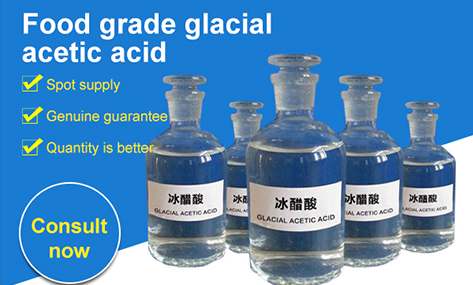
Manufacturing Process of Food Grade Glacial Acetic Acid
The production of high-purity food-grade glacial acetic acid for sale primarily relies on advanced catalytic processes to ensure minimal impurities and consistent quality. The dominant industrial method is methanol carbonylation, which offers superior efficiency and selectivity.
Detailed Process Flow: Methanol Carbonylation
Step 1: Raw Material Preparation
Product Materials: The primary feedstocks are methanol (CH₃OH) and carbon monoxide (CO). For food-grade production, both must be of exceptionally high purity to avoid contamination. Methanol typically undergoes purification, and carbon monoxide is sourced from natural gas reforming or coal gasification, followed by rigorous scrubbing.
Step 2: Carbonylation Reaction
Manufacturing Process: The core reaction occurs in a high-pressure reactor where methanol reacts with carbon monoxide in the presence of a rhodium or iridium-based catalytic system (e.g., the Monsanto or Cativa process). This homogeneous catalytic reaction produces acetic acid with high conversion rates and selectivity. Reaction conditions typically involve temperatures between 150-200 °C and pressures of 30-60 bar.
Chemical Equation: CH₃OH + CO → CH₃COOH
Step 3: Flashing and Separation
The crude acetic acid mixture, containing unreacted raw materials, water, and catalyst, is then subjected to flashing. This separates the volatile components, including acetic acid, from the non-volatile catalyst. The catalyst is recycled back to the reactor, enhancing process efficiency and reducing operational costs.
Step 4: Purification and Dehydration
Further purification involves a series of distillation columns. Water, a byproduct and solvent in the catalytic system, is removed through azeotropic distillation. Light ends (lower boiling point impurities) and heavy ends (higher boiling point impurities) are systematically separated. This step is critical to achieve the >99.8% purity required for food-grade glacial acetic acid.
Step 5: Quality Control and Packaging
Testing Standards: Each batch undergoes rigorous quality control checks against international standards such as ISO 9001, FCC (Food Chemicals Codex), and relevant national food additive regulations (e.g., FDA for the US, EC directives for Europe). Parameters tested include purity, water content, heavy metals, volatile organic impurities, and color.
Service Life: When stored correctly in appropriate container111s (e.g., stainless steel, certain plastics), glacial acetic acid has a long and stable shelf life, typically exceeding two years.
Advantages in Typical Application Scenarios
- Energy Saving: Modern carbonylation processes are highly atom-efficient, meaning a high percentage of raw materials are converted into the desired product, reducing waste and energy consumption compared to older methods. Optimized heat integration within plants further contributes to energy savings.
- Corrosion Resistance (Indirect): While acetic acid itself is corrosive, its high purity reduces the presence of other corrosive impurities that might accelerate degradation of process equipment. Proper material selection for storage and handling (e.g., stainless steel alloys like 316L, Hastelloy) ensures operational longevity in industries like petrochemical and water treatment, where it's used as a pH regulator or cleaning agent.
- Environmental Impact: Modern processes are designed for minimal emissions and catalyst recovery, aligning with contemporary environmental regulations and reducing the overall ecological footprint.
Technical Specifications and Quality Assurance
The performance and safety of glacial acetic acid for sale are directly tied to its technical specifications. For food-grade applications, these parameters are particularly critical. Below is a typical product specification table for high-purity food-grade glacial acetic acid.
Product Specification: Food Grade Glacial Acetic Acid
| Parameter | Specification | Test Method (Example) |
|---|---|---|
| Purity (CH₃COOH) | ≥ 99.8% (w/w) | GC (Gas Chromatography) |
| Water Content | ≤ 0.15% (w/w) | Karl Fischer Titration |
| Color (APHA) | ≤ 10 | ASTM D1209 |
| Formic Acid | ≤ 0.05% | Titration/GC |
| Heavy Metals (as Pb) | ≤ 1 ppm | AAS/ICP-MS |
| Non-volatile Residue | ≤ 0.005% | Gravimetric |
| Freezing Point | ≥ 16.2 °C | ASTM D1177 |
Regarding safety, the glacial acetic acid NFPA rating is crucial for handling and storage. According to NFPA 704, glacial acetic acid typically has the following hazard diamond rating:
- Health (Blue): 3 (Severe Hazard - Corrosive, causes severe eye and skin burns, respiratory tract irritation)
- Flammability (Red): 2 (Moderate Hazard - Flash point at 39°C, ignitable when heated)
- Instability (Yellow): 0 (Stable - Not reactive under normal conditions)
- Special Hazards (White): COR (Corrosive)
Adherence to these specifications and understanding the NFPA ratings are paramount for safe operations, regulatory compliance, and consistent product quality, especially when sourcing glacial acetic acid suppliers.
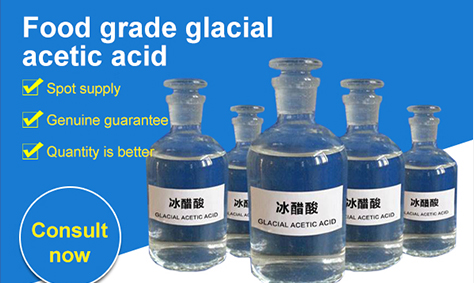
Diverse Application Scenarios and Technical Advantages
Glacial acetic acid for sale is a cornerstone chemical with an expansive range of applications across numerous industries due to its versatility as a solvent, reagent, and precursor. Its high purity makes it indispensable in sensitive processes where even trace impurities can compromise product integrity.
Target Industries and Key Applications:
- Chemical Synthesis: The largest application is in the production of vinyl acetate monomer (VAM), which is then polymerized to polyvinyl acetate (PVA) and used in adhesives, paints, and textile finishes. It is also a key component in manufacturing acetic anhydride, acetate esters (e.g., ethyl acetate, butyl acetate used as solvents), and terephthalic acid (PTA).
- Food and Beverage Industry: As a food additive (E260), food-grade glacial acetic acid serves as an acidity regulator, flavoring agent, and preservative. It is integral to the production of vinegar, pickles, sauces, and many processed foods. Its antimicrobial properties help extend shelf life.
- Pharmaceuticals: Used as a solvent for various drug preparations, in the synthesis of aspirin (acetylsalicylic acid), and as a reactant in the production of other pharmaceutical intermediates. Its high purity is paramount here.
- Textile Industry: Utilized in dyeing processes and the production of cellulose acetate fibers (e.g., rayon, acetate fabrics) which are known for their luxurious feel and draping qualities.
- Rubber and Plastics: Employed in the coagulation of rubber latex and in various polymer synthesis routes.
- Water Treatment: Used for pH adjustment in industrial water treatment processes and descaling applications.
Technical Advantages of High-Purity Glacial Acetic Acid:
- Reactivity and Selectivity: As a strong carboxylic acid, it offers predictable reactivity in esterification, acetylation, and neutralization reactions, enabling precise control over chemical syntheses. The anhydrous nature ensures reactions proceed without interference from water.
- Solvent Properties: Its excellent solvent properties allow it to dissolve a wide range of organic and inorganic compounds, making it suitable for various extraction, purification, and reaction media applications.
- Corrosion Resistance in Derivatives: While GAA is corrosive, its derivatives, like vinyl acetate, are often used to create protective coatings and corrosion-resistant materials, contributing indirectly to broader industrial longevity.
- Stability: High-purity anhydrous acetic acid is chemically stable under proper storage conditions, maintaining its chemical integrity over extended periods, which is vital for long-term industrial processes and product consistency.
Vendor Comparison and Customized Solutions
Choosing the right glacial acetic acid suppliers is a strategic decision influencing product quality, supply chain reliability, and ultimately, your operational costs and market competitiveness. A thorough vendor comparison goes beyond just the glacial acetic acid price.
Key Factors for Vendor Evaluation:
- Quality & Certifications: Ensure suppliers adhere to international standards (ISO 9001, ISO 14001, HACCP, FCC for food grade) and can provide Certificates of Analysis (CoA) for every batch.
- Supply Chain Reliability: Assess their production capacity, logistics network, and ability to handle fluctuating demand. Redundancy in sourcing or multiple production sites can indicate robustness.
- Technical Support & Expertise: Do they offer expert guidance on handling, storage, and application challenges? Technical support can be invaluable.
- Customization Capabilities: Can they provide specific packaging, purity levels, or delivery schedules tailored to your unique operational requirements?
- Safety & Environmental Compliance: Verify their commitment to safety protocols and environmental regulations throughout their manufacturing and logistics.
Product Comparison: Glacial Acetic Acid (Selected Grades)
| Parameter | Food Grade (E260) | Technical Grade | Reagent Grade |
|---|---|---|---|
| Purity (min.) | 99.8% | 99.5% | 99.9% |
| Water Content (max.) | 0.15% | 0.5% | 0.1% |
| Heavy Metals (max. as Pb) | 1 ppm | 10 ppm | 0.5 ppm |
| Non-volatile Residue (max.) | 0.005% | 0.01% | 0.001% |
| Intended Use | Food, Pharma | Industrial processes, intermediates | Laboratory, research |
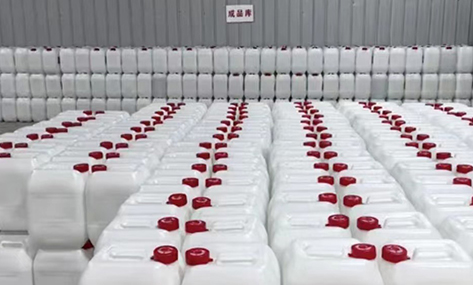
Leading glacial acetic acid suppliers often provide flexible, customized solutions. This can range from bulk deliveries via tank trucks or ISO tanks, to various drum sizes (e.g., 200L, 1000L IBCs), and even tailored purity levels for highly specialized applications. Custom packaging ensures safe and efficient integration into your existing supply chain, optimizing logistics and reducing potential for contamination or loss.
Application Case Studies and Customer Experience
Real-world application case studies demonstrate the tangible benefits of high-quality glacial acetic acid for sale and the reliability of experienced suppliers.
Case Study 1: Enhanced Food Preservation for a Global Food Producer
A major international food conglomerate required a consistent supply of food-grade anhydrous acetic acid for their expanding line of pickled vegetables and condiments. Their previous supplier experienced frequent batch-to-batch inconsistencies in purity and heavy metal content, leading to product recalls and significant financial losses. Switching to a certified supplier of food-grade glacial acetic acid, adhering to FCC and national food safety standards, resulted in:
- Zero Product Recalls: Consistent purity eliminated contamination risks.
- Extended Shelf Life: Optimized preservative action improved product longevity by 15%.
- Improved Flavor Profile: Absence of off-notes from impurities led to higher consumer satisfaction.
- Reduced Operational Costs: Reliable supply and consistent quality minimized batch rejections and rework.
Customer Feedback: "Our partnership with a top-tier supplier of glacial acetic acid has been transformative. The consistency and purity are unmatched, directly contributing to our product quality and brand reputation."
Case Study 2: Optimized VAM Production for a Petrochemical Giant
A large petrochemical company, a leading producer of vinyl acetate monomer (VAM), sought to improve their catalytic efficiency and reduce catalyst consumption. They identified that trace impurities in their raw anhydrous acetic acid feedstock were causing catalyst deactivation. By procuring ultra-high purity glacial acetic acid for sale from a specialized vendor with stringent quality controls and a commitment to low trace metal content:
- Catalyst Lifespan Extended: Catalyst cycle time increased by 20%, reducing replacement frequency and costs.
- Increased Reactor Throughput: Higher purity feedstock led to more stable and efficient reaction kinetics, boosting VAM output by 8%.
- Enhanced Product Quality: VAM produced exhibited fewer polymerization inhibitors, leading to superior polymer grades.
Service Case Details: The supplier worked closely with the client's technical team, providing detailed impurity analysis and recommending specific storage and handling procedures to maintain the integrity of the high-purity product from delivery to reaction vessel.
Trustworthiness: FAQ, Lead Time, Warranty, and Support
Frequently Asked Questions (FAQ)
Q1: What is the primary difference between glacial acetic acid and standard acetic acid?
A1: Glacial acetic acid is the anhydrous (water-free) form of acetic acid, typically 99.8% pure or higher. Its name comes from its appearance, as it freezes into ice-like crystals at temperatures below 16.7°C. Standard acetic acid solutions contain significant amounts of water and have lower concentrations.
Q2: What are the typical packaging options for glacial acetic acid for sale?
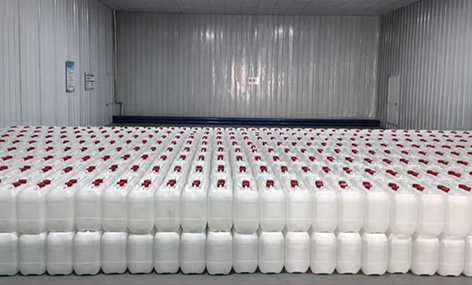
A2: We offer various packaging solutions to meet diverse client needs, including 30kg HDPE drums, 200kg HDPE drums, 1000kg IBC tanks, and bulk deliveries in ISO tanks or tank trucks. Custom packaging arrangements can also be discussed.
Q3: How should anhydrous acetic acid be stored safely?
A3: Glacial acetic acid should be stored in a cool, dry, well-ventilated area, away from direct sunlight and heat sources. Containers should be tightly sealed and made of corrosion-resistant materials (e.g., stainless steel 316L, certain polyethylenes). Avoid contact with strong oxidizers, alkalis, and strong acids. Always refer to the Material Safety Data Sheet (MSDS) for comprehensive storage guidelines.
Q4: What certifications do you hold for your food-grade glacial acetic acid?
A4: Our food-grade product adheres to international standards such as ISO 9001 (Quality Management System), ISO 14001 (Environmental Management System), HACCP principles, and meets the specifications of the Food Chemicals Codex (FCC). We also comply with relevant national food additive regulations, such as FDA guidelines for food contact substances where applicable.
Lead Time and Fulfillment
Our standard lead time for glacial acetic acid for sale is typically 2-4 weeks from order confirmation, depending on volume and destination. For urgent requirements or large-scale projects, we offer expedited shipping options and can leverage our extensive logistics network to ensure timely delivery. We maintain strategic inventories to respond quickly to unforeseen demand fluctuations, minimizing disruption to your operations.
Warranty Commitments
We stand behind the quality of our food-grade anhydrous acetic acid with a comprehensive product warranty. Our products are guaranteed to meet or exceed the specified purity and technical parameters outlined in our Certificates of Analysis (CoA) for a period of 12 months from the date of shipment, provided proper storage and handling conditions are maintained. Any claims related to non-conformance will be promptly investigated and addressed in accordance with our quality assurance policy.
Customer Support and Technical Assistance
Our commitment extends beyond product delivery. We provide dedicated 24/7 customer support and technical assistance to address any queries or challenges you may encounter. Our team of experienced chemical engineers and product specialists is available for:
- Application guidance and optimization.
- Safety data and handling recommendations.
- Troubleshooting and quality issue resolution.
- Regulatory compliance information.
We pride ourselves on building lasting partnerships through reliable products and exceptional service, ensuring you get the most value from your glacial acetic acid price investment.
Conclusion
The procurement of high-quality glacial acetic acid for sale is a critical decision for industries ranging from food and pharmaceuticals to petrochemicals and textiles. Understanding the intricate manufacturing processes, adhering to stringent technical specifications, and selecting a reliable supplier capable of providing customized solutions are paramount for operational efficiency and product integrity. As market dynamics continue to evolve, driven by sustainability concerns and increasing demand for specialized grades, a strategic approach to sourcing anhydrous acetic acid will ensure long-term success and competitive advantage. Our commitment to quality, comprehensive support, and adherence to global standards makes us a trusted partner in your supply chain.
References
- Jones, J. H. (2000). The Cativa Process for the Manufacture of Acetic Acid. Platinum Metals Review, 44(2), 94-102.
- Food and Agriculture Organization of the United Nations (FAO) & World Health Organization (WHO). (2006). Food Additives Series 54: Acetic Acid. Joint FAO/WHO Expert Committee on Food Additives.
- National Fire Protection Association (NFPA). (2021). NFPA 704: Standard System for the Identification of the Hazards of Materials for Emergency Response.
- International Organization for Standardization (ISO). (2023). ISO 9001: Quality management systems – Requirements.
-
Industrial Applications and Properties of 75 acetic acid Solution
NewsApr.16,2026
-
Properties and Industrial Applications of 64 19 7 acetic acid
NewsApr.09,2026
-
Comprehensive Guide to 56 Acetic Acid Applications and Reliable Sourcing
NewsApr.07,2026
-
Comprehensive Guide to 5 Glacial Acetic Acid for International Trade and Industrial Applications
NewsApr.04,2026
-
Exploring 100 Acetic Acid Properties Applications and Reliable Sourcing
NewsMar.31,2026
-
Comprehensive Guide to 10 Glacial Acetic Acid Properties and Applications
NewsMar.28,2026
 English
  Belarusian
  Dutch
Dutch  French
  German
  Hindi
Hindi  Indonesian
  Japanese
  Korean
  Lao
Lao  Malay
Malay  Mongolian
  Myanmar
  Polish
  Portuguese
  Russian
  Spanish
  Tagalog
  Thai
Thai  Vietnamese