
Dec . 01, 2025 23:00 Back to list
Glacial Vinegar: Industrial Uses, Benefits, and Future Trends Explained
Understanding Glacial Vinegar: What It Means and Why It Matters
Glacial vinegar — sounds like some icy concoction, right? But in reality, it’s a concentrated form of acetic acid, with thousands of practical uses that ripple through industries worldwide. Whether you’re into food science, manufacturing, or even environmental applications, glacial vinegar has quietly become a vital component. Understanding it better isn’t just academic; it could impact everything from sustainable production to global supply chains.
Why should you care? Frankly, because it’s a staple raw material with a surprisingly broad footprint. From cleaning products to pharmaceuticals, food preservation to chemical synthesis—even acting as a potential eco-friendly alternative in some processes—its global demand reflects that versatility. Here’s to breaking down the basics and exploring why glacial vinegar matters on a planetary scale.
The Growing Global Relevance of Glacial Vinegar
As strange as it seems, demand for glacial vinegar is intricately tied to economic growth and sustainable industrial practices worldwide. The United Nations’ reports on chemical industry growth and ISO standards regarding chemical safety clearly show a steady rise in acetic acid usage, a major component of glacial vinegar. By 2023, the global acetic acid market was valued at over USD 6 billion, with predictions pointing to steady growth in Asia Pacific and North America especially.
Somewhat overlooked in everyday conversations, glacial vinegar addresses crucial challenges too. For instance, with environmental regulations tightening, the chemical industry needs concentrated acids that are effective yet manageable in waste products. Glacial vinegar fits the bill as a concentrated yet biodegradable acid—less harmful when handled properly. On top of that, its high purity levels make it indispensable in food-grade applications, ensuring global food safety standards.
What Exactly Is Glacial Vinegar?
Don’t let the “glacial” bit confuse you. Glacial vinegar is essentially pure acetic acid (about 99-100%), meaning it’s free of water impurities and looks almost like ice crystals, hence the name. You won’t find this in your kitchen cupboard vinegar—regular vinegar is diluted acetic acid (usually ~5% concentration).
In simple terms: glacial vinegar is a chemical precursor often used in making polymers, solvents, and important pharmaceuticals. It acts as both a building block and an industrial-grade cleaning agent. Since it’s so concentrated, it requires careful handling—but its potency is what makes it invaluable.
Interestingly, industries favor glacial vinegar for its dual nature: it’s a naturally occurring compound that’s easy to manufacture via bacterial fermentation or petrochemical routes, yet it remains biodegradable, dovetailing neatly with modern sustainability goals.
Key Characteristics of Glacial Vinegar
1. High Purity & Concentration
The standout attribute of glacial vinegar is its purity — generally >99% acetic acid concentration. This high potency means less volume is needed to achieve industrial results, cutting transportation and storage costs.
2. Versatile Industrial Utility
From synthesizing vinyl acetate monomer (for adhesives and paints) to serving as a food preservative or cleaning solvent, glacial vinegar’s flexibility can’t be overstated. It’s a prime example of a multifunctional chemical.
3. Biodegradability & Environmental Friendliness
Unlike many acids produced synthetically, acetic acid (and by extension glacial vinegar) breaks down naturally, minimizing environmental impact when handled correctly. That’s a huge plus in today’s green manufacturing landscape.
4. Handling & Safety Requirements
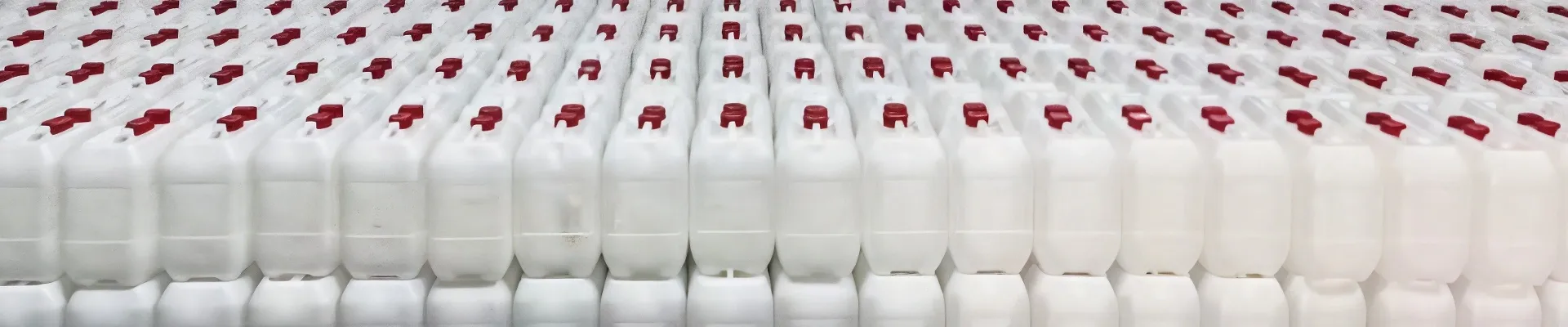
Because it’s highly acidic and corrosive, glacial vinegar requires special containers (often HDPE drums or stainless steel tanks) and protective gear for transport and handling. Training and compliance with ISO safety standards are critical.
5. Cost-Effectiveness
Though higher grade than household vinegar, glacial vinegar remains an economical choice compared to other industrial acids (like sulfuric acid). Its cost per utility unit remains competitive, especially in food and pharmaceutical sectors.
Typical Glacial Vinegar Product Specifications
| Specification | Parameter | Value |
|---|---|---|
| Acetic Acid Concentration | % w/w | ≥ 99.5% |
| Color (APHA Unit) | Max | 20 |
| Water Content | % w/w Max | 1.0% |
| Density at 20°C | g/cm³ | 1.05 |
| Boiling Point | °C | 118 |
Global Applications & Use Cases of Glacial Vinegar
Glacial vinegar touches many industries at macro and micro levels:
- Food Industry: Used as a preservative, acidity regulator, and flavoring agent. Producers in Europe and North America rely heavily on food-grade glacial vinegar for consistent quality.
- Pharmaceuticals: For synthesis of aspirin, salicylic acid, and other products, precision-grade acetic acid is indispensable.
- Textile and Dyeing: Controls pH in dye baths, enabling even coloring and fabric strength.
- Cleaning Products: Industrial cleaning solutions often use glacial vinegar for its powerful acid content but natural biodegradability.
- Environmental Use Cases: In wastewater treatment plants, it aids in controlling alkaline conditions.
- Emerging Regions: In rapidly industrializing countries in Asia and Africa, glacial vinegar impacts local manufacturing, reducing reliance on harsher chemicals.
For example, I noticed a mid-sized chemical plant in Thailand openly credit glacial vinegar use for reducing their waste by 15%, thus improving their compliance with stricter environmental laws.
Advantages and Long-Term Value of Glacial Vinegar
There is always more than price when it comes to industrial chemicals, but glacial vinegar quite handily ticks many boxes:
- Cost Efficiency: High purity lowers overall consumption, saving money on bulk purchases and transport.
- Eco-Friendliness: It’s biodegradable, making chemical residues less problematic than synthetic alternatives.
- Reliability: Consistent manufacturing standards ensure dependable results, a critical trait when producing food and medicine.
- Safety: While hazardous, standardized safety procedures and proper training allow for secure handling.
- Innovation Enabler: Its role in plastics, pharmaceuticals and green chemistry unlocks new product development pathways.
On an emotional note, many companies value that using glacial vinegar means choosing a “cleaner” chemical with less harsh environmental legacy. It feels trustworthy—almost like a nod towards responsibility, even in industrial processes.
Comparing Top Vendors for Glacial Vinegar Supply
| Vendor | Purity (%) | Shipping Options | Eco Certifications | Price per Ton (Approx.) |
|---|---|---|---|---|
| Acme Chemicals | 99.8% | Drums & Bulk Tankers | ISO 14001 | $1,100 |
| Global Acids Ltd. | 99.5% | Bulk Tankers Only | None | $1,020 |
| Eco Vinegars Inc. | 99.7% | Drums, Bulk, ISO Tanks | ISO 14001, REACH | $1,150 |
Looking Ahead: Future Trends and Innovations in Glacial Vinegar Use
You might imagine that a chemical as “old” as acetic acid would be static, but that’s far from true. Innovations keep pushing the boundaries on production efficiency—biotechnology, for instance, is streamlining bacterial fermentation methods to reduce energy consumption. This move to greener, low-carbon manufacturing dovetails with global carbon reduction goals.
Robotics and smart sensors are starting to fracture the old industrial mold, allowing precise batch monitoring and safer handling. On the product side, innovations include developing polymer blends with glacial vinegar derivatives, paving way for bio-based plastics. Imagine replacing petrochemical ingredients with these greener alternatives—it’s happening, slowly but surely.
Challenges Facing Glacial Vinegar: And How To Solve Them
Handling glacial vinegar isn't all smooth sailing. Its corrosive nature means accidents can be costly, especially in transportation. Not to mention, improper storage can degrade quality. Also, fluctuations in raw material costs can influence market pricing unexpectedly.
However, best practices have emerged: reinforced container materials, real-time monitoring, and staff training programs reduce risks markedly. From an innovation point, companies experimenting with encapsulation or blending techniques aim to improve safety without compromising potency. The solution here leans heavily on balancing industrial strength with occupational safety—nothing too radical, but meaningful.
Frequently Asked Questions About Glacial Vinegar
- Q: How is glacial vinegar different from regular household vinegar?
- A: Household vinegar typically contains about 5% acetic acid diluted with water, whereas glacial vinegar has around 99.5–100% pure acetic acid. It’s far more concentrated and used mainly in industrial applications, not direct food consumption.
- Q: Is glacial vinegar safe to handle?
- A: When handled with proper protective gear and procedures, it’s safe. However, it’s highly corrosive and must be stored in compatible containers, with trained personnel managing its transport and use.
- Q: Can glacial vinegar be used in organic food production?
- A: Yes, certified food-grade glacial vinegar is often used as an acidity regulator or preservative in organic food manufacturing, ensuring natural and safe products.
- Q: How is glacial vinegar produced?
- A: It is mainly produced either through bacterial fermentation of ethanol or through petrochemical methods. The fermentation route is preferable for "natural" labeled products.
- Q: Where can I purchase glacial vinegar?
- A: Industrial chemical suppliers, some pharmaceutical manufacturers, and specialized distributors offer glacial vinegar. Checking for certifications like ISO and REACH is advised for quality assurance.
In Conclusion: Why Glacial Vinegar Deserves Your Attention Today
Glacial vinegar packs punches beyond its crystalline appearance—combining high purity, sustainability, and industrial versatility into one neat package. For industries aiming to innovate while maintaining eco-friendly production, glacial vinegar offers a compelling choice. Whether improving food safety or advancing green chemistry, its role is quietly vital.
Curious? Want to see how your business could benefit from this powerhouse chemical? Visit our website: https://www.ysxlglacialaceticacid.com and explore our range of glacial vinegar products and solutions.
References
-
Industrial Applications and Properties of 75 acetic acid Solution
NewsApr.16,2026
-
Properties and Industrial Applications of 64 19 7 acetic acid
NewsApr.09,2026
-
Comprehensive Guide to 56 Acetic Acid Applications and Reliable Sourcing
NewsApr.07,2026
-
Comprehensive Guide to 5 Glacial Acetic Acid for International Trade and Industrial Applications
NewsApr.04,2026
-
Exploring 100 Acetic Acid Properties Applications and Reliable Sourcing
NewsMar.31,2026
-
Comprehensive Guide to 10 Glacial Acetic Acid Properties and Applications
NewsMar.28,2026
 English
  Belarusian
  Dutch
Dutch  French
  German
  Hindi
Hindi  Indonesian
  Japanese
  Korean
  Lao
Lao  Malay
Malay  Mongolian
  Myanmar
  Polish
  Portuguese
  Russian
  Spanish
  Tagalog
  Thai
Thai  Vietnamese