
Mar . 09, 2026 02:05 Back to list
Understanding Glacial Acetic Acid Meaning And Its Industrial Significance
Glacial Acetic Acid Meaning: A Comprehensive Guide
Glacial acetic acid is a critical chemical compound widely used across numerous industries. Understanding its properties, applications, and safety considerations is paramount. This article delves into the meaning of glacial acetic acid, its production, uses, and essential handling practices. We’ll explore its significance in various sectors, from pharmaceuticals to food processing, and provide valuable insights for professionals and those seeking to learn more about this versatile chemical. Proper knowledge of glacial acetic acid is crucial for its safe and effective application.
What Exactly is Glacial Acetic Acid?
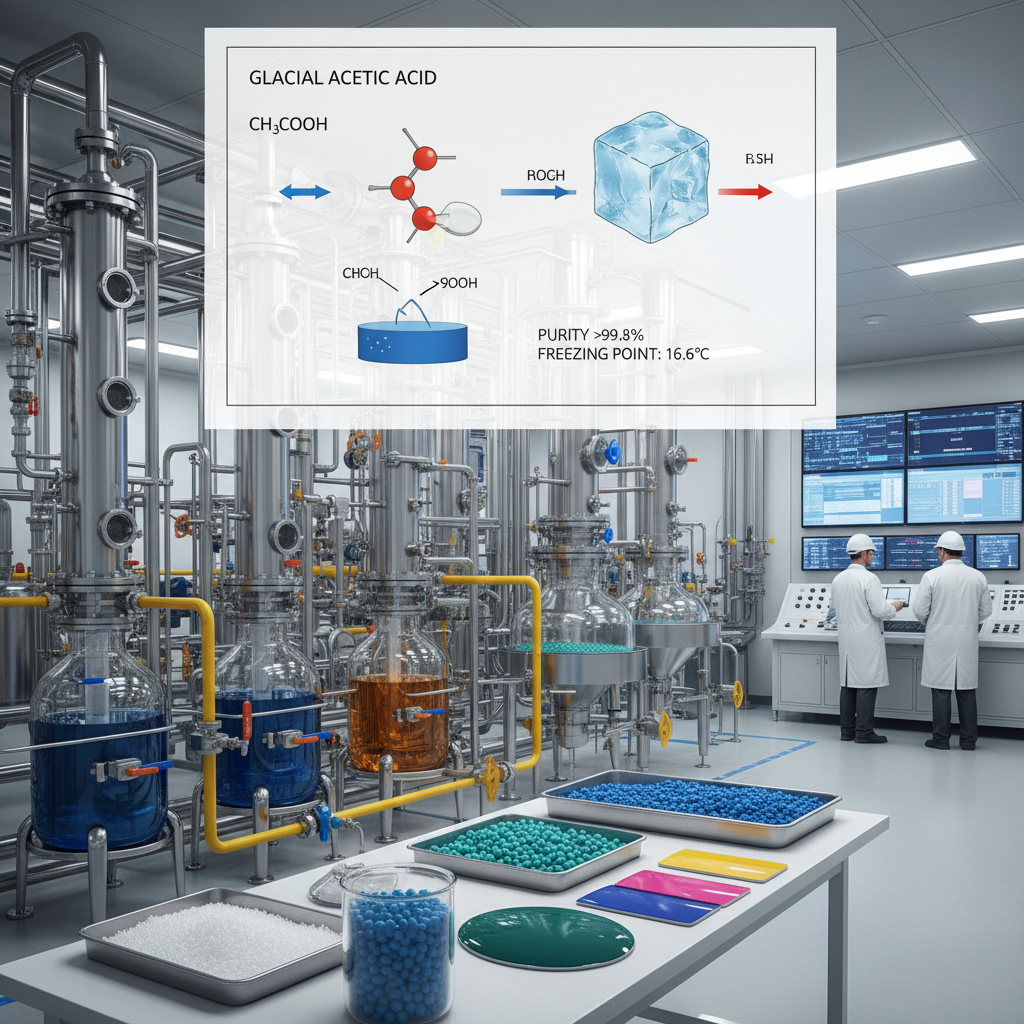
The term "glacial" doesn’t imply that the acid is frozen or sourced from glaciers. Instead, it refers to its high concentration. Glacial acetic acid is essentially concentrated acetic acid – specifically, an aqueous solution of acetic acid containing 99% or more acetic acid by weight. The name originates from its historical method of purification, where freezing and thawing were used to concentrate the acid, leaving behind the impurities as ice. It is a clear, colorless liquid with a pungent, vinegar-like odor. YSXL Glacial Acetic Acid provides a consistently high-quality product meeting stringent industrial standards.
Key Characteristics: High purity (99%+ acetic acid), clear and colorless appearance, pungent odor, highly corrosive, and miscible with water.
Glacial Acetic Acid vs. Vinegar: Understanding the Differences
While vinegar and glacial acetic acid share a common component – acetic acid – they are vastly different in concentration and application. Vinegar typically contains only 4-8% acetic acid, diluted with water and often including flavoring agents. Glacial acetic acid, as mentioned, boasts over 99% concentration, making it a potent and corrosive chemical. This difference in concentration dictates their distinct uses. Vinegar is suitable for culinary purposes and household cleaning, while glacial acetic acid is reserved for industrial applications requiring a highly concentrated form of acetic acid.
Key Differences:
• Acetic Acid Concentration: Glacial (99%+) vs. Vinegar (4-8%)
• Application: Industrial vs. Culinary/Household
• Corrosivity: Highly Corrosive vs. Mildly Acidic
• Purity: High Purity vs. Contains Water and Flavorings
Industrial Applications of Glacial Acetic Acid
Glacial acetic acid serves as a vital component in a multitude of industrial processes. It’s a key ingredient in the production of vinyl acetate monomer (VAM), used to create polymers found in adhesives, paints, and coatings. In the pharmaceutical industry, it is used as a solvent and reagent in the synthesis of various drugs. The textile industry utilizes it for dyeing and finishing fabrics. It also plays a role in the production of cellulose acetate, a component in cigarette filters and photographic film. Furthermore, it is employed in the production of plasticizers and as a laboratory reagent. YSXL caters to these diverse industrial needs with consistent product quality.
Safety Considerations When Handling Glacial Acetic Acid
Due to its high concentration, glacial acetic acid is a corrosive substance and requires careful handling. Always wear appropriate personal protective equipment (PPE), including safety goggles, gloves, and a lab coat, to prevent skin and eye contact. Work in a well-ventilated area to avoid inhaling vapors. In case of contact, immediately flush the affected area with copious amounts of water and seek medical attention. Store glacial acetic acid in a tightly closed container in a cool, dry, and well-ventilated area, away from incompatible materials like strong bases and oxidizing agents. Refer to the Safety Data Sheet (SDS) for complete safety information. YSXL prioritizes safety and provides detailed SDS information with all its products.
Product Specifications of YSXL Glacial Acetic Acid
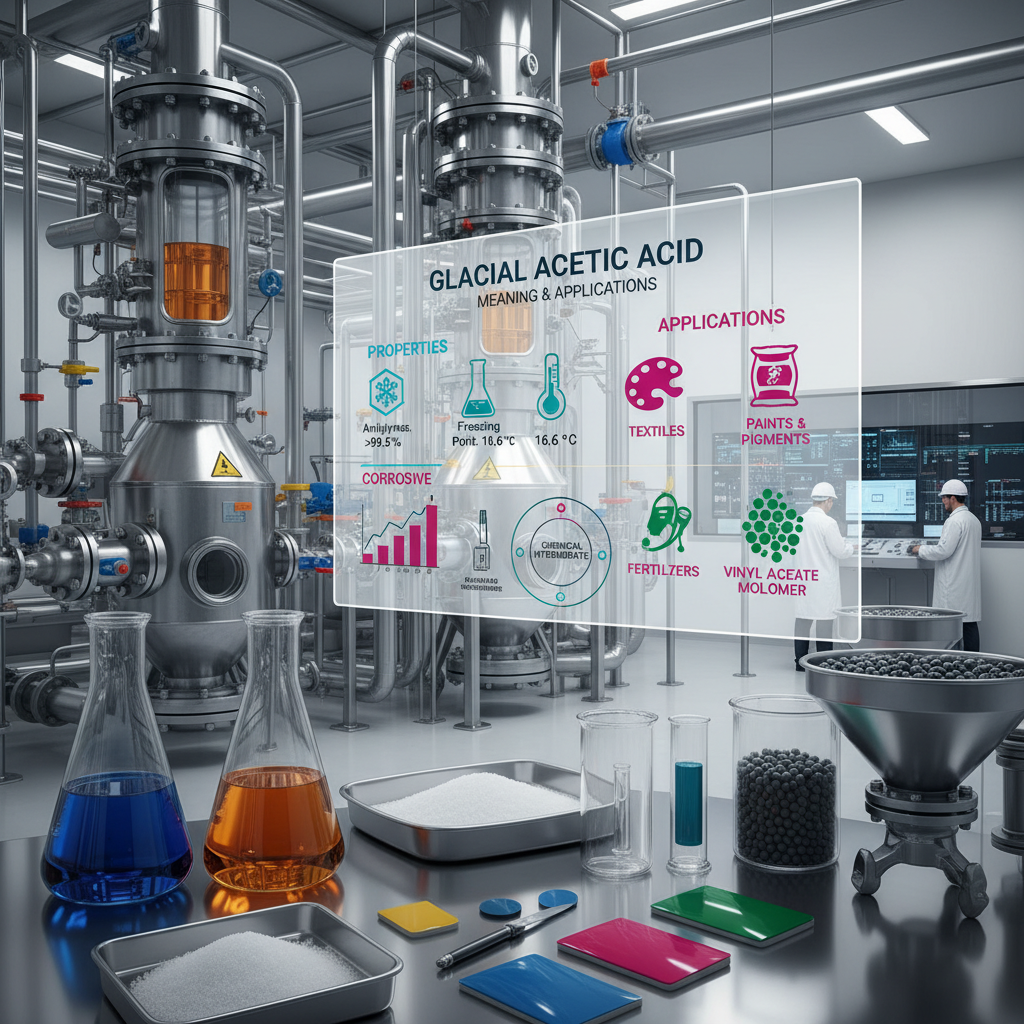
YSXL provides glacial acetic acid adhering to the highest industry standards. Our product boasts consistent purity and reliability, essential for critical applications. Here’s a detailed overview of our specifications:
Conclusion: The Versatile Power of Glacial Acetic Acid
Glacial acetic acid remains an indispensable chemical in numerous industries, driving innovation and efficiency. Understanding its properties, applications, and safe handling procedures is crucial for professionals and researchers alike. YSXL is dedicated to providing high-quality glacial acetic acid that meets the stringent demands of modern industrial processes. Prioritize safety, choose a reliable supplier, and unlock the potential of this versatile compound.
Frequently Asked Questions (FAQs)
What are the primary uses of glacial acetic acid?
Glacial acetic acid is a vital component in the production of various industrial products, including vinyl acetate monomer (VAM) for polymers, pharmaceuticals as a solvent, textiles for dyeing, and cellulose acetate for cigarette filters and photographic film. It is also used in the food industry as a preservative, although its usage is highly regulated due to its potency. The versatility of this chemical stems from its high concentration and reactivity, making it an essential ingredient in many manufacturing processes. Choosing a trusted supplier like YSXL ensures you receive a consistent, high-quality product for your specific applications.
How should glacial acetic acid be stored safely?
Glacial acetic acid should be stored in a cool, dry, and well-ventilated area, away from direct sunlight and heat sources. It must be kept in tightly closed, corrosion-resistant containers to prevent leaks and spills. Incompatible materials, such as strong bases, oxidizing agents, and metals, should be kept separate. It is crucial to ensure proper labeling and adhere to all local and national regulations regarding the storage of hazardous chemicals. Always refer to the SDS for detailed storage guidelines and emergency procedures.
What should I do in case of a glacial acetic acid spill?
In the event of a glacial acetic acid spill, immediate action is critical. First, ensure your personal safety by wearing appropriate PPE, including gloves and eye protection. Contain the spill with absorbent materials such as sand or vermiculite. Neutralize the acid with a suitable alkaline substance like sodium bicarbonate. Avoid flushing the spill down drains, as it can cause corrosion and environmental damage. Follow local regulations for proper disposal of the contaminated materials. Consult the SDS for detailed spill response procedures. For large spills, evacuate the area and contact emergency personnel.
What is the shelf life of glacial acetic acid?
While glacial acetic acid doesn’t have a strict “expiration date,” its quality can degrade over time, especially if not stored properly. Generally, it’s recommended to use it within two years of the manufacturing date, provided it’s stored in a tightly sealed container in a cool, dry, and well-ventilated area. Signs of degradation include discoloration or the formation of precipitates. Regularly inspect the product for any changes in appearance and consult the SDS for specific guidance on shelf life and quality control.
-
Industrial Applications and Properties of 75 acetic acid Solution
NewsApr.16,2026
-
Properties and Industrial Applications of 64 19 7 acetic acid
NewsApr.09,2026
-
Comprehensive Guide to 56 Acetic Acid Applications and Reliable Sourcing
NewsApr.07,2026
-
Comprehensive Guide to 5 Glacial Acetic Acid for International Trade and Industrial Applications
NewsApr.04,2026
-
Exploring 100 Acetic Acid Properties Applications and Reliable Sourcing
NewsMar.31,2026
-
Comprehensive Guide to 10 Glacial Acetic Acid Properties and Applications
NewsMar.28,2026
 English
  Belarusian
  Dutch
Dutch  French
  German
  Hindi
Hindi  Indonesian
  Japanese
  Korean
  Lao
Lao  Malay
Malay  Mongolian
  Myanmar
  Polish
  Portuguese
  Russian
  Spanish
  Tagalog
  Thai
Thai  Vietnamese