
Mar . 11, 2026 02:05 Back to list
Comprehensive Guide to Acetic Acid Glacial Properties and Industrial Applications
Acetic Acid Glacial: A Comprehensive Guide
Acetic Acid Glacial (CH₃COOH) is a colorless liquid with a pungent odor, widely used in various industrial applications. Its high concentration (typically 99% or higher) distinguishes it from diluted acetic acid solutions like vinegar. This guide provides an in-depth overview of its properties, uses, safety considerations, and sourcing options. Understanding glacial acetic acid is vital for professionals in chemistry, pharmaceuticals, food processing, and many other sectors. Selecting a reliable supplier like YSXL Glacial Acetic Acid ensures quality and consistency.
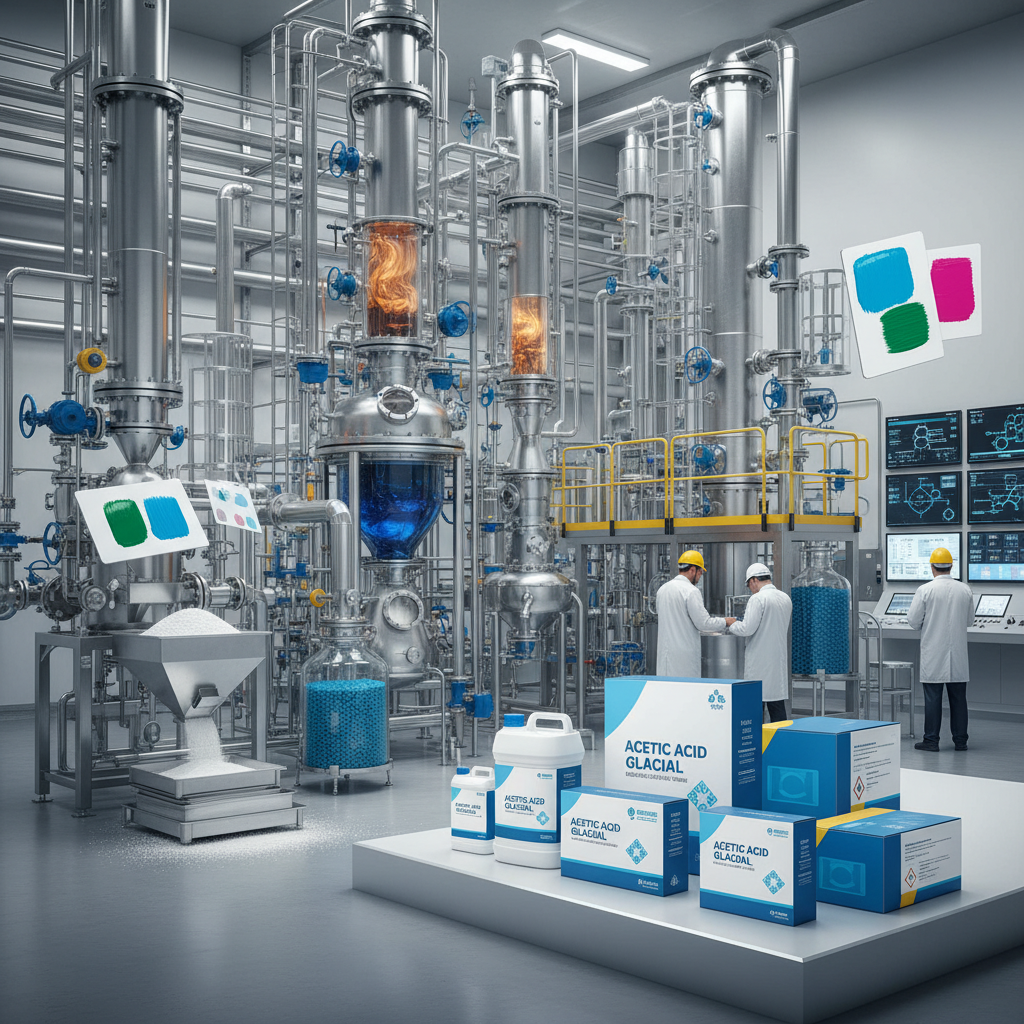
Understanding Acetic Acid Glacial: Properties and Characteristics
Acetic Acid Glacial is a highly corrosive liquid, meaning it can cause severe burns upon contact. Its chemical formula, CH₃COOH, indicates a simple organic acid. The term "glacial" originates from its historical purification method involving slow cooling, allowing ice to form and separate the acetic acid. Key properties include a high boiling point (118°C / 244°F), miscibility with water, alcohol, and other organic solvents, and a distinct vinegar-like odor. Its acidity stems from the carboxyl group (-COOH) and makes it a powerful reagent in various chemical reactions. It's crucial to handle Acetic Acid Glacial with appropriate personal protective equipment (PPE) and in well-ventilated areas.
Key Highlights: Highly corrosive liquid with a pungent odor. Miscible with water, alcohol, and organic solvents. High boiling point and significant acidity.
Applications of Acetic Acid Glacial Across Industries
The versatile nature of Acetic Acid Glacial leads to a broad spectrum of applications. It serves as a crucial intermediate in the production of vinyl acetate monomer (VAM), a key component in paints, adhesives, and textiles. In the food industry, it’s used as a preservative, flavoring agent, and pH regulator. The pharmaceutical sector utilizes it in the synthesis of various drugs and as a solvent. It’s also employed in the production of cellulose acetate, a material used in photographic film and cigarette filters. Additionally, it finds use in analytical chemistry as a reagent and solvent, and in the textile industry for dyeing and finishing.
Key Applications:
• Vinyl Acetate Monomer (VAM) Production
• Food Preservation & Flavoring
• Pharmaceutical Synthesis
• Cellulose Acetate Production
Acetic Acid Glacial vs. Diluted Acetic Acid: A Comparative Analysis
The primary distinction between Acetic Acid Glacial and diluted acetic acid lies in their concentration. Diluted acetic acid, such as vinegar, typically contains 5-8% acetic acid, while glacial acetic acid boasts a concentration of 99% or higher. This higher concentration significantly enhances its reactivity and makes it suitable for demanding industrial applications. However, it also increases its corrosivity and necessitates stringent safety precautions. Diluted acetic acid is generally used for food purposes and household cleaning, whereas glacial acetic acid finds its niche in chemical synthesis and industrial processes.
Safety Considerations and Handling Procedures
Handling Acetic Acid Glacial demands strict adherence to safety protocols. Always wear appropriate personal protective equipment (PPE), including chemical-resistant gloves, safety goggles, and a lab coat or apron. Work in a well-ventilated area or use a fume hood to avoid inhaling vapors. In case of skin contact, immediately flush the affected area with copious amounts of water for at least 15 minutes. If ingested, do not induce vomiting and seek immediate medical attention. Store in a tightly sealed container, away from incompatible materials like strong oxidizers and bases. Refer to the Safety Data Sheet (SDS) for detailed information and emergency procedures.
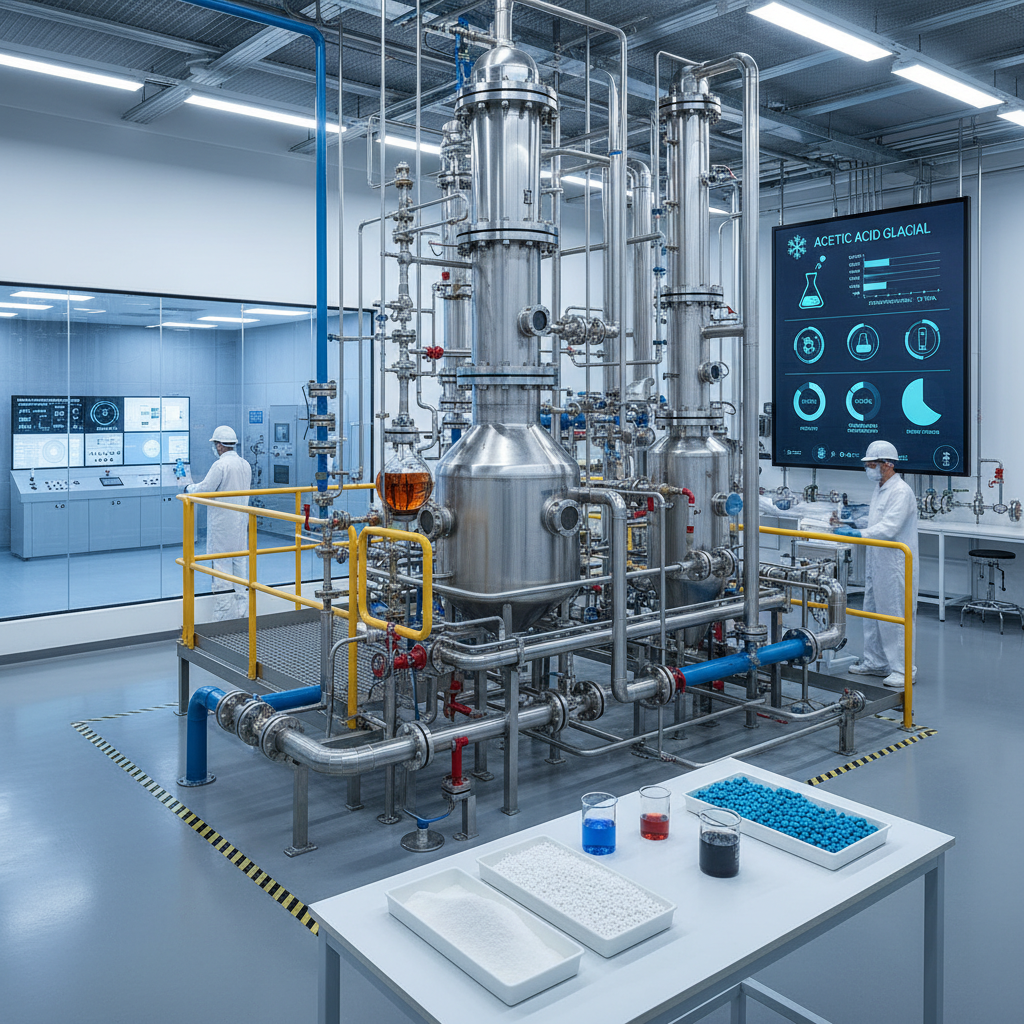
Sourcing Quality Acetic Acid Glacial: Why Choose YSXL?
Choosing a reliable supplier of Acetic Acid Glacial is paramount to ensure product quality and consistency. YSXL Glacial Acetic Acid is a leading manufacturer and exporter, committed to providing high-purity products that meet stringent industry standards. We offer competitive pricing, efficient logistics, and dedicated customer support. Our products undergo rigorous quality control testing, guaranteeing optimal performance and safety. Partnering with a trusted supplier like YSXL ensures a secure and reliable supply of Acetic Acid Glacial for your specific needs.
Conclusion: Your Partner for Reliable Acetic Acid Supply
YSXL Glacial Acetic Acid provides high-quality glacial acetic acid for diverse industrial applications. With a commitment to quality, competitive pricing, and reliable service, we are your trusted partner for all your acetic acid needs.
Frequently Asked Questions (FAQs)
What are the primary hazards associated with Acetic Acid Glacial?
Acetic Acid Glacial is highly corrosive and can cause severe burns upon contact with skin, eyes, and mucous membranes. Inhalation of its vapors can irritate the respiratory system. It’s also a flammable liquid and can pose a fire hazard. Proper handling, including the use of appropriate PPE and ventilation, is crucial. Always consult the SDS for comprehensive safety information. Prompt medical attention is essential in case of any exposure incident. Storage should be in a secure, well-ventilated area, away from incompatible substances.
What materials are compatible with Acetic Acid Glacial for storage and handling?
Acetic Acid Glacial is compatible with materials like stainless steel, glass, and certain plastics like PTFE (Teflon). Avoid using materials like carbon steel, aluminum, and many other plastics, as they can be corroded by the acid. Containers and equipment used for handling should be specifically designed for corrosive materials and regularly inspected for any signs of degradation. Always refer to the SDS for a complete list of compatible and incompatible materials. Proper material selection is critical for preventing leaks and ensuring safe handling.
How should Acetic Acid Glacial be disposed of?
Disposal of Acetic Acid Glacial must be done in accordance with local, state, and federal regulations. It should not be poured down the drain. Neutralization with a base (like sodium bicarbonate) may be required before disposal, but this should only be done by trained personnel. Contact a licensed hazardous waste disposal company to ensure proper and compliant handling of the waste material. Improper disposal can pose environmental hazards and legal consequences.
What industries commonly utilize Acetic Acid Glacial?
Numerous industries rely on Acetic Acid Glacial. Key sectors include: chemical manufacturing (VAM production), pharmaceuticals (drug synthesis), food processing (preservatives, flavoring), textiles (dyeing, finishing), plastics (cellulose acetate production), and analytical chemistry (reagent). Its versatility makes it an essential component in a wide range of industrial processes. The demand for high-purity glacial acetic acid continues to grow with advancements in these industries.
-
Industrial Applications and Properties of 75 acetic acid Solution
NewsApr.16,2026
-
Properties and Industrial Applications of 64 19 7 acetic acid
NewsApr.09,2026
-
Comprehensive Guide to 56 Acetic Acid Applications and Reliable Sourcing
NewsApr.07,2026
-
Comprehensive Guide to 5 Glacial Acetic Acid for International Trade and Industrial Applications
NewsApr.04,2026
-
Exploring 100 Acetic Acid Properties Applications and Reliable Sourcing
NewsMar.31,2026
-
Comprehensive Guide to 10 Glacial Acetic Acid Properties and Applications
NewsMar.28,2026
 English
  Belarusian
  Dutch
Dutch  French
  German
  Hindi
Hindi  Indonesian
  Japanese
  Korean
  Lao
Lao  Malay
Malay  Mongolian
  Myanmar
  Polish
  Portuguese
  Russian
  Spanish
  Tagalog
  Thai
Thai  Vietnamese