100 acetic acid, also known as glacial acetic acid due to its appearance at lower temperatures, is a cornerstone chemical in numerous industrial processes and applications. Its versatility stems from its acidic properties and its ability to act as a solvent. Globally, the demand for 100 acetic acid is consistently high, driven by the growing need for its derivatives in sectors like textiles, plastics, pharmaceuticals, and food processing. Understanding its production, properties, and applications is crucial for professionals across diverse industries.
The global acetic acid market is projected to reach significant growth in the coming years, fuelled by the expanding economies of Asia-Pacific, particularly China and India. According to recent industry reports, the demand for vinyl acetate monomer (VAM), a major derivative of acetic acid, is experiencing a surge due to its extensive use in adhesives, coatings, and packaging. This growing demand puts a spotlight on the efficient and sustainable production of 100 acetic acid.
Challenges related to the environmental impact of traditional acetic acid production methods are driving innovation in greener alternatives. 100 acetic acid is increasingly vital in sustainable chemical manufacturing, with ongoing research focused on bio-based production routes and waste minimization techniques. This focus is not only environmentally responsible but also economically advantageous, ensuring a long-term supply of this essential chemical.
Introduction to 100 acetic acid
100 acetic acid is a colorless liquid organic acid with a characteristically pungent odor. It’s a fundamental building block in the chemical industry, serving as a precursor to a wide range of compounds. Its high purity – indicated by the ‘100’ designation – is crucial for many applications where even trace impurities can affect performance.
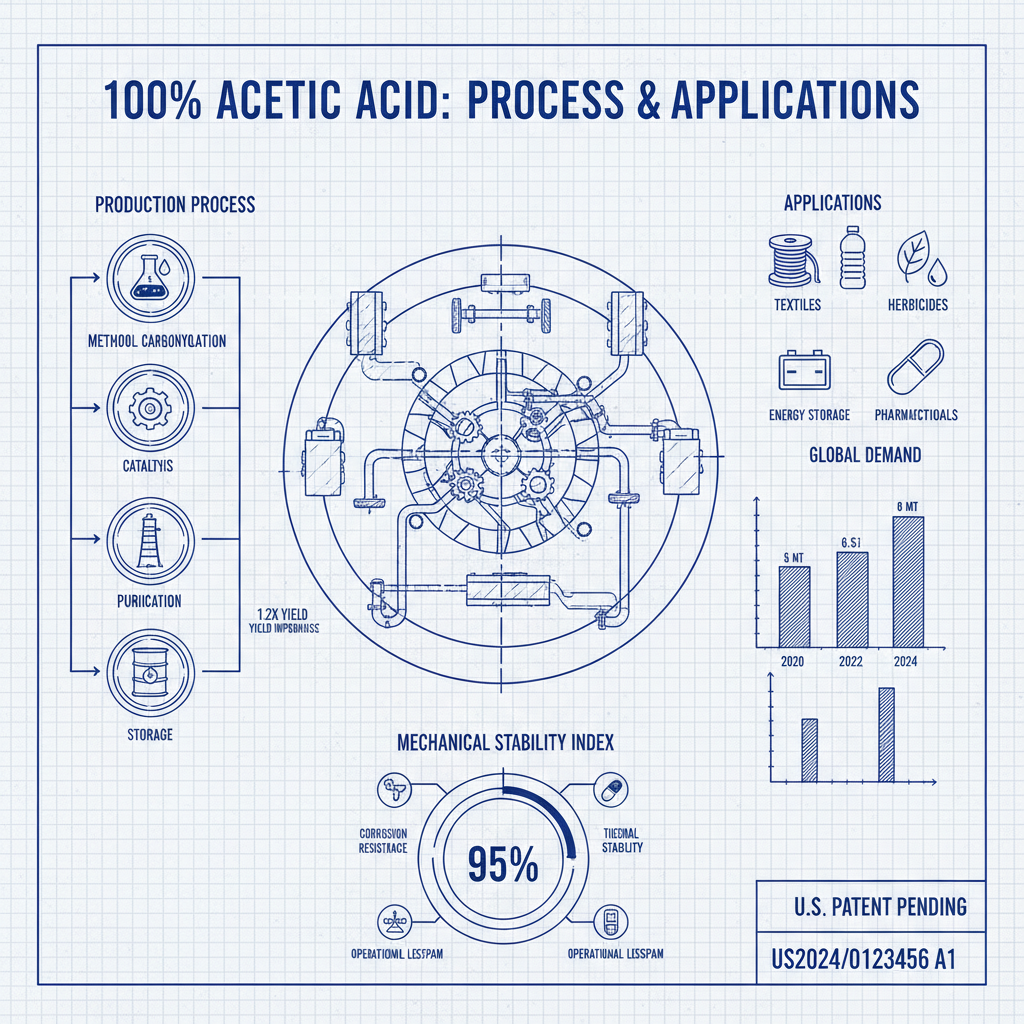
The production of 100 acetic acid is a significant global industry, employing various methods including methanol carbonylation and the oxidation of acetaldehyde. Demand for this crucial chemical continues to rise, presenting both opportunities and challenges for manufacturers and users alike. Its importance extends beyond industrial applications, influencing everyday products and processes.
Global Relevance and Market Overview
The global acetic acid market is inextricably linked to the health of several key industries, including textiles, plastics, and pharmaceuticals. The Asia-Pacific region dominates both production and consumption, driven by rapid industrialization and a growing population. China, in particular, is a major player, accounting for a significant portion of global production capacity.
Recent market analysis indicates a continued upward trend in demand, with projections suggesting consistent growth over the next decade. Factors contributing to this growth include increasing consumer spending, expanding infrastructure development, and a rising demand for sustainable materials. Disruptions in the global supply chain, however, can significantly impact pricing and availability of 100 acetic acid.
The ISO standards governing 100 acetic acid purity and quality control play a vital role in ensuring product consistency and reliability. These standards are essential for maintaining the integrity of downstream processes and meeting the stringent requirements of various industries. The United Nations also monitors the production and trade of acetic acid as it can be used in the illicit production of controlled substances.
Defining 100 acetic acid: Properties and Characteristics
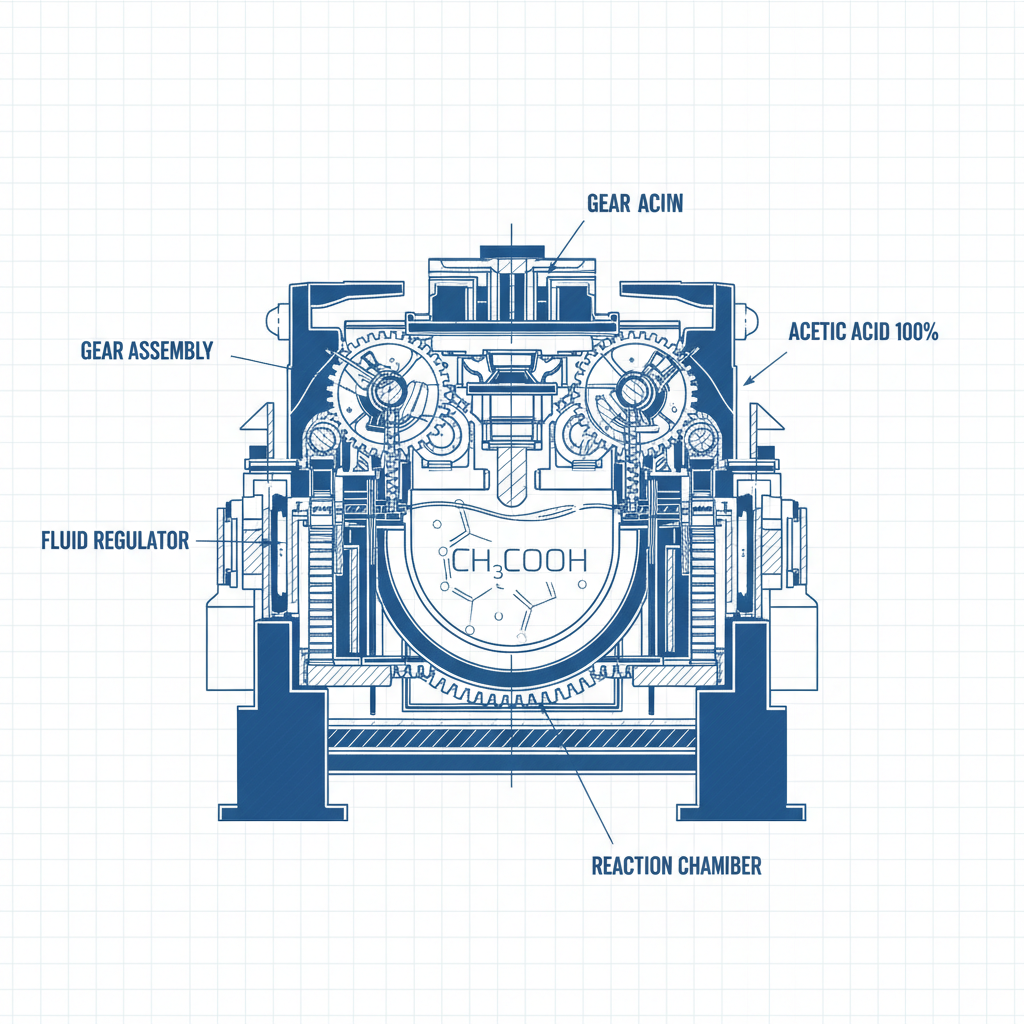
100 acetic acid (CH3COOH) is a carboxylic acid, meaning it contains a carboxyl group (-COOH). This group is responsible for its acidic properties. The “100” designation indicates that it is nearly pure, containing typically 99.8% or greater acetic acid by weight. This high purity is critical for applications requiring precise chemical reactions and minimal interference from impurities.
Its key physical properties include a boiling point of 118°C (244°F) and a freezing point of 16.7°C (62°F), which is why it is often referred to as glacial acetic acid when frozen. It's miscible with water, alcohol, ether, and many other organic solvents, making it a versatile solvent in various chemical processes.
The connection between 100 acetic acid and modern industry is profound. It's not only a fundamental feedstock for producing vinyl acetate monomer (VAM), used in paints and adhesives, but also for manufacturing cellulose acetate, a key component of textiles and cigarette filters. Furthermore, its role in the pharmaceutical industry as a solvent and reagent is invaluable.
Key Properties of 100 acetic acid
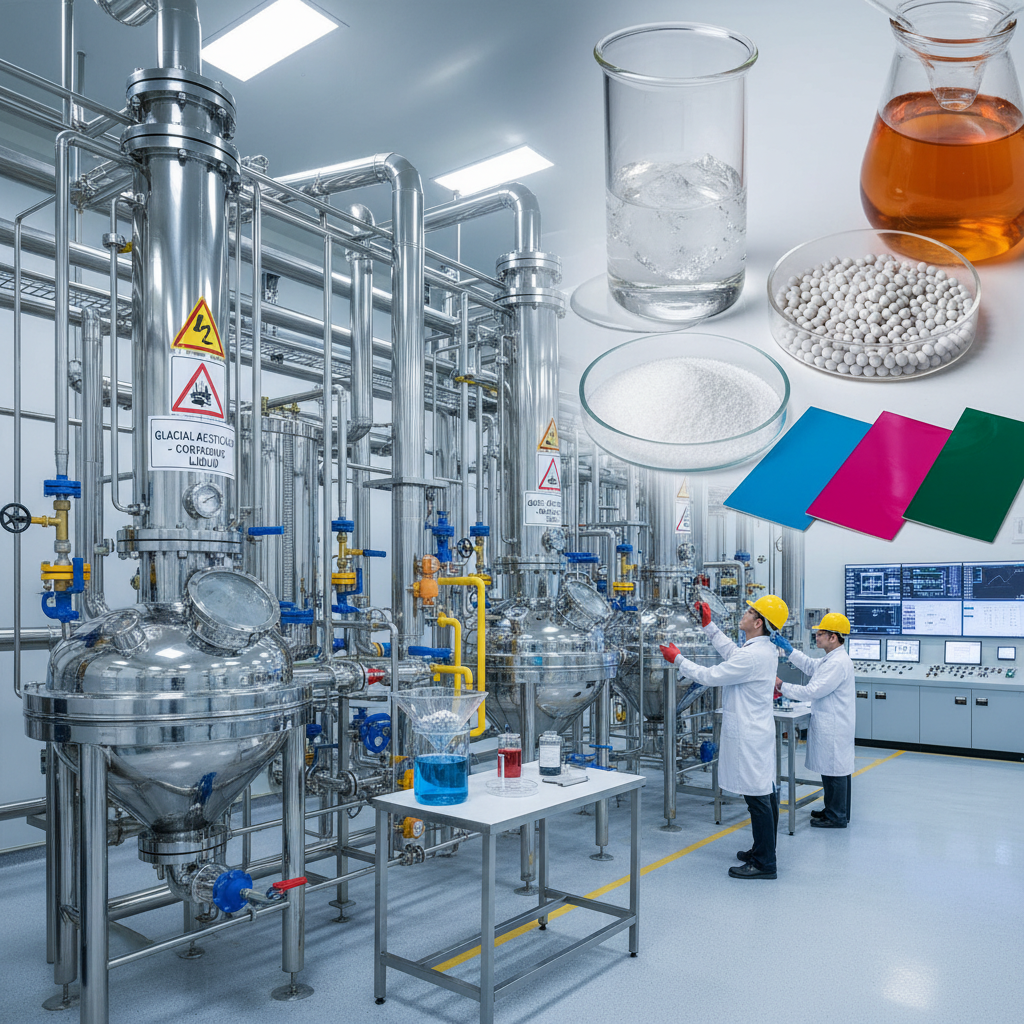
The corrosive nature of 100 acetic acid necessitates careful handling and storage. It can cause severe burns upon contact with skin and eyes, requiring appropriate personal protective equipment (PPE). Its flammability also demands precautions to prevent ignition sources in areas where it's stored or used.
Its high solvency power makes it effective at dissolving a variety of organic compounds. This is leveraged in the production of pharmaceuticals, where it's used to dissolve active ingredients and facilitate chemical reactions. The reactive nature of 100 acetic acid contributes to its vital role in chemical synthesis.
100 acetic acid Property Ratings
Applications Across Industries
The textile industry relies heavily on 100 acetic acid in the production of acetate fibers, used for clothing, linings, and upholstery. Its ability to dissolve cellulose makes it essential in this process. The plastics industry uses it to manufacture polyvinyl acetate (PVA), a common ingredient in adhesives, paints, and coatings.
In the pharmaceutical sector, 100 acetic acid is a crucial solvent and reagent in the synthesis of numerous drugs and pharmaceutical intermediates. It’s also used in the production of cellulose acetate ophthalmic solutions. Food processing utilizes it as a flavoring agent and preservative, although in highly diluted forms. In post-disaster relief operations, quick-dissolving cellulose acetate films containing essential nutrients can be deployed.
Advantages and Economic Impact
100 acetic acid offers significant cost-effectiveness due to its relatively low production cost and its versatility in numerous applications. This cost-effectiveness translates into lower production costs for downstream industries, ultimately benefiting consumers. The high yield and efficiency of processes utilizing 100 acetic acid further contribute to its economic value.
From a sustainability perspective, ongoing efforts to develop bio-based 100 acetic acid production routes are reducing its carbon footprint. The reliability of supply chains, although occasionally disrupted, is generally robust, ensuring consistent availability for critical industries. Investing in 100 acetic acid production and research fosters innovation and economic growth.
Future Trends and Sustainable Production
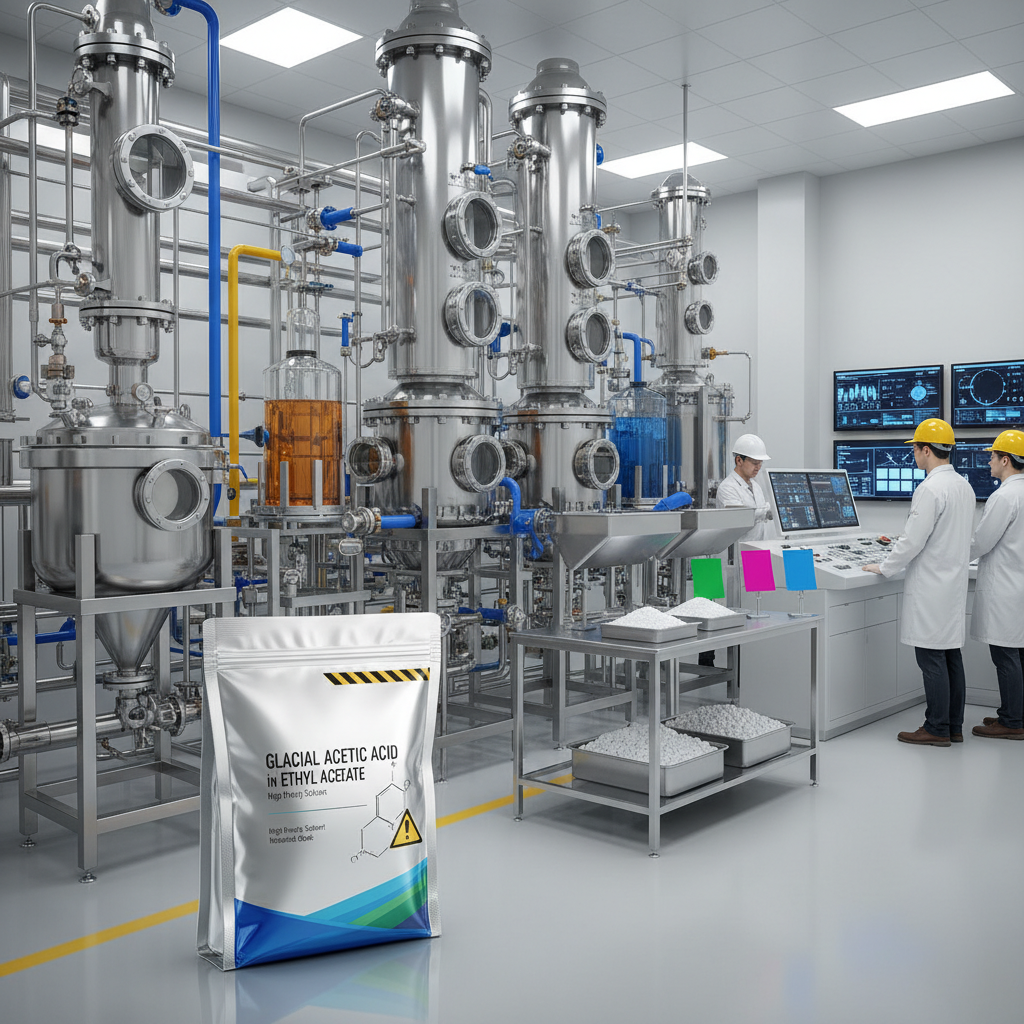
A significant trend is the development of bio-based acetic acid production through fermentation processes using renewable feedstocks. These methods offer a more sustainable alternative to traditional petrochemical-based production. Furthermore, advancements in catalytic technology are improving the efficiency of methanol carbonylation, reducing energy consumption and waste generation.
The integration of digital technologies, such as process optimization algorithms and predictive maintenance systems, is enhancing the efficiency and reliability of 100 acetic acid production facilities. Automation and artificial intelligence are being employed to optimize reaction conditions and improve product quality.
Policies promoting green chemistry and sustainable manufacturing are expected to accelerate the adoption of more environmentally friendly 100 acetic acid production methods. Government incentives and regulations are playing a key role in driving this transition toward a more sustainable chemical industry.
Assessment of 100 Acetic Acid Production Methods
| Production Method |
Environmental Impact (1-10) |
Production Cost (1-10) |
Product Purity (%) |
| Methanol Carbonylation |
6 |
7 |
99.8 |
| Acetaldehyde Oxidation |
5 |
8 |
99.5 |
| Fermentation (Bio-based) |
9 |
5 |
99.0 |
| Ethylene Oxidation |
4 |
6 |
99.2 |
| Wacker Oxidation |
7 |
7 |
98.5 |
| Direct Oxidation of Ethanol |
8 |
6 |
99.7 |
FAQS
100 acetic acid is a cornerstone chemical utilized across a broad spectrum of industries. It is fundamentally important in the production of vinyl acetate monomer (VAM), a crucial component in paints, adhesives and coatings. It’s also utilized in manufacturing cellulose acetate for textiles, plastics and even photographic film. The pharmaceutical and food industries rely on it for its solvent properties and flavoring capabilities.
“Glacial” acetic acid refers to highly concentrated acetic acid, typically containing 99.8% or greater acetic acid by weight. The name originates from the fact that it freezes at around 16.7°C (62°F), resembling ice. Standard acetic acid solutions usually contain a significant amount of water, resulting in a lower concentration and a different freezing point.
100 acetic acid is corrosive and can cause severe burns upon contact with skin or eyes. Always wear appropriate personal protective equipment (PPE) including gloves, safety goggles, and a lab coat. Ensure adequate ventilation and avoid inhaling vapors. In case of contact, immediately flush the affected area with plenty of water and seek medical attention.
Traditionally, 100 acetic acid production has relied on petrochemical feedstocks. However, advancements in biotechnology are enabling the production of acetic acid from renewable sources through fermentation. These bio-based processes offer a more sustainable alternative, reducing the carbon footprint. Ongoing research focuses on further minimizing the environmental impact of production.
The production and transportation of 100 acetic acid are subject to regulations set by organizations such as the ISO, UN and local authorities. These regulations cover aspects like purity standards, safety protocols, and labeling requirements. Manufacturers must comply with these regulations to ensure product quality and responsible handling.
The future outlook for bio-based 100 acetic acid production is exceptionally promising. Driven by growing demand for sustainable chemicals, investments in fermentation technology are increasing rapidly. As these technologies mature and become more cost-competitive, bio-based acetic acid is expected to significantly expand its market share, offering a greener alternative to traditional methods.
Conclusion
In conclusion, 100 acetic acid is an indispensable chemical compound with far-reaching implications across numerous industries. Its unique properties, coupled with its versatility and cost-effectiveness, have solidified its position as a vital building block for countless products and processes. Ongoing innovations in sustainable production methods are paving the way for a greener and more resilient future for this essential chemical.
Looking ahead, continued investment in research and development is crucial for optimizing production processes and expanding the applications of 100 acetic acid. By embracing sustainable practices and fostering innovation, we can unlock the full potential of this valuable chemical and ensure its continued contribution to economic growth and societal well-being. Visit our website at www.ysxlglacialaceticacid.com to learn more about our 100 acetic acid products and services.


 English
  Belarusian
  Dutch
Dutch  French
  German
  Hindi
Hindi  Indonesian
  Japanese
  Korean
  Lao
Lao  Malay
Malay  Mongolian
  Myanmar
  Polish
  Portuguese
  Russian
  Spanish
  Tagalog
  Thai
Thai  Vietnamese