You know, lately everyone's talking about 'smart' everything. Smart factories, smart buildings… it's all the buzz. But honestly, after spending ten months a year on construction sites, dodging rebar and breathing in concrete dust, ‘smart’ often means ‘another thing that can break down and make my life harder’. The real trend isn’t just making things connected, it's making them reliable and easy to work with. And that's where things get tricky with glacial acetic acid purchase.
Have you noticed how many suppliers promise the world with specs and certifications? It’s always ‘meets ISO standards’, ‘99.9% purity’… Sounds great on paper. But the reality? A lot of these manufacturers haven’t actually seen a construction site. They don't understand that a slight inconsistency in viscosity, a funny smell, or packaging that falls apart in the rain can ruin your whole day. It's about practicality, not just data sheets.
The biggest problem with glacial acetic acid purchase, to be honest, is the temptation to cut corners on materials. Everyone wants the cheapest option, and you end up with stuff that corrodes too quickly, or reacts badly with other materials. I encountered this last time at a factory in Zhejiang – they were using a cheap plastic for the containers, and the acid was eating right through it. The whole shipment was compromised. It smelled like vinegar gone wrong...ugh.
Global Relevance of glacial acetic acid purchase
Glacial acetic acid purchase isn't just some chemical industry thing, you know? It’s fundamental. Think about it – it’s used in everything from textiles and pharmaceuticals to food processing and, increasingly, in advanced materials manufacturing. The global demand is huge, and it’s tied directly into industrial growth, especially in developing economies. The UN Industrial Development Organization, for example, highlights acetic acid as a key indicator of manufacturing capacity.
But here’s the problem: reliable supply chains are getting stretched. We’ve seen disruptions caused by geopolitical issues, shipping delays, even just bad weather. And when that supply gets cut off, projects get stalled, costs go up, and everyone suffers. That's why responsible glacial acetic acid purchase – securing quality sources and building resilient partnerships – is so crucial.
Defining glacial acetic acid purchase
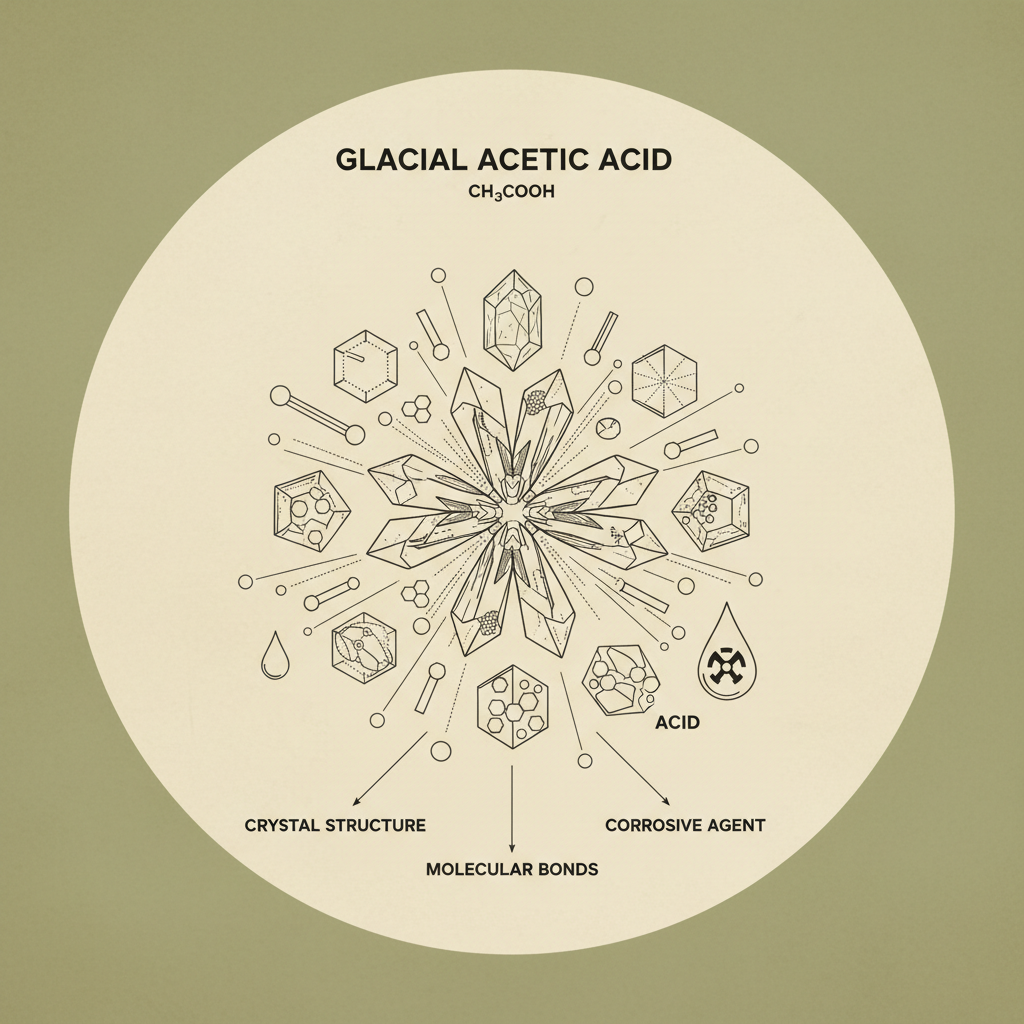
So, what is glacial acetic acid purchase, really? Forget the chemistry lesson. It’s concentrated acetic acid – basically, super-strength vinegar. But it’s way beyond salad dressing, trust me. The ‘glacial’ part means it’s frozen at relatively low temperatures, hence the name. It’s used as a solvent, a reagent, a cleaning agent… all sorts of stuff.
It's connected to modern industry because so many processes depend on it. Manufacturing plastics, producing synthetic fibers, even making those fancy LCD screens – they all rely on glacial acetic acid. And in terms of humanitarian needs, it plays a role in water purification and sanitation, especially in emergency situations.
It’s a workhorse chemical. Not glamorous, but absolutely essential. And finding a supplier you can trust, one that consistently delivers the right quality, is paramount. Because a bad batch can throw an entire production line into chaos.
Key Factors Influencing glacial acetic acid purchase
There are a few things that really matter when you're looking at glacial acetic acid purchase. First, purity. You need to know exactly what you’re getting. Impurities can cause all sorts of problems, from affecting the quality of your product to corroding your equipment. Then there’s packaging. It needs to be robust enough to withstand handling and transport, and resistant to the acid itself. I’ve seen too many leaks...
Supply chain reliability is huge. You can't afford to have your production line shut down because your supplier is out of stock or has shipping delays. And finally, price stability. Fluctuations in price can wreak havoc on your budget. Strangely enough, sometimes paying a little more upfront for a stable supply is cheaper in the long run.
And don't forget technical support. A good supplier should be able to answer your questions and help you troubleshoot any problems you might encounter. Because let’s be real, things will go wrong eventually.
Global Applications of glacial acetic acid purchase
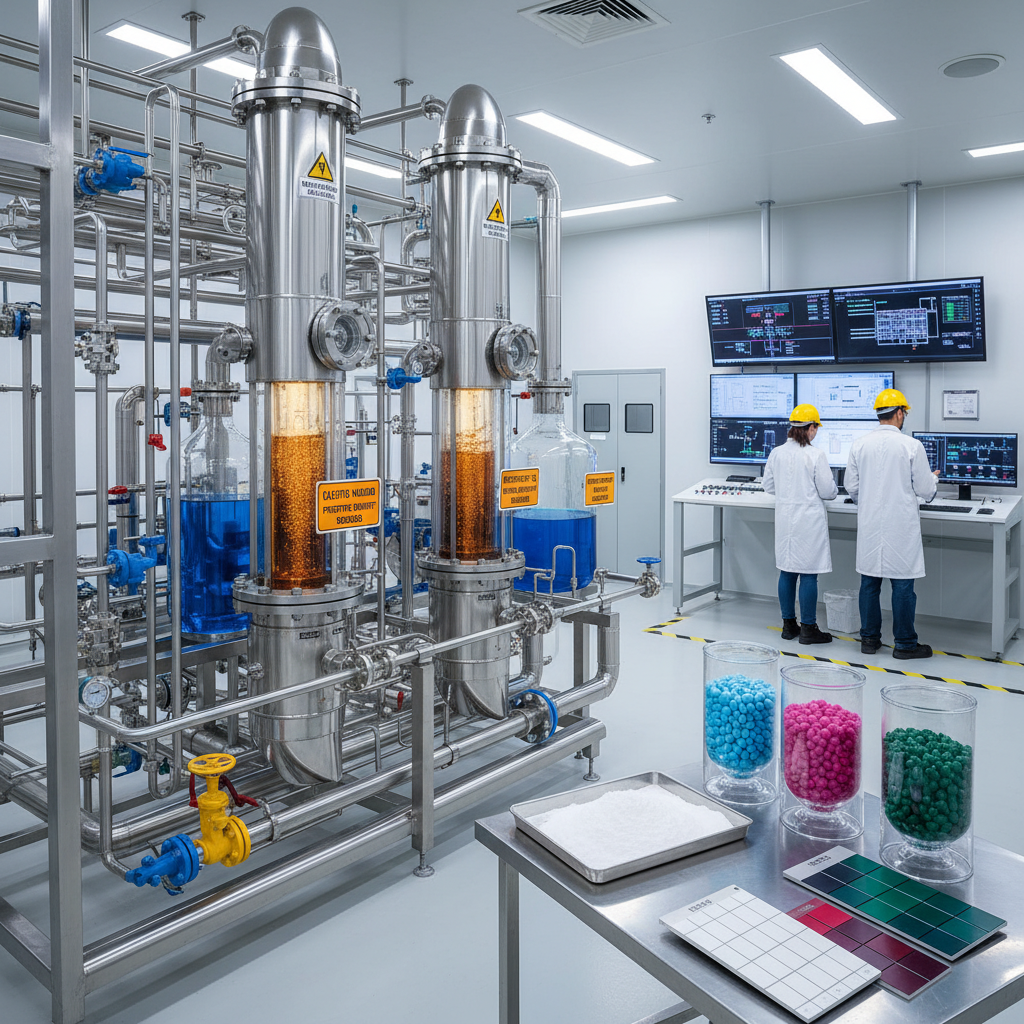
Okay, where’s this stuff actually used? Everywhere, honestly. It's a massive player in the production of vinyl acetate monomer (VAM), which goes into paints, adhesives, and coatings. The textile industry uses it for dyeing and finishing fabrics. Pharmaceutical companies use it to manufacture various drugs.
In Asia, particularly China and India, you see huge demand driven by their rapidly expanding manufacturing sectors. Europe relies on it heavily for chemical synthesis and plastics production. Even in remote industrial zones, like some of the mining operations I’ve visited in Australia, glacial acetic acid purchase is critical for metal processing and purification.
And it’s not just industry. In post-disaster relief operations, it can be used for water purification, although that's a specialized application. But it’s a good example of how a seemingly basic chemical can have a wide-ranging impact.
glacial acetic acid purchase Demand by Application
Advantages and Long-Term Value
The biggest advantage of securing a reliable glacial acetic acid purchase is cost stability. Fluctuations can kill your margins. It also allows for better production planning and reduces the risk of delays. Sustainability is a big factor too; a responsible supplier will prioritize environmentally friendly production methods.
But beyond the practical benefits, there’s a peace of mind that comes with knowing you have a solid supply chain. It's about building trust with your supplier, knowing they'll deliver what you need, when you need it. And that, frankly, is invaluable.
Future Trends and Innovations
I think we’re going to see more and more focus on ‘green’ glacial acetic acid – produced from renewable sources rather than fossil fuels. There’s a lot of research going into bio-based acetic acid, using things like agricultural waste.
Digitalization will also play a role. Expect to see more real-time tracking of shipments, improved forecasting of demand, and better communication between suppliers and customers. And automation in the production process will likely lead to increased efficiency and reduced costs. Anyway, I think things are moving fast.
Challenges and Solutions in glacial acetic acid purchase
The biggest challenge, still, is quality control. Too many suppliers are willing to compromise on purity to cut costs. The solution? Rigorous testing, both at the supplier’s facility and at your own. You need to have a clear understanding of your specifications and hold your supplier accountable.
Another challenge is transportation. Glacial acetic acid is corrosive, so you need specialized containers and experienced handlers. And logistical bottlenecks can cause delays. Building strong relationships with your logistics providers is key.
Last month, that small boss in Shenzhen who makes smart home devices insisted on changing the interface to , and the result was a huge batch of incompatible chargers. The same principle applies here – don't chase the latest trends if it compromises the fundamentals.
A Rough Guide to Evaluating glacial acetic acid Suppliers
| Supplier Reputation |
Quality Control Processes |
Supply Chain Resilience |
Pricing & Contract Flexibility |
| Industry standing & customer testimonials |
Lab testing, certification compliance |
Backup sources, logistical capabilities |
Price volatility, contract duration options |
| Years in business, financial stability |
Sample analysis, CoA review |
Geographic diversification of sources |
Volume discounts, payment terms |
| Reviews on industry forums, case studies |
Independent lab verification |
Inventory levels, storage capacity |
Escalation clauses, force majeure provisions |
| References from similar companies |
Regular quality audits |
Relationship with key carriers |
Negotiation flexibility, long-term partnerships |
| Responsiveness to inquiries and issues |
Traceability of raw materials |
Insurance coverage for transportation |
Commitment to price transparency |
| Adherence to ethical sourcing standards |
Documentation of QC procedures |
Contingency plans for disruptions |
Willingness to adapt to changing needs |
FAQS
Lead times can vary wildly, honestly. It depends on the supplier, your location, and the quantity you're ordering. Usually, you're looking at anywhere from 2-6 weeks, but I've seen it stretch to 8 weeks or more during peak seasons or supply chain disruptions. It’s always best to plan ahead and factor in potential delays. A good supplier will give you a realistic estimate upfront and keep you informed of any changes. Don’t trust anyone who promises instant delivery, it's usually a red flag.
Safety first, always. Glacial acetic acid is corrosive, so you need to store it in a cool, dry, well-ventilated area, away from incompatible materials like strong bases and oxidizing agents. Use containers made of compatible materials, like stainless steel or polyethylene. Make sure the containers are tightly sealed to prevent vapors from escaping. And, of course, follow all applicable safety regulations and wear appropriate personal protective equipment (PPE) when handling it. I’ve seen some pretty nasty burns from people being careless.
The most common impurities are water, formic acid, and acetaldehyde. These can affect the purity and reactivity of the acid. A reputable supplier will provide a Certificate of Analysis (CoA) that lists the levels of these impurities. You should always review the CoA carefully to ensure the acid meets your specifications. Sometimes, even trace amounts of impurities can cause problems in sensitive applications. Later... Forget it, I won’t mention it.
The best way is to send a sample to an independent testing laboratory. They can perform a variety of tests to determine the purity and identify any impurities. You can also do some simple tests yourself, like measuring the density and refractive index, but these are not as accurate. It’s worth the investment to get a professional analysis, especially if you’re using the acid in a critical application. I encountered this at a factory in Shandong province once and saved them a lot of trouble.
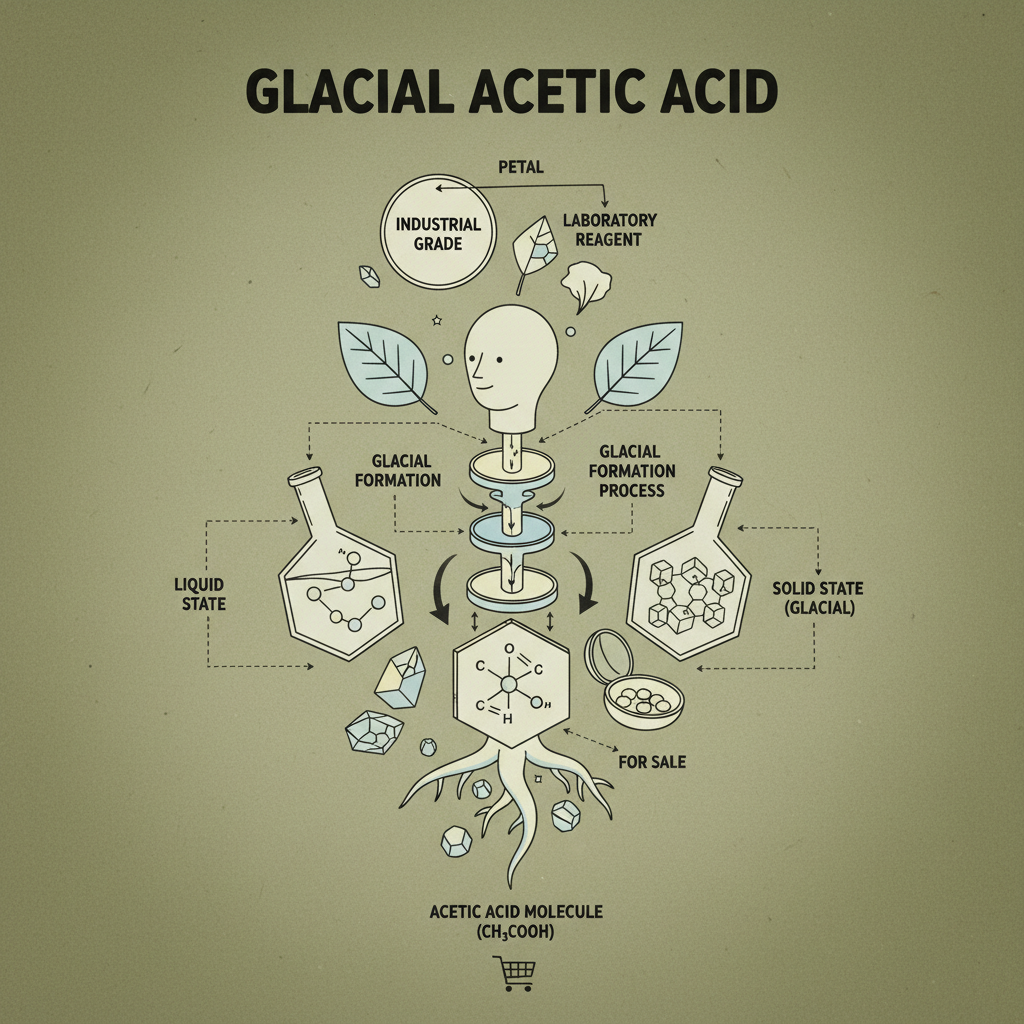
Yes, absolutely. Reagent grade is much purer than industrial grade, and it’s typically used for laboratory applications where high purity is essential. Industrial grade is suitable for most industrial applications, where a lower level of purity is acceptable. The price difference can be significant, so you need to choose the grade that meets your needs. Don’t waste money on reagent grade if you don’t need it, but don't compromise on purity if it's critical for your process.
Typically, it’s available in drums, IBCs (intermediate bulk containers), and ISO tanks. Drums are good for smaller quantities, while IBCs and ISO tanks are more cost-effective for larger volumes. The packaging material is usually high-density polyethylene (HDPE) or stainless steel. Make sure the packaging is UN-certified for the transport of hazardous materials. And check for any signs of damage before accepting a shipment. A leaking container can be a real headache.
Conclusion
Ultimately, glacial acetic acid purchase isn’t about fancy certifications or lab results. It’s about finding a supplier who understands your needs, delivers consistent quality, and can get you the product you need when you need it. It's about minimizing risk and maximizing efficiency on the job site. It's not glamorous, but it's essential.
And look, at the end of the day, whether this thing works or not, the worker will know the moment he tightens the screw. Don’t overthink it. Focus on reliability, build strong relationships, and always prioritize safety. And maybe, just maybe, you’ll avoid a disaster.


 English
  Belarusian
  Dutch
Dutch  French
  German
  Hindi
Hindi  Indonesian
  Japanese
  Korean
  Lao
Lao  Malay
Malay  Mongolian
  Myanmar
  Polish
  Portuguese
  Russian
  Spanish
  Tagalog
  Thai
Thai  Vietnamese