Glacial acetic acid mw, representing the molecular weight of glacial acetic acid, is a critical parameter in numerous chemical processes and industrial applications. Its precise value is fundamental for accurate stoichiometry, reaction yield calculations, and quality control. Understanding the glacial acetic acid mw is paramount for professionals in chemical manufacturing, pharmaceuticals, food processing, and various research fields. The availability of high-purity glacial acetic acid, coupled with a clearly defined molecular weight, ensures consistency and reliability in experiments and large-scale production.
The global demand for glacial acetic acid, and therefore a consistent understanding of its molecular weight, is driven by its versatility as a chemical intermediate. It serves as a key building block in the synthesis of vinyl acetate monomer (VAM), purified terephthalic acid (PTA), and cellulose acetate, all integral to industries like plastics, textiles, and coatings. Supply chain robustness and international trade standards necessitate a globally recognized glacial acetic acid mw to facilitate seamless transactions and maintain product integrity.
Beyond industrial applications, accurate glacial acetic acid mw determination plays a crucial role in analytical chemistry, biological research, and even medical diagnostics. Proper molecular weight knowledge ensures the reliability of analytical techniques like titration and chromatography, and is essential for preparing accurate solutions and standards. Furthermore, growing interest in sustainable chemistry and bio-based acetic acid production emphasizes the importance of consistent characterization, including precise determination of glacial acetic acid mw.
Defining Glacial Acetic Acid Mw
Glacial acetic acid mw refers specifically to the molecular weight of pure, anhydrous acetic acid. ‘Glacial’ denotes a high concentration—typically >99%—making it appear as ice-like crystals. The accepted molecular weight of acetic acid (CH₃COOH) is 60.05 g/mol. This value is critical for accurately calculating molar mass in chemical reactions and ensuring the purity and quality of the acid. glacial acetic acid mw is frequently used in laboratory settings as a standard for calibration and reagent preparation.
Its significance stems from its foundational role in diverse industrial processes. From the production of cellulose acetate used in textiles and films to the synthesis of vinyl acetate monomer (VAM) for polymers, precise knowledge of glacial acetic acid mw is vital. Miscalculations stemming from an inaccurate molecular weight can lead to inconsistencies in product formulation, reduced yields, and compromised material properties.
Global Relevance and Production
The global production of glacial acetic acid is heavily concentrated in Asia, particularly in China, which accounts for a significant portion of the world’s output. Other key producers include the United States, Europe, and India. Demand is fueled by the growing plastics and textile industries in these regions, and the expansion of downstream chemical manufacturing. Data from the World Bank indicates a consistent increase in acetic acid production over the past decade, reflecting a robust global economy.
The reliance on a few major production hubs highlights the importance of maintaining consistent quality control standards and accurate characterization, including precise glacial acetic acid mw determination. International trade regulations, such as those established by the ISO (International Organization for Standardization), mandate detailed product specifications to ensure quality and facilitate seamless trade.
Disruptions in supply chains, like those experienced during recent global events, demonstrate the criticality of diversification and reliable analytical methods for verifying the molecular weight and purity of glacial acetic acid. Accurate glacial acetic acid mw determination is not merely a technical detail but a vital component of global economic stability.
Understanding the Molecular Weight
Determining the glacial acetic acid mw requires understanding its chemical formula (CH₃COOH) and the atomic weights of its constituent elements: carbon (C = 12.01 g/mol), hydrogen (H = 1.01 g/mol), and oxygen (O = 16.00 g/mol). The calculation is straightforward: (2 x 12.01) + (4 x 1.01) + (2 x 16.00) = 60.06 g/mol. However, achieving this precise value in practice requires careful consideration of purity and the analytical methods used for determination.
The theoretical value is often refined in laboratory settings through techniques like gas chromatography-mass spectrometry (GC-MS) and titration. These methods allow for the identification and quantification of any impurities present, leading to a more accurate determination of the true glacial acetic acid mw. Variations in the measured molecular weight can indicate the presence of water, other organic acids, or residual reactants from the manufacturing process.
It is vital to consult the Certificate of Analysis (CoA) provided by the supplier to obtain the verified glacial acetic acid mw for each batch. This document details the analytical results and confirms the purity and quality of the product. Ignoring this information can lead to inaccurate experimental results and compromised product performance.
Key Factors Influencing Accuracy
Several factors can influence the accuracy of glacial acetic acid mw determination. The presence of water is a significant contributor to discrepancies, as water adds to the overall weight without contributing to the acetic acid’s molar mass. Therefore, ensuring anhydrous conditions is crucial. Additionally, the quality and calibration of analytical instruments play a critical role. Regular calibration using certified reference materials is essential for obtaining reliable results.
The purity of the acetic acid itself is paramount. Impurities, even in trace amounts, can affect the measured molecular weight. Suppliers should employ rigorous purification processes and provide detailed impurity profiles on their Certificates of Analysis. Lastly, proper sample handling and storage are vital to prevent contamination and degradation. Glacial acetic acid is hygroscopic, readily absorbing moisture from the air, necessitating airtight storage containers.
Factors Impacting Glacial Acetic Acid Mw Accuracy
Applications Across Industries
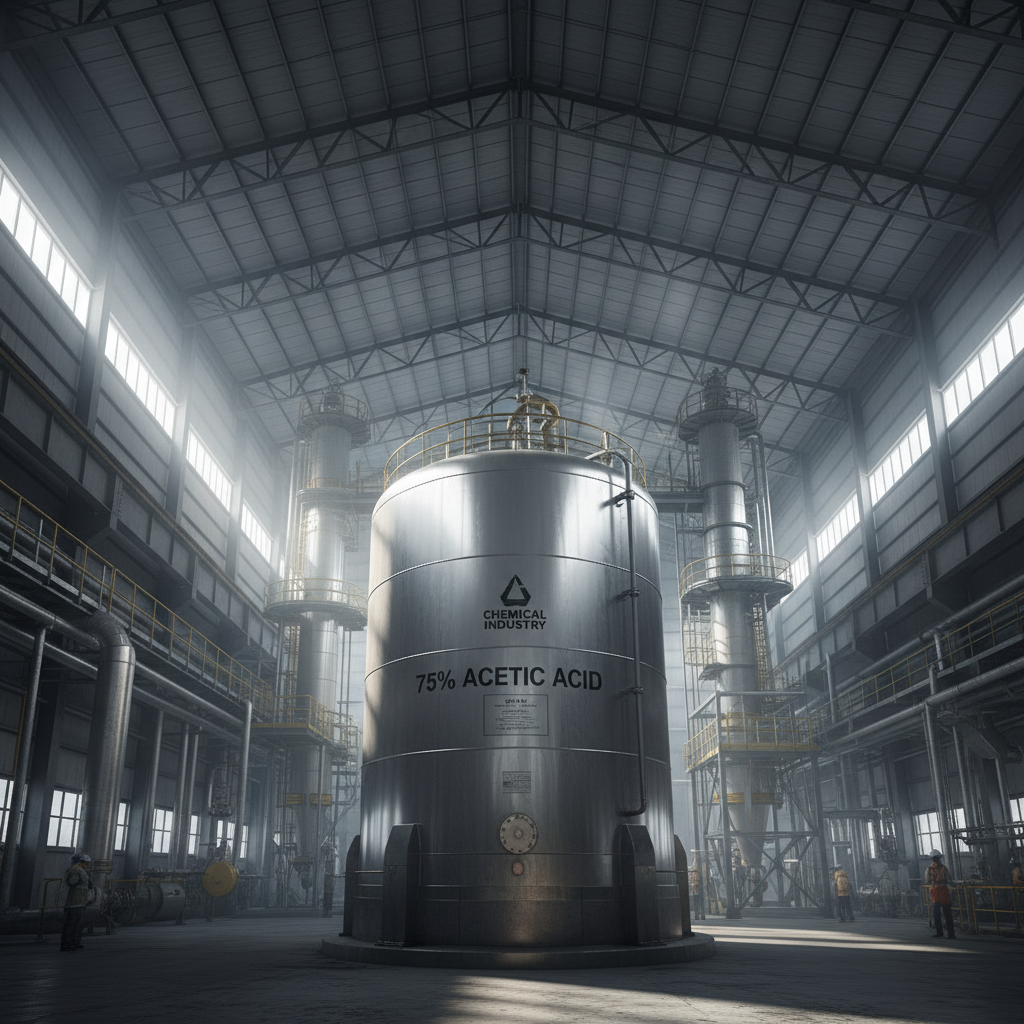
Glacial acetic acid, with its well-defined glacial acetic acid mw, finds extensive application in the chemical industry, primarily as a precursor to vinyl acetate monomer (VAM). VAM is crucial for producing polyvinyl acetate (PVA), a key component in adhesives, paints, and coatings. It's also used in manufacturing cellulose acetate, used in textile fibers, cigarette filters, and photographic film.
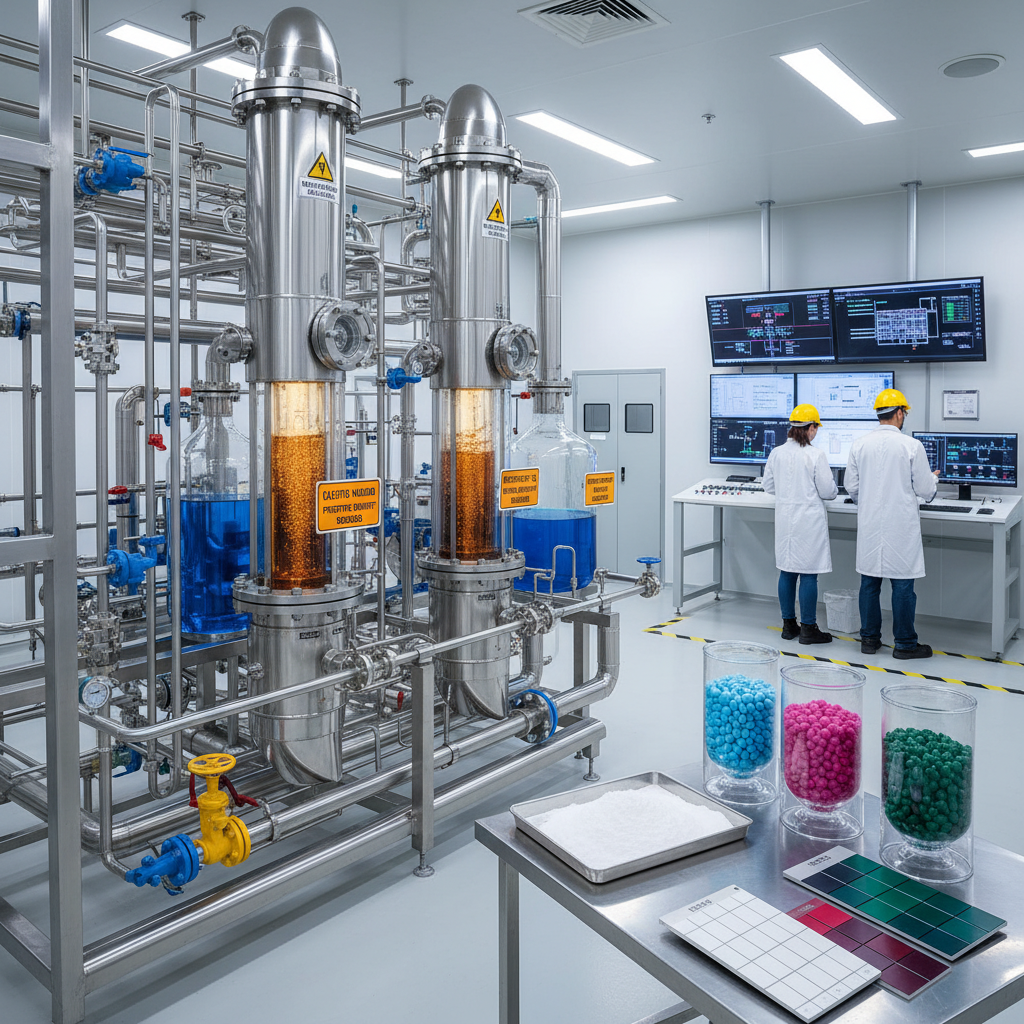
In the pharmaceutical sector, glacial acetic acid serves as a reagent and solvent in the synthesis of various drugs and pharmaceutical intermediates. The food industry utilizes it as a flavoring agent, preservative, and pH regulator. Furthermore, the analytical chemistry field relies on precise glacial acetic acid mw solutions for titrations, buffer preparation, and chromatographic analysis.
Benefits of Precise Measurement
Accurate determination of glacial acetic acid mw translates directly into enhanced product quality and process efficiency. Precise stoichiometry in chemical reactions leads to maximized yields and minimized waste. Reliable analytical results ensure compliance with regulatory standards and enable accurate quality control. Furthermore, a well-defined molecular weight facilitates accurate cost calculations and inventory management.
Beyond the tangible benefits, accurate measurement instills confidence in research findings and manufacturing processes. It fosters trust among suppliers, manufacturers, and end-users, strengthening supply chain integrity. Investing in accurate analytical techniques and instrumentation is a proactive approach to minimizing errors, improving consistency, and enhancing overall operational performance.
Future Trends in Analysis
Future trends in glacial acetic acid analysis are focused on developing more sensitive, rapid, and cost-effective techniques. Miniaturized spectroscopic methods, such as Raman spectroscopy and infrared spectroscopy, are gaining traction for on-site monitoring and real-time process control. Furthermore, advancements in mass spectrometry are enabling increasingly precise molecular weight determination and impurity profiling.
The integration of artificial intelligence (AI) and machine learning (ML) algorithms is poised to revolutionize analytical chemistry. AI-powered data analysis can automate quality control processes, identify anomalies, and predict potential issues, enhancing efficiency and reliability. Emphasis is also growing on developing sustainable analytical methods that minimize waste and environmental impact.
The rise of “smart” sensors and the Industrial Internet of Things (IIoT) will enable continuous monitoring of glacial acetic acid quality throughout the production and distribution chain, providing real-time insights and ensuring consistent adherence to stringent specifications for glacial acetic acid mw.
Summary of Key Considerations for Glacial Acetic Acid Analysis
| Analysis Method |
Accuracy Level |
Cost of Implementation |
Operational Complexity |
| Titration |
Moderate (±0.1%) |
Low |
Low |
| Gas Chromatography-Mass Spectrometry (GC-MS) |
High (±0.01%) |
High |
Moderate |
| Density Measurement |
Low (±0.5%) |
Very Low |
Very Low |
| Refractive Index Measurement |
Moderate (±0.2%) |
Low |
Low |
| Raman Spectroscopy |
High (±0.05%) |
Moderate |
Moderate |
| AI-Assisted GC-MS |
Very High (±0.005%) |
Very High |
High |
FAQS
The accepted standard for glacial acetic acid mw is 60.05 g/mol. However, practical measurements may vary slightly due to impurities, primarily water content. Certificates of Analysis (CoAs) from suppliers should be consulted for precise batch-specific values. Accurate determination of the glacial acetic acid mw is critical for stoichiometric calculations and quality control in various industrial and research applications.
Water content significantly impacts the measured molecular weight of glacial acetic acid because water adds to the overall weight without contributing to the molar mass of acetic acid. Even small amounts of water can lead to inaccurate results. Therefore, ensuring anhydrous conditions and using appropriate drying methods are crucial. Analytical techniques should account for water content to determine the true acetic acid concentration and accurately reflect the glacial acetic acid mw.
Common analytical techniques for determining glacial acetic acid mw include titration, gas chromatography-mass spectrometry (GC-MS), and density measurements. GC-MS provides the most accurate results by identifying and quantifying impurities. Titration is a more cost-effective method but requires careful standardization. Density measurements offer a quick estimate but are less precise. The choice of technique depends on the required accuracy and available resources.
Analytical instruments used to determine glacial acetic acid mw should be calibrated regularly, typically before each use or at least daily, depending on the instrument and its usage frequency. Calibration should be performed using certified reference materials traceable to national standards. Regular calibration ensures the accuracy and reliability of measurements, minimizing errors and maintaining data integrity. Calibration records should be meticulously maintained.
A comprehensive Certificate of Analysis (CoA) for glacial acetic acid should include the batch number, manufacturing date, purity percentage, water content, glacial acetic acid mw, identification of any significant impurities, and the analytical methods used for testing. The CoA should be signed by a qualified analyst and demonstrate adherence to relevant quality control standards. This documentation is crucial for verifying product quality and ensuring compliance.
Using glacial acetic acid with an inaccurate molecular weight can lead to significant errors in chemical reactions, formulations, and analytical results. This can result in reduced product yields, compromised quality, incorrect concentrations, and non-compliance with regulatory standards. Inaccurate molar mass calculations can also affect cost calculations and inventory management, potentially leading to financial losses.
Conclusion
In conclusion, understanding and accurately determining glacial acetic acid mw is paramount across diverse industries, from chemical manufacturing and pharmaceuticals to food processing and analytical chemistry. Precise measurement ensures process efficiency, product quality, and regulatory compliance. Utilizing robust analytical techniques, adhering to stringent quality control standards, and interpreting Certificates of Analysis are critical steps in maintaining accuracy.
Looking ahead, advancements in analytical technology, coupled with the integration of AI and machine learning, will further enhance the precision and efficiency of glacial acetic acid analysis. Prioritizing investment in these areas will unlock new opportunities for innovation, sustainability, and improved performance within the chemical industry. For further information and reliable sourcing of high-quality glacial acetic acid, visit our website: www.ysxlglacialaceticacid.com.


 English
  Belarusian
  Dutch
Dutch  French
  German
  Hindi
Hindi  Indonesian
  Japanese
  Korean
  Lao
Lao  Malay
Malay  Mongolian
  Myanmar
  Polish
  Portuguese
  Russian
  Spanish
  Tagalog
  Thai
Thai  Vietnamese