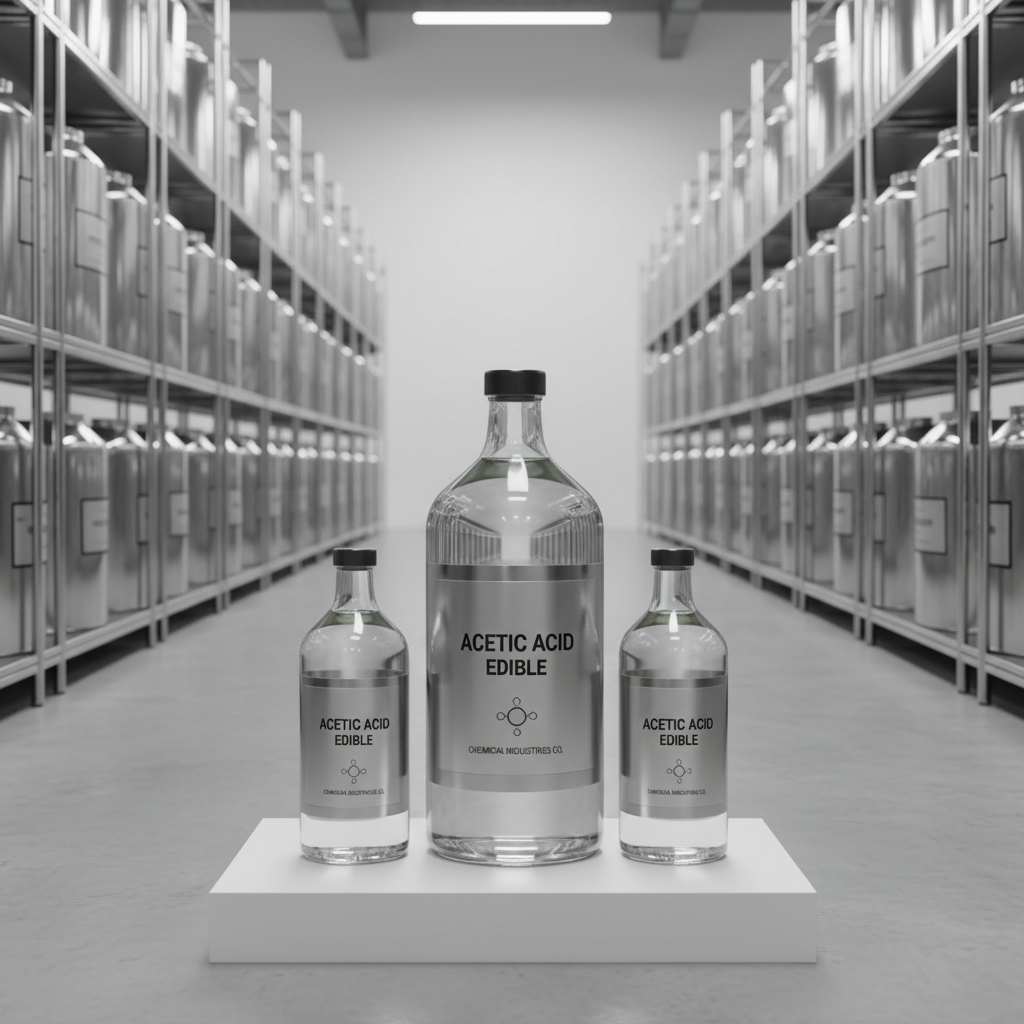
Acetic acid edible, often recognized as vinegar, holds a remarkably significant position in both culinary arts and industrial applications globally. Its production and use date back millennia, with evidence suggesting its origins in ancient Babylon around 3000 BC. Today, it remains a staple ingredient in countless cuisines worldwide and serves as a crucial feedstock for various chemical processes. The versatility of acetic acid edible stems from its unique properties – its acidity, antibacterial qualities, and solvent capabilities – making it indispensable for food preservation, flavoring, and a wide array of industrial purposes.
The global market for acetic acid edible is substantial and continues to grow, driven by increasing demand from the food and beverage industry, particularly in emerging economies. According to data from the UN, food security concerns and the need for efficient preservation techniques contribute to this demand. Furthermore, the rising awareness of vinegar’s health benefits, such as improved digestion and blood sugar control, is expanding its consumer base. This sustained growth underscores the crucial role of acetic acid edible in supporting both daily life and industrial progress.
However, challenges exist. Ensuring sustainable production methods, minimizing environmental impact, and maintaining consistent quality across different manufacturers remain key priorities. Understanding the intricacies of acetic acid edible – its production, applications, and future trends – is therefore vital for both consumers and industries involved in its supply chain.
Introduction to Acetic Acid Edible
Acetic acid edible's widespread presence in our daily lives extends far beyond the kitchen. From pickling vegetables to creating marinades and salad dressings, its culinary applications are well-known. However, the impact of acetic acid edible reaches into numerous industries, including textile production, pharmaceuticals, and even the manufacturing of plastics. The inherent antimicrobial properties contribute to its essential role in preserving food, enhancing safety, and extending shelf life.
The increasing global population and the associated demand for sustainable food sources are driving innovation in acetic acid edible production and applications. Focus areas include the development of bio-based production methods, reducing reliance on fossil fuels, and enhancing the efficiency of existing processes. Consequently, understanding the complexities and nuances of acetic acid edible is paramount for addressing contemporary challenges and fostering future advancements.
Defining Acetic Acid Edible
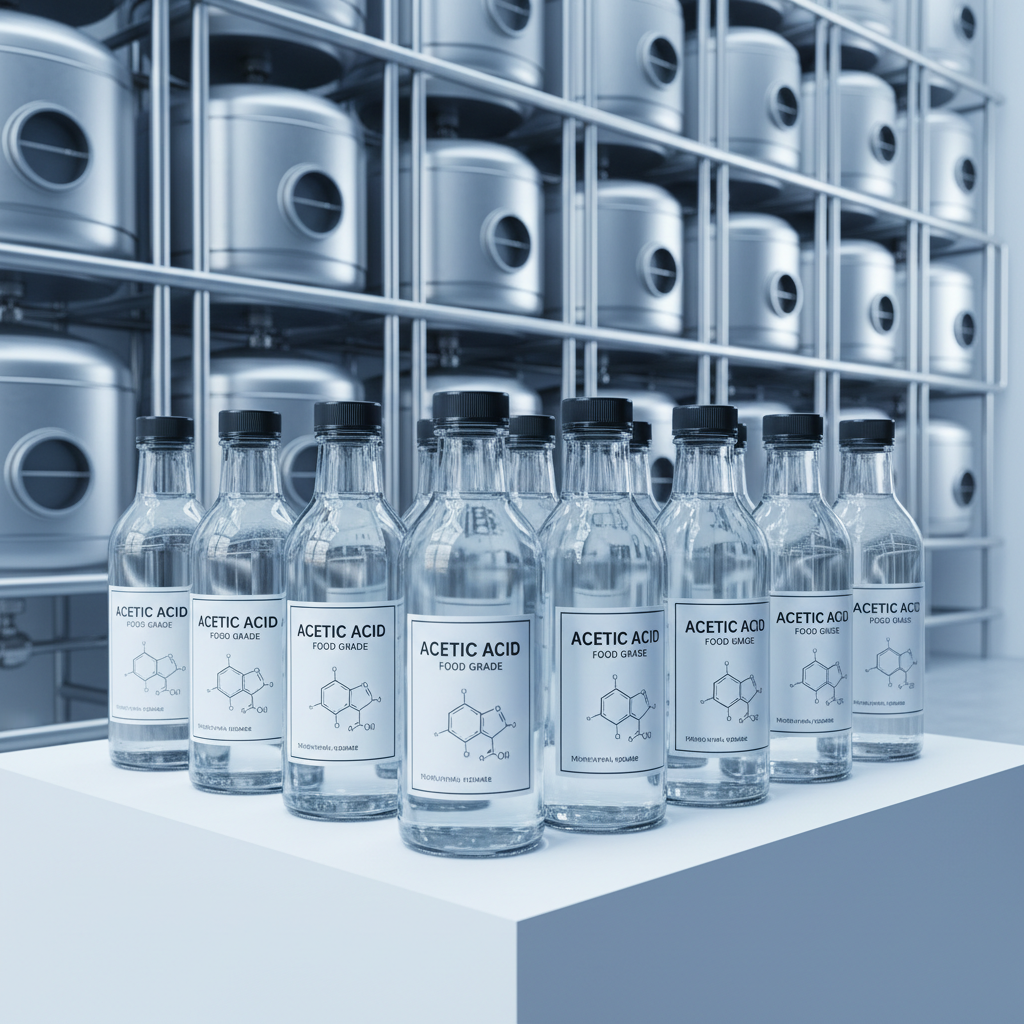
Acetic acid edible is a colorless liquid organic compound with the chemical formula CH3COOH. It’s the main component of vinegar, typically containing 4-18% acetic acid by volume. The term "edible" clarifies that this refers to the grade of acetic acid safe for human consumption, differing from industrial grades that may contain impurities. It's produced through both synthetic and natural fermentation processes, with the fermentation route historically dominating and still being significant today, especially for culinary applications.
The connection to modern industry lies in its role as a versatile chemical building block. Beyond food, it’s a vital reagent in the production of vinyl acetate monomer (VAM), used in paints, adhesives, and textiles. It’s also crucial in manufacturing cellulose acetate, used for photographic film and cigarette filters. This duality – as a food ingredient and industrial feedstock – defines the significance of acetic acid edible in the 21st century.
Furthermore, its increasing use in green chemistry as a more sustainable solvent and reagent highlights its importance in addressing environmental concerns within the chemical industry. This reinforces the evolving role of acetic acid edible beyond traditional applications.
Key Properties of Acetic Acid Edible
Several core properties define the functionality of acetic acid edible. First, its acidity (pH typically between 2 and 3) is paramount, enabling its preservative qualities by inhibiting the growth of spoilage microorganisms. Second, its solubility in water and other polar solvents makes it a versatile mixing agent in numerous applications.
Third, its relatively low cost of production, compared to other organic acids, makes it economically attractive for large-scale industrial use. Fourth, its biodegradability minimizes its environmental impact compared to many synthetic alternatives. Finally, the distinct aroma and flavor profile contribute significantly to its appeal as a culinary ingredient.
These properties collectively explain why acetic acid edible is favored across so many disciplines. From enhancing food flavor to serving as a key component in industrial chemical processes, its unique characteristics make it a truly versatile compound. The interplay of these qualities positions it as a critical ingredient for various sectors.
Applications and Industrial Relevance
The applications of acetic acid edible are remarkably diverse. In the food industry, it's utilized for pickling, preserving fruits and vegetables, creating condiments like ketchup and mustard, and as an ingredient in salad dressings. Its antimicrobial properties make it a crucial component in food safety protocols.
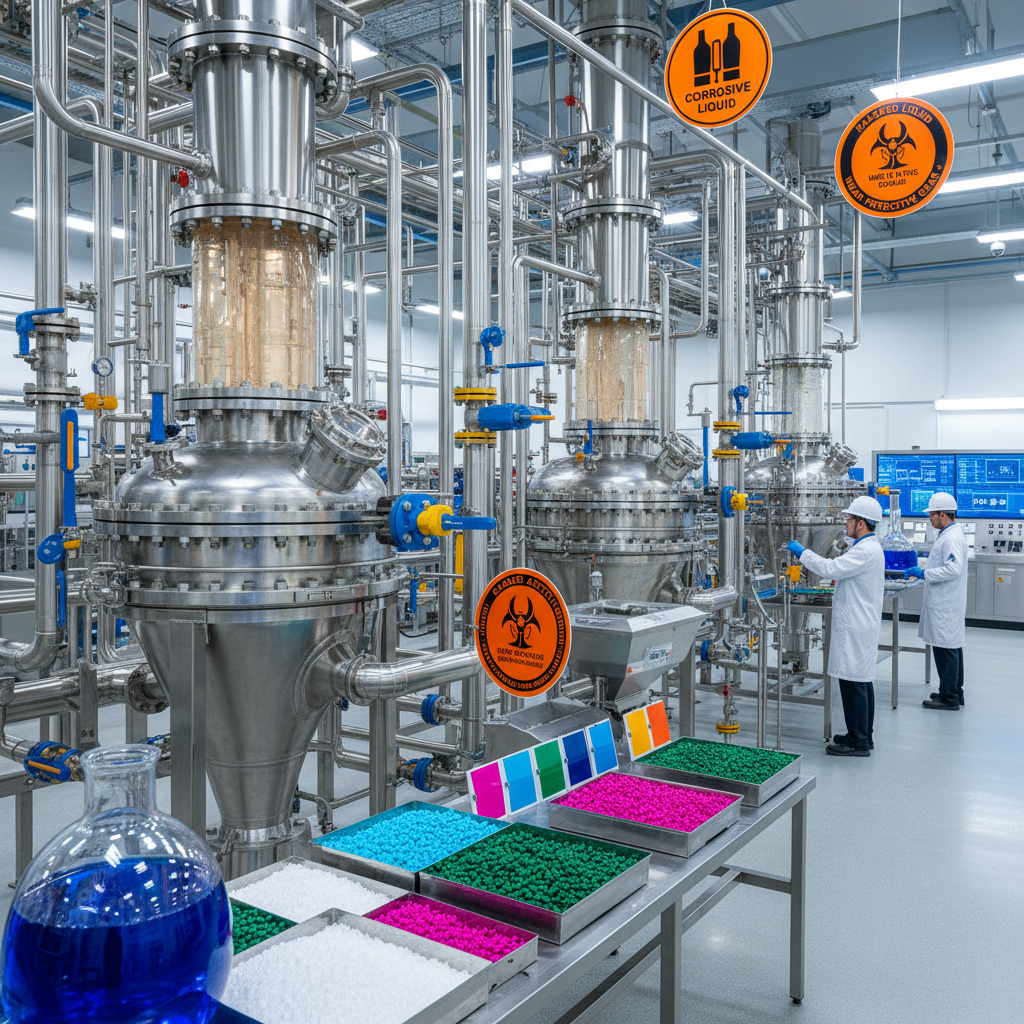
Beyond food, acetic acid edible plays a vital role in industrial processes. The production of vinyl acetate monomer (VAM), a crucial building block for polymers used in paints, adhesives, and textiles, relies heavily on acetic acid edible. It’s also employed in the pharmaceutical industry as a reagent and solvent, and in the textile industry for dyeing and finishing processes.
Acetic Acid Edible Application Breakdown
Global Usage of Acetic Acid Edible
China is currently the world's largest producer and consumer of acetic acid edible, driven by its substantial textile and VAM industries, as well as its large food processing sector. North America and Europe also represent significant markets, with demand largely focused on food applications and pharmaceuticals. Developing nations in Southeast Asia and Latin America are exhibiting increasing consumption due to economic growth and rising standards of living.
The United States Department of Agriculture (USDA) and the Food and Drug Administration (FDA) regulate the quality and safety of acetic acid edible used in food products. Similarly, the European Food Safety Authority (EFSA) sets stringent standards for food-grade acetic acid within the European Union. International trade of acetic acid edible is governed by organizations like the World Trade Organization (WTO), ensuring fair competition and minimizing trade barriers.
Advantages and Long-Term Value
The advantages of utilizing acetic acid edible are multifaceted. Cost-effectiveness is a significant factor, particularly compared to some synthetic alternatives. Sustainability is another benefit, as it can be produced from renewable sources through fermentation. Socially, ensuring food safety and extending shelf life contribute to reduced food waste and improved public health.
Long-term value stems from its versatility and the constant innovation surrounding its applications. Its reliability as a solvent and reagent in numerous industries makes it an indispensable component in many supply chains. The increasing focus on green chemistry and sustainable practices further strengthens its future value proposition.
The consistent quality control, ease of handling, and inherent safety characteristics of acetic acid edible contribute to its trustworthiness and widespread acceptance across diverse sectors. This provides a solid foundation for continued growth and innovation.
Future Trends and Innovation
Future trends point towards enhanced sustainability in acetic acid edible production. This includes exploring alternative feedstocks for fermentation, such as agricultural waste, and optimizing fermentation processes to minimize energy consumption. The development of more efficient and environmentally friendly catalysts for synthetic production is also underway.
Digital transformation and automation are being implemented in production facilities to improve efficiency, reduce waste, and enhance quality control. Furthermore, research into new applications, such as the development of bio-based plastics derived from acetic acid edible, holds significant promise. The integration of these technologies positions acetic acid edible as a key player in the circular economy.
The increasing demand for personalized nutrition and functional foods may drive innovation in acetic acid edible applications, potentially leading to the development of new vinegar-based products with enhanced health benefits. The pursuit of closed-loop systems and waste valorization strategies will continue to shape the future of this versatile compound.
Core Aspects of Future Acetic Acid Edible Developments
| Innovation Area |
Potential Impact |
Implementation Timeline |
Investment Level (1-10) |
| Bio-based Production |
Reduced carbon footprint, renewable resource utilization. |
5-10 years |
8 |
| Automated Fermentation |
Increased efficiency, reduced labor costs, consistent quality. |
2-5 years |
7 |
| New Catalyst Development |
Improved synthetic production efficiency, reduced waste. |
5-10 years |
6 |
| Bio-plastic Applications |
Sustainable alternative to fossil fuel-based plastics. |
10+ years |
9 |
| Waste Valorization |
Conversion of by-products into valuable resources, circular economy principles. |
3-7 years |
7 |
| Functional Food Integration |
Development of vinegar-based products with targeted health benefits. |
2-5 years |
5 |
FAQS
Acetic acid edible, primarily through vinegar consumption, has been linked to several health benefits. Studies suggest it can help improve insulin sensitivity, lower blood sugar levels after meals, and promote weight management. Its antimicrobial properties can also contribute to gut health. However, moderation is key, and it's not a substitute for a balanced diet and healthy lifestyle. It’s best to consult a healthcare professional for personalized advice.
Chemically, synthetic acetic acid edible and fermentation-derived acetic acid are identical – both are CH3COOH. However, the production methods differ. Fermentation often results in trace amounts of other organic compounds that contribute to the nuanced flavor profiles of different vinegars. Industrial-grade synthetic acetic acid is highly purified and typically lacks these trace elements. Food-grade synthetic acetic acid meets the same purity standards as food-grade vinegar.
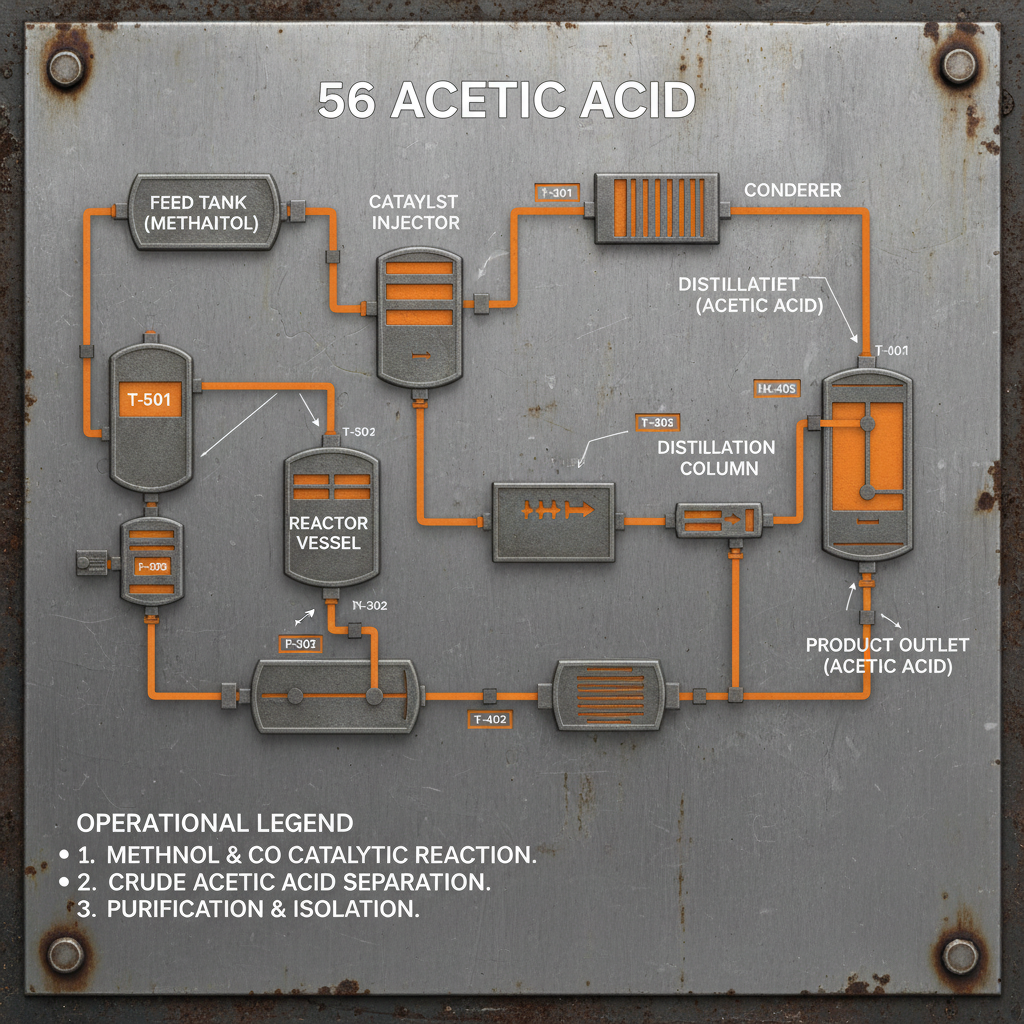
Traditional acetic acid edible production, particularly synthetic routes using methanol carbonylation, can rely on fossil fuels. However, a growing trend is towards bio-based production using fermentation, which utilizes renewable feedstocks like agricultural waste. A key concern is wastewater treatment from both processes, requiring careful management to prevent pollution. Sustainable production practices, including energy efficiency and waste valorization, are increasingly important.
Quality regulation varies by country. In the United States, the FDA sets standards for food-grade acetic acid. The European Union’s EFSA also establishes strict guidelines. These regulations typically cover purity levels, permissible additives, and labeling requirements. International trade is often governed by Codex Alimentarius standards, promoting harmonization and ensuring food safety. It's crucial to verify that suppliers meet the relevant regulatory standards.
Acetic acid edible, particularly horticultural vinegar (with a higher concentration than household vinegar), can be used as a natural herbicide, effectively killing weeds. Its acidity disrupts plant cell function. However, it’s a non-selective herbicide, meaning it will kill any plant it contacts. As a pesticide, it has some limited effectiveness against certain insects, but it is generally not a primary pest control solution. It is important to use it carefully and follow safety precautions.
Acetic acid edible has a very long shelf life due to its antibacterial properties. It doesn’t really “expire,” but the flavor may diminish over time. It should be stored in a cool, dark place in a tightly sealed container. Exposure to light and air can degrade its quality. While refrigeration is not necessary, it can help preserve its flavor for a longer period. Keeping it away from strong odors will also prevent contamination.
Conclusion
Acetic acid edible, in its myriad forms, stands as a testament to the power of a simple compound with far-reaching implications. From its foundational role in food preservation and culinary arts to its essential function in numerous industrial processes, its versatility is undeniable. The ongoing pursuit of sustainable production methods, coupled with innovations in applications like bio-plastics and functional foods, positions acetic acid edible as a critical element in a more environmentally conscious and technologically advanced future.
Looking ahead, continued research and development are crucial for maximizing the potential of acetic acid edible. Investing in bio-based production technologies, fostering collaboration between industries and research institutions, and promoting responsible consumption practices will unlock new opportunities and ensure the long-term viability of this indispensable compound. For further insights into acetic acid edible and its applications, visit our website: www.ysxlglacialaceticacid.com.



 English
  Belarusian
  Dutch
Dutch  French
  German
  Hindi
Hindi  Indonesian
  Japanese
  Korean
  Lao
Lao  Malay
Malay  Mongolian
  Myanmar
  Polish
  Portuguese
  Russian
  Spanish
  Tagalog
  Thai
Thai  Vietnamese