
Apr . 09, 2026 02:15 Back to list
Properties and Industrial Applications of 64 19 7 acetic acid
Understanding 64 19 7 Acetic Acid: Properties and Industrial Applications
In the realm of industrial chemistry, 64 19 7 acetic acid, commonly known as glacial acetic acid when in its anhydrous form, serves as a fundamental building block for countless chemical syntheses. This colorless liquid with a characteristic pungent odor is prized for its acidity and versatility across diverse sectors, from textile processing to pharmaceutical manufacturing. Whether utilized as a solvent or a reagent, the purity and consistency of this compound are critical for ensuring the quality of the final output. In this comprehensive guide, we will explore the technical specifications, safety protocols, and the wide-ranging utility of this essential organic compound.

Chemical Characteristics of 64 19 7 Acetic Acid
The chemical identity of 64 19 7 acetic acid is defined by its simple yet powerful molecular structure: CH₃COOH. As a carboxylic acid, it is highly polar and miscible with water, alcohols, and many organic solvents. Its "glacial" form refers to the highly concentrated version (typically >99% purity), which freezes just below room temperature, resembling ice. This property makes it an exceptionally strong acidic medium for industrial reactions. Its ability to act as both a proton donor and a solvent makes it indispensable in the production of vinyl acetate monomer (VAM), acetic anhydride, and various esters used in perfumes and plastics.
Technical Highlight: The high purity of 64 19 7 acetic acid ensures minimal impurity interference in sensitive catalytic reactions, which is vital for high-yield pharmaceutical synthesis.
Industrial Use Cases for 64 19 7 Acetic Acid
The versatility of 64 19 7 acetic acid allows it to permeate almost every manufacturing sector. In the textile industry, it is used for dyeing and as a neutralizing agent. In the food industry, diluted versions act as preservatives and acidity regulators. More critically, in the chemical industry, it serves as a precursor for the synthesis of esters and salts. Its role as a solvent for inorganic salts and organic compounds makes it a staple in laboratory settings worldwide. The demand for high-grade acetic acid continues to grow as global production of biodegradable polymers and specialty resins increases.
Comparing 64 19 7 Acetic Acid Grades
Not all forms of acetic acid are created equal. Depending on the application, users must choose between technical grade, food grade, or glacial grade. Glacial 64 19 7 acetic acid is the most concentrated, offering the highest reactivity and efficiency for industrial synthesis. In contrast, diluted grades are safer for general cleaning or food preparation. Understanding the difference in concentration and purity is essential for maintaining process safety and ensuring the chemical stability of the resulting products.
Safety and Handling of 64 19 7 Acetic Acid
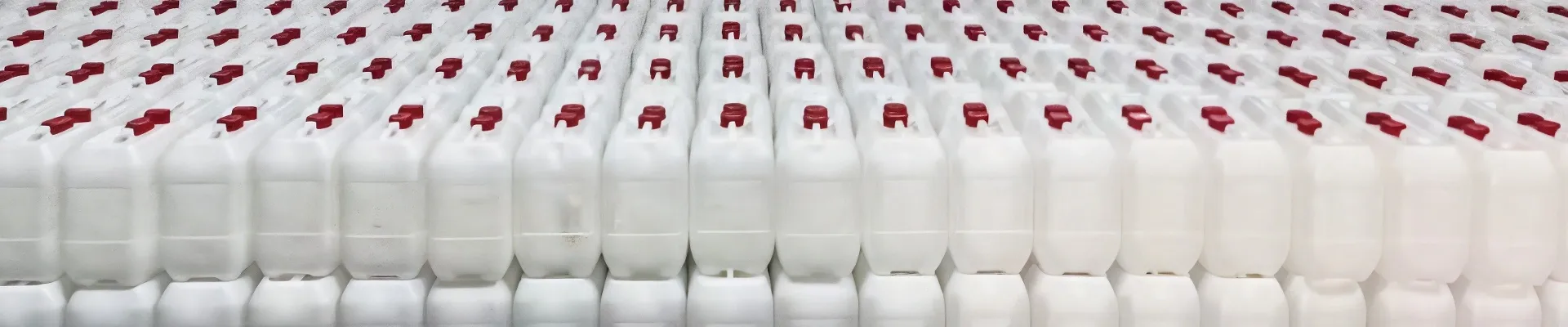
Due to its corrosive nature, handling 64 19 7 acetic acid requires strict adherence to safety protocols. The concentrated liquid can cause severe skin burns and eye damage upon contact. Inhalation of its pungent vapors can irritate the respiratory system. Therefore, it is mandatory to use personal protective equipment (PPE), including acid-resistant gloves, safety goggles, and face shields. Storage should occur in cool, well-ventilated areas, using containers made of compatible materials such as high-density polyethylene (HDPE) or stainless steel, as the acid can corrode many common metals.
Handling Best Practices:
• Always add acid to water, never water to acid, to prevent violent splashing.
• Use local exhaust ventilation or fume hoods to minimize vapor inhalation.
• Ensure an emergency eyewash station and shower are available nearby.
• Store away from strong oxidizers and bases to avoid exothermic reactions.
Technical Specifications for 64 19 7 Acetic Acid
For procurement and quality control, understanding the exact specifications of 64 19 7 acetic acid is paramount. Parameters such as assay percentage, water content, and color (measured on the Pt-Co scale) determine the suitability of the product for high-precision applications. High-purity glacial acetic acid must maintain a very low water content to ensure that reactions requiring anhydrous conditions are not compromised. Below is a standard specification table for industrial-grade glacial acetic acid.
Conclusion: Optimizing Production with Quality 64 19 7 Acetic Acid
The strategic importance of 64 19 7 acetic acid in modern industry cannot be overstated. From its role in high-tech chemical synthesis to its utility in everyday consumer goods, its purity and handling are the keys to operational success. By sourcing high-grade materials and implementing rigorous safety standards, manufacturers can maximize yield while minimizing risk. For those seeking a reliable supply of premium glacial acetic acid, choosing a partner dedicated to quality and consistency is the first step toward industrial excellence.
Frequently Asked Questions (FAQs)
What does the "64 19 7" in 64 19 7 acetic acid refer to?
The number "64-19-7" is the CAS Registry Number, a unique numerical identifier assigned by the Chemical Abstracts Service (CAS). This number is used globally to ensure that scientists, regulators, and suppliers are referring to the exact same chemical substance, regardless of the language or regional name used. In this case, 64-19-7 specifically identifies acetic acid, preventing confusion with other organic acids or derivatives during the shipping and procurement process.
Why is it called "Glacial" Acetic Acid?
It is called "glacial" because the pure, anhydrous form of acetic acid has a freezing point of 16.6°C (61.9°F). In cooler environments, the liquid crystallizes into ice-like crystals, resembling a glacier. This physical property is a hallmark of high-purity acetic acid. When the concentration drops (as in household vinegar), the freezing point lowers significantly, and the substance remains liquid at much lower temperatures.
How should 64 19 7 acetic acid be stored for long-term stability?
For optimal stability, 64 19 7 acetic acid should be stored in a cool, dry, and well-ventilated warehouse. The temperature should be kept stable to avoid frequent freeze-thaw cycles. Use containers made of stainless steel (grade 316) or fluorinated plastics. Ensure that the containers are tightly sealed to prevent the absorption of atmospheric moisture, which would lower the purity level of the glacial grade. Always keep it segregated from strong bases, oxidizing agents, and flammable materials to avoid hazardous reactions.
Is 64 19 7 acetic acid biodegradable?
Yes, acetic acid is readily biodegradable. In the environment, it is quickly broken down by various microorganisms into carbon dioxide and water. However, in its concentrated "glacial" form, it is highly toxic to aquatic life and corrosive to tissues due to its low pH. Therefore, while the molecule itself is biodegradable, concentrated spills must be neutralized and managed carefully to prevent localized environmental damage. Proper waste disposal according to local environmental regulations is always required for industrial quantities.
-
Industrial Applications and Properties of 75 acetic acid Solution
NewsApr.16,2026
-
Properties and Industrial Applications of 64 19 7 acetic acid
NewsApr.09,2026
-
Comprehensive Guide to 56 Acetic Acid Applications and Reliable Sourcing
NewsApr.07,2026
-
Comprehensive Guide to 5 Glacial Acetic Acid for International Trade and Industrial Applications
NewsApr.04,2026
-
Exploring 100 Acetic Acid Properties Applications and Reliable Sourcing
NewsMar.31,2026
-
Comprehensive Guide to 10 Glacial Acetic Acid Properties and Applications
NewsMar.28,2026
 English
  Belarusian
  Dutch
Dutch  French
  German
  Hindi
Hindi  Indonesian
  Japanese
  Korean
  Lao
Lao  Malay
Malay  Mongolian
  Myanmar
  Polish
  Portuguese
  Russian
  Spanish
  Tagalog
  Thai
Thai  Vietnamese