In the sophisticated world of food chemistry, glacial aceticacid stands as a cornerstone ingredient, prized for its exceptional purity and versatility. As an anhydrous form of acetic acid, it provides manufacturers with a precise tool for pH regulation, preservation, and flavor enhancement, ensuring that food products maintain their quality and safety from the factory to the consumer's table.
The global demand for high-purity acidification agents has surged as the food industry moves toward cleaner labels and more rigorous safety standards. By utilizing glacial aceticacid, producers can achieve consistent acidification levels, which are critical for preventing microbial growth and extending the shelf life of a vast array of processed foods, from condiments to beverages.
Understanding the technical nuances of this compound is not merely an academic exercise but a commercial necessity. Whether it is ensuring the structural integrity of a pickled vegetable or balancing the acidity of a gourmet sauce, the strategic application of glacial aceticacid allows for a level of precision that diluted vinegars simply cannot provide.
Global Industrial Context of Glacial Acetic Acid
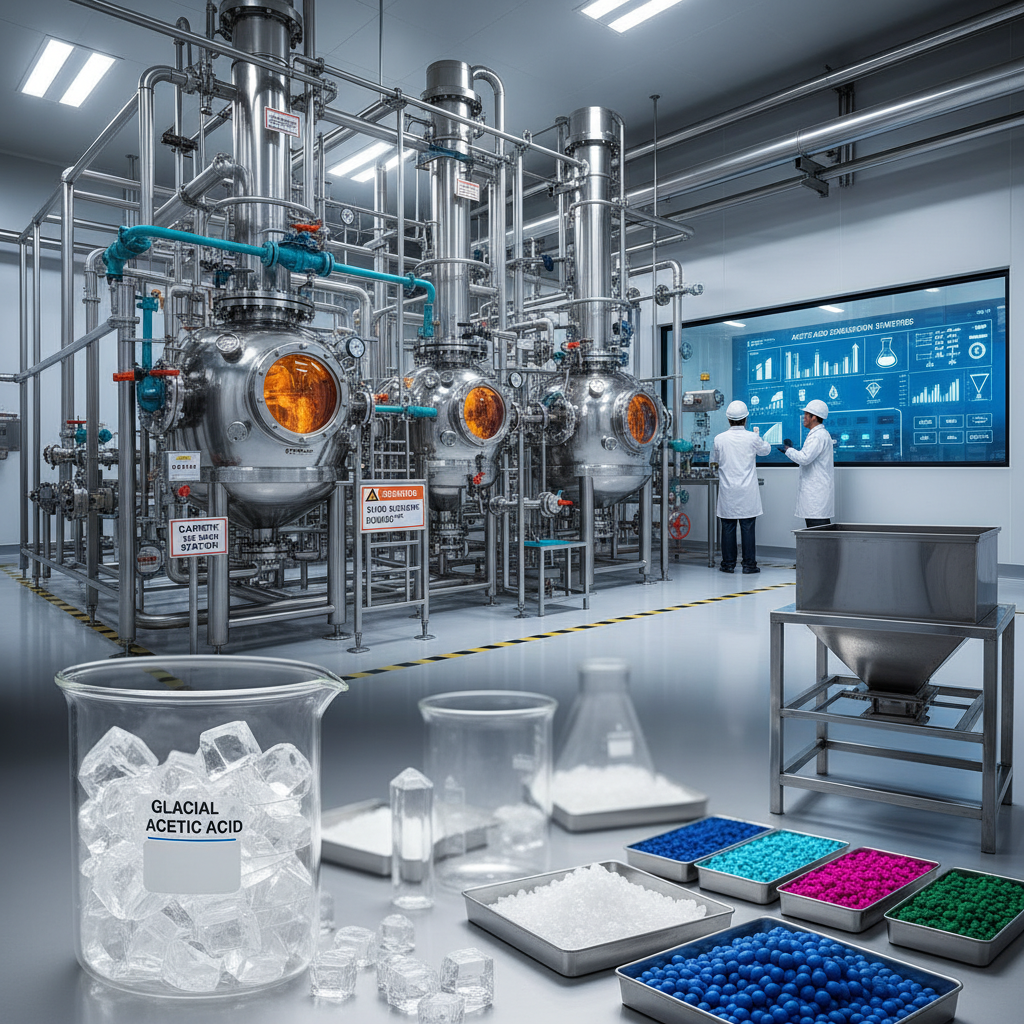
The global landscape of food additive production is currently undergoing a shift toward higher purity standards. According to recent industrial reports, the demand for concentrated organic acids has grown steadily as manufacturers seek to reduce shipping costs and storage footprints. glacial aceticacid plays a pivotal role here, offering a concentrated solution that minimizes water transport and maximizes chemical efficiency.
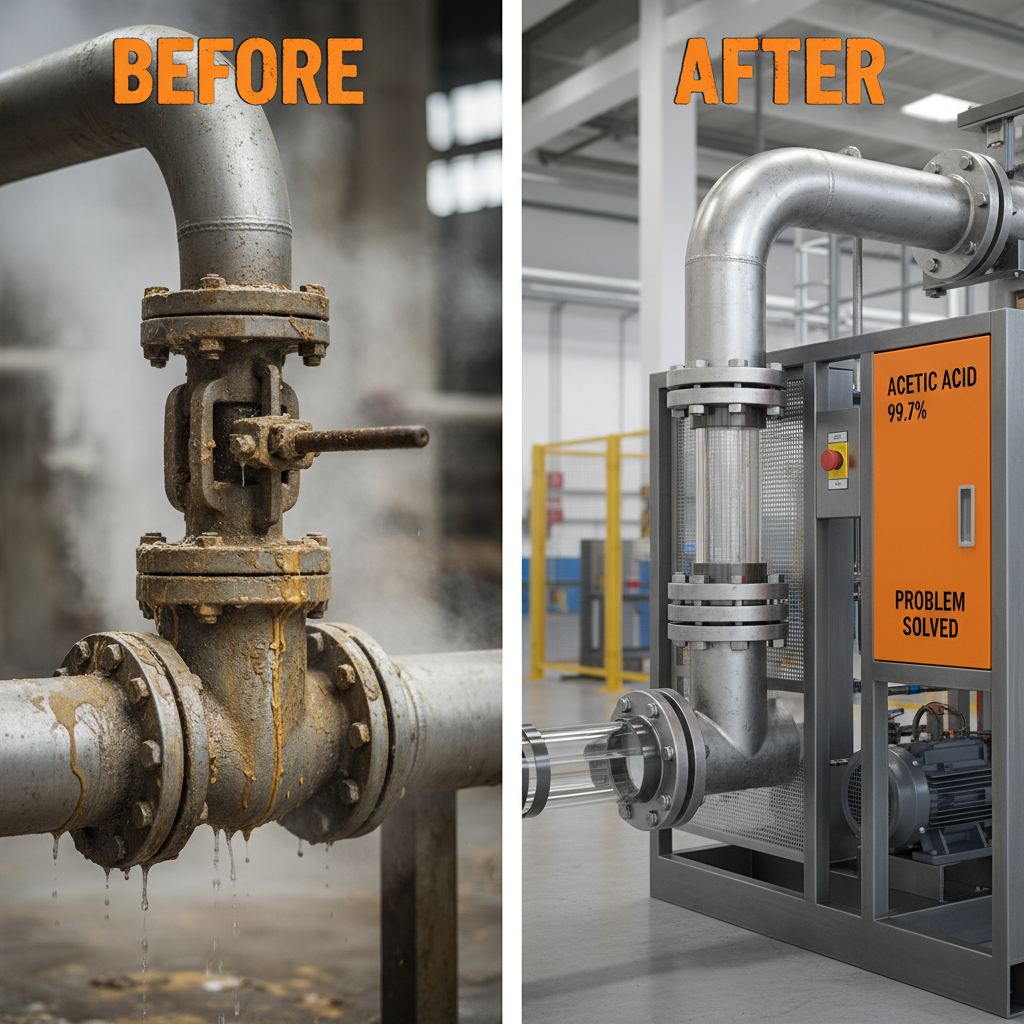
However, the industry faces a persistent challenge: balancing the potency of concentrated acids with the strict safety mandates of ISO and FDA guidelines. The volatility and corrosive nature of the pure substance require specialized handling and precise dosing systems, creating a gap between the need for high-efficiency additives and the operational capabilities of smaller-scale food processing plants.
Defining Glacial Acetic Acid in Food Manufacturing
In simple terms, glacial aceticacid is acetic acid in its nearly pure, anhydrous form. The term "glacial" is derived from the substance's tendency to freeze into ice-like crystals just below room temperature (approximately 16.6°C). Unlike standard household vinegar, which is a diluted aqueous solution, this concentrated form is a powerful chemical tool used as a precursor and a direct additive.
In the context of modern food industry needs, it serves as more than just a souring agent. It acts as a critical pH regulator that inhibits the growth of pathogens, such as Clostridium botulinum, which is essential for the safety of canned and bottled goods. Its ability to penetrate food tissues quickly makes it superior for rapid acidification processes.
Beyond safety, it is deeply connected to the humanitarian need for food security. By extending the shelf life of perishable agricultural products through precise acidification, glacial aceticacid helps reduce post-harvest waste on a global scale, ensuring that nutrient-dense foods can be transported to remote regions without spoiling.
Core Technical Components and Quality Factors
The effectiveness of glacial aceticacid is primarily determined by its purity level. Food-grade specifications require the absence of heavy metals and organic impurities that could alter the taste profile or introduce toxins into the final food product. High purity ensures that the acidity is predictable and stable across different batches.
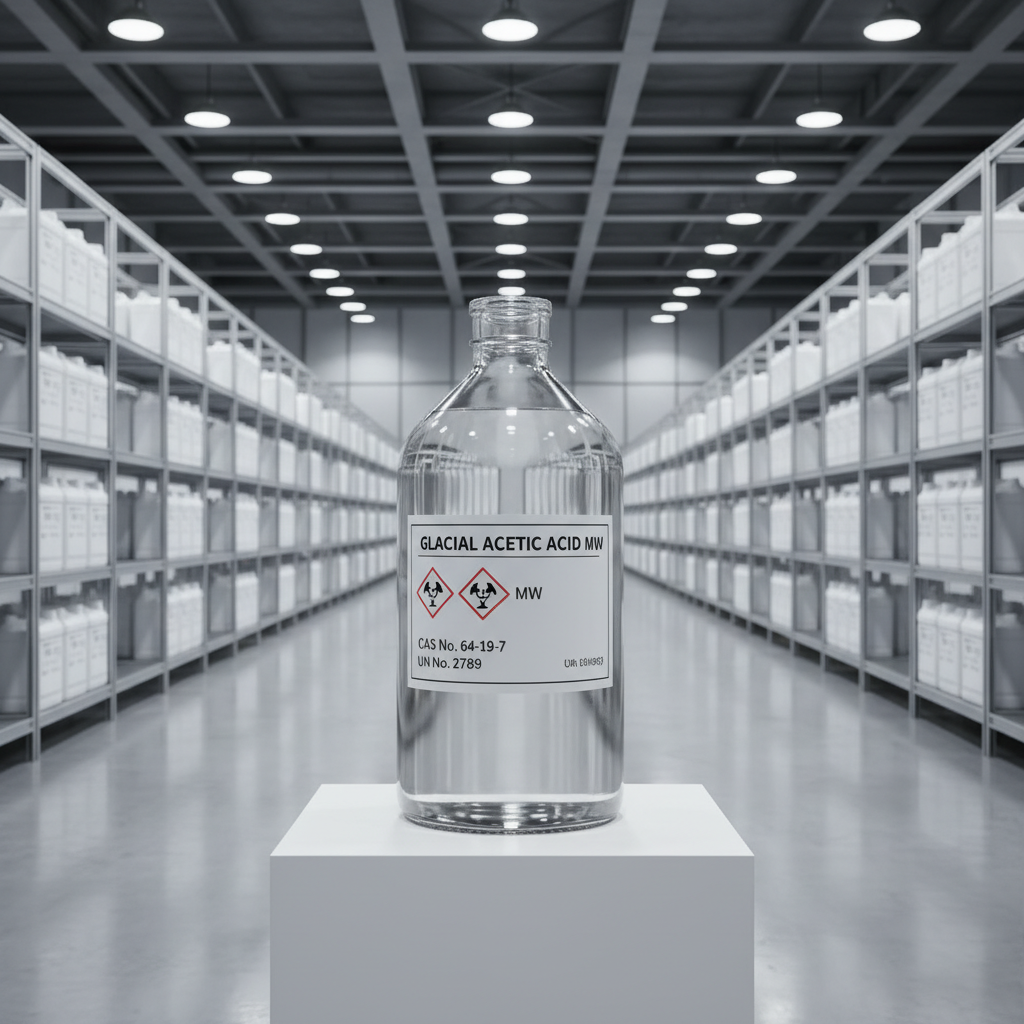
Another critical factor is the concentration stability. Because glacial aceticacid is highly hygroscopic (it absorbs water from the air), maintaining a hermetic seal during storage is vital. Any moisture ingress can lower the concentration, leading to inaccurate dosing and potential failures in food preservation standards.
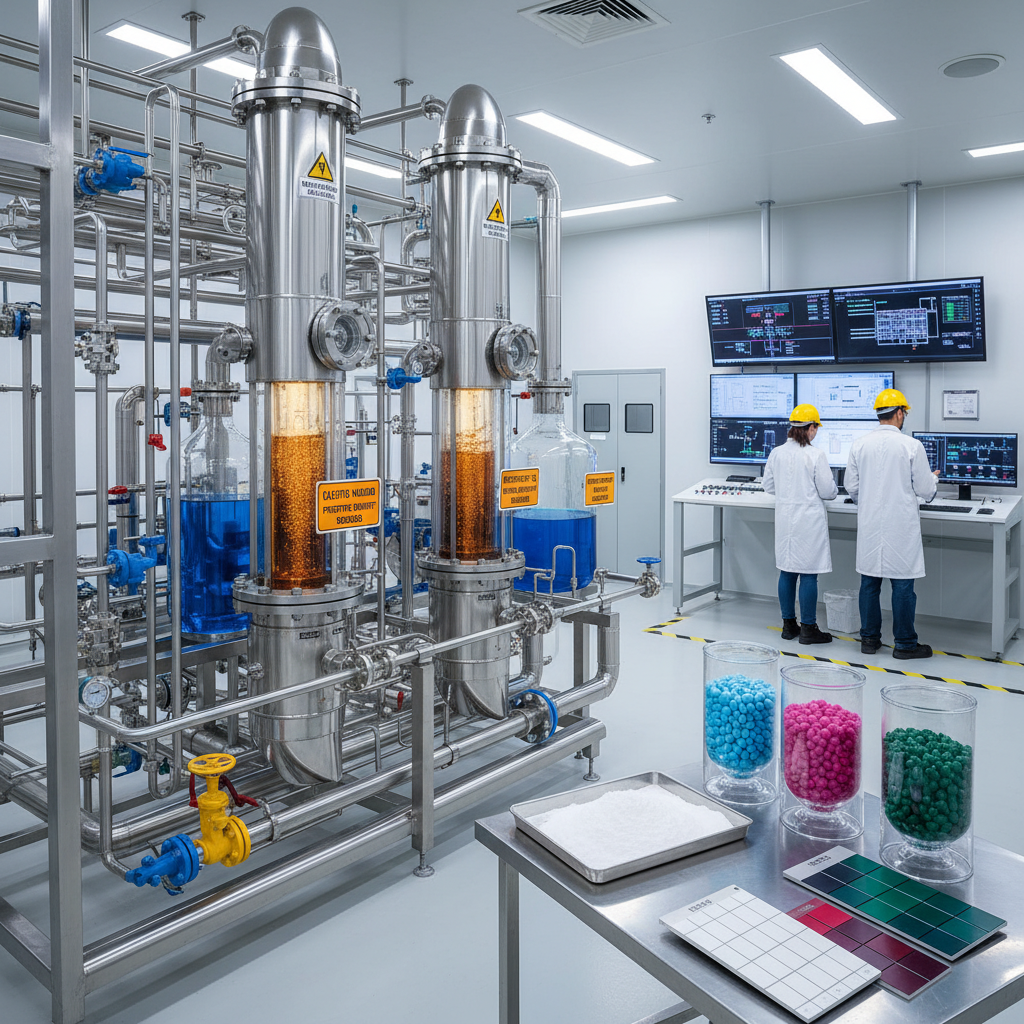
Finally, the scalability of its application is a key operational component. In large-scale industrial mixers, the rapid solubility of the concentrated acid allows for homogenous distribution throughout the product. This ensures that every unit of the finished food item meets the same safety and flavor specifications, regardless of the production volume.
Practical Efficiency and Cost-Benefit Analysis
When evaluating the economic impact of using glacial aceticacid, the primary advantage lies in logistics. Because it is concentrated, the volume of material required to achieve a target pH is significantly lower than that of diluted acetic acid. This translates to lower freight costs, reduced warehousing requirements, and a smaller overall carbon footprint for the supply chain.
Furthermore, the precision offered by the anhydrous form reduces waste. In a high-precision food manufacturing environment, the ability to add exact milligram amounts of acid prevents "over-souring," which can ruin entire batches of product. This reliability creates a long-term cost-saving effect that far outweighs the initial investment in specialized handling equipment.
Comparative Efficiency of Glacial Acetic Acid Delivery Methods
Global Applications Across Food Sectors
Across the globe, glacial aceticacid is indispensable in the pickling and fermentation industries. In regions like Southeast Asia and Eastern Europe, where pickled vegetables are dietary staples, this acid is used to create the precise brine concentrations needed to maintain crispness and prevent spoilage. Its ability to inhibit enzyme activity prevents the softening of tissues in cucumbers and peppers.
In the beverage industry, particularly in the production of soft drinks and alcoholic brews, it is employed to balance flavor profiles. By meticulously adjusting the acidity, manufacturers can highlight specific fruit notes or neutralize bitterness. Moreover, in the confectionery sector, it is used to produce candies with a sharp, clean acidic tang that doesn't leave the lingering metallic aftertaste often associated with lower-grade acids.
Long-Term Value and Sustainability Benefits
The long-term value of adopting high-purity glacial aceticacid extends beyond simple profit margins; it is about trust and reliability. For a food brand, a single batch of improperly acidified product can lead to costly recalls and permanent brand damage. The reliability of a standardized, high-concentration acid provides an emotional layer of security for quality control managers.
From a sustainability perspective, the move toward anhydrous solutions significantly reduces the environmental impact of transportation. Shipping water—which is what comprises the bulk of diluted acetic acid—is energy-inefficient. By utilizing the concentrated form, companies can drastically reduce their shipping tonnage, thereby lowering their overall CO2 emissions.
Additionally, the purity of the food-grade variant ensures that no harmful by-products are introduced into the waste stream. When used correctly, it biodegrades efficiently, making it a preferred choice for companies pursuing "Green Chemistry" certifications and sustainable manufacturing goals.
Future Innovations and Regulatory Trends
The future of glacial aceticacid is being shaped by the rise of biotechnology. We are seeing a transition toward bio-based acetic acid produced through advanced fermentation of renewable biomass rather than traditional petrochemical synthesis. This "green" transition ensures that the additive remains compatible with the growing organic food market.
Digital transformation is also playing a role through the implementation of automated dosing systems. IoT-enabled sensors can now monitor the pH of a food batch in real-time and trigger the injection of precise amounts of glacial aceticacid. This eliminates human error and ensures a perfect consistency that was previously unattainable.
Regulatory frameworks are also evolving, with a stronger focus on traceability. Future trends suggest that every drum of acetic acid will come with a digital "passport," documenting its origin, purity levels, and carbon footprint. This transparency will allow food manufacturers to prove the sustainability of their ingredients to an increasingly conscious consumer base.
Analysis of Glacial Acetic Acid Application Standards
|
Application Sector
|
Key Function
|
Purity Requirement
|
Impact Score (1-10)
|
| Pickled Vegetables |
Pathogen Inhibition |
Food Grade (>99.8%) |
10 |
| Confectionery |
Flavor Balancing |
Ultra-Pure |
8 |
| Beverages |
pH Adjustment |
Food Grade |
9 |
| Sauces/Condiments |
Shelf-life Extension |
Standard Food Grade |
9 |
| Dairy Additives |
Protein Stabilization |
High Purity |
7 |
| Meat Processing |
Antimicrobial Agent |
Food Grade |
8 |
FAQS
Standard vinegar is a dilute solution, typically containing 4-8% acetic acid and the rest water. glacial aceticacid is the anhydrous, nearly 100% pure form. While vinegar is used for cooking, the glacial form is an industrial raw material used for precise pH control and high-efficiency preservation in food manufacturing.
No, glacial acetic acid is highly concentrated and corrosive in its pure form. It must be diluted according to specific industrial formulas before it is incorporated into food products. Once diluted to safe levels in a finished product, it is completely safe and recognized as a standard food additive.
It should be stored in a cool, dry, and well-ventilated area using corrosion-resistant containers (such as high-density polyethylene or stainless steel). Because it is hygroscopic, containers must be tightly sealed to prevent moisture from the air from diluting the product.
Yes, provided that the glacial aceticacid is produced via biological fermentation of natural sugars rather than synthetic chemical synthesis. Manufacturers must verify the "bio-based" certification of their supplier to comply with organic standards.
The primary risks are chemical burns to the skin and eyes, as well as respiratory irritation from the strong vapors. Proper Personal Protective Equipment (PPE), including gloves, goggles, and adequate ventilation or fume hoods, is mandatory during the handling process.
Since glacial acetic acid contains almost no water, you are transporting the active ingredient rather than a diluted mixture. This means you need fewer drums and smaller trucks to achieve the same amount of acidification in your production line, significantly lowering freight and fuel expenses.
Conclusion
In summary, glacial aceticacid is far more than a simple additive; it is a vital tool for modern food safety, efficiency, and flavor precision. By offering unmatched purity and concentration, it enables food manufacturers to optimize their supply chains, reduce environmental impact, and ensure that products remain safe for global consumption. From the technical rigor of pH regulation to the economic advantages of reduced logistics, its value proposition is clear.
As the industry pivots toward sustainable, bio-based chemistry and automated production, the role of high-purity acidification agents will only grow in importance. We encourage food manufacturers to audit their current acidification processes and consider the transition to high-grade anhydrous solutions to enhance both product quality and operational sustainability. For premium sourcing and technical support, visit our website: www.ysxlglacialaceticacid.com



 English
  Belarusian
  Dutch
Dutch  French
  German
  Hindi
Hindi  Indonesian
  Japanese
  Korean
  Lao
Lao  Malay
Malay  Mongolian
  Myanmar
  Polish
  Portuguese
  Russian
  Spanish
  Tagalog
  Thai
Thai  Vietnamese